
When navigating a steep, muddy trail in the Sierra Madre or scrambling up the rocky ridges of Mt. Apo, how you secure your gear can make or break your journey. A loose water bottle falling down a ravine or a missing GPS unit can quickly turn an exciting outdoor adventure into a stressful, or even hazardous, situation. This is where a reliable carabiner for bag attachment becomes an essential piece of your hiking kit. By choosing the right clip, you can keep your most critical gear accessible, secure, and perfectly balanced throughout your trek.
The best carabiner for a hiking backpack depends entirely on the weight, value, and accessibility of the gear you want to attach. For lightweight items like water bottles, hand sanitizers, and camp mugs, small non-locking anodized aluminum or durable polymer accessory carabiners are ideal. For heavy, bulky, or expensive equipment like trekking poles, cameras, or GPS units, you should use larger, locking carabiners (such as screwgate or twist-lock D-shape models) to prevent accidental loss or damage.
Navigating the diverse and often unpredictable environments of the Philippines—ranging from high-humidity rain forests to salt-laden coastal trails—demands a thoughtful approach to gear selection. Standard cheap novelty clips might suffice for a quick walk in a city park, but they will quickly fail under the stress of tropical downpours, thick mud, and dense brush. Understanding the differences in materials, gate designs, and structural ratings is the first step toward building a secure and dependable gear attachment system.
Products mentioned in this guide
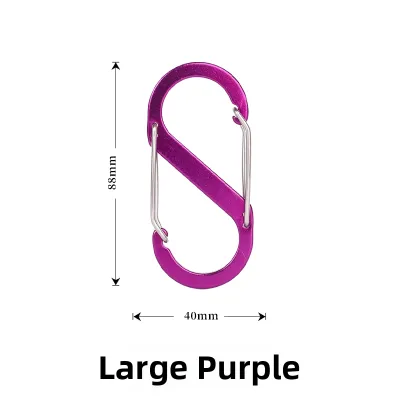
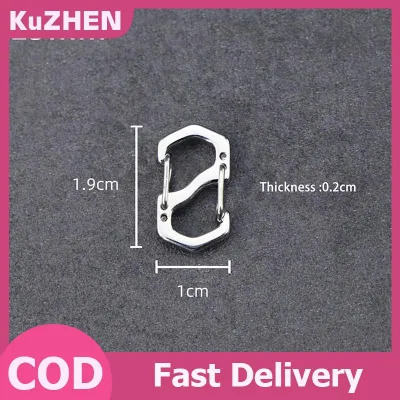
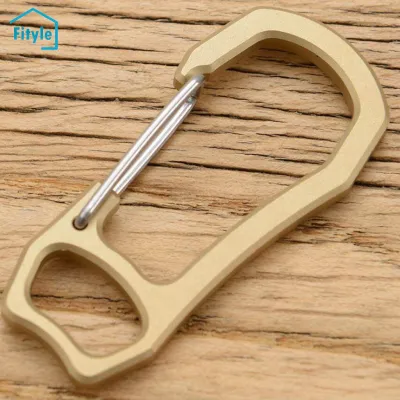
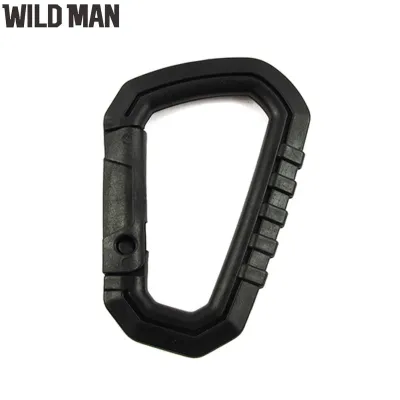
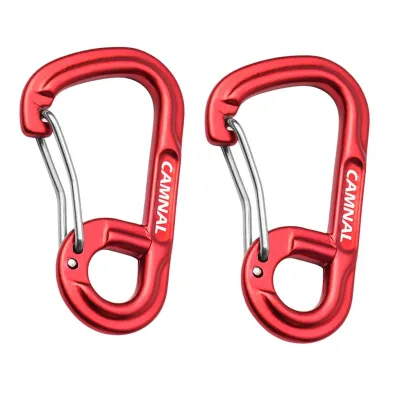
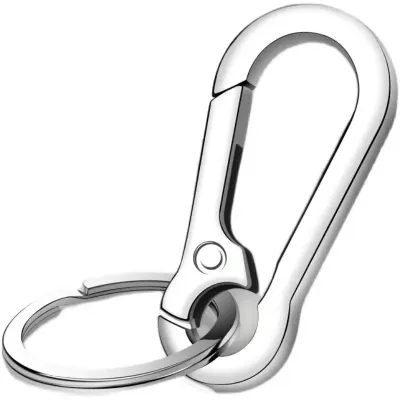
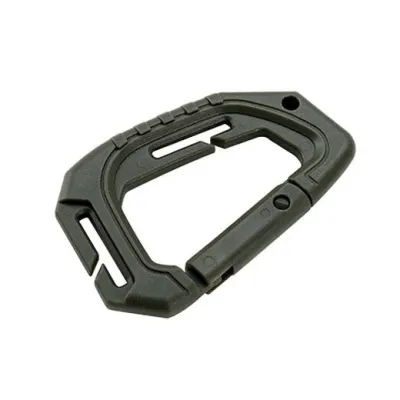
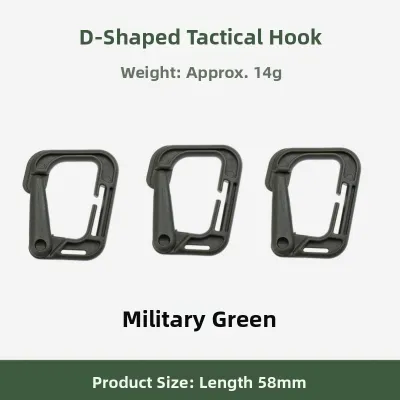
Prices are valid at publication and may change. Please refer to the product page for the latest price.
Carabiner Safety: Load-Bearing vs. Accessory Clips for Bags
Before purchasing any clip for your outdoor gear, it is critical to understand the strict boundary between load-bearing climbing carabiners and accessory clips. This safety distinction is not merely a matter of price or brand; it is a fundamental engineering difference that can have life-or-death consequences on the trail. Climbing-rated carabiners are designed to withstand the immense dynamic forces generated during a fall. They are meticulously tested and marked with official ratings measured in kilonewtons (kN), typically stamped directly onto the spine of the metal.
Accessory carabiners, on the other hand, are designed strictly for holding lightweight gear and are not rated to support human weight. These are often stamped with warnings such as “Not for Climbing,” “Use Only for Gear,” or “Do Not Use for Human Support.” While they are highly convenient and lightweight, their internal springs, gates, and body structures are not built to handle sudden impacts or high-tension loads. Under a heavy load, an accessory clip can bend, snap, or release its gate unexpectedly.
You must explicitly avoid using accessory carabiners for high-risk activities such as climbing, rappelling, securing a hammock suspension, or anchoring heavy loads over steep drop-offs. If you are setting up a camp hammock under the forest canopy, for instance, a standard accessory clip will likely fail under your body weight, leading to a sudden fall onto hard ground or rocks. For any application where a failure could result in injury or severe equipment loss, always opt for a fully rated, certified climbing carabiner.
To ensure your safety on the trail, always check the manufacturer’s stamp, packaging, or product tags for safety ratings and weight limits before use. A genuine, load-bearing carabiner will display clear certification markings, such as a CE or UIAA stamp, along with specific load ratings for major axis, minor axis, and open-gate configurations. If a clip lacks these markings, or if the packaging does not explicitly state a certified weight capacity, treat it strictly as a low-risk accessory holder for lightweight trail items.
Key Features to Look for in Humid and Rugged Trails
When selecting a carabiner for bag attachment, you must evaluate how its materials and mechanisms will perform in the wet, muddy, and highly humid environments typical of tropical hiking trails. A clip that works perfectly in a dry desert can quickly lock up or rust when exposed to constant humidity and heavy tropical rain.

Materials
- Anodized Aluminum: This material represents the gold standard for most hiking applications. It is exceptionally lightweight, ensuring that you do not add unnecessary bulk to your pack. The anodizing process creates a protective oxide layer on the surface of the aluminum, which provides excellent natural resistance to rust and environmental corrosion. However, keep in mind that this protective coating can wear off over time in areas subjected to constant metal-on-metal friction, exposing the raw aluminum beneath.
- Stainless Steel: If durability and sheer strength are your primary concerns, stainless steel is an outstanding choice. It is highly resistant to abrasion, making it ideal for carrying heavy tools or navigating rugged, rocky terrain where your pack might scrape against stone walls. Stainless steel is also exceptionally resistant to saltwater corrosion, making it the preferred material for coastal hikes or island-hopping adventures. The main drawback is weight; stainless steel is significantly heavier than aluminum, which can become a noticeable burden on long, multi-day treks.
- Plastic/Polymer: For those looking to keep their pack as light as possible, high-grade polymer or heavy-duty nylon clips are an attractive option. These clips are completely rust-proof, highly affordable, and do not scratch metal water bottles or insulated flasks. They also eliminate the metallic clinking noise that can disturb the peace of the trail. However, polymer clips have much lower weight capacities than metal, can become brittle over years of intense UV exposure from the tropical sun, and can easily snap if stepped on or crushed inside a packed vehicle.
Gate Types
- Wiregate: This design utilizes a loop of stainless steel wire instead of a solid metal bar for the gate. Wiregates are highly recommended for rugged trail use because their open, spring-loaded design is less prone to jamming with mud, sand, or trail debris. If you accidentally drop your pack into a muddy puddle, a quick rinse is usually all it takes to keep a wiregate functioning smoothly. They are also lighter than solid gates and experience less gate flutter under vibration.
- Solid Gate: Traditional solid gates offer a robust feel and a smooth clipping action. However, the hinge mechanism of a solid gate contains tight tolerances where dirt, silt, and moisture can easily become trapped. Over time, this accumulation of debris can cause the gate to stick open, rendering the carabiner useless until it is thoroughly cleaned and lubricated.
- Locking Mechanisms (Screwgate or Twist-lock): For high-value items or gear that must not detach under any circumstances, a locking gate is essential. A screwgate requires you to manually spin a threaded sleeve over the gate opening to lock it in place, while a twist-lock uses a spring-loaded sleeve that automatically snaps into a locked position when released. These mechanisms are invaluable when hiking through dense brush or thick jungle foliage, where branches can easily snag a standard gate and pull your gear off your pack.
Shapes
- D-Shape: The classic D-shape is highly efficient because it naturally forces the load to align along the strongest, solid spine of the carabiner. This shape minimizes shifting and ensures that the gate is subjected to minimal stress, making it the best choice for carrying heavier items.
- Oval: Symmetrical oval carabiners allow gear to slide smoothly along both sides of the curve without binding. They are excellent for organizing multiple small items, such as keys, multi-tools, or small accessory pouches, as they prevent the items from bunching up in a tight corner.
- Pear/HMS: Featuring a wide, asymmetrical opening and a large top surface, pear-shaped carabiners are designed to accommodate bulky items. They are ideal for clipping over thick backpack straps, wrapping around heavy gear loops, or securing multiple thick cords and webbing straps together.
Recommended Carabiner Types for Specific Backpack Gear
To build a functional, organized, and reliable backpacking setup, you should match the type of carabiner to the specific gear you plan to carry. Using a single type of clip for every item often leads to unnecessary weight, lost gear, or frustration on the trail.
Water Bottles and Hydration Reservoirs
Keeping your water bottle easily accessible is crucial for maintaining hydration during hot, humid hikes. For this application, you want a clip that allows for quick, one-handed operation without requiring you to stop and remove your backpack. Small to medium-sized D-shape or oval non-locking carabiners are the most practical choice here.
To prevent the annoying metallic clanking sound of a metal clip bouncing against a metal or insulated water bottle, consider using a polymer-coated aluminum carabiner or a high-strength plastic clip. These options provide a quiet, scratch-free attachment while still offering more than enough strength to support a full one-liter bottle. Look for quick-clip or auto-gating mechanisms, such as a smooth wiregate, which allows you to effortlessly detach the bottle for a drink and snap it back onto your shoulder strap webbing or side pocket loops while on the move.
Trekking Poles, Ice Axes, and Heavy Tools
Heavy, bulky, or sharp tools require a secure and robust attachment system to ensure they do not become a hazard to you or fellow hikers. When navigating steep, rocky terrain or scrambling up vertical sections, you often need to stow your trekking poles or tools quickly to free up your hands. For these heavy items, always use larger, locking carabiners.
A locking screwgate or twist-lock carabiner ensures that your poles or tools will not slip out of their loops, even if your backpack scrapes against dense branches or rock faces during a scramble. Look for carabiners with wide gate openings and high gate clearance, which allows them to easily accommodate thick rubber pole grips, metal shafts, or heavy tool sheaths. Before hanging heavy tools from your pack, always inspect the backpack’s gear loops and daisy chains to verify their stitching and weight limits, ensuring they can handle the concentrated load without tearing.
Small Accessories, First Aid, and Electronics
Your smallest gear items—such as headlamps, GPS units, multi-tools, first-aid kits, and hand sanitizers—are often the most critical and the easiest to lose. A single loose clip can result in an expensive electronic device or a vital medical kit falling unnoticed into thick trailside brush. For these lightweight but high-value items, security is the top priority.
Use mini carabiners, swivel clips, or double-ended clips (such as S-shaped carabiners) that feature micro-locking gates or secure wire closures. Double-ended clips are particularly useful because they allow you to isolate the attachment point on your backpack from the attachment point on the gear itself, preventing the clip from accidentally slipping off your bag when you open it to retrieve an item. Keeping these small accessories organized on dedicated, secure clips ensures they are always within arm’s reach when an emergency or a sudden change in weather occurs.
How to Securely Attach and Balance Gear on Your Pack
Simply clipping gear onto your backpack is not enough; you must do so in a way that maintains your physical balance, protects your equipment, and prevents trail hazards. An improperly balanced backpack can cause severe muscle fatigue, shoulder strain, and even lead to dangerous slips on narrow, uneven ridges.
The first step is to identify the optimal attachment points on your hiking backpack. Modern trail packs are equipped with specialized features designed to distribute weight effectively. These include daisy chains (vertical rows of reinforced webbing loops), dedicated gear loops at the base of the pack, shoulder strap webbing, and hip belt loops. Heavy items should always be attached close to your body and near your center of gravity, while lighter, frequently used items can be placed on the outer or lower sections of the pack.
To prevent your attached gear from swinging wildly and making noise as you walk, utilize secondary securing methods. A heavy water bottle or tool that bounces with every step not only creates a distracting rhythm but also acts as a pendulum, continuously shifting your center of balance. You can eliminate this movement by using secondary bungee cords, shock cords, or elastic loops to pin the clipped gear flat against the body of your backpack. This simple adjustment keeps your load compact and stable, which is especially critical when navigating technical trails or steep descents.
Finally, always warn against overloading a single attachment point or daisy chain stitch. While these webbing loops are reinforced, they are not indestructible. Hanging too much weight from a single loop can tear the stitching, damaging your pack and potentially causing your gear to fall and break. Distribute your attachments evenly across multiple loops, and never use a single accessory clip to hold multiple heavy items. By keeping your load balanced and secure, you ensure a much more comfortable and safer hiking experience.
Maintenance and Rust Prevention in Tropical Climates
The tropical climate of the Philippines, characterized by high humidity, frequent monsoons, and salt-laden air along coastal routes, can be incredibly harsh on metal gear. Without proper care, even high-quality anodized aluminum and stainless steel carabiners can develop sticky gates, weakened springs, and surface corrosion. Implementing a simple, consistent maintenance routine after every hike will significantly extend the lifespan of your clips and ensure they function reliably when you need them most.
After returning from a trek, your first step should always be to thoroughly rinse your carabiners with clean, fresh water. This is especially important if you have been hiking in muddy terrain, dusty environments, or near the ocean, where salt spray can settle on your gear. Sweat from your hands also contains salts and acids that can slowly corrode metal over time. Use a small, soft-bristled brush (such as an old toothbrush) to gently scrub away any mud, sand, or grit that has accumulated inside the gate hinge, spring pocket, and locking sleeve.
Once rinsed, you must dry the carabiners completely before storing them away. Open the gate fully and prop it open if possible, allowing air to circulate freely through the internal spring mechanism. Leave the clips to air dry in a well-ventilated indoor area, away from direct sunlight and high heat, which can degrade any plastic components or protective coatings. Never store damp carabiners inside a sealed plastic bin or a wet backpack, as the trapped moisture will rapidly accelerate rust and spring corrosion.
To keep the gate action smooth and prevent sticking, apply a small amount of lubricant to the hinge and spring areas. However, you must use the correct type of lubricant. Always use dry graphite lubricants or specialized dry-film lubricants for carabiner gates. Explicitly avoid using wet, oil-based lubricants, standard household penetrating oils, or heavy grease. While these wet oils may temporarily loosen a sticky gate, they act as a magnet for dirt, sand, and trail dust, creating an abrasive paste that will quickly wear down the internal mechanism and cause the gate to jam permanently on your next hike.
Frequently Asked Questions (FAQ)
Can I use a heavy-duty climbing carabiner for my backpack?
While it is structurally safe to use a heavy-duty climbing carabiner on your backpack, it is generally unnecessary and comes with several practical drawbacks. Climbing-rated carabiners are engineered to withstand extreme forces, which means they are significantly heavier and more expensive than standard accessory clips. Adding multiple heavy climbing carabiners to the exterior of your pack will contribute to unnecessary weight, increasing your physical fatigue over long distances. Furthermore, the robust gate springs and complex locking mechanisms on climbing carabiners are designed for safety under tension, making them more difficult to operate quickly with one hand when you simply want to retrieve a water bottle or a small tool on the trail.
Are plastic carabiners strong enough for hiking gear?
High-quality polymer, nylon, or acetal carabiners are remarkably durable and are more than strong enough for securing lightweight hiking gear. They are highly suitable for holding water bottles, stuff sacks, keys, and lightweight accessory pouches, and they offer the added benefits of being rust-proof and completely silent. However, you must recognize their structural limits. Plastic carabiners will snap under heavy loads, if they are stepped on, or if they are crushed inside a tightly packed gear bag. They should never be used to secure heavy tools, trekking poles, or any item that could pose a safety hazard if dropped. Always check the manufacturer’s stated weight capacity before trusting a plastic clip with your gear.
How do I stop carabiners from making noise while hiking?
The constant metallic clinking of aluminum carabiners bouncing against your pack or other gear can quickly become annoying on a quiet trail. To eliminate this noise, you can choose rubberized, plastic-dipped, or high-strength polymer carabiners, which naturally absorb impacts without making a sound. If you prefer to use your existing aluminum carabiners, a simple and highly effective solution is to wrap the spine of the clip with a few layers of grip tape, athletic tape, or electrical tape to dampen the metal-on-metal contact. Additionally, using a secondary elastic tether, shock cord, or bungee strap to pull the attached item tightly against the body of your backpack will prevent it from swinging and bouncing as you walk.
Community discussion
Share your experience or ask a question. Comments are reviewed before publication.