
Upgrading to a high-quality road bike carbon wheelset is one of the most effective ways to transform your cycling experience on Philippine roads. Whether you are climbing the steep gradients of Sierra Madre, cruising along the coastal highways of Batangas, or navigating the flat, windy stretches of Central Luzon, the right wheelset directly influences your speed, handling, and comfort. Choosing the ideal carbon wheelset involves balancing rim depth, weight, hub reliability, and local serviceability. This guide breaks down the essential technical considerations, matches wheel profiles to specific riding styles, and outlines how to safely navigate purchases and warranties in the local market.
The Performance Benefits of Carbon Wheelsets
To understand why a road bike carbon wheelset is highly valued by serious cyclists, it is helpful to look at the material properties of carbon fiber compared to traditional aluminum. The primary advantage lies in the stiffness-to-weight ratio. Carbon fiber allows manufacturers to construct wheels that are exceptionally stiff laterally—meaning they resist flexing when you push hard on the pedals—while remaining incredibly lightweight. This reduction in weight, particularly at the outer edge of the wheel (the rim), directly lowers rotational inertia. In practice, this means your bicycle requires less energy to accelerate from a dead stop or when reacting to sudden pace changes on group rides.
Additionally, carbon fiber can be molded into complex aerodynamic shapes that are difficult or impossible to replicate with aluminum. These advanced shapes help slice through the air, reducing aerodynamic drag and allowing you to maintain higher speeds with the same physical effort. Beyond speed, carbon fiber naturally dampens road vibrations better than aluminum. On long rides over variable asphalt or concrete surfaces, this dampening effect translates to less physical fatigue in your hands, arms, and lower back, letting you ride longer and recover faster.
Products mentioned in this guide
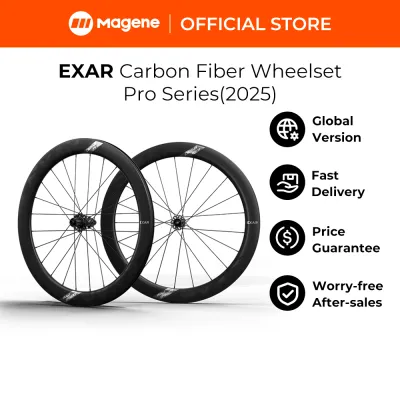
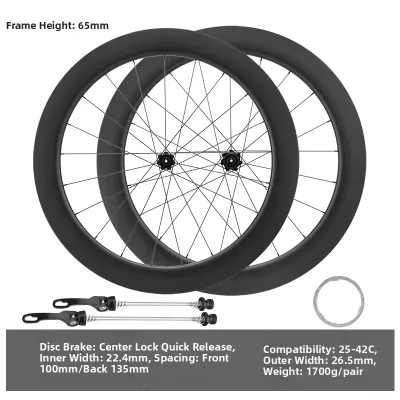
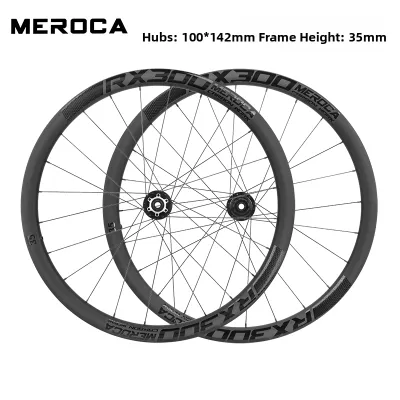
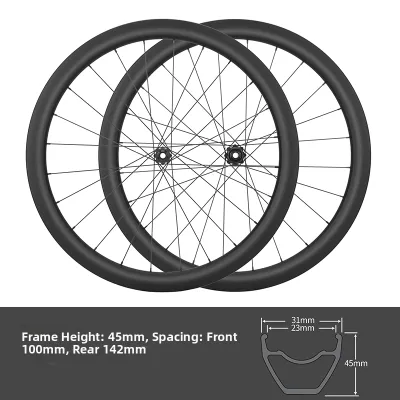
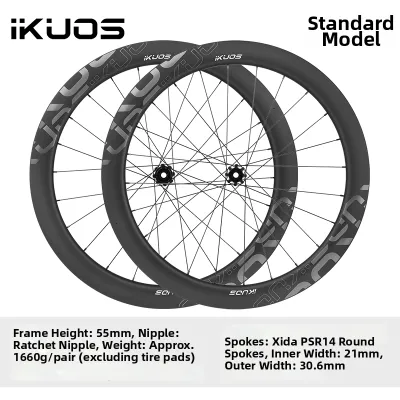
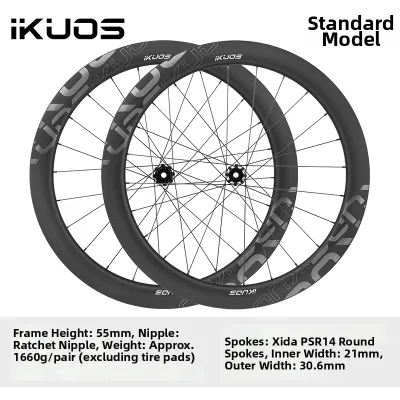
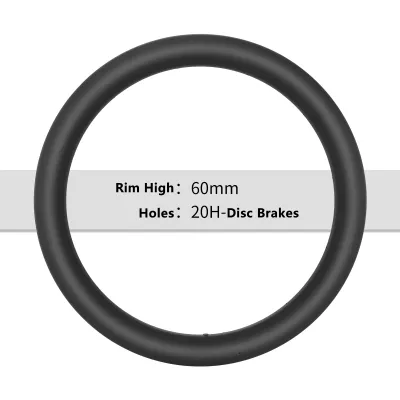
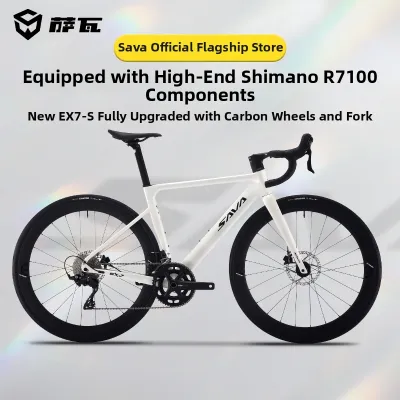
Prices are valid at publication and may change. Please refer to the product page for the latest price.
How to Evaluate Carbon Wheel Specifications
Selecting a carbon wheelset requires looking past aesthetics to evaluate how technical specifications align with your body metrics, riding style, and local environment. Not every high-end wheelset behaves the same way under different riders or in varying weather conditions.

Rim Depth and Crosswind Stability
Rim depth, measured in millimeters, is the primary driver of aerodynamic efficiency. Deeper rims excel at guiding airflow smoothly around the wheel, significantly reducing drag on flat roads. However, this increased surface area acts like a sail when hit by lateral winds. In the Philippines, where coastal roads and mountain passes are subject to sudden, strong gusts, crosswind stability is a critical safety factor.
A deep-section wheel can cause the front handlebars to twitch unexpectedly when struck by a side wind, requiring quick reflexes and strong bike-handling skills to maintain control. If you frequently ride in open, windy areas or lack confidence in handling a twitchy bike, choosing a more conservative rim depth is a safer and more predictable option.
Weight, Stiffness, and Rider Profile
The relationship between a wheel’s weight and its lateral stiffness is highly dependent on the rider’s physical profile. While ultra-lightweight carbon wheelsets are highly desirable for climbing, they sometimes achieve this low weight by using thinner carbon layups or fewer spokes. For heavier riders or high-wattage sprinters, an ultra-light wheel may exhibit excessive lateral flex under heavy loads.
This flex can lead to energy loss, unstable high-speed cornering, and, on older rim-brake systems, annoying brake rub. If you have a larger build or a powerful sprint, prioritize wheelsets with robust carbon layups and higher spoke counts (typically 24 spokes or more on both front and rear wheels). This configuration ensures structural integrity, efficient power transfer, and a more stable, confidence-inspiring ride.
Hub Engagement and Spoke Durability
The hub is the heart of your wheelset, housing the bearings and the engagement mechanism that transfers your pedaling force to the road. Quick hub engagement—measured by the degrees of rotation required before the internal pawls or ratchets lock into place—is highly beneficial when accelerating out of sharp corners or navigating technical climbs.
Equally important is spoke selection and lacing. For everyday riding on local roads, which often feature unexpected potholes, cracks, and debris, spoke durability is paramount. Standard J-bend spokes are highly practical because they are widely available in local bike shops across the country, making roadside repairs and tension adjustments straightforward. Straight-pull spokes offer excellent stiffness and a clean look but can be harder to source in remote provinces.
Brake Compatibility and Heat Management
Modern road bike carbon wheelsets are designed with a heavy emphasis on disc brakes. Disc-brake wheelsets move the braking surface away from the carbon rim to a dedicated steel rotor, completely eliminating the historical risk of carbon rim delamination caused by heat buildup during long, steep descents.
If you are purchasing a disc-brake wheelset, you must verify your frame’s axle standards (typically 12x100mm front and 12x142mm rear thru-axles) and rotor mounting system (Centerlock or 6-bolt). For riders still using rim-brake frames, verifying the manufacturer’s specific brake pad requirements is mandatory. Using non-approved brake pads on a carbon braking track can permanently damage the rim, compromise stopping power, and void your warranty.
Matching Wheel Profiles to Your Riding Style
To get the most value from your investment, match the wheelset’s profile to the terrain you ride most frequently. Wheelsets generally fall into three distinct categories based on rim depth, each optimized for different riding scenarios.
Shallow-Depth Climbing Wheels
Shallow-depth carbon wheels, typically measuring under 35mm in depth, are the ultimate tools for steep, sustained ascents. If your weekend routes consistently take you up challenging climbs like RevPal in Nuvali, the steep ramps of Tagaytay, or the grueling mountain roads of Bataan, minimizing weight is your top priority.
These wheels offer incredibly low rotational weight, allowing you to accelerate instantly when the gradient kicks up. They are also virtually immune to crosswinds, providing predictable, stable handling during fast, technical descents. The trade-off is their limited aerodynamic benefit on long, flat valley roads, where deeper profiles would allow you to carry momentum more efficiently.
Mid-Depth All-Rounders
For the vast majority of cyclists in the Philippines, mid-depth carbon wheels—ranging from 35mm to 50mm—offer the most versatile and practical solution. This category strikes an exceptional balance, providing a noticeable aerodynamic advantage on flat and rolling terrain while remaining light enough to tackle long climbs without feeling sluggish.
A mid-depth wheelset is highly versatile, making it the ideal “one-wheelset” solution for mixed weekend rides, local criteriums, and daily training. They handle predictably in moderate crosswinds, giving you the aerodynamic confidence to hold high speeds on flat coastal stretches without sacrificing stability when the wind picks up.
Deep-Section Aero Wheels
Deep-section carbon wheels, featuring depths of 50mm to 65mm or more, are engineered specifically for maximum aerodynamic efficiency. These wheels are the preferred choice for flat-land racers, time-trialists, triathletes, and riders who prioritize maintaining high speeds on flat, straight roads.
The deep profile helps maintain momentum by cutting through the air and creating a sail effect in favorable wind angles. However, these wheels require a high level of bike-handling skill, as they are highly sensitive to crosswinds. They are generally heavier than shallow or mid-depth options, making them less suited for routes with significant elevation gain. Consider these primarily for dedicated race days, sheltered flat courses, or riders who prioritize speed over all-round versatility.
Navigating Local Availability, Warranties, and Support
Investing in a road bike carbon wheelset is a significant financial commitment, often ranging from ₱25,000 for entry-level options to well over ₱100,000 for premium, tier-one brands. Navigating the local market requires careful planning to ensure you receive a genuine product backed by reliable after-sales support.
Whenever possible, purchase your wheelset from authorized local bike shops or official brand storefronts on reputable e-commerce platforms. Buying from authorized channels guarantees that your wheelset is covered by the manufacturer’s official warranty. Many premium carbon wheel brands offer crash replacement policies, which provide discounted or free rim replacements in the event of an accident—a highly valuable safeguard given the unpredictable nature of road hazards and traffic conditions.
Before finalizing your purchase, confirm that the wheelset’s freehub body is compatible with your bicycle’s drivetrain. Drivetrains from Shimano, SRAM, and Campagnolo use different freehub standards (such as Shimano HG, SRAM XDR, or Campagnolo N3W). While freehubs can often be swapped, verifying compatibility beforehand saves time and extra expense. Additionally, ask the seller about the local availability of proprietary spare parts, such as replacement spokes, nipples, and hub bearings. A wheelset that cannot be serviced locally due to a lack of spare parts can leave you sidelined for weeks while waiting for international shipping.
Frequently Asked Questions (FAQ)
Are carbon wheels worth it for amateur riders?
Yes, carbon wheels offer a tangible performance upgrade for amateur riders, primarily through reduced rotational weight and improved ride compliance. The immediate sensation of quicker acceleration and smoother vibration dampening enhances the overall riding experience. However, because the performance gap between mid-tier and flagship models is relatively narrow, amateur riders often find the best value in mid-range carbon options, which offer most of the aerodynamic and weight benefits of top-tier models at a more accessible price point.
How do I maintain carbon rims in wet and humid conditions?
In the tropical, humid climate of the Philippines, regular maintenance is essential to preserve the life of your carbon wheelset. After riding in the rain or along coastal roads, gently wash the wheels with clean water and a mild, non-abrasive soap to remove salt, grit, and road grime. Avoid using high-pressure washers directly on the hub seals, as this can force water into the bearings and cause premature wear. Periodically inspect the hub bearings for smoothness and check the spoke tension to ensure the wheels remain true.
What is the typical weight limit for carbon wheelsets?
Weight limits vary significantly depending on the manufacturer, rim profile, and spoke count of the wheelset. Most manufacturers establish a total system weight limit—which includes the weight of the rider, the bicycle, and all carried gear—ranging from 110 kg to 125 kg. It is critical to consult the specific manufacturer’s user manual or specification sheet to verify these limits. If you are close to the limit, choosing a wheelset with a higher spoke count and a robust layup is highly recommended for safety.
Community discussion
Share your experience or ask a question. Comments are reviewed before publication.