
Selecting the right cellphone pouch for men running in the Philippines requires balancing secure fit, device protection, and personal comfort. In a tropical climate characterized by high humidity and sudden downpours, a standard pocket or casual bag will not suffice. The ideal solution must keep your phone completely stable against your body to prevent chafing while protecting sensitive electronics from heavy sweat and environmental moisture.
To find the perfect match, runners must evaluate how different pouch designs distribute weight across the body. Whether you prefer a waist belt, an armband, a running vest, or integrated pocketed shorts, each style offers distinct advantages depending on your running distance, body type, and how often you need to access your screen. By focusing on material breathability, secure closure systems, and precise sizing, you can ensure your phone remains safe and bounce-free throughout every mile.
Core Criteria for Choosing a Running Phone Pouch
When selecting a running phone pouch, phone size compatibility is your first and most critical consideration. Modern smartphones are larger and heavier than ever, meaning a pouch must offer a snug, elastic fit to prevent the device from shifting. Any internal movement within the pouch translates into a rhythmic bounce with every stride, which quickly becomes distracting and can cause painful skin abrasions over long distances.
Products mentioned in this guide
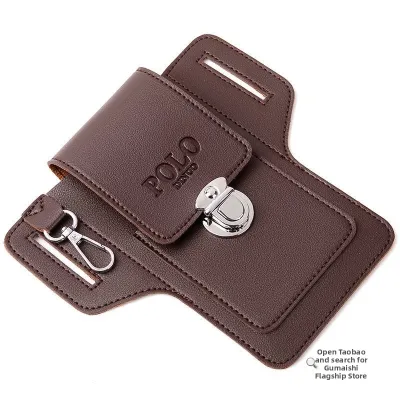
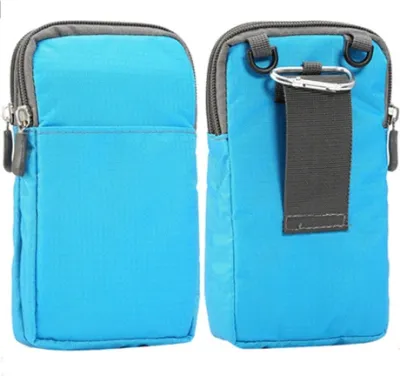
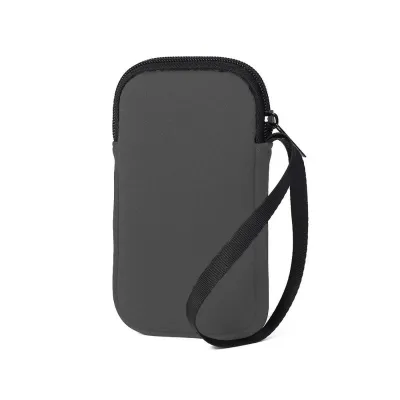
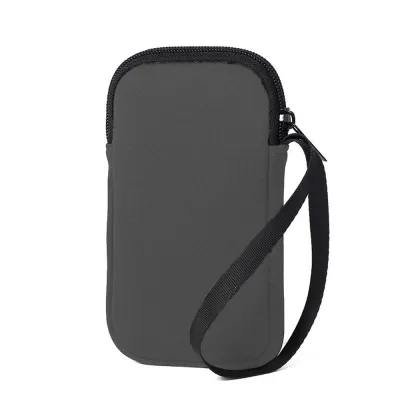
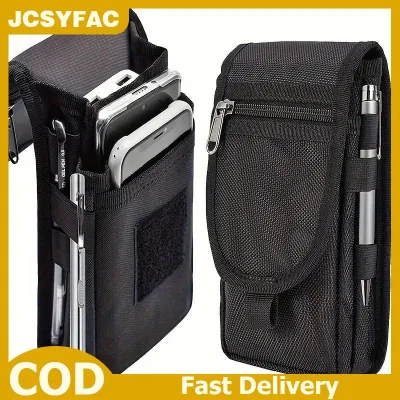
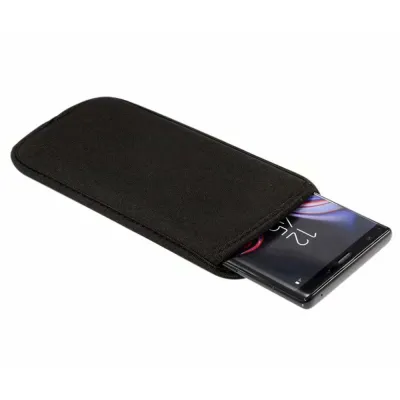
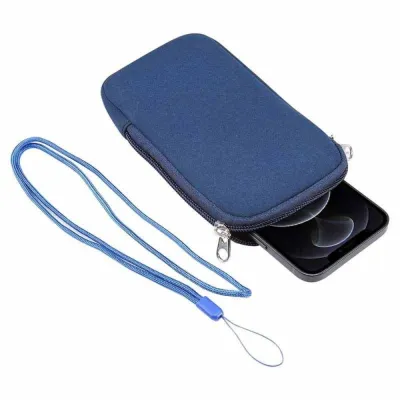
![[COD] CHENJ Waterproof Phone Pouch Neoprene Shockproof Scratch Resistant Outdoor Floating Case for Kayaking Sailing](https://img.lazcdn.com/g/p/64aabeac09d72b610dedc550a9b5b3e3.jpg_400x400q80.jpg_.webp)
Prices are valid at publication and may change. Please refer to the product page for the latest price.
Weight distribution plays a fundamental role in maintaining natural running biomechanics. Carrying a heavy smartphone on one side of the body, such as on a single arm, can introduce subtle muscular imbalances over time. Placing the phone close to your center of gravity—either flat against the lower back or centered on the chest—minimizes rotational torque on your spine and allows you to maintain a symmetrical, efficient running posture.
Accessibility during movement is another key factor to weigh against your personal habits. If you frequently check navigation apps, change music playlists, or need quick access for emergency calls, you require a pouch that allows for rapid retrieval or features a touch-compatible window. Conversely, if you prefer an uninterrupted run where you only check your phone at the end of your session, a highly secure, zippered compartment that sits completely out of sight is often the superior choice.
Moisture management is non-negotiable when running in tropical conditions. Heavy perspiration can easily penetrate standard fabrics, leading to moisture buildup inside the pouch that can damage your phone’s charging ports and speakers. Look for pouches constructed with water-resistant internal linings, such as thermoplastic polyurethane (TPU) coatings, paired with highly breathable, moisture-wicking exterior mesh that allows body heat to dissipate quickly.
Main Types of Running Phone Pouches Compared
Waist belts and tube-style running belts are among the most popular choices for runners of all levels. These belts sit low on the hips and utilize elastic fabrics to hold the phone flat against the lower back or abdomen. The primary advantage of a tube belt is its uniform tension, which virtually eliminates bouncing and provides extra space for small items like keys or cash. However, they can sometimes ride up toward the waist if you have a highly tapered torso, and exceptionally large phones with thick protective cases can stretch the fabric to its absolute limit.

Armbands offer a classic, highly visible way to carry your phone on shorter, faster runs. They keep your waist completely free and position the phone for easy headphone cable routing if you use wired earbuds. The main drawback of armbands is sweat accumulation directly beneath the strap, which can lead to localized chafing and slipping as your muscles flex. Additionally, securing a large, heavy phone to your upper arm can feel restrictive and may slightly alter your arm swing during high-intensity sprints.
Running vests and hydration packs represent the premium option for endurance runners and trail enthusiasts. These vests distribute the weight of your phone, hydration flasks, and nutrition packs evenly across your shoulders and upper torso. By holding the phone in a dedicated front chest pocket, vests offer excellent accessibility and zero bounce. The trade-off is increased body coverage, which can feel significantly warmer in hot weather and may be unnecessary for short, daily neighborhood runs.
Pocketed running shorts feature an integrated liner with a tight, compression-style pocket designed specifically to hold a phone against the thigh. This integrated approach eliminates the need for extra straps, buckles, or belts, providing an incredibly streamlined and lightweight feel. The limitation of this style is that you must purchase multiple pairs of specialized shorts to cover your weekly running schedule, and the pocket’s compression level must be perfectly matched to your thigh size to prevent the phone from sliding down.
| Pouch Type | Bounce Control | Maximum Phone Size Capacity | Ideal Running Distance | Primary Trade-off |
|---|---|---|---|---|
| Waist Belt | Excellent | Medium to Large (stretch dependent) | Short to Marathon | Can ride up on certain body shapes |
| Armband | Moderate | Small to Medium | Short Sprints | Can slip during heavy sweating |
| Running Vest | Outstanding | Large (multiple pockets available) | Long Distance / Trail | Adds extra warmth and weight |
| Pocketed Shorts | Very Good | Medium to Large | Short to Medium | Requires purchasing dedicated apparel |
How to Match the Pouch to Your Running Routine
Your daily training habits should dictate the style of pouch you choose. For short, high-intensity sprints or track workouts, minimizing weight and restriction is paramount; a streamlined armband or integrated pocketed shorts keep your torso completely free to move. For long-distance marathon training, you will need a high-capacity waist belt or a lightweight vest that can comfortably carry your phone alongside energy gels, salt tablets, and hydration supplies without shifting over several hours of continuous movement.
Managing extra essentials requires a pouch designed with dedicated, separated compartments. Placing your keys, coins, or trail tools in the same pocket as your smartphone is a recipe for a scratched screen or damaged camera lens. Look for pouches that feature internal dividers, key clips, or secondary pockets so that your phone remains isolated and protected from abrasive metal objects throughout your run.
Running in tropical climates like the Philippines introduces extreme humidity and sudden tropical downpours that demand specialized material choices. Standard cotton or heavy neoprene pouches trap heat and sweat, which can cause skin irritation and device overheating. Prioritize lightweight nylon-spandex blends that feature quick-dry properties and anti-odor treatments. These materials allow sweat to evaporate rapidly, helping to keep both your skin cool and your device dry.
Route safety and environmental conditions also influence your choice of gear. If your running route takes you through busy urban streets, quick access to your phone is vital for navigating traffic, using digital payment apps at convenience stores, or handling unexpected emergencies. For trail runners navigating uneven terrain, security is the absolute priority; you need a heavy-duty zipper or a deep, fold-over pocket that guarantees your phone will not fly out if you trip, slip, or jump over obstacles.
Pre-Purchase Checklist and Fit Verification
Before purchasing a running phone pouch from an online marketplace or local sports retailer, it is essential to perform a few physical and specification checks to ensure a proper fit. Never rely solely on generic compatibility claims such as “fits all smartphones.” Instead, follow this structured verification process to avoid common sizing mistakes:
- Measure with the Case On: Use a ruler to measure the exact length, width, and thickness of your phone while it is inside its daily protective case. Compare these measurements directly against the internal dimensions listed by the pouch manufacturer.
- Assess the Stretch Factor: If choosing an elastic waist belt or sleeve, verify if the fabric has enough elastane or spandex content to stretch comfortably over your phone without putting excessive strain on the zippers or seams.
- Inspect the Closures: Look for high-quality, water-resistant zippers with zipper garages (small fabric hoods that cover the zipper pull when closed) to prevent water from seeping in and to stop the metal pull from bouncing noisily.
- Check for Visibility Features: Ensure the pouch features highly reflective strips, logos, or piping. This is a critical safety feature for those who prefer running during the cooler hours of the early morning or late evening.
- Review Care Instructions: Confirm that the pouch can be easily hand-washed or machine-washed on a gentle cycle. Regular washing is necessary to remove salt buildup from dried sweat, which can otherwise degrade elastic fibers and corrode metal zipper components over time.
Frequently Asked Questions (FAQ)
Can I use a standard casual waist bag for running?
Standard casual waist bags, often referred to as fanny packs, are generally unsuitable for running. They lack the tight, elasticized bands and body-hugging designs required to keep a heavy smartphone stable during high-impact movement. A casual bag will bounce excessively, slide down your hips, and cause significant chafing. Furthermore, they are typically made from heavy, non-breathable materials like canvas or thick nylon that trap heat and sweat against your skin.
How do I prevent my phone from overheating in a pouch?
To prevent your phone from overheating during hot daytime runs, avoid placing the screen directly against your body without a protective, breathable barrier. Choose a pouch that features a ventilated mesh back panel to allow body heat to escape. Additionally, close any unnecessary background applications, turn off high-drain features like screen mirroring, and consider running during the cooler early morning or late afternoon hours to minimize thermal stress on your device.
Are arm bands practical for men with larger arms?
Standard armbands can sometimes pinch, restrict blood circulation, or slip down when worn on muscular or larger biceps. If you prefer an armband, look for models that feature adjustable hook-and-loop straps with integrated extender bands designed specifically for larger arm circumferences. Alternatively, switching to a waist belt or a lightweight running vest is often a much more comfortable solution, as these options distribute weight across larger muscle groups without restricting arm movement.
Community discussion
Share your experience or ask a question. Comments are reviewed before publication.