
Finding the right cellphone pouch for women running in the Philippines requires balancing secure storage with the realities of a tropical climate. High humidity, heavy perspiration, and sudden downpours mean a standard armband or loose pocket will not suffice. The ideal cellphone pouch for women must stay completely secure against the body, protect sensitive electronics from moisture, and prevent painful chafing on long runs.
By selecting a style that matches your running distance and body type, you can protect your device while maintaining a natural, efficient stride. Whether you are training for a marathon along the streets of Bonifacio Global City or navigating the muddy trails of Rizal, understanding key design features will help you choose the perfect gear.
What to Look for in a Running Phone Pouch for Women
Sweat and Water Resistance: In the Philippines, humidity often exceeds 80 percent, making sweat accumulation a major threat to electronics. A reliable pouch must feature a dedicated moisture barrier. Look for materials like thermoplastic polyurethane (TPU) linings, neoprene, or treated nylon that block sweat from seeping through the back panel. During the monsoon season, sudden downpours can catch you off guard; water-resistant zippers and storm flaps are essential design elements that keep your device dry without requiring a bulky, fully submerged waterproof case.
Products mentioned in this guide
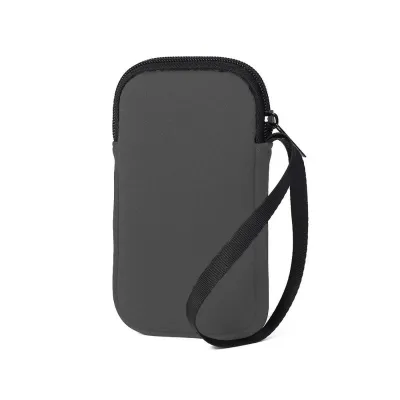
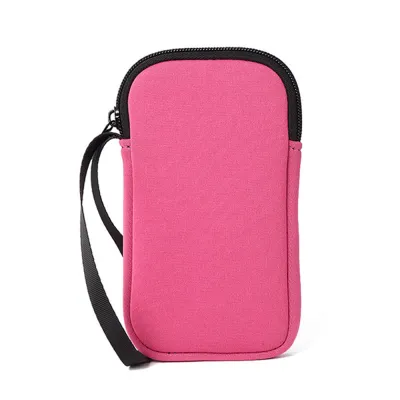
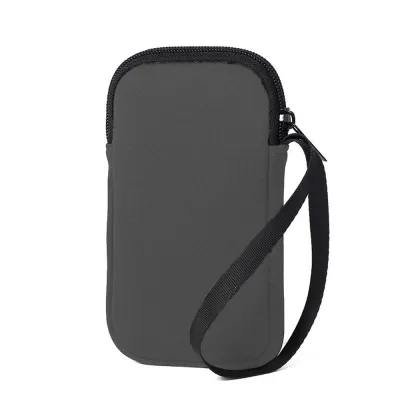
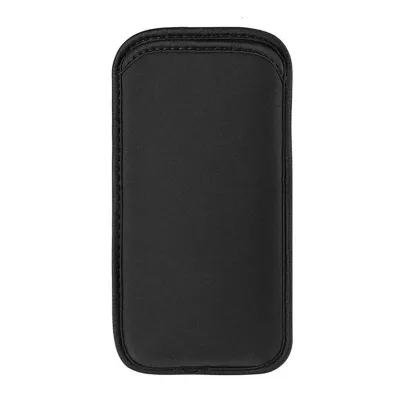
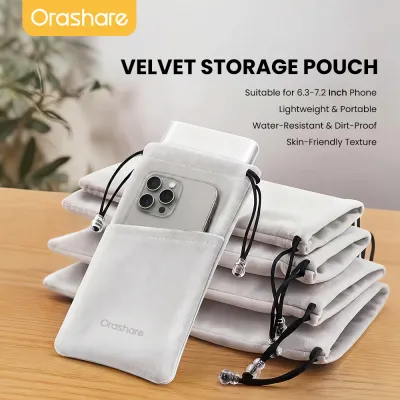
Prices are valid at publication and may change. Please refer to the product page for the latest price.
Bounce-Free Design: A bouncing phone is more than just an annoyance; it alters your running gait and can lead to repetitive strain injuries. Women’s waist-to-hip ratios vary significantly, meaning a unisex belt that fits a straight torso may ride up or slip down on wider hips. Look for pouches with wide, elastomeric bands or adjustable tensioning systems that anchor the weight of the phone directly against your center of gravity—either flat against the lower back or low on the hips.
Chafing Prevention: Friction is magnified by moisture. When salt crystals from dried sweat rub against the skin, they act like sandpaper. To prevent this, prioritize pouches with seamless edges, flatlock stitching, and soft, breathable mesh backings. Avoid rough nylon webbing or exposed plastic buckles that sit directly against the skin, especially if you prefer running in crop tops or sports bras.
Capacity and Accessibility: Modern smartphones are larger and heavier than ever. Before purchasing, verify the internal dimensions of the pouch against your phone, including its protective case. A good running pouch should accommodate your device comfortably while leaving dedicated space for secondary essentials like keys, cash (₱100 or ₱500 bills for emergency purchases), and energy gels. Internal dividers prevent your keys from scratching your screen during movement.
Top Cellphone Pouch Styles for Women Runners
Running Waist Belts and Tube Bands
Waist belts and continuous tube bands are the most popular choices for long-distance road running and daily training. These designs distribute the weight of your phone horizontally around your core, which is the most stable part of your body during a running stride.

Continuous tube bands are made of a single loop of stretchy fabric that you pull over your head or hips. They lack buckles or clips, offering a completely seamless fit that minimizes pressure points. However, they require accurate sizing; if the band is too loose, it will bounce, and if it is too tight, it will restrict deep breathing. Adjustable buckle belts, on the other hand, feature a strap with a tension slider and a quick-release buckle. While easier to put on and adjust mid-run, the buckle hardware can sometimes dig into the skin if not positioned correctly.
For smaller frames, belt width is a critical factor. Narrow belts (under 1.5 inches) tend to concentrate the weight of the phone in a small area, causing the belt to roll over or dig into the waist. Wider bands (3 to 4 inches) distribute the pressure over a larger surface area, keeping the belt flat against your lower back or pelvis and preventing it from riding up toward your ribs.
Arm Bands and Compression Sleeves
Arm carriers are excellent for interval training, track workouts, or runners who like to keep their phone within arm’s reach to monitor pacing apps or control music. They position the phone on the bicep or forearm, keeping the torso completely free of gear.
Traditional armbands use a rigid plastic window and a hook-and-loop strap. While they offer direct screen visibility, they can feel restrictive during deep arm swings. Compression sleeves, made of soft, stretchy fabric blends, slide up the arm and hold the phone snugly against the muscle. For female runners with smaller biceps, finding an adjustable strap that provides a secure hold without cutting off circulation or sliding down during sweaty sprints is essential.
Sweat protection is paramount for armbands. Because the arm experiences high friction and sweat buildup, the backing of the band must have a water-resistant barrier. Without this, sweat will quickly penetrate the fabric, fogging up the plastic screen window and potentially damaging the phone’s charging port or speakers.
Handheld Pouches and Grip Bottles
For short, fast runs, 5K races, or quick neighborhood loops, a handheld pouch or grip bottle combo provides a minimalist solution. These carriers allow you to hold your phone in your palm without actively gripping it, thanks to an integrated strap system.
Look for ergonomic, lightweight hand straps that wrap securely around the back of your hand. This design allows your hand muscles to remain relaxed, preventing hand fatigue and keeping your running form natural. Some models combine a phone pouch with a small, integrated water flask, which is highly beneficial for staying hydrated in the tropical heat.
The primary limitation of handheld pouches is storage capacity. They are designed strictly for a phone and perhaps a single key or card. If you need to carry multiple energy gels, a car key fob, or emergency medical supplies, a handheld option will feel too restrictive and unbalanced.
Running Vests with Chest Pockets
When transitioning to trail running in mountainous regions like Rizal, Benguet, or Sierra Madre, or preparing for long-duration ultra-marathons, a running vest becomes indispensable. Vests distribute weight across your chest, shoulders, and upper back, allowing you to carry hydration, nutrition, and safety gear alongside your phone.
Vests feature dedicated front chest pockets that hold your phone vertically. This placement allows for rapid, on-the-go access to navigate trail maps, take photos, or check emergency signals without needing to stop or reach behind your back.
Standard unisex vests are often cut too broad in the shoulders and too long in the torso for many women, leading to painful chafing around the armpits and collarbones. It is highly recommended to select a women-specific running vest. These models feature curved chest straps, narrower shoulder profiles, and shorter torso lengths designed to sit comfortably over sports bras and accommodate female anatomy without shifting under load.
How to Ensure a Secure, Chafe-Free Fit
Placement Strategy: Where you wear your running belt depends heavily on your body shape and your running apparel. Wearing the belt high on your natural waist (above the belly button) works well if you have an hourglass figure, as the belt naturally settles in the narrowest part of your torso. If you have a straighter athletic build, wearing the belt lower on your hips, just above the glutes, prevents it from riding up. Ensure the belt sits flush against the waistband of your running tights or shorts to minimize direct skin contact.
The Shake-Out Test: Never start a long run with a brand-new or unadjusted pouch. Before leaving the house, load the pouch with your phone and all the gear you plan to carry. Perform a short, high-intensity warm-up consisting of jumping jacks, high knees, and a quick 50-meter stride. If the pouch shifts, bounces, or rotates, adjust the tension or placement immediately before committing to your workout.
Friction Management: In the high-humidity environment of the Philippines, skin-on-fabric friction is almost inevitable during runs lasting longer than an hour. Apply a generous layer of anti-chafe balm or petroleum jelly to common contact areas, such as the lower back, hips, and the edges of your sports bra where the pouch or vest straps might rub.
Tension Adjustment: Finding the correct tension is a delicate balance. The pouch must be snug enough to eliminate vertical bounce, but not so tight that it constricts your breathing. A good rule of thumb is to tighten the belt so it feels secure, then take three deep, diaphragmatic breaths. If you feel the belt restricting your stomach’s expansion, loosen it slightly.
Caring for Your Running Gear in a Tropical Climate
Post-Run Rinsing: Sweat contains salt, urea, and acids that can quickly degrade the elastic fibers (like spandex or elastane) in your running pouch. Sunscreen and body oils also break down technical fabrics over time. After every run, rinse your pouch thoroughly in cool, fresh water to wash away these corrosive elements.
Proper Drying: Once rinsed, gently squeeze out excess water—never wring or twist elastomeric fabrics, as this tears the internal fibers. Hang the pouch to air-dry in a shaded, well-ventilated indoor or outdoor space. Avoid leaving your gear in direct, harsh tropical sunlight, which can fade colors and dry out synthetic materials. Never leave a damp pouch inside a dark gym bag or car trunk, as this creates a breeding ground for mold, mildew, and persistent odors.
Hardware Checks: Periodically inspect your pouch’s hardware. Dried sweat and salt can crystallize inside zipper tracks, causing them to stick or split. Clean zippers with a soft brush and water, and check plastic buckles and velcro closures for lint, dirt, or signs of stress fracturing.
Where to Buy Authentic Running Gear in the Philippines
To ensure you are purchasing genuine products that perform as advertised, buy directly from official brand websites, authorized flagship stores on major online marketplaces, or physical specialty running retailers located in major metropolitan areas like Metro Manila, Cebu, or Davao.
Fit is highly personal, especially for running gear that needs to remain bounce-free. Before completing your purchase online, review the seller’s return and exchange policies. Ensure they allow exchanges for sizing issues, as a belt that is even slightly too large or small will be unusable on the road.
High-quality running gear often comes with manufacturer warranties covering zipper failures, seam splits, or premature elastic degradation. Verify that your seller is an authorized distributor to ensure your purchase is covered by these consumer protections.
Frequently Asked Questions (FAQ)
Can I just put my phone in my sports bra?
While slipping your phone into your sports bra is a common quick fix, it is not recommended for regular running. The weight of a modern smartphone causes it to bounce heavily against your chest, which can lead to skin bruising and severe chafing. Furthermore, the high humidity and heavy sweat generated during running can easily seep into the phone’s ports, causing water damage that is rarely covered by warranties. A dedicated running pouch keeps your device secure and dry while protecting your skin from friction.
Will a waist belt roll down during a run?
A running belt typically rolls or slides when it is sized incorrectly, overloaded, or placed on the wrong part of the body. If a belt is too loose, it will naturally migrate to the narrowest part of your waist, rolling over itself in the process. To prevent this, choose a wider, seamless tube belt made of high-spandex fabric that grips your clothing. Position it lower on your hips, ensuring the weight is balanced evenly across the front and back.
Are waterproof pouches necessary for running in the Philippines?
For most road and trail runners, a highly water-resistant pouch is sufficient. These pouches feature water-resistant fabrics and coated zippers that easily withstand heavy sweat and typical tropical rain showers. Fully waterproof, submersible cases are generally made of thick, non-breathable plastic that traps heat, increases sweat production, and bounces heavily. Unless you plan to swim with your phone or run through severe monsoon floods, a lightweight, water-resistant fabric pouch is the more comfortable and practical choice.
Community discussion
Share your experience or ask a question. Comments are reviewed before publication.