
Selecting the right cheer pom-poms depends entirely on your performance environment. For outdoor collegiate stadiums, such as UAAP games held at open-air track ovals or large grass fields, the best pom-poms are large, dense, and made of highly reflective metallic materials that resist wind and remain visible from distant bleachers. Conversely, for indoor dance competitions held in arenas or theaters, the ideal choice is a lightweight, compact pom-pom with holographic or matte-blend strands that allow for rapid, precise choreography and interact beautifully with spotlights without causing blinding glare. Choosing the wrong style can compromise your routine’s visual impact, slow down your execution, or even cause physical fatigue over long performances.
Understanding the Venue: Why Stadiums and Stages Demand Different Gear
Performing in a massive outdoor stadium requires a completely different visual strategy than executing a routine on a tightly controlled indoor stage. In large outdoor collegiate venues, the sheer distance between the performers and the audience is a major obstacle. Spectators in the upper decks or far bleachers sit dozens of meters away, making small movements and details difficult to register from a distance.
On the other hand, indoor theater or gymnasium settings bring the judges and the audience much closer to the boundary lines. In these intimate settings, every finger placement, wrist angle, and subtle synchronization error is immediately visible to the panel. This proximity demands a gear selection that emphasizes clean lines and precise hand-extension ergonomics over sheer size.
Products mentioned in this guide
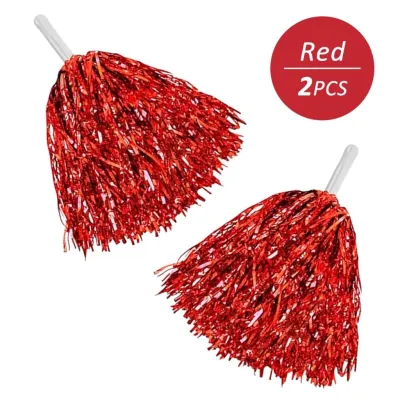
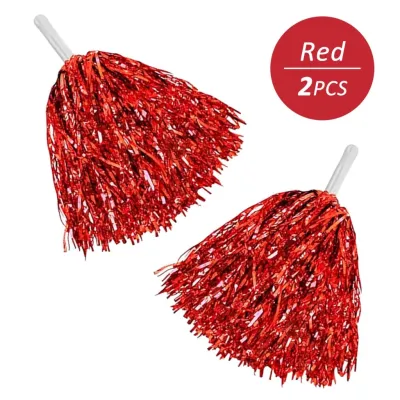
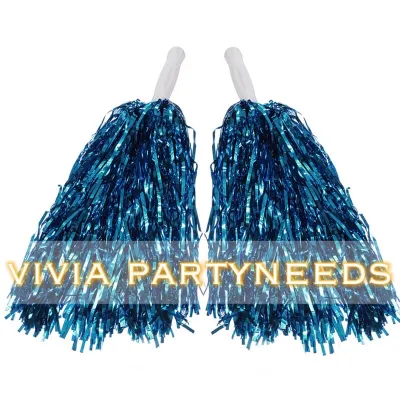
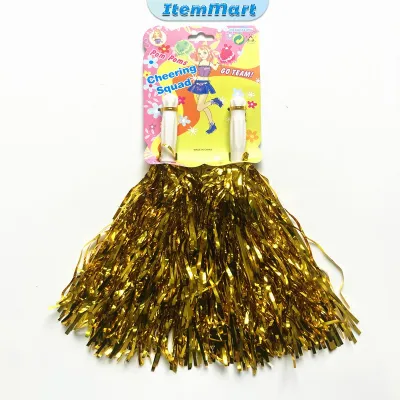
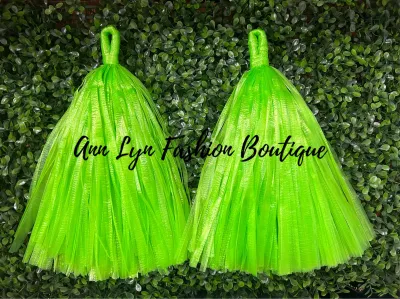
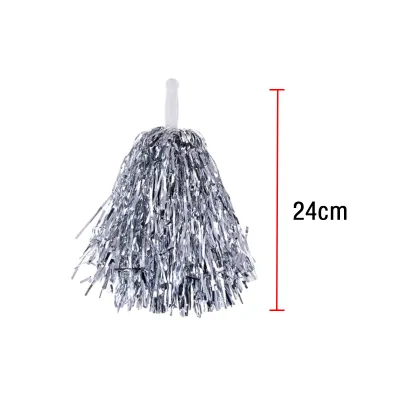
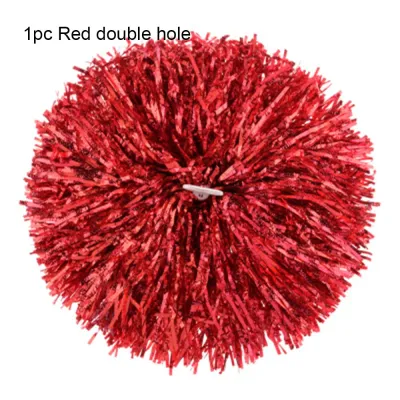
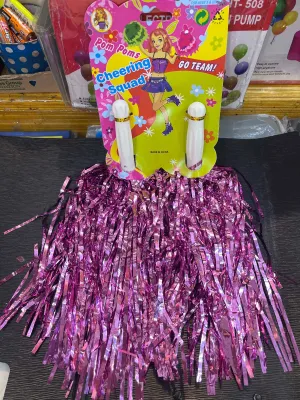
Prices are valid at publication and may change. Please refer to the product page for the latest price.
Lighting conditions also vary dramatically between these environments. Outdoor games expose performers to intense, shifting, and omnidirectional natural sunlight. In tropical climates like the Philippines, the bright midday sun can create harsh shadows or produce overwhelming, washed-out reflections off low-grade materials. Indoor venues, however, utilize directional, colored, and dynamic artificial spotlights. These controlled lights can be used to highlight specific movements, but they can also cause blinding glare if the pom-pom materials are too reflective.
Environmental factors introduce additional challenges that directly affect how a pom-pom behaves in the air. Outdoor performances are subject to sudden wind gusts and high humidity, which can catch loose strands like a sail, ruining the sharp lines of a high-V or T-motion. Indoor spaces feature climate-controlled, still air where aerodynamic resistance is predictable and stable. These distinct variables dictate that outdoor pom-poms must prioritize physical volume, wind resistance, and high-impact reflective surfaces, while indoor dance pom-poms must focus on lightweight handling, light diffusion, and rapid maneuverability.
Best Pom-Pom Features for Outdoor Collegiate Stadiums
To command attention in a sprawling outdoor stadium, your equipment must be designed for maximum visibility and weather resistance. Standard indoor dance gear will simply disappear visually when used on a massive football field or track oval.

Size and Volume
Outdoor spaces naturally swallow small objects, making standard-sized dance poms look underwhelming from the stands. To create a cohesive visual block that registers from the highest bleachers, select pom-poms with a minimum strand length of 6 inches to 8 inches and a high strand count, typically containing 1,000 to 1,500 strands per pom-pom. This density ensures that even when viewed from 100 meters away, the team’s movements translate as bold, solid strokes of color rather than thin, wispy lines.
Material and Reflectivity
Pure metallic PET (polyethylene terephthalate) or specialized heavy-duty plastic-foil blends are the gold standard for outdoor games. Under direct sunlight, these materials act as thousands of tiny mirrors, scattering light across the stadium and creating a bright, flashing effect with every shake. Before purchasing, verify with the manufacturer that the metallic strands are waterproof and UV-resistant to prevent the colors from bleeding or fading during long, sunny afternoon games.
Wind and Weight Management
Strong winds can easily turn lightweight pom-poms into a tangled, floppy mess, ruining the sharp, clean lines of your choreography. Opt for pom-poms with a slightly heavier baton handle or a secure loop handle that allows the fingers to wrap tightly. The added weight of the handle and the density of the strands help the pom-pom cut through air resistance, maintaining a perfect spherical shape even during gusty outdoor routines.
Color Selection
Choose high-contrast, vibrant primary colors that stand out against green grass, dark running tracks, and blue skies. Solid colors or high-contrast dual-color patterns, such as royal blue and gold or forest green and white, work exceptionally well. Avoid dark, muddy tones or colors that match the stadium background, as they will blend into the crowd and lose their visual punch.
Ideal Pom-Pom Styles for Indoor Dance Competitions
Indoor dance competitions, particularly in pom and hip-hop categories, demand blindingly fast arm movements, intricate wrist rolls, and rapid transitions. In these settings, the focus shifts from raw size and volume to precision, speed, and subtle aesthetics.
Weight and Handling
Heavy outdoor pom-poms will quickly fatigue a dancer’s shoulders and slow down their execution during a high-tempo routine. Look for ultra-lightweight designs featuring thinner strand cuts, such as 3/16-inch or 1/4-inch widths, and compact handles that sit flush against the palm. This lightweight construction minimizes arm fatigue and allows for instantaneous directional changes, ensuring the entire team can hit their beats in perfect synchronization.
Lighting Interaction
Harsh spotlights can bounce off pure metallic pom-poms and temporarily blind the judges or the performers themselves, obscuring the clean execution of the routine. To prevent this, professional indoor dance teams prefer holographic, iridescent, or mixed-material pom-poms. Blending 50% metallic strands with 50% matte plastic strands softens the reflection, creating a sophisticated glow that defines the movement under spotlights without causing distracting glare.
Size and Proportion
In close-up indoor venues, pom-poms should function as clean extensions of the dancer’s hands rather than massive shields that hide their torso and face. Medium-sized pom-poms, typically featuring 4-inch to 5-inch strand lengths, are ideal. They provide enough visual impact to highlight formations while keeping the dancer’s body lines, angles, and posture fully visible to the judging panel.
Color and Aesthetics
Indoor stages allow for highly nuanced, creative color palettes that would get lost in a massive outdoor stadium. Multi-color gradients, neon accents, and custom tri-color mixes can be matched perfectly to the intricate details of the dance uniform. Under theatrical lights, these complex color schemes shift dynamically, adding depth and texture to every ripple and wave in the choreography.
Can You Use the Same Pom-Poms for Both Venues?
For many school athletic programs and dance troupes, purchasing multiple sets of specialized pom-poms may not fit within the annual budget. Understanding when you can compromise and when you must invest in separate pairs is crucial for managing costs without sacrificing performance safety or visual quality.
The Compromise Option
If purchasing two separate sets is not feasible, a mid-sized, medium-weight pom-pom is the best compromise. Look for a 5-inch strand length with a 50/50 mix of metallic and plastic strands, paired with a secure baton or plastic loop handle. This hybrid design offers decent visibility outdoors without being overly heavy or blinding under indoor spotlights.
When to Compromise
A single, versatile pair is perfectly fine for junior varsity squads, general school pep rallies, community parades, or off-season practice sessions. For these events, the primary goal is school spirit rather than technical dance scoring, making a budget-friendly, multi-purpose option highly practical. Standard budget-friendly options typically range from ₱300 to ₱600 per pair, making them accessible for general student activities.
When to Invest in Separate Pairs
For elite competitive varsity cheer squads preparing for major national or collegiate championships, and specialized dance troupes, compromising is highly discouraged. Using heavy outdoor pom-poms during an indoor dance routine will visibly slow down choreography, leading to synchronization errors and lower execution marks. Conversely, taking light, delicate indoor pom-poms to an outdoor stadium results in a washed-out visual presentation and poor wind control, making the routine look messy from the stands. For high-stakes competitions, investing in dedicated sets—ranging from ₱1,000 to over ₱2,500 for premium custom pairs—is a necessary step to secure top scores.
Care, Storage, and Handling Tips for Each Environment
Proper care and handling of your pom-poms not only extend their lifespan but also ensure they perform safely and look their best during high-stakes routines.
Outdoor Wind Strategies
When performing in windy outdoor stadiums, grip control is critical to prevent accidents. Dancers should practice wrapping their fingers fully around baton handles or securing loop handles high on the knuckles. Before taking the field, check that the handles are free of cracks or structural damage; a broken handle during a high-velocity routine can cause the pom-pom to fly off, posing a safety risk to nearby athletes. If a handle is cracked or strands are loose, stop use immediately to avoid injuring or blinding a teammate during a stunt or throw.
Sun and Heat Care
High tropical heat can warp or melt plastic and metallic strands if they are left exposed for too long. Never leave your pom-poms in a hot car trunk or under direct sunlight during long breaks between games. Store them in a shaded, well-ventilated area to prevent the adhesive or plastic strands from degrading, melting, or losing their bounce.
Indoor Storage and Transport
To keep indoor dance pom-poms looking full and “fluffed,” avoid stuffing them carelessly into cramped gear bags. Use dedicated, breathable pom bags or hang them by their handles during transport. If strands become bent or crushed, gently shake them out and run your fingers through them to restore their natural spherical shape.
Cleaning Guidelines
Outdoor dust, grass stains, and indoor stage makeup can quickly dull the appearance of your pom-poms. Always check the manufacturer’s care label before applying any cleaning agents. For safe, reversible cleaning, gently wipe the strands with a damp microfiber cloth dipped in a mild, highly diluted dish soap solution, then hang them to air dry completely away from direct heat sources. Never submerge the handles if they contain internal metal dowels or hardware that could rust, and avoid harsh chemical solvents that can strip the metallic coating.
Community discussion
Share your experience or ask a question. Comments are reviewed before publication.