
Finding the ideal bicycle exercise machine for a compact condominium in the Philippines requires balancing your fitness goals with the realities of limited floor space. In urban areas like Metro Manila, Cebu, or Davao, where studio and one-bedroom units often range between 20 and 40 square meters, every square inch of floor space is valuable. The best exercise bike for a small condo is one that minimizes its physical footprint, operates quietly enough to keep peace with your neighbors, and withstands the challenges of a tropical climate. By selecting a machine tailored to these spatial and environmental constraints, you can maintain an effective daily cardio routine right in your living room without cluttering your home.
Measuring Your Condo Space: Machine Footprint vs. Active Space
Before browsing online marketplaces or visiting local fitness showrooms, you must accurately assess the physical space where your bicycle exercise machine will sit. Many buyers make the mistake of looking only at the dimensions of the machine when it is stationary and boxed. In reality, you must plan for two distinct measurements: the machine footprint and the active footprint. The machine footprint is the static floor area the bike occupies when not in use. The active footprint, however, is the actual space required for safe, comfortable operation. This includes the lateral space needed for your knees and elbows to move freely, the clearance behind the seat for mounting and dismounting, and the vertical clearance for your head and upper body when riding.
To map out your space, start by clearing the designated corner or room. Use a physical measuring tape to mark the length and width of the bike’s base directly on the floor. Next, add at least 30 to 50 centimeters of buffer space on all sides. This clearance ensures that you do not scrape your knuckles against a wall or bump into nearby furniture during high-intensity sessions. If you are considering an upright bike or an indoor cycling bike where you might stand up on the pedals (climbing position), measure your ceiling height. Standard Philippine condo ceilings can sometimes be low, especially in older buildings or units with dropped gypsum ceilings for air conditioning ducts. Ensure there is enough vertical clearance so your head does not come dangerously close to ceiling fans or light fixtures.
Products mentioned in this guide
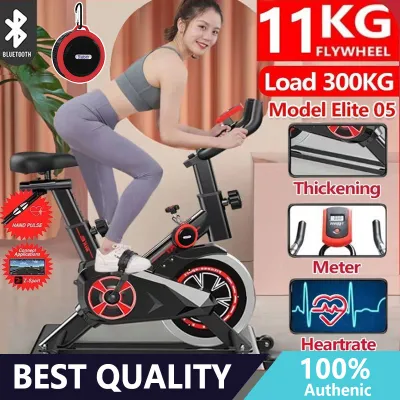
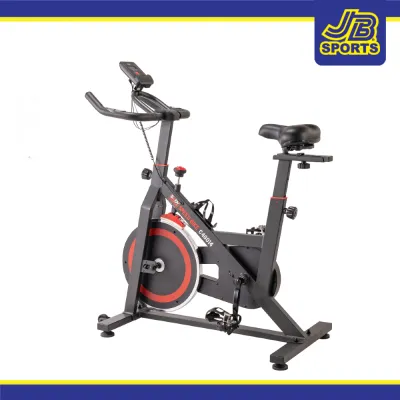
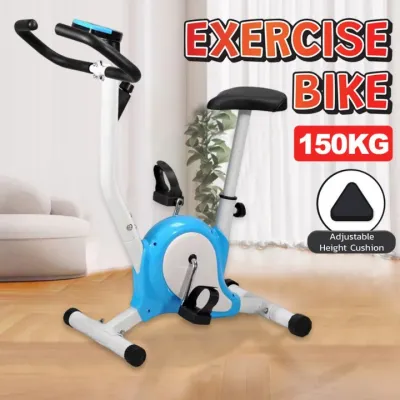
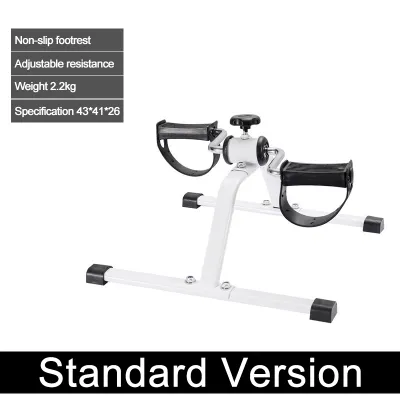
Prices are valid at publication and may change. Please refer to the product page for the latest price.
Ventilation clearance is another crucial factor that is often overlooked in enclosed spaces. Small condo rooms can heat up rapidly during a workout, trapping humidity and body heat. Your bike should be positioned to allow adequate airflow from your air conditioning unit, stand fan, or window. Proper ventilation not only keeps you comfortable but also prevents excessive sweat from dripping directly onto the bike’s electronic console and mechanical parts.
Finally, do not forget to measure the delivery path. Before placing an order, measure the width of your condo unit’s main doorway, the hallway corners, and the dimensions of the building’s passenger elevator. Many high-quality exercise bikes are delivered semi-assembled in large, heavy boxes. Ensuring these boxes can navigate the tight corridors of your building will save you from delivery-day headaches.
Choosing the Right Type of Compact Bicycle Exercise Machine
Not all compact exercise bikes are built the same way. The market offers several distinct designs, each catering to different fitness levels, storage preferences, and spatial limitations. Understanding these categories allows you to match your specific workout needs with the right machine architecture.

Foldable X-Bikes for Maximum Storage
Foldable exercise bikes, commonly known as X-bikes due to their scissor-like frame design, are the ultimate space-savers. These machines feature a central hinge that allows the frame to collapse inward, reducing the floor footprint by up to 50 percent when stored. This makes them highly popular for studio condos where the main living area must serve multiple purposes throughout the day. After your workout, you can easily fold the bike and roll it into a closet, behind a sofa, or next to a wardrobe.
However, this folding mechanism comes with clear engineering trade-offs. To remain lightweight and foldable, X-bikes generally feature lighter frames, which can result in a less stable feel during vigorous pedaling. They typically have lower maximum weight capacities and smaller flywheels, which limits the upper range of magnetic resistance. This makes foldable X-bikes best suited for casual riders, seniors, or those seeking light to moderate cardio rather than intense athletic training.
Compact Upright Bikes for Daily Cardio
Compact upright bikes offer a traditional cycling experience with a fixed, non-folding frame that is optimized for a small footprint. Because the frame is rigid, these bikes provide significantly better stability and durability than foldable models. They allow for a natural, upright riding posture that mimics a standard road bike, making them excellent for consistent, daily cardiovascular workouts.
While these bikes do not fold away, many compact models are designed with a very short base length, often measuring under one meter. They fit neatly into a dedicated corner of a bedroom or home office. The rigid frame also accommodates heavier flywheels and more robust magnetic resistance systems, allowing you to progress in your fitness journey without needing to upgrade to a larger machine.
Small-Footprint Indoor Cycling Bikes for High Intensity
For those who prefer high-intensity interval training (HIIT), virtual cycling apps, or spinning classes, a small-footprint indoor cycling bike is the ideal choice. These machines are engineered with heavy flywheels, manual or electronic magnetic resistance, and highly adjustable handlebars and seats. They are built to withstand out-of-the-saddle riding, where you stand up and pedal with maximum force.
To fit into smaller homes, manufacturers have developed compact spin bikes with shortened wheelbases and streamlined frame geometries. While these bikes occupy a relatively small physical base, they do require a larger active footprint. Because high-intensity riding involves significant forward and backward body movement, you must ensure there is ample clear space around the front handlebars and behind the saddle to prevent accidental collisions during fast-paced workouts.
Condo-Specific Features: Noise, Portability, and Humidity Resistance
Living in a multi-story condominium building introduces specific environmental and community considerations. Your choice of exercise equipment must not only fit your physical space but also respect your neighbors and withstand the local climate.
Drive Systems and Noise Control for Shared Walls
In a typical Philippine condo, walls and floors are often shared with neighbors, meaning acoustic privacy is a common concern. The noise and vibration generated by a bicycle exercise machine can easily transmit through concrete floors, leading to complaints. To prevent this, pay close attention to the bike’s resistance and drive systems.
Magnetic resistance systems are highly recommended for apartment living. Unlike friction resistance, which uses felt pads that rub against the flywheel and create a continuous hissing sound, magnetic systems use non-contact magnets to create resistance. This results in near-silent operation. Additionally, choose a belt-drive system over a traditional metal chain drive. Belt drives utilize a durable rubber belt to connect the pedals to the flywheel, eliminating the metallic clatter of a chain and significantly reducing vibration transfer to the floor below.
Mobility Features for Multi-Purpose Rooms
If your condo does not have a dedicated spot where the bike can sit permanently, portability becomes a non-negotiable feature. Look for machines equipped with high-quality transport wheels integrated into the front stabilizer bar. This allows you to tilt the bike forward and roll it easily from its storage spot to your active workout area.
When evaluating mobility, consider your condo’s flooring material. Many modern units feature laminate wood, engineered timber, or vinyl planks, which can scratch or dent under heavy loads. Ensure the transport wheels are made of a soft, non-marring material like polyurethane rather than hard plastic. Furthermore, look for adjustable leveling feet on the base. Condo floors are not always perfectly flat, and even a minor slope can cause a bike to rock during use, which damages both the floor and the machine’s frame.
Rust Prevention and Electronics in Tropical Climates
The tropical climate of the Philippines presents a unique challenge for fitness equipment. High relative humidity, combined with the salty air in coastal cities or the heavy sweat generated during indoor workouts, can quickly lead to rust and electronic failure. Without proper protection, steel frames can corrode, and digital consoles can short-circuit.
When shopping, prioritize bikes that feature a high-quality powder-coated steel or aluminum frame. Powder coating provides a thick, protective barrier that resists moisture and sweat better than standard liquid paint. Look for models with integrated sweat guards—plastic shrouds that cover the flywheel and magnetic assembly to divert sweat away from sensitive moving parts. For the electronic console, check if the manufacturer specifies moisture resistance. If you plan to use a tablet or phone for workout tracking, a bike with a simple, mechanical tablet holder is often more durable in humid conditions than one with a complex, built-in touchscreen that is susceptible to humidity damage.
Common Space-Planning Mistakes to Avoid Before Buying
Purchasing fitness equipment online based solely on product photos often leads to layout issues once the machine arrives. To ensure a seamless integration into your condo, avoid these common space-planning pitfalls.
One of the most frequent errors is measuring only the static footprint of the bike’s base stabilizers while ignoring the sweep of the moving parts. For example, the pedals extend outward beyond the frame width, and your feet will add several centimeters of lateral width when spinning. Similarly, the handlebars on some models can tilt forward, or the seat post may angle backward as it is raised for taller riders. Always calculate the maximum dimensions of the bike at its highest and widest adjustment settings.
Another mistake is placing the bike flush against a wall or in a tight alcove. While this might seem like an efficient use of space, it restricts your natural elbow and shoulder movement, leading to a cramped, uncomfortable riding posture. It also makes emergency dismounts highly dangerous. If you lose your balance or need to get off the bike quickly, you must have enough open space on at least one side to step off safely.
Power source placement is another critical detail that is frequently overlooked. Many modern exercise bikes with motorized magnetic resistance or smart connectivity require a continuous power supply. If you place the bike far from a wall outlet, you will be forced to run extension cords across your living space. In a compact condo, this creates an immediate tripping hazard and looks untidy. Plan your layout so the bike is positioned within safe reach of an outlet, or opt for a self-powered magnetic bike or a manual friction-resistance model if power access is limited.
Finally, do not underestimate the concentrated weight of the machine. An indoor cycling bike can weigh anywhere from 30 to 50 kilograms. When you add your body weight to this, the pressure exerted through the small leveling feet can easily leave permanent indentations in vinyl, laminate, or soft wood floors. Failing to use a proper protective barrier is a mistake that can result in costly floor repairs when you eventually move out or renovate.
Safe Setup and Maintenance for Apartment Environments
Once your bicycle exercise machine is delivered, taking the time to set it up correctly will protect your investment, ensure your personal safety, and maintain peace with your downstairs neighbors.
Begin the installation by placing a high-density, non-slip equipment mat on the floor. Avoid using standard yoga mats, as they are too soft and thin; they will quickly tear under the weight of the bike and fail to absorb heavy vibrations. A dedicated PVC or rubber equipment mat, typically 4 to 6 millimeters thick, distributes the weight of the bike evenly, protects your flooring from scratches, catches dripping sweat, and acts as a sound-dampening barrier.
Once the mat is in place, position the bike and use a spirit level to check its alignment. Adjust the leveling feet on the front and rear stabilizers until the bubble is perfectly centered. Even a tiny wobble can amplify noise and cause premature wear on the bike’s internal bearings. Tighten the locking nuts on the leveling feet securely to lock them in place.
Maintaining your bike in a tropical condo environment requires a simple but consistent routine:
- After every ride: Wipe down the entire frame, handlebars, seat, and console with a microfiber cloth slightly dampened with water or a mild, non-abrasive cleaning solution. This removes corrosive sweat salts before they can damage the finish.
- Weekly: Inspect the floor mat for sweat accumulation and clean the floor underneath to prevent moisture from getting trapped against your condo's flooring.
- Monthly: Check all structural bolts, especially the pedals, seat post adjustment knobs, and the folding hinge pins on X-bikes. Tighten any components that have vibrated loose over time.
- Bi-annually: If your bike uses a chain drive or mechanical friction pads, apply the manufacturer-recommended lubricant or check the wear on the felt pads.
If you ever notice unusual grinding noises, a sudden loss of resistance, or structural play in the folding hinge of an X-bike, stop using the machine immediately. Continuing to ride a malfunctioning bike can cause permanent damage or physical injury. Consult the manufacturer’s troubleshooting guide or contact a qualified local technician to inspect and service the machine.
Frequently Asked Questions (FAQ)
Can I keep an exercise bike on a condo balcony?
It is highly recommended to keep your exercise bike indoors. While a balcony might seem like a great way to save interior space, exposing the bike to the elements in the Philippines will rapidly shorten its lifespan. Rain, direct sunlight, salt air, and high outdoor humidity will cause metal frames to rust, plastic parts to degrade, and electronic consoles to fail. Unless your balcony is fully enclosed, glazed, and climate-controlled, keep the machine inside your main living area to maintain safety and warranty validity.
Do foldable exercise bikes support heavy riders?
Foldable exercise bikes can support a range of weights, but they generally have lower weight capacities than rigid-frame bikes. The central folding hinge is inherently a structural weak point under high loads. If you are a heavier rider, you must strictly verify the manufacturer’s stated maximum weight capacity before purchasing. Look for reinforced X-frames with wider stabilizer bars, or consider a compact, non-folding upright bike which offers superior structural integrity.
How do I protect my condo floor from sweat and scratches?
The most effective way to protect your floor is by placing a high-density rubber or PVC equipment mat directly under the bike. Standard yoga mats are too thin and compress completely under the weight of the machine, failing to prevent scratches or indentations. A dedicated fitness equipment mat will distribute the weight, absorb operational vibrations to reduce noise, and provide a waterproof barrier that catches sweat, making cleanup quick and easy.
Community discussion
Share your experience or ask a question. Comments are reviewed before publication.