
Finding the right fitness equipment for a high-rise home in the Philippines requires balancing workout efficiency with spatial constraints. In dense urban areas like Metro Manila, where studio and one-bedroom condominiums are the standard, bulky gym gear is rarely practical. A twist exercise machine offers an excellent solution for targeting the core, improving balance, and enhancing rotational mobility without consuming valuable floor space. However, not all twist machines are suited for the unique environment of a condominium. To make an informed purchase, you must evaluate how these devices interact with your living space, your flooring, and your neighbors.
Key Features to Look for in Condo-Friendly Twist Machines
When setting up a home gym in a limited layout, measuring the static footprint of the machine is only the first step. You must also calculate the dynamic clearance required during use. As you twist, your arms swing, your hips rotate, and your upper body shifts. Operating a twist exercise machine too close to walls, glass sliding doors, or delicate furniture can lead to accidental collisions. A safe practice is to establish a clear zone of at least one meter in all directions around the machine. Before buying, check the manufacturer’s base dimensions and physically map them out on your floor using painter’s tape to visualize the actual space the machine will occupy during a workout.
Multi-story condo living requires mindfulness of noise transmission. The rapid, repetitive rotational movements of a twist machine can cause the base to shift slightly, creating friction against the floor. On common condo flooring materials like laminate wood, engineered vinyl planks, or polished ceramic tiles, this friction can result in unsightly scratches or scuffs. Furthermore, the vibrations from your movements can travel through the concrete slab, disturbing neighbors living directly below you. To mitigate this, prioritize machines equipped with non-slip, non-marking rubber feet. Additionally, always place a high-density PVC or natural rubber exercise mat beneath the machine to absorb vibrations, dampen sound, and lock the equipment securely in place.
Products mentioned in this guide
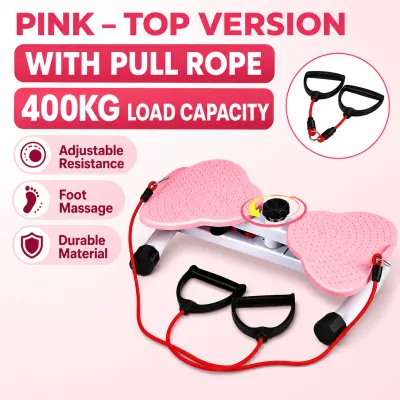
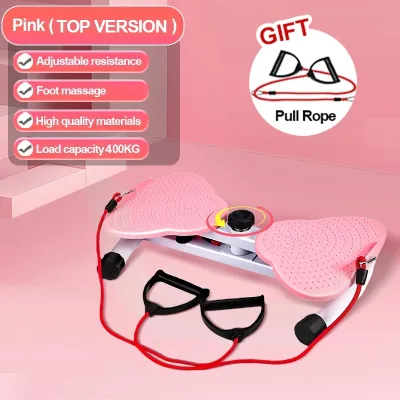
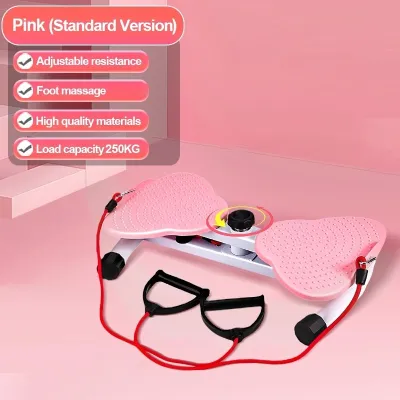
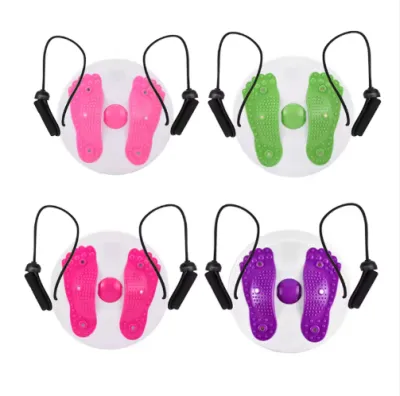
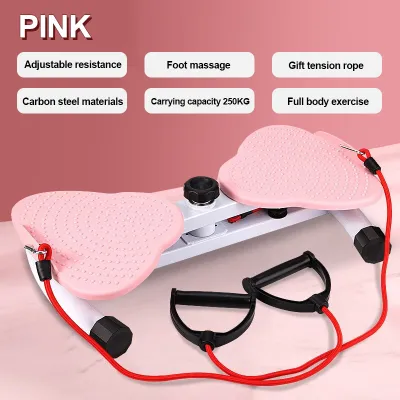
Prices are valid at publication and may change. Please refer to the product page for the latest price.
A key advantage of condo-friendly fitness gear is the ability to tuck it away when not in use. If your living room doubles as your home office and workout space, your equipment should be easy to hide. Look for low-profile designs that can slide horizontally under a sofa or bed frame, which typically requires a clearance height of less than 15 centimeters. For larger mechanical models, verify the folding mechanism. High-quality machines utilize quick-release pins or folding hinges that allow the frame to collapse flat. Lightweight materials, such as reinforced aluminum or high-grade ABS plastic, make the equipment easier to lift and transport without straining your back.
Compact design should never compromise structural safety. Because space-saving machines often use lighter frames, verifying their weight capacity is critical. Always check the manufacturer’s product label or user manual for the certified maximum weight limit. Exceeding this limit can warp the internal bearings, degrade the resistance mechanisms, or cause the base to tip over during use. For standing twist boards, your height also plays a role in stability; taller users have a higher center of gravity, which requires a wider, more stable base to prevent tipping.
Types of Space-Efficient Twist Exercise Machines
Understanding the different categories of twist equipment helps you match the right machine to your fitness goals and spatial limits. These devices range from simple, passive discs to complex, resistance-based mechanical systems. While some focus purely on balance and core mobility, others integrate upper-body resistance to provide a full-body workout. The trade-off generally lies between portability and workout intensity: smaller devices are incredibly easy to store but offer limited resistance, whereas larger machines provide adjustable workloads at the cost of a larger physical footprint.

Low-Profile Waist Twisting Discs
Waist twisting discs represent the most compact category of rotational fitness gear. Consisting of two flat plates connected by a central rotating track with internal ball bearings, these discs have a footprint barely larger than a pair of shoes. They require virtually zero setup time and can be stored in a drawer, on a bookshelf, or flat under a couch. Because they rely entirely on your body weight and active core engagement, they do not feature adjustable mechanical resistance.
When shopping for a twisting disc, pay close attention to the quality of the internal bearings; smooth, quiet rotation is essential for a fluid workout. Additionally, look for models with textured, non-slip surfaces or integrated magnetic nodes that provide secure traction for your feet, especially in the humid tropical climate of the Philippines where sweat can make smooth plastic surfaces slippery.
Standing Twist Boards with Resistance Bands
For those looking to increase workout intensity without sacrificing floor space, standing twist boards with attached resistance bands are an excellent middle ground. These machines feature a standard twisting base but include anchor points for elastic cords or latex resistance bands with handles. This design allows you to engage your biceps, shoulders, and upper back simultaneously while your core works to stabilize your lower body against the rotational movement.
When evaluating these boards, inspect the band attachment points carefully; they should feature heavy-duty metal carabiners or reinforced nylon loops rather than cheap plastic clips. Keep in mind that using resistance bands requires adequate vertical clearance. Ensure your condo’s ceiling height allows you to perform overhead presses or lateral raises while standing on the board without hitting light fixtures or ceiling fans.
Foldable or Compact Seated Torso Rotators
If you prefer a structured, low-impact workout that targets the obliques with precise mechanical resistance, a compact seated torso rotator is the ideal choice. These machines feature a padded seat that rotates against an adjustable resistance system—usually magnetic or friction-based—while you hold onto stationary handlebars to isolate your core. This seated position reduces stress on the knees and ankles, making it highly suitable for users recovering from joint issues.
While these machines have a larger static footprint than simple discs, many modern designs feature a foldable frame that collapses into a vertical profile for easy storage in a closet or utility area. Before purchasing, verify the folded dimensions and check the adjustability of both the seat height and the backrest to ensure proper spinal alignment during your workouts.
How to Integrate and Store Twist Machines in Small Apartments
Living in a compact condominium requires creative spatial management to keep your home feeling organized and clutter-free. Integrating a twist exercise machine into your daily routine is much easier when the equipment has a designated home that does not interfere with your living space. For ultra-compact twisting discs, consider placing them near your standing desk or work area. This allows you to step onto the disc for a quick five-minute active break during long working hours, promoting circulation and relieving lower back stiffness without requiring a dedicated workout setup.
If you use a model with detachable resistance bands, utilize vertical storage solutions to keep your space tidy. Installing heavy-duty adhesive hooks on the inside of a closet door or using dedicated storage baskets can keep bands, mats, and accessories organized and out of sight. For larger, foldable seated machines, store them vertically in the gap between your wardrobe and the wall, or behind a decorative room divider. Establishing a quick, consistent setup and teardown routine—taking no more than two minutes—ensures that your fitness gear remains highly accessible, which is key to maintaining a consistent exercise habit in a small home.
Safety, Weight Limits, and Maintenance Checks
To ensure the longevity of your twist machine and protect yourself from injury, regular safety and maintenance checks are essential. Always cross-reference your body weight with the manufacturer’s certified load rating before starting any exercise program. Operating a machine near or over its weight limit accelerates wear on the internal components and increases the risk of structural failure.
The tropical climate of the Philippines, characterized by high humidity and ambient salt air in coastal cities, can accelerate the degradation of fitness equipment. Sweat is highly corrosive to metal parts and can cause rubber resistance bands to dry out and crack over time. After every workout, wipe down the entire machine with a damp microfiber cloth and dry it thoroughly to prevent rust and material breakdown. Regularly inspect the rotational bearings for smooth movement; if you notice any grinding, clicking, or uneven resistance, stop using the machine immediately. Keep the rotation track free of dust, lint, and pet hair, as debris can easily jam the internal ball bearings and ruin the smooth gliding motion.
Frequently Asked Questions (FAQ)
Can twist exercise machines damage condo flooring?
Yes, dynamic twisting movements can cause the base of the machine to shift slightly, creating friction that can scratch or scuff delicate condo flooring like laminate wood, vinyl, or polished tiles. To prevent this damage and reduce noise transmission to the unit below, always place a high-density rubber or PVC exercise mat underneath your machine to absorb vibrations and keep the base securely in place.
Are waist twisting discs effective for core workouts?
Waist twisting discs are highly effective for improving rotational mobility, balance, and activating the oblique muscles. However, they should be used to complement a comprehensive core routine rather than serve as a total replacement for traditional exercises like planks, bird-dogs, and deadbugs, which build deep structural core strength.
How much should I budget for a compact twist machine?
Budget considerations vary based on the machine’s complexity and build quality. Basic plastic twisting discs are highly affordable, typically costing under ₱1,000. Mid-range boards with integrated resistance bands generally range from ₱1,000 to ₱3,000. Robust, foldable seated torso rotators with adjustable magnetic resistance require a higher investment, often exceeding ₱5,000. When shopping on a budget, prioritize high-quality steel bearings and a stable base over digital consoles or smart features.
Community discussion
Share your experience or ask a question. Comments are reviewed before publication.