
In the Philippines, where high-impact sports like basketball, volleyball, running, and badminton dominate both local barangay courts and major urban arenas, athletes frequently face the challenge of ankle instability and muscle fatigue. Finding the right gear to manage these physical demands is essential for maintaining peak performance and avoiding downtime. This is where specialized compression socks ankle support solutions become highly valuable. These hybrid garments merge the circulatory benefits of graduated compression with targeted structural reinforcement to stabilize the ankle joint during lateral cuts, sudden jumps, and long-distance road runs.
To choose the best option for your athletic needs, you must evaluate key technical specifications, including precise compression levels, moisture-wicking synthetic materials suitable for hot and humid climates, and specific joint-stabilizing features. This guide walks you through the essential technical criteria, design variations, and fit protocols to ensure your gear provides both safety and performance on the field or court. By understanding how these features function together, you can make an informed decision that protects your joints while keeping you active.
Why Athletes Need Combined Compression and Ankle Support
Understanding the distinct roles of compression and joint support is the first step in selecting the right athletic gear. Standard compression garments apply graduated pressure to the lower limbs, meaning the pressure is tightest at the ankle and gradually decreases as it moves up the calf. This anatomical pressure gradient promotes venous return, helping deoxygenated blood flow back to the heart more efficiently. Consequently, this process reduces muscle vibration during impact, delays the onset of fatigue, and accelerates post-workout recovery by clearing metabolic waste from muscle tissues.
Products mentioned in this guide
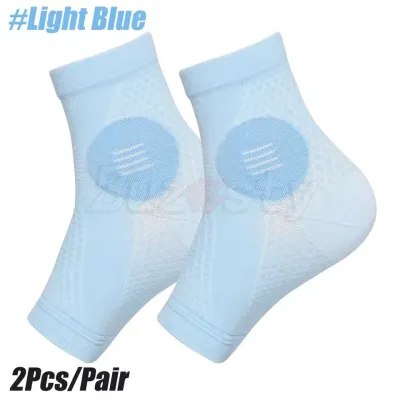
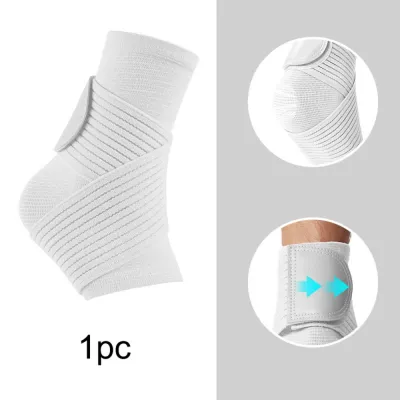
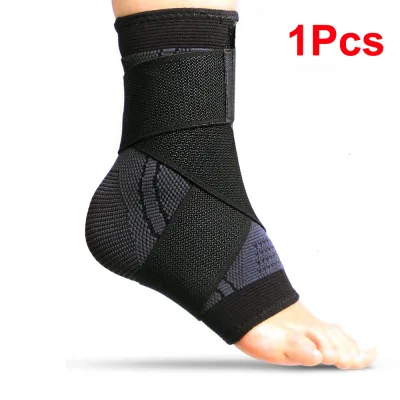
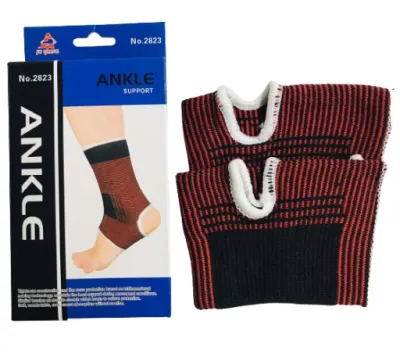
Prices are valid at publication and may change. Please refer to the product page for the latest price.
In contrast, targeted ankle support focuses on structural reinforcement and joint stabilization. It specifically targets the ligaments—such as the anterior talofibular ligament—and the tendons surrounding the ankle joint. By applying localized tension, these supportive zones provide mechanical stability and enhance proprioception, which is your body’s subconscious awareness of joint position in space. Improved proprioception allows your nervous system to detect micro-instabilities faster, enabling your muscles to fire rapidly to correct your balance and prevent minor rolls or sprains before they occur.
In the Philippines, athletic activities demand dynamic, multi-directional movements. Basketball, volleyball, and badminton require rapid lateral cuts, sudden deceleration, and repetitive jumping on hard concrete or wooden courts. These actions place immense shear stress on the ankle joint, making it highly susceptible to inversion injuries. Similarly, long-distance road runners and trail runners navigating uneven provincial terrains face repetitive impact that can fatigue the stabilizing muscles of the lower leg over time. Hybrid compression socks with built-in ankle support serve these specific demands by keeping the joint aligned during dynamic movements and minimizing the micro-tears in muscle fibers that lead to post-exercise soreness.
However, it is critical to recognize that while these specialized socks provide valuable stability and comfort, they are not magic solutions. They do not replace structured strength training, thorough warm-ups, or professional medical rehabilitation. If you are returning to activity after a mild ankle roll, these garments can aid your recovery phase and provide confidence. Yet, relying solely on a compression garment without addressing underlying ligament laxity or muscle weakness through targeted physical therapy can increase your risk of chronic joint instability.
Key Specifications to Evaluate Before Purchasing
When shopping for compression socks ankle support features, evaluating technical specifications is crucial to finding a pair that delivers actual physiological benefits. The first specification to analyze is the compression level, which is measured in millimeters of mercury (mmHg). Compression garments generally fall into specific ranges:

- Mild Compression (15–20 mmHg): This level is ideal for daily athletic training, recovery, and long travel times. It offers a gentle squeeze that keeps muscles warm and promotes blood flow without feeling overly restrictive or difficult to put on.
- Moderate to Firm Compression (20–30 mmHg): This range provides more robust joint stabilization and is highly beneficial during intense competitive matches or high-impact road runs. It helps manage mild swelling and provides a more pronounced supportive feel around the ankle joint.
- Firm to Extra-Firm Compression (30+ mmHg): These are medical-grade compression levels designed to treat severe circulatory issues or post-surgical swelling. They should only be worn under the direct guidance of a doctor or physical therapist, as improper use can impede blood flow.
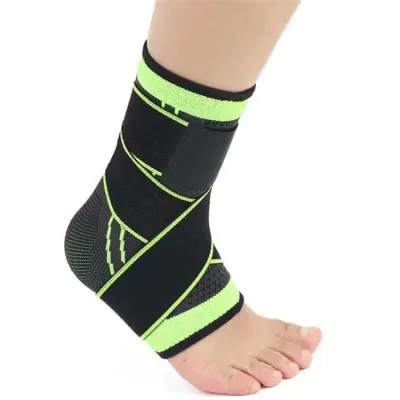
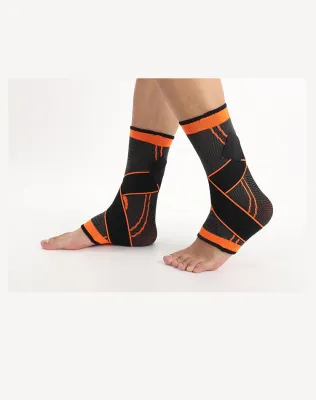
The second critical specification is the specific ankle support mechanism integrated into the sock. True ankle-supporting compression socks go beyond tight knitting; they feature engineered structural elements designed to mimic athletic taping. Some premium models incorporate figure-eight cross-straps or targeted compression bands woven directly into the fabric, wrapping under the arch and around the ankle to lock the heel in place. Silicone heel grips or anatomical padding around the lateral and medial malleoli (the bony bumps on either side of your ankle) provide localized compression and prevent the sock from shifting inside your shoe, maintaining consistent support throughout your workout.
Finally, the material composition and breathability are paramount, especially given the tropical climate of the Philippines. High humidity and high ambient temperatures mean that heavy cotton or poorly ventilated fabrics will trap sweat against your skin. This trapped moisture leads to severe skin irritation, friction blisters, and fungal infections like athlete’s foot. When selecting compression socks ankle support models, prioritize high-performance synthetic blends such as nylon, polyester, and elastane (Spandex). These materials utilize capillary action to pull moisture away from your skin to the outer layer of the fabric, where it can evaporate quickly. Anti-odor treatments, such as silver-ion infusions, are also highly beneficial for maintaining hygiene during long training sessions in humid conditions.
Common Designs for Ankle-Supporting Compression Gear
Athletes have different preferences when it comes to footwear fit and joint feel, which has led to several common designs for ankle-supporting compression gear. Understanding these formats allows you to choose the style that best matches your sport, footwear, and comfort preferences.
Integrated Compression Socks
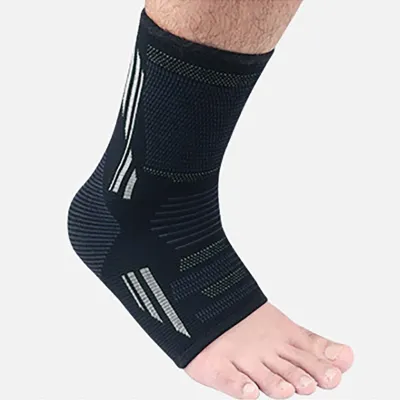
These are all-in-one garments that combine a standard sock structure with reinforced ankle zones. They are highly convenient, slipping on just like regular athletic socks while providing graduated calf compression and targeted joint wrapping. Many integrated designs feature specialized elastic bands that cross over the ankle in a figure-eight pattern. This style is excellent for runners and court players who want a streamlined fit inside their standard athletic shoes without the bulk of separate braces.
Compression Sleeves with Ankle Stirrups
For athletes who have highly specific preferences for their foot-to-shoe contact, footless compression sleeves with ankle stirrups are an excellent alternative. These sleeves cover the calf and extend down to the ankle, anchoring securely with a thin strap or stirrup that wraps under the arch of the foot. This design leaves the toes and heel exposed, allowing you to wear your favorite, broken-in athletic socks underneath or over the sleeve. It is a popular choice among football players and trail runners who require specific grip and cushioning profiles on the soles of their feet.
The Layering Approach
Some athletes choose to layer standard graduated compression socks underneath a dedicated, low-profile ankle brace. While this combination offers maximum structural stability for individuals returning from moderate sprains, it requires careful management. The added bulk can significantly alter how your foot fits inside your athletic shoes, potentially pinching your toes or causing friction blisters. Furthermore, layering two tight garments can create localized pressure points that restrict blood flow. If you choose this route, ensure your shoes have enough volume to accommodate the extra layers, and regularly check your skin for signs of excessive pressure.
How to Measure and Verify the Correct Fit
To achieve the therapeutic and stabilizing benefits of compression socks ankle support, obtaining an accurate fit is non-negotiable. Do not guess your size based on shoe size alone, as compression garments rely on limb circumference rather than foot length to deliver the correct pressure gradient. Use a flexible measuring tape to take three key measurements, preferably in the morning when swelling is minimal:
- Ankle Circumference: Measure the narrowest part of your ankle, located just above the ankle bone.
- Calf Circumference: Find the widest part of your calf muscle and wrap the tape horizontally around it.
- Foot Length: Measure from the back of your heel to the tip of your longest toe to ensure the footbed of the sock aligns correctly with your anatomy.
Once you have purchased your socks, verify the fit through visual and tactile checks. A properly fitted compression sock should feel snug, evenly distributed, and supportive across your entire lower leg. There should be no painful pinching, nor should the fabric bunch up behind the knee or around the ankle crease, as bunching can create a tourniquet effect that restricts circulation. The top band should rest comfortably below the knee without rolling down or digging deeply into your skin.
Your safety must always come first when using compression gear. If you experience numbness, a “pins and needles” tingling sensation, coldness in your toes, or a noticeable blue or pale discoloration of your toenails, the compression level is too high or the sock is too small. Immediately remove the garment to restore normal blood flow. Do not attempt to “break in” an overly tight compression sock; consult a healthcare professional or physical therapist to find a size or compression level that is safe for your cardiovascular health and physical anatomy.
Safe Purchasing Channels and Authenticity Checks in the Philippines
To ensure you are purchasing genuine, high-quality compression gear rather than cheap imitations that offer no actual support, buy directly from reputable sources. In the Philippines, look for official brand websites, authorized physical sports retailers in major metropolitan malls, or verified flagship stores on major online marketplaces. Avoid unverified third-party sellers offering generic products at suspiciously low prices, as these items often lack the necessary elastane quality to maintain consistent tension and will quickly lose their elasticity after a few washes.
When evaluating a product, inspect the packaging and labeling carefully. Authentic sports-grade and medical-grade compression socks will explicitly state their compression rating (such as 15–20 mmHg or 20–30 mmHg) and provide a detailed material composition (e.g., 80% Nylon, 20% Spandex). Be wary of products that use vague marketing buzzwords like “maximum support” or “miracle healing” without listing technical specifications or sizing charts based on physical measurements.
Because compression socks are intimate athletic apparel, most retailers enforce strict sanitary policies. Once a compression garment has been opened, tried on, or stretched, it typically cannot be returned or exchanged due to hygiene regulations. This makes precise pre-purchase measurement even more critical. Always review the specific return and exchange terms of the local retailer or online platform before finalizing your purchase to understand your options if the unopened package contains the wrong size.
Frequently Asked Questions (FAQ)
Can I wear ankle support compression socks all day?
The safe duration for wearing compression socks depends on their specific mmHg rating and your overall circulatory health. While mild compression socks (15–20 mmHg) are generally safe for extended wear during long flights or recovery days, you should avoid wearing them while sleeping, as your horizontal body position naturally changes your blood circulation dynamics. If you experience any discomfort, swelling, or skin irritation, remove them immediately. Consult a medical professional before wearing moderate or high-compression socks for consecutive hours.
Do compression socks replace a rigid ankle brace for severe injuries?
No, compression socks with ankle support are designed for mild joint stabilization, improved proprioception, and muscle recovery. They do not provide the mechanical immobilization required to heal severe injuries such as high ankle sprains, complete ligament tears, or bone fractures. If you have suffered a severe trauma, you must use a rigid, structured ankle brace or orthopedic boot as prescribed by a qualified physician or physical therapist.
Community discussion
Share your experience or ask a question. Comments are reviewed before publication.