
Building a beginner home gym in the Philippines does not require a massive budget or a room full of heavy metal machines. For those starting their fitness journey, focusing on versatile, space-saving accessories is the most practical approach. Choosing essential gear from Cris Sports—specifically a reliable yoga mat, a set of resistance bands, an adjustable jump rope, and a pair of protective workout gloves—provides a complete, high-utility toolkit to kickstart your strength, cardio, and mobility routines right at home. These four accessories form a cohesive system that targets every major muscle group while fitting easily into a small apartment or bedroom.
Why Cris Sports is a Practical Choice for Beginners
Cris Sports has established itself as a highly accessible and trusted retailer for fitness enthusiasts across the Philippines. With physical stores located in major commercial hubs from Metro Manila to Cebu and Davao, as well as a robust online presence, finding their gear is incredibly straightforward for local shoppers. For beginners, this widespread availability means you can easily examine products in person or order online with reliable local shipping, avoiding the long wait times and high shipping fees of international platforms.
The brand’s curated selection of entry-level accessories strikes an ideal balance between affordability and functional durability. When you are just starting out, investing thousands of pesos in commercial-grade gym equipment is rarely necessary or practical. Instead, these starter accessories offer a cost-effective entry point that allows you to establish a consistent exercise habit without a heavy financial burden. They are engineered to withstand the typical wear and tear of daily home workouts, making them highly resilient for foundational movements.
Products mentioned in this guide
Prices are valid at publication and may change. Please refer to the product page for the latest price.
However, it is important to set realistic expectations when purchasing beginner-friendly gear. While these accessories are excellent for bodyweight support, moderate cardiovascular training, and progressive resistance, they are not designed to replace heavy-duty Olympic barbells or professional-grade studio equipment. Recognizing this distinction helps you select the right tools for your current fitness level, ensuring you get maximum value out of your investment as you build your physical capacity.
Top Cris Sports Accessory Categories to Start Your Routine
Selecting the right gear requires understanding how each accessory supports your physical development. By focusing on specific selection criteria such as material, size, and resistance levels, you can customize your starter kit to match your body type, fitness goals, and home environment.

Yoga Mats: Choosing the Right Thickness and Grip
A high-quality yoga mat is the foundation of any home gym, serving as your primary contact point with the floor during floor exercises, core workouts, and stretching. When selecting a mat, thickness is one of the most critical factors to consider. Standard mats, typically around 3mm to 5mm thick, offer excellent stability and a firm connection to the ground, which is highly beneficial for balance-heavy poses and standing exercises. Conversely, extra-thick mats ranging from 6mm to 10mm provide enhanced cushioning for sensitive joints, protecting your knees, elbows, and spine from hard tile or concrete floors common in Filipino households.
In the tropical climate of the Philippines, humidity and sweat management are vital considerations for maintaining a safe workout environment. You must evaluate the surface texture and material properties of the mat to ensure adequate slip resistance. Look for mats featuring textured non-slip patterns on both the top and bottom surfaces, which help prevent the mat from sliding across smooth floors and keep your hands and feet secure when you sweat. Closed-cell materials like TPE (Thermoplastic Elastomer) or high-density PVC are excellent for hygiene, as they resist moisture absorption and are easy to wipe clean after a humid training session.
Before finalizing your purchase, take a moment to measure your designated workout space at home. Ensure the mat’s dimensions comfortably fit within your available floor area without hitting furniture or walls. A standard mat size of approximately 68 inches long and 24 inches wide suits most beginners, but taller individuals may want to look for extended-length options to ensure their entire body remains supported during floor-based routines.
Resistance Bands: Selecting Tension Levels for Starter Strength
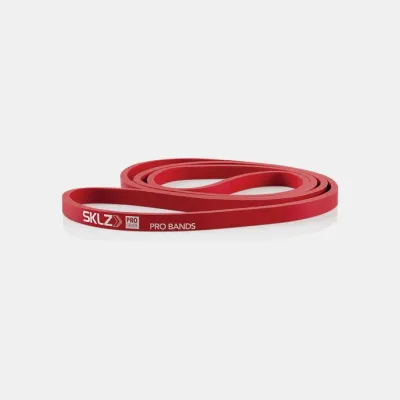
Resistance bands are an exceptionally versatile alternative to bulky dumbbells, offering progressive tension throughout an exercise’s entire range of motion. For a well-rounded beginner routine, it is helpful to understand the structural differences between loop bands and tube bands. Mini loop bands are flat, continuous loops primarily designed for lower-body activation, lateral movements, and glute activation. On the other hand, longer pull-up loop bands or resistance tubes equipped with handles and door anchors are ideal for mimicking traditional cable machine exercises, allowing you to perform upper-body pushing and pulling movements like chest presses and rows.
Most resistance bands utilize a color-coded tension system to indicate different levels of resistance, typically ranging from extra-light to extra-heavy. As a beginner, you should always start with lighter resistance levels to master proper exercise form before attempting heavier tensions. Forcing your body to use a band that is too heavy can lead to compromised posture, joint strain, and a higher risk of injury. Choose a band that allows you to complete your targeted repetitions smoothly and under complete control, gradually moving up to the next color level as your strength improves.
Because resistance bands are subjected to high amounts of tension, regular safety inspections are mandatory to prevent sudden snaps. Before every single workout, stretch each band slightly and inspect the entire length for micro-tears, discoloration, small punctures, or structural wear, especially near the handles or anchors. If you detect any signs of damage or material fatigue, stop using the band immediately and replace it. Additionally, always check the manufacturer’s care instructions to ensure you are storing your bands away from direct sunlight and extreme heat, which can cause the latex or rubber to degrade rapidly in tropical conditions.
Jump Ropes: Finding the Right Length and Handle Comfort
Jump ropes offer an incredibly efficient and space-saving way to elevate your heart rate, burn calories, and improve coordination. To prevent tripping and maintain a smooth, consistent rhythm, you must ensure the jump rope is properly sized for your height. To measure your rope, stand on the center of the cable with one foot and pull the handles upward along the sides of your body; for beginners, the tips of the handles should reach comfortably to your armpits. Many modern ropes feature adjustable screw collars or clipping mechanisms that allow you to trim and lock the cable to your perfect length, eliminating the need to tie awkward knots that disrupt the rope’s spin.
The design and material of the handles play a significant role in hand fatigue and overall comfort during longer cardiovascular sessions. Ergonomically shaped handles made from lightweight materials like textured plastic, aluminum, or foam-wrapped grips help you maintain a secure hold even when your hands become sweaty. Foam grips are highly comfortable and absorb moisture well, though they require occasional cleaning to maintain hygiene. Harder, textured grips offer excellent tactile feedback and durability, making them a popular choice for high-intensity training.
When choosing your first rope, you will likely encounter basic PVC speed ropes and weighted options. Standard PVC ropes are lightweight, highly flexible, and turn at a moderate pace, making them the absolute best choice for beginners learning basic timing and footwork. Weighted jump ropes, which feature heavier cables or weighted handles, provide more physical feedback, helping you feel the rotation of the rope more clearly. However, because they require more shoulder and forearm strength to spin, it is generally recommended to start with a standard PVC rope to build coordination before transitioning to weighted models.
Workout Gloves: Ensuring Proper Fit and Palm Protection
Workout gloves are highly beneficial for protecting your hands from friction, preventing painful calluses, and improving your grip during bodyweight and resistance training. When evaluating gloves, pay close attention to the placement of the padding on the palm and the bases of the fingers. The padding should be strategically positioned over high-friction zones—specifically the upper palm directly below the fingers—to cushion your hands during pulling movements or floor-based exercises like push-ups. Look for moderate padding that offers protection without being so thick that it reduces your sensory connection to the floor or resistance bands.
Given the high humidity and warm temperatures in the Philippines, heat buildup inside workout gloves can cause discomfort and excessive sweating. To combat this, prioritize gloves designed with breathable mesh backings and open-finger configurations. These features allow air to circulate freely around your hands, keeping them cool and dry while preventing sweat from accumulating inside the glove. Proper ventilation not only enhances comfort but also helps prevent the development of unpleasant odors and bacterial growth over time.
To achieve the maximum benefit from your workout gloves, securing a precise fit is essential. Gloves that are too loose will slide around and cause friction, while gloves that are too tight can restrict blood circulation and limit hand movement. To find your correct size, use a flexible measuring tape to measure the circumference of your dominant hand around the knuckles, excluding the thumb. Compare this measurement against the manufacturer’s official size chart to select the perfect fit, ensuring the gloves feel snug yet comfortable when you make a fist.
Building a Beginner Workout Routine With Your New Gear
Combining these four accessories allows you to create a highly effective, full-body workout routine that can be completed in less than thirty minutes. Begin your session with a dynamic cardiovascular warm-up using your jump rope, aiming for three to five minutes of light, steady jumping to elevate your heart rate and warm up your lower-body joints. Next, transition to your primary strength-building block using resistance bands. You can perform exercises such as band squats, standing bicep curls, and door-anchored chest presses, completing three sets of ten to twelve repetitions for each movement to stimulate muscle development.
After finishing your strength work, move to your yoga mat for core-focused exercises and a thorough cool-down. The cushioned surface of the mat is perfect for planks, bird-dogs, and abdominal crunches, protecting your spine and joints from the hard floor. Conclude your routine with five minutes of static stretching on the mat, focusing on your hamstrings, shoulders, and back to promote recovery and flexibility. This structured progression ensures you cover cardiovascular health, muscular strength, and mobility in a single, streamlined session.
Knowing when to wear your workout gloves can further optimize your training comfort and performance. Wear your gloves during high-friction activities, such as heavy resistance band pulling or floor-based push-ups, where your palms are subjected to constant pressure and rubbing. However, consider performing some lighter movements or basic stretching bare-handed to help build natural grip strength and improve hand dexterity. Always listen to your body during your workouts, and do not hesitate to adjust your band tension or reduce your jump rope duration if you feel excessive fatigue or joint discomfort.
Smart Buying and Maintenance Tips for Home Gym Gear
To ensure you are purchasing genuine, high-quality Cris Sports accessories, always buy directly from authorized physical retail stores or their official online marketplaces in the Philippines. Purchasing from unverified third-party sellers increases the risk of acquiring counterfeit products that may fail under stress, presenting a safety hazard during your workouts. When your new gear arrives, take a moment to read the product labels and packaging for specific material compositions and manufacturer care instructions. Following these guidelines ensures you do not inadvertently damage the materials during use or cleaning.
Proper maintenance is key to extending the lifespan of your home gym accessories and keeping them hygienic. For your yoga mat, establish a routine of wiping it down after every session with a damp cloth and a mild, diluted soap solution; avoid harsh chemicals that can degrade the non-slip surface texture. Never submerge your mat in water or leave it to dry in direct sunlight, as extreme heat can cause TPE or PVC to warp and crack. For workout gloves, hand wash them periodically in cold water with a gentle detergent, and allow them to air-dry completely in a well-ventilated, shaded area to prevent odor-causing bacteria from taking hold.
Frequently Asked Questions (FAQ)
How do I know which resistance band tension to start with?
When starting out, select a resistance band tension that allows you to complete 10 to 12 repetitions of an exercise with proper form, while feeling mild muscle fatigue on the final two repetitions. If you find your posture collapsing or your movements becoming jerky, the tension is too high, and you should switch to a lighter band. Prioritizing a full, controlled range of motion over heavy resistance is the most effective way to build baseline strength and protect your joints from injury.
Can I use a standard yoga mat for high-intensity interval training?
While a standard yoga mat is excellent for static floor exercises, core workouts, and stretching, it is not ideal for high-intensity interval training (HIIT) that involves rapid, high-impact movements. Dynamic exercises like burpees, mountain climbers, or lateral jumps can cause standard mats to bunch up, stretch, or slide across the floor, increasing your risk of slipping. For high-impact routines, it is safer to perform exercises directly on a stable, non-slip floor surface, or invest in a high-density, heavy-duty exercise mat specifically designed to absorb dynamic impacts.
Community discussion
Share your experience or ask a question. Comments are reviewed before publication.