
Finding the right swim gear for your child in the Philippines requires balancing practical storage with the challenges of a highly humid tropical climate. Decathlon, through its dedicated swimming brand Nabaiji, offers a versatile range of children’s swimming bags designed to handle wet towels, chlorinated gear, and sandy beachwear. To choose the best option, you must evaluate how your child travels to the pool, the amount of gear they carry, and how well the bag manages moisture. A well-chosen bag not only keeps their swimming essentials organized but also prevents damp odors from ruining other belongings during the commute home.
Selecting a bag that fits your child’s physical build is just as important as choosing one with the right features. An oversized bag can cause physical strain, while a bag that is too small will force your child to pack their gear tightly, trapping moisture and causing wrinkles. By understanding the specific design categories Decathlon offers, you can find a durable, comfortable, and hygienic solution that matches your family’s active lifestyle.
Key Features to Look for in a Kids' Swim Bag
When selecting a swim bag, size and capacity must match your child’s physical build and their specific gear requirements. For younger children aged 4 to 8, a capacity of 7 to 10 liters is generally sufficient to hold a microfiber towel, a pair of goggles, a swim cap, and a change of dry clothes. Older children or those participating in competitive swim training may require a 15 to 30-liter bag to accommodate kickboards, pull buoys, and spare training suits. Always check the liter capacity listed on the product specifications rather than relying solely on visual size, as bag shapes can be deceptive.
Products mentioned in this guide
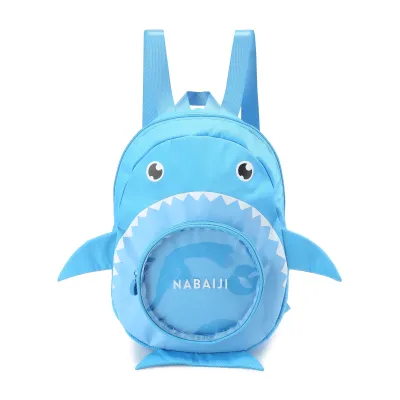
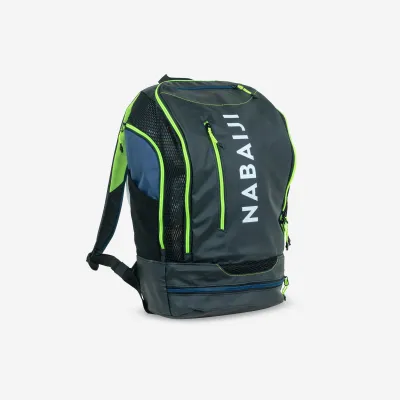
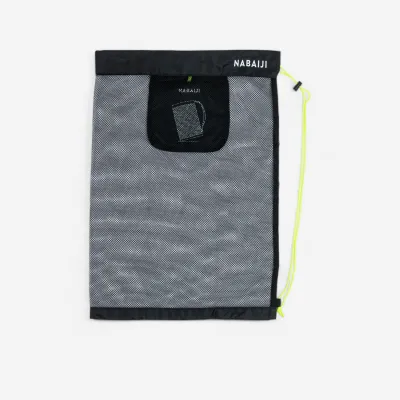
Prices are valid at publication and may change. Please refer to the product page for the latest price.
The tropical climate of the Philippines, characterized by high relative humidity, makes material selection a critical factor for hygiene and longevity. Swim bags generally fall into two material categories: highly breathable mesh and fully waterproof synthetics like polyester coated with polyurethane (PU) or thermoplastic polyurethane (TPU). Mesh bags allow maximum airflow, which is essential for preventing the rapid growth of mold and mildew on damp gear during the journey home. Conversely, waterproof dry bags and roll-top backpacks are designed to keep water out during beach trips or keep wet gear sealed inside so it does not soak through to schoolbooks or dry clothes. If you choose a sealed waterproof bag, remember that it must only be used for temporary transport, as trapping wet items in a warm, airtight space accelerates bacterial growth.
Chlorinated pool water and salty sea air are highly corrosive, meaning the hardware on a swim bag must be exceptionally resilient. Look for bags equipped with heavy-duty plastic zippers or coated metal sliders that resist rust and chemical degradation. Reinforced stitching at high-stress points, such as where the shoulder straps meet the main body of the bag, is essential to prevent tearing when the bag is loaded with heavy, waterlogged towels. Additionally, the base of the bag should feature a reinforced, water-resistant panel to protect the fabric from abrasion when placed on rough concrete pool decks, sandy shores, or tiled locker room floors.
A child’s developing spine requires proper support, especially when carrying wet gear which can double the weight of the bag. Ergonomic swim bags feature wide, padded shoulder straps that distribute weight evenly across the shoulders rather than cutting into the skin. Adjustable straps allow you to customize the fit as your child grows, ensuring the bag sits snugly against their back rather than sagging below their hips. For larger bags or longer walks, a chest strap or sternum clip is highly beneficial as it stabilizes the load and prevents the shoulder straps from slipping off during movement.
Top Decathlon Swim Bag Categories for Kids
Mesh Swim Backpacks
Mesh swim backpacks are the most lightweight and highly ventilated options available in Decathlon’s lineup, making them a staple for casual swimmers. These bags are constructed primarily from polyester mesh, which allows water to drain freely and air to circulate constantly around the damp gear inside. This high level of breathability means that even if a wet microfiber towel or swimsuit is left in the bag for a few hours, the risk of developing a sour, musty odor is significantly reduced. They are also incredibly easy to clean, as you can simply rinse the entire bag under a tap and hang it up to dry within minutes.

These bags are best suited for short, daily trips to a local subdivision pool, school swim modules, or poolside training sessions where the bag remains outdoors. Because they are so lightweight, younger children can carry them with ease without feeling weighed down. However, the primary limitation of a mesh bag is its complete lack of water protection from the outside. If your child is caught in a sudden tropical downpour during their commute, or if the bag is placed on a wet surface, everything inside will quickly become soaked. Therefore, they are not suitable for carrying schoolbooks, homework, or electronic devices alongside swim gear.
When using a mesh backpack, teach your child to shake off excess water from their gear before packing it. This prevents water from pooling at the bottom of the bag and dripping onto their legs or the floor during the walk home. Because these bags offer minimal structure, packing heavier items like water bottles near the back panel will help maintain a comfortable center of gravity.
Waterproof Dry Bags and Roll-Top Backpacks
For families who love beach trips, island-hopping adventures, or outdoor water sports, Decathlon’s waterproof dry bags and roll-top backpacks offer maximum protection against the elements. These bags are manufactured using heavy-duty, impermeable fabrics with welded seams and a roll-top closure system that creates a watertight seal. This design serves a dual purpose: it prevents external water from splashing in and ruining dry clothes or electronics, and it allows your child to pack soaking wet swimwear inside without any moisture leaking out onto their school uniform or car seats.
This category is highly recommended for active outdoor scenarios, boat trips, or rainy-season commutes where protection from heavy downpours is mandatory. The roll-top design also allows for adjustable capacity, as you can roll the top down further to compress the bag when carrying fewer items. The main drawback of these fully sealed bags is their complete lack of ventilation. Because air cannot circulate, wet gear sealed inside will quickly begin to smell and breed bacteria in the warm Philippine climate. Parents must make it a strict rule to empty these bags and wash the contents immediately upon returning home.
To get the best performance from a roll-top dry bag, ensure your child knows how to seal it correctly. The top edge should be aligned flat, rolled tightly at least three to four times, and then buckled securely. This process creates a reliable barrier against splashes and brief submersions, ensuring that dry clothes remain completely dry throughout the day.
Compartmentalized Duffel Bags
Compartmentalized duffel bags are designed for older children, competitive youth swimmers, or kids attending multi-day swim camps where organization is paramount. These structured bags feature multiple dedicated compartments, including a separate ventilated pocket for wet gear, a dry section for clean clothes, and often a dedicated bottom or side compartment for slippers or swim shoes. This systematic layout teaches children how to organize their gear independently and prevents clean, dry items from coming into contact with chlorinated or sandy equipment.
These bags are ideal for swim meets where kids need to carry multiple towels, spare swimsuits, goggles, snacks, and water bottles. The larger capacity and structured shape make them highly versatile, often doubling as travel bags for weekend trips. However, the primary limitation of compartmentalized duffel bags is their bulk and weight. When fully loaded, a duffel bag can be quite heavy and awkward for a younger child to carry, especially if it only features a single shoulder strap. For optimal comfort, look for models that include convertible straps, allowing the duffel to be worn as a backpack when walking longer distances.
When packing a compartmentalized duffel, place heavier items like shoes and full water bottles in the bottom or side pockets. This keeps the bag stable and prevents it from tipping over when placed on the ground. Encourage your child to use the designated wet pocket exclusively for damp items, keeping the main compartment reserved for dry clothes and personal belongings.
Quick Comparison: Matching the Bag to Your Child's Routine
To help you select the most practical option for your child’s specific routine, the table below summarizes the key differences between the primary Decathlon swim bag categories:
| Bag Type | Best For | Water Protection Level | Ventilation | Ideal Age/Skill Level |
|---|---|---|---|---|
| Mesh Backpack | Quick pool sessions, daily swim lessons | Low (Water-permeable) | Excellent (High airflow) | 4–10 years / Beginners |
| Waterproof Dry Bag | Beach trips, outdoor water sports, rainy days | High (Waterproof seams) | Low (Traps moisture) | 6+ years / Active adventurers |
| Compartmentalized Duffel | Competitive training, swim camps, heavy gear | Moderate (Zoned compartments) | Moderate (Dedicated vents) | 8+ years / Intermediate to advanced |
To ensure a backpack-style swim bag fits your child comfortably and safely, you should measure their torso length before purchasing. Have your child stand up straight and locate the prominent bony bump at the base of their neck (the C7 vertebra). Next, locate the top of their hip bones (the iliac crest). Use a flexible measuring tape to measure the distance along their spine between these two points. A properly fitting backpack should have a back panel length that closely matches this measurement; the bottom of the bag should never hang more than two inches below the waistline, as a low-hanging bag pulls the child backward and strains their lower back.
Before finalizing your purchase at Decathlon, verify the following details on the product tag or online specification sheet:
- Capacity: Ensure the volume (measured in liters) matches your child's age and gear requirements.
- Material Composition: Look for polyester or polyamide for durability, and polyurethane coatings for water resistance.
- Care Instructions: Confirm if the bag is machine washable or if it requires hand washing to preserve its water-resistant coatings.
- Weight: Check the empty weight of the bag to ensure it does not add unnecessary bulk to your child's load.
How to Maintain Swim Bags in a Tropical Climate
The combination of high heat, humidity, chlorine, and salt in the Philippines creates a harsh environment that can rapidly degrade synthetic fabrics and corrode metal hardware. To extend the lifespan of your child’s Decathlon swim bag, establish a habit of rinsing it with clean, fresh water immediately after every use. This simple step removes residual chlorine, salt deposits, and pool chemicals that can weaken the fabric fibers and cause colors to fade over time. Pay special attention to the zippers, rinsing them thoroughly to prevent salt crystals or chemical residues from jamming the slider mechanism.
After rinsing, the bag must be dried thoroughly to prevent the growth of mold and mildew, which thrive in humid conditions. Turn mesh bags and compartmentalized duffels inside out to ensure that moisture trapped in corners and seams can evaporate completely. Hang the bag to air-dry in a shaded, well-ventilated outdoor area or indoors near a fan. Avoid exposing the bag to direct, intense sunlight for prolonged periods; while UV rays can kill bacteria, excessive heat and direct sunlight will degrade synthetic coatings, weaken heat-sealed seams, and cause the vibrant colors of the bag to fade prematurely.
Even with regular rinsing, swim bags can occasionally develop a stubborn chlorine or musty smell. To eliminate these odors safely, sprinkle a small amount of baking soda inside the dry bag and let it sit overnight before shaking it out, as baking soda naturally neutralizes acidic odors. Alternatively, you can hand wash the bag using a mild sports detergent or a highly diluted white vinegar solution, which breaks down mineral deposits and kills odor-causing bacteria. Never store a swim bag in a closed closet, drawer, or plastic storage bin while it is still damp; ensure it is 100% dry to the touch before putting it away.
Frequently Asked Questions (FAQ)
Can a regular school backpack be used as a swim bag?
While it may be tempting to use a standard school backpack for swim class, doing so carries significant risks for both the bag and your child’s health. School backpacks are typically made from heavy canvas, cotton, or non-treated nylon, which absorb water rapidly and retain moisture for a long time. In the humid Philippine climate, a damp school bag will quickly become a breeding ground for mold, mildew, and bacteria, leading to persistent sour odors that are incredibly difficult to remove. Furthermore, wet swim gear packed inside a standard backpack will soak through the fabric, potentially damaging schoolbooks, homework, and electronic devices. If a dedicated swim bag is not available, you must use a waterproof dry bag liner or a heavy-duty plastic pouch inside the school backpack to isolate the wet gear completely from the rest of the bag’s contents.
How do I stop my child's swim bag from smelling like chlorine?
To prevent and eliminate stubborn chlorine odors, establish a regular deep-cleaning routine rather than relying solely on quick rinses. Once every few weeks, soak the swim bag in a basin of lukewarm water mixed with a cup of white vinegar for about 30 minutes, as vinegar naturally neutralizes the alkaline compounds in chlorine and breaks down chemical residues. After soaking, gently hand wash the bag with a mild, fragrance-free liquid detergent, paying close attention to the seams and inner pockets. Rinse the bag thoroughly with clean water to remove all soap residue, and hang it to dry completely in a well-ventilated, shaded area. Avoid using fabric softeners or bleach, as these chemicals can damage the water-resistant coatings, clog the breathable pores of mesh fabrics, and actually trap odor-causing bacteria inside the synthetic fibers.
Community discussion
Share your experience or ask a question. Comments are reviewed before publication.