
Selecting the right swim gear for your child can feel like a balancing act between safety, comfort, and skill development. For young learners in the Philippines, where year-round tropical weather makes swimming both a popular recreational pastime and a vital safety skill, investing in a pair of high-quality dmc fins can make a significant difference in their progress. The best models for children learning to swim are those designed with a short, highly flexible blade and an ergonomic, soft silicone foot pocket. These features work together to support a natural kicking tempo, protect developing joints, and build water confidence without causing physical fatigue.
While many parents view swim fins as simple recreational toys, professional swim coaches recognize them as specialized training tools. Choosing the wrong pair—such as heavy, stiff rubber fins or oversized adult models—can hinder a child’s technique and cause painful blisters or muscle cramps. By understanding what makes certain designs suitable for young learners, you can select a pair that supports your child’s lessons, whether they are splashing in a subdivision pool or training at a local sports complex.
Why DMC Fins Are a Popular Choice for Young Swimmers
DMC has earned a global reputation in the competitive swimming and training community for pioneering ergonomic, high-performance swim gear. Unlike generic recreational fins designed primarily for snorkeling or casual play, these training fins are engineered specifically to mimic and enhance the natural mechanics of human swimming. For children who are just beginning their aquatic journey, this specialized engineering provides a gentle introduction to proper kick mechanics without placing undue stress on their growing bodies.
Products mentioned in this guide
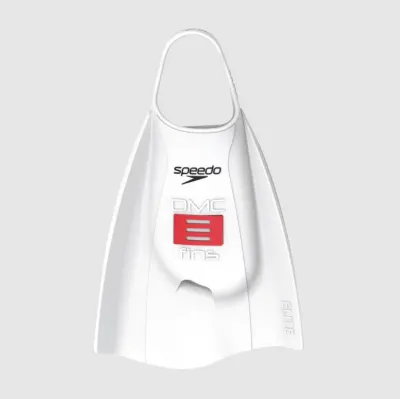
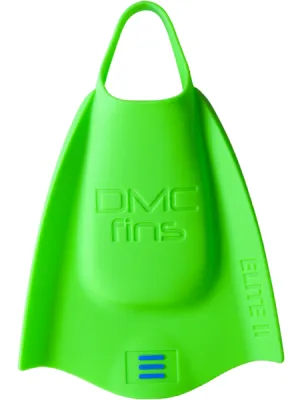
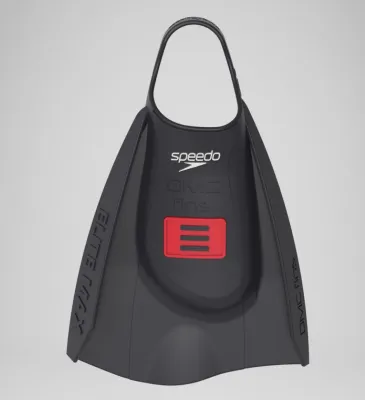
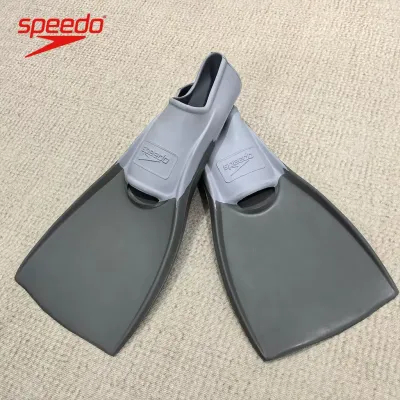
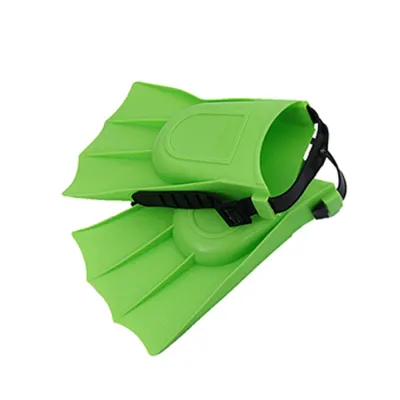
Prices are valid at publication and may change. Please refer to the product page for the latest price.
One of the primary benefits of using these fins during early swim training is the immediate sensory feedback they provide. When a child kicks, the structured surface area of the blade catches the water, helping them develop a tactile “feel” for water resistance and propulsion. This resistance teaches young swimmers how to push against the water effectively, transforming weak, erratic leg movements into a coordinated, productive flutter kick. Over time, this sensory feedback builds essential muscle memory that carries over even when the fins are removed.
In addition to building leg strength, these training tools play a crucial role in improving a child’s overall body alignment in the water. Beginners often struggle with “sinking hips,” a common issue where the lower body drags downward, creating resistance and making breathing difficult. The subtle lift provided by the fins helps elevate the hips and legs to the surface of the water, establishing a streamlined, horizontal body position. This elevated alignment reduces drag, allows the child to move forward with less effort, and makes it easier for them to practice breathing techniques.
However, it is vital for parents to recognize that training fins are educational aids designed to enhance swimming technique, not life-saving flotation devices. They do not provide the passive buoyancy of a life jacket or swim vest and should never be used as a substitute for active adult supervision. When introducing your child to the water with fins, always ensure a qualified coach or supervising adult is within arm’s reach, keeping the focus on skill acquisition and water safety.
Key Features to Look for in DMC Fins for Beginners
When evaluating different swim fins for a child who is still mastering the basics, looking at generic features is not enough. You must consider how the physical design of the fin interacts with a child’s developing anatomy and biomechanics. Focusing on specific design elements ensures the gear supports their learning process rather than causing frustration or physical strain.

Blade Length and Flexibility
The length of the fin blade is perhaps the most critical factor in determining how it affects a child’s swimming stroke. For young beginners, short-blade designs are highly recommended because they allow for a rapid, natural kick rate that closely mimics barefoot swimming. A short blade requires the child to kick quickly and continuously, which helps build cardiovascular endurance and reinforces the high-frequency flutter kick needed for freestyle and backstroke.
Conversely, long-blade fins should generally be avoided for early swim lessons. While long blades provide a massive burst of forward propulsion with very little effort, they force the swimmer into a slow, exaggerated kicking motion. For a child, this slow tempo can prevent the development of a proper, compact flutter kick. Furthermore, the large surface area of a long blade creates immense resistance, which can quickly overload a child’s developing leg muscles, leading to premature fatigue, ankle strain, and poor technical habits.
Blade flexibility is equally important when selecting gear for young swimmers. Children’s joints and muscles are still growing, meaning they do not have the physical strength to bend stiff, rigid materials. A high-quality youth fin should feature a soft-to-medium flex profile, allowing the blade to bend easily under the child’s natural kick pressure. This flexibility ensures that the water is channeled backward efficiently, providing gentle propulsion without putting excessive pressure on the child’s ankles and knees.
Foot Pocket Design and Comfort
A child will quickly refuse to wear even the most technologically advanced fin if it hurts their feet. This makes the design and material of the foot pocket a top priority for parents. Full-foot pockets, which feature a closed-heel design, are highly recommended for young learners. This style encloses the entire foot, providing a secure, glove-like fit that prevents the fin from slipping off during vigorous kicking while protecting the toes from accidental scrapes against pool walls.
The material composition of the foot pocket directly influences comfort and durability. High-grade silicone is the gold standard for youth swim gear because it is incredibly soft, hypoallergenic, and highly resistant to the harsh chlorine found in public pools and the intense UV rays of the Philippine sun. Unlike cheap, vulcanized rubber, which can harden, crack, and rub against the skin, soft silicone conforms to the natural shape of the child’s foot, significantly reducing the risk of painful friction blisters.
Additionally, parents should look for foot pockets equipped with integrated drainage holes or channels. These openings, typically located near the toe or under the sole, allow water and small pool debris to escape freely from the pocket as the child kicks. By preventing water from pooling inside the fin, these drainage features reduce excess water weight and minimize drag. This ensures the fin remains lightweight and comfortable throughout the entire duration of the swimming lesson.
Matching DMC Fin Types to Your Child's Swimming Level
Not all young swimmers have the same needs, and matching the right style of fin to your child’s current proficiency level is key to their success. Training fins generally fall into two categories, each serving a distinct purpose in a child’s developmental progression.
Short Blade Training Fins for Technique Building
Standard short-blade training fins are designed for children who have already moved past the initial stages of water acclimation. If your child is comfortable putting their face in the water, can perform a basic float without assistance, and is actively learning the mechanics of freestyle or backstroke, this category is the ideal choice. These fins are engineered to refine existing skills rather than provide artificial support.
By offering a moderate amount of propulsion, short-blade fins allow intermediate beginners to experience the feeling of moving quickly through the water while maintaining a high kick frequency. This extra speed helps them focus on coordinating their arm strokes and breathing patterns without worrying about sinking. Because these fins require the child to have basic water confidence and the physical ability to kick independently, they serve as an excellent bridge between early swim lessons and competitive swim training.
High-Buoyancy or Floating Fins for Early Beginners
For children who are taking their very first steps in a structured swim program, high-buoyancy or floating fins can be incredibly beneficial. These specialized fins are manufactured using lightweight, closed-cell materials or specific silicone compounds that naturally float in water. They are specifically designed for early beginners who struggle with heavy, sinking legs and find it difficult to maintain a horizontal body position.
The added buoyancy of these fins acts as a gentle physical support, lifting the child’s lower body toward the surface. This lift reduces the physical effort required to stay afloat, helping to alleviate the anxiety and fatigue that often cause young children to panic during their first few lessons. With their legs supported, children can dedicate their mental energy to mastering basic arm movements, head positioning, and rhythmic breathing.
While floating fins are excellent confidence builders, parents should view them as a temporary transitional tool. As your child’s core strength, leg power, and water confidence improve, the physical support provided by high-buoyancy fins will become less necessary. Once the child can maintain a reasonably flat body position on their own, it is best to transition them to standard short-blade training fins to ensure they continue to develop active, self-sustained kicking habits.
How to Measure and Fit DMC Fins for Kids
An improper fit is the single most common reason children refuse to wear swim fins during their lessons. A fin that is too tight will pinch the skin, restrict blood flow, and cause painful muscle cramps, while a fin that is too loose will slip off constantly, distracting the child and disrupting the flow of the class. Taking the time to measure your child’s feet accurately is essential to finding the perfect size.
To get an accurate measurement, have your child stand barefoot on a flat sheet of paper with their weight distributed evenly on both feet. Using a pencil held vertically, trace the outline of their foot from the back of the heel to the tip of the longest toe. Measure the distance between these two points in centimeters, as most high-quality swim brands use metric measurements for their official sizing charts. Repeat this process for both feet, as it is common for one foot to be slightly larger than the other; always use the larger measurement when selecting a size.
When comparing your child’s measurements to the manufacturer’s size chart, you may find that their foot length falls directly between two available sizes. For children’s training gear, comfort should always take precedence over a tight, high-performance fit. If your child is between sizes, it is generally best to size up to ensure the foot pocket does not pinch or restrict circulation. However, avoid buying a size that is excessively large with the hope that they will “grow into it,” as a loose pocket will rub against the skin and cause severe blisters.
To verify the fit before your child enters the water, perform a quick physical check. The fin should feel snug and secure, similar to a well-fitting, thick sock, with no visible gaps around the ankle or heel. Have your child sit down and gently pull on the end of the blade; the heel of the foot should remain firmly inside the pocket without slipping out. If you notice any deep red marks on their skin or if they complain of pinching after wearing the fins dry for a couple of minutes, the size is too small.
If you find that the fins are slightly loose or cause mild friction, you can use thin neoprene swim socks to resolve the issue. These socks add a thin layer of protection, cushioning the foot and filling up any minor gaps in the foot pocket. Keep in mind that if you plan to use swim socks regularly, you should factor their thickness into your initial measurements, as they can add about half a size to your child’s foot.
Safety and Maintenance Tips for Kids' Swim Fins
To ensure your investment lasts and your child remains safe during their swimming journey, establishing proper safety boundaries and maintenance habits is essential. Swim fins are highly durable when cared for correctly, but improper use or neglect can lead to premature wear and preventable accidents.
Safety and Pool Deck Rules
- Never walk forward in fins: Walking forward on hard, wet pool decks while wearing fins is a major tripping hazard. The extended length of the blade alters a child's balance, making it incredibly easy for them to slip and fall. Teach your child to put their fins on at the very edge of the pool right before entering the water, or instruct them to walk backward like a penguin if they must move on dry land.
- Remove fins before exiting: Always have your child remove their fins before climbing up pool ladders or stepping onto shallow steps, as the blades can easily catch on the structure and cause a fall.
- Active supervision is mandatory: Never allow a child to swim with fins unsupervised, even if they are highly confident in the water. Fins can speed up movements, which may lead to accidental collisions with other swimmers or pool walls.
Maintenance and Care Routine
- Rinse with fresh water: After every swim session, thoroughly rinse the fins with clean, fresh tap water. This simple step removes residual chlorine, salt, and pool chemicals that can slowly degrade the silicone or rubber material over time.
- Avoid harsh detergents: Never use abrasive soaps, bleach, or chemical cleaners to wash the fins, as these substances can break down the pliable compounds of the foot pocket.
- Dry in the shade: Allow the fins to air dry completely in a shaded, well-ventilated area before storing them away. Avoid drying them in direct sunlight.
Storage Guidelines
- Store flat: Keep the fins lying flat in a gear bag or on a shelf. Avoid standing them upright on their tips or placing heavy objects on top of them, as this can permanently warp the shape of the blades.
- Keep away from extreme heat: In the tropical climate of the Philippines, temperatures inside a parked car or an unventilated outdoor storage box can soar. Never leave swim fins in these hot environments, as extreme heat will warp the blades, weaken the structural integrity of the silicone, and cause the foot pockets to crack.
Frequently Asked Questions (FAQ)
At what age should a child start using swim fins?
A child’s readiness to use swim fins depends more on their individual swimming ability and comfort level than on their chronological age. Generally, coaches introduce fins when a child is comfortable submerging their face in the water, can perform a basic independent float, and can attempt a rudimentary flutter kick, which typically occurs between the ages of 4 and 6. Fins should not be used as a first-step tool for children who are still fearful of the water or unable to support themselves, as they are designed to refine existing kick mechanics rather than act as a primary flotation aid.
Can kids use adult DMC fins if their feet are large enough?
Even if an older child or teenager has a foot size that physically fits into an adult model, it is highly recommended to stick to fins engineered specifically for youth or junior swimmers. Adult fins are calibrated with stiffer blades designed to handle the muscle mass, joint strength, and skeletal leverage of fully grown adults. Forcing a developing child to push against that level of resistance can put excessive strain on their growing knees, ankles, and Achilles tendons, increasing the risk of joint pain and overuse injuries. Choosing a youth-specific model ensures the blade flexibility and resistance levels match their developmental biomechanics.
Community discussion
Share your experience or ask a question. Comments are reviewed before publication.