
Stepping onto eight wheels for the first time is an exciting milestone, but finding the right gear is essential to making your learning experience safe and enjoyable. For beginners in the Philippines, selecting the ideal pair of double row roller skates—commonly known as quad skates—requires balancing comfort, stability, and durability against the unique challenges of the local environment. Whether you plan to glide along the smooth pathways of public parks, navigate the rough asphalt of subdivision streets, or practice footwork inside air-conditioned indoor rinks, your equipment must match your skating goals and physical needs.
Unlike inline skates, which arrange wheels in a single center line, double row roller skates feature a two-by-two wheel configuration that provides a stable, rectangular base. This design makes it significantly easier to stand still and maintain lateral balance from your very first session. However, because the Philippine climate brings high humidity, tropical heat, and sudden seasonal downpours, a standard off-the-shelf skate might not perform optimally without careful attention to specific component materials. Understanding how boots, wheels, plates, and bearings interact will help you make an informed purchase that supports your progression from tentative first steps to confident strides.
How to Choose the Right Double Row Roller Skates for Beginners
Selecting your first pair of double row roller skates involves evaluating several technical components that directly affect how the skate feels, turns, and holds up over time. As a beginner, you do not need the most expensive professional-grade setup, but you must avoid low-quality toys that hinder your progress or pose safety risks. Focusing on the construction of the boot, wheels, plates, and bearings will ensure you invest in a pair that supports your learning curve.
Products mentioned in this guide
![[Free Shipping + One Year Warranty] COD Double Row Adjustable Roller Skates Skates for Beginners 4 Wheels Roller Skates Free Protective Gear Included Helmet](https://img.lazcdn.com/g/p/b4c0ed01631810a6b0b08d61adf4084f.jpg_400x400q80.jpg_.webp)
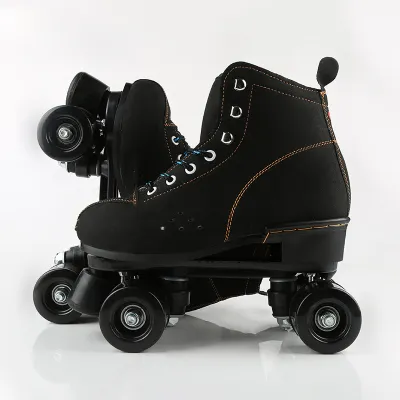
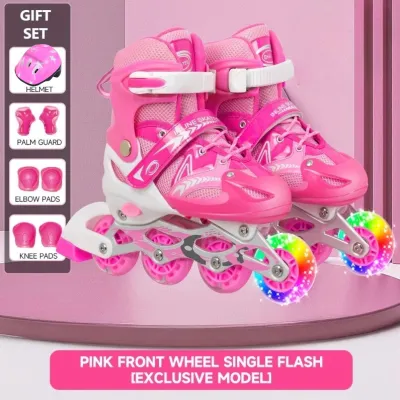
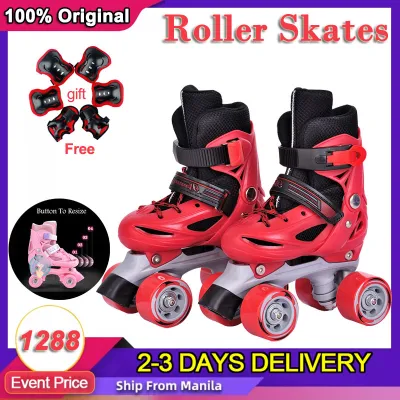
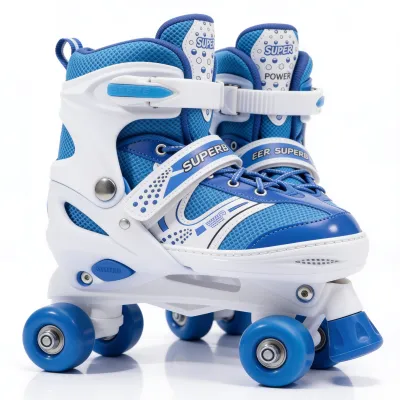
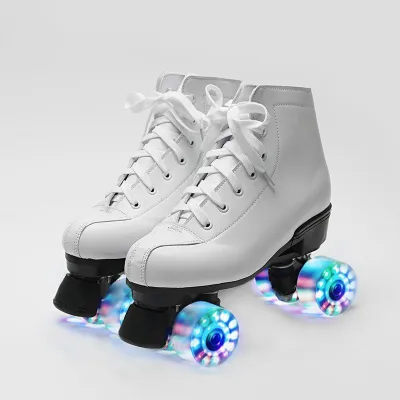
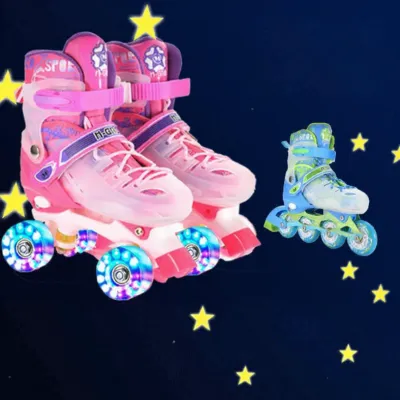
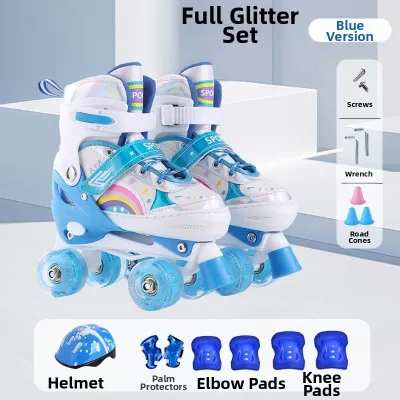
Prices are valid at publication and may change. Please refer to the product page for the latest price.
Boot Material and Fit
The boot provides the structural interface between your foot and the skate frame, making its material and fit critical for control and safety. For beginners, a high-top boot is highly recommended because it wraps around the ankle, offering structural support that helps prevent rolled ankles and stabilizes your stance. Low-top boots offer more freedom of movement for speed or jam skating but require pre-existing ankle strength that beginners typically have not yet developed.
In the hot and humid climate of the Philippines, heat dissipation and moisture management are major considerations. Synthetic leather (often vinyl or polyurethane) is highly durable, retains its shape well, and is easy to wipe clean after outdoor sessions, but it tends to trap heat. If you choose synthetic boots, look for models featuring perforated panels, breathable mesh linings, or padded tongues designed to channel air. Genuine suede or leather boots naturally conform to the shape of your foot over time and offer superior breathability, though they require a higher initial budget and more diligent maintenance to prevent moisture damage from sweat and humidity. Regardless of the material, a proper fit should be snug but not painful, with your heel locked firmly into the back of the boot to prevent friction blisters.
Wheel Hardness (Durometer) and Size
Roller skate wheels are measured by their diameter in millimeters (mm) and their hardness using the durometer scale, which is indicated by a number followed by the letter “A”. For beginners, wheel selection dictates how much vibration you feel from the ground and how much grip you have when turning. Soft wheels (78A to 85A) act like shock absorbers, absorbing the impact of rough pavement, small pebbles, and sidewalk cracks, making them the safest choice for outdoor learning. Hard wheels (88A to 98A) offer less grip but slide more easily, making them ideal for smooth indoor floors where you want to execute tight turns or dance steps without sticking.
Wheel diameter influences your acceleration and stability. Beginners generally benefit from wheels with a diameter between 58mm and 62mm. This size range keeps your center of gravity relatively low to the ground, which improves your balance, while still providing enough surface area to roll over small debris without stopping abruptly. Wider wheels, often called “contact patches,” offer a broader base of support, which helps new skaters feel more secure during their initial balance drills.
Plate and Frame Construction
The plate is the chassis bolted to the bottom of the boot, housing the kingpins, cushions, and axles that hold the wheels. For entry-level skaters, plates are typically constructed from either reinforced nylon or aluminum. Nylon plates are lightweight, highly flexible, and budget-friendly. They naturally absorb road vibrations, which can make outdoor skating more comfortable for lighter skaters. However, nylon can flex under heavy loads, slightly reducing power transfer and responsiveness.
Aluminum plates are heavier but offer exceptional durability, stiffness, and direct power transfer. If you are a heavier adult or plan to transition quickly into aggressive park skating or roller derby, aluminum plates provide the structural integrity required to handle high-impact forces. When evaluating aluminum plates, look for cast or aircraft-grade aluminum, and verify that the kingpins and trucks are made of solid metal rather than cheap plastic composites, which can crack under pressure.
Bearings and Maintenance
Every roller skate wheel contains two bearings that allow it to spin on the axle. Bearings are rated using the ABEC scale (1, 3, 5, 7, 9), which measures tolerance and precision. While a higher ABEC rating theoretically allows for a faster, smoother spin, it is not the sole indicator of performance for beginner skates. Factors such as lubrication, material quality, and sealing are far more important for daily use.
In tropical environments, dust, sand, and ambient moisture are constant threats to bearing health. Beginners should look for bearings equipped with removable rubber shields (often designated as 2RS) rather than permanent metal shields. Rubber shields effectively seal out dirt and road grime while remaining easy to pop off with a utility knife when it is time to clean and lubricate the inner steel balls. Avoid riding on unsealed bearings, as exposure to humidity can quickly lead to internal rust, causing the wheels to seize or spin unevenly.
Top Double Row Roller Skate Setups for Different Skating Environments
Your primary skating venue should dictate the specific configuration of your double row roller skates. Because physical retail stocks and online availability fluctuate, focusing on the specific component specifications for each environment allows you to evaluate any brand or model objectively.

Best for Outdoor Cruising and Parks
Outdoor skating in the Philippines often means navigating uneven concrete, asphalt roads, and public plazas that may have debris, leaves, or expansion joints. To stay safe and comfortable in these conditions, your skate setup must prioritize shock absorption and stability.
- Wheels: Opt for soft polyurethane wheels with a durometer of 78A to 82A. These wheels compress slightly under pressure, allowing them to roll smoothly over pebbles and absorb the high-frequency vibrations of rough asphalt.
- Wheel Size: A larger diameter of 62mm to 65mm is ideal, as it helps maintain momentum and rolls over cracks with minimal resistance.
- Boot: Choose a supportive, high-top boot made of thick synthetic leather or heavy-duty suede. Outdoor skating involves more lateral movement and unexpected balance corrections, requiring robust ankle support to prevent strain.
- Toe Stops: Ensure the skates feature adjustable polyurethane toe stops rather than hard plastic bolt-on stops. Polyurethane provides reliable grip when stopping or pushing off on outdoor surfaces.
Best for Indoor Rinks and Smooth Surfaces
Indoor skating rinks, polished concrete basketball courts, and smooth multi-purpose halls offer a controlled environment where you can focus on form, rhythm, and agility without worrying about environmental hazards.
- Wheels: Look for harder wheels with a durometer rating between 88A and 95A. These wheels offer less rolling resistance, allowing you to maintain speed with less effort, and provide the subtle slide needed for transitions and spins.
- Wheel Size: Smaller wheels measuring 57mm to 58mm in diameter are preferred. They lower your center of gravity and reduce overall weight, making quick footwork and dance steps easier to execute.
- Plates: Lightweight nylon or high-grade aluminum plates work well here. Because shock absorption is less critical on smooth floors, a rigid plate that maximizes power transfer is highly beneficial.
- Agility Focus: Indoor setups prioritize maneuverability. You can adjust the trucks (making them slightly looser) to allow the skates to curve and edge more responsively on smooth surfaces.
Best Budget-Friendly and Adjustable Options
If you are purchasing skates for growing teenagers, or if you want to try the sport without making a major financial commitment, budget-friendly and size-adjustable skates are practical options. However, you must distinguish between safe cost-saving measures and dangerous structural compromises.
- Adjustable Sizing: Many beginner skates feature a push-button mechanism that allows the toe box of the boot to slide forward or backward, adjusting across three to four shoe sizes. This is excellent for growing feet, but you must verify that the locking mechanism is made of heavy-duty metal or reinforced polymer that will not slip or unlock during use.
- Acceptable Compromises: To keep prices within a reasonable range (typically ₱2,500 to ₱4,500), manufacturers often use synthetic vinyl uppers, basic nylon plates, and standard ABEC-5 bearings. These components are perfectly acceptable for learning basic strides, crossovers, and stops.
- Unacceptable Risks: Avoid ultra-cheap skates that feature hard plastic wheels (which slide dangerously on smooth surfaces and offer zero traction) or brittle plastic trucks and plates. Trucks carry your entire body weight; if they are made of thin, non-reinforced plastic, they can snap during a turn or jump, leading to severe falls. Always verify that the trucks are made of cast metal or highly reinforced nylon, and that the wheels are made of polyurethane (PU).
Essential Safety Gear and Maintenance for New Skaters
No matter how high-quality your double row roller skates are, they cannot replace proper safety equipment and regular maintenance. Protecting your body and caring for your gear will prevent injuries and extend the lifespan of your investment.
Must-Have Protective Gear
Falling is an inevitable part of the learning process when mastering double row roller skates. To minimize the risk of fractures, abrasions, and joint injuries, beginners must wear a complete set of protective gear every time they skate:
- Helmets: Use a certified multi-impact skate helmet that sits low on the brow and protects the back of the head. Avoid bicycle helmets, which are designed to protect against single, forward-impact road accidents rather than the backward or lateral falls common in roller skating.
- Wrist Guards: These are the most critical protective items for beginners. When you lose your balance, your natural instinct is to reach out with your hands. Wrist guards feature rigid plastic splints on the palm and back of the hand to absorb impact forces and prevent hyperextension or fractures.
- Knee and Elbow Pads: Choose pads with thick foam padding and durable plastic hard-caps. These caps allow you to slide out of a fall on concrete, dispersing the impact energy away from your joints.
Proper Fitting
Protective gear only works if it stays in place during an impact. Pads should fit snugly around your limbs without pinching or cutting off blood circulation. When standing, the straps should be secure, and the plastic caps should align perfectly over your kneecaps and elbows. If the pads slip down when you slide or bend your joints, they are too large and should be exchanged for a smaller size.
Routine Maintenance
Before every skating session, perform a quick safety check to ensure your equipment is in working order. Check the axle nuts on all four wheels; they should be tight enough that the wheels do not wobble side-to-side, but loose enough that the wheels can spin freely for several seconds. Inspect your toe stops to ensure they are screwed tightly into the plate; a loose toe stop can fall off mid-skate, causing you to lose braking ability.
Periodically rotate your wheels to ensure even wear. Skaters naturally put more pressure on certain wheels depending on their dominant foot and braking habits. By swapping the inner and outer wheels every few weeks, you prevent uneven flat spots and prolong the life of the polyurethane.
Storage in Humid Climates
The high relative humidity in the Philippines can cause metal skate components to rust rapidly if they are not stored correctly. After a heavy skating session, your boots will likely be damp from sweat. Never leave your skates inside a closed plastic bag, a damp locker, or the trunk of a car, as this creates a breeding ground for mold and accelerates the breakdown of synthetic glues.
Wipe down the exterior of the boots and plates with a dry microfiber cloth. Loosen the laces and pull the tongue forward to allow the interior of the boots to air-dry in a cool, well-ventilated indoor space. To combat moisture and odor, insert silica gel packets, activated charcoal deodorizers, or cedar shoe trees inside the boots. If your bearings are exposed to water from a sudden puddle or rain shower, remove them immediately, clean them with a dedicated bearing solvent, and apply a few drops of synthetic bearing lubricant to prevent rust.
Where to Buy and How to Avoid Counterfeit Skates
With the rising popularity of roller skating, the local market has seen an influx of both high-quality gear and cheap, unbranded counterfeits. Knowing where to shop and how to spot sub-standard products will protect your budget and your physical safety.
Recommended Channels
To ensure you are purchasing genuine, safety-tested double row roller skates, source your gear from reputable retail channels:
- Authorized Physical Retailers: Visiting a brick-and-mortar sporting goods store in major metropolitan areas allows you to try on different sizes and feel the weight and stiffness of the boots before buying.
- Official Brand Flagship Stores: When shopping on digital marketplaces, look for verified mall sellers or official brand stores. These listings feature manufacturer warranties and guaranteed return policies.
- Specialty Skate Shops: Local, skater-owned shops are excellent resources. The staff can provide personalized advice on plate adjustments, wheel swaps, and proper boot fitting based on your foot shape.
Identifying Red Flags
Be cautious of online listings that seem too good to be true. Extremely low prices—such as complete skate setups sold for under ₱1,500—are a primary indicator of sub-standard materials, including brittle plastic plates and non-functional bearings. Look closely at the product photos; counterfeit or low-quality skates often feature generic branding, misspelled labels, or thin, unpadded boots that offer zero ankle support. Furthermore, check the product description for specific material details. If a listing fails to specify the wheel durometer, bearing type, or plate material, it is highly likely a toy-grade product not designed for active sport use.
Online Purchasing Tips
When buying skates online, always measure your feet in centimeters rather than relying on your standard shoe size, as skate sizing varies significantly between brands. Read the customer reviews carefully, paying close attention to photos uploaded by previous buyers to verify the actual build quality. Check the seller’s return and exchange policies regarding sizing; because a correct fit is vital for safety, you must have the option to exchange the skates if they do not fit perfectly upon arrival. Finally, factor in shipping costs and delivery times, as skates are heavy items and returning them can be expensive if the seller does not offer free return shipping.
Frequently Asked Questions (FAQ)
Are double row roller skates easier to learn than inline skates?
Double row roller skates (quads) and inline skates offer different types of stability, and neither is universally easier to learn. Quad skates provide a wide, rectangular base of support, making it much easier for absolute beginners to stand still, balance at slow speeds, and feel secure during basic upright drills. This makes them highly popular for dance, rhythm, and casual park cruising.
Inline skates, on the other hand, have a longer wheel frame that provides superior front-to-back stability, which prevents you from tipping backward or forward. The inline wheel configuration also mimics the natural stride of walking or ice skating, which some beginners find more intuitive for moving forward quickly. Ultimately, your choice should depend on your personal skating goals: choose double row skates if you are interested in dance, agility, and classic style, or inline skates if you prioritize speed, distance, and outdoor commuting.
How do I know what size to buy for roller skates?
To find your correct roller skate size, do not rely on your everyday sneaker size, as skate sizing is highly brand-specific and often runs smaller or larger than standard footwear. Instead, measure your feet using a blank sheet of paper. Stand firmly on the paper with your heel against a wall, trace the outline of your foot, and measure the distance from your heel to your longest toe in centimeters. Repeat this process for both feet, as one foot is often slightly larger than the other.
Compare your longest measurement against the manufacturer’s specific size chart. Roller skates should fit snugly with your toes flat and barely touching the front of the toe box when standing straight. When you bend your knees into a proper skating stance, your toes should pull back slightly, leaving just enough wiggle room. A loose skate allows your foot to slide around inside, which reduces your control, causes painful friction blisters, and increases the risk of ankle strain.
Can I use indoor double row skates outdoors?
You can use indoor double row skates outdoors, but you must change the wheels first. Indoor skates are equipped with hard wheels (typically 90A to 98A durometer) designed to slide and roll efficiently on smooth, polished surfaces. If you attempt to ride these hard wheels on rough outdoor pavement, asphalt, or concrete, they will transmit every vibration directly to your feet and legs, causing rapid muscle fatigue. Furthermore, hard wheels offer very little grip on outdoor surfaces, making it incredibly easy to slip on small patches of dust, sand, or moisture.
To safely transition your indoor skates for outdoor use, purchase a separate set of soft outdoor wheels (78A to 82A durometer) and a standard skate tool. Swapping the wheels takes only a few minutes and completely transforms how the skates handle rough terrain. If you regularly switch between indoor and outdoor environments, keeping two dedicated sets of wheels is the most practical and cost-effective solution.
Community discussion
Share your experience or ask a question. Comments are reviewed before publication.