
Swimming is a year-round highlight for children in the Philippines. Whether they are splashing in a resort pool in Laguna, enjoying the beaches of Batangas, or taking formal swimming lessons in Metro Manila, water activities offer endless fun and excellent exercise. However, frequent exposure to pool chemicals, freshwater, or seawater can lead to trapped moisture in a child’s delicate ears. Finding a reliable ear cover for water protection is essential for parents who want to prevent discomfort, earaches, and infections while keeping their young swimmers active and happy.
Choosing the right ear protection involves understanding how different designs fit, how they perform under tropical conditions, and how to combine products for the most secure seal. While some children only need basic protection from surface splashes, others require a completely dry seal due to ear tubes or a history of infections. By evaluating materials, sizing, and ease of use, you can select a comfortable solution that your child will actually wear without resistance.
Understanding the Need for Ear Protection in Kids
Children are highly susceptible to water retention in their ears due to their unique anatomy. A child’s Eustachian tubes are shorter, narrower, and positioned more horizontally than those of an adult. This structural difference makes it much easier for water to enter the ear canal during swimming and far more difficult for that water to drain out naturally once they leave the pool or beach.
Products mentioned in this guide
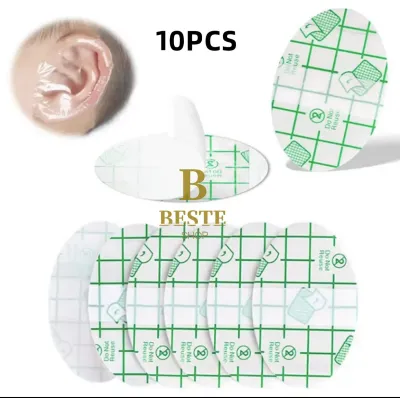
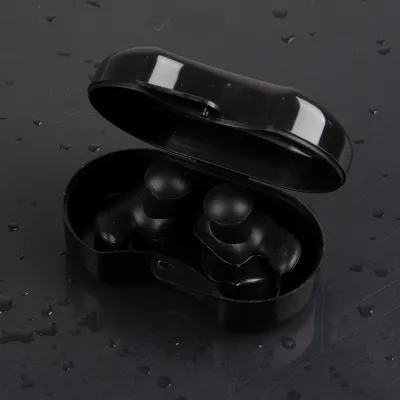
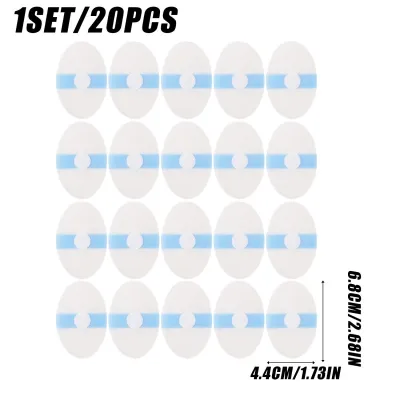
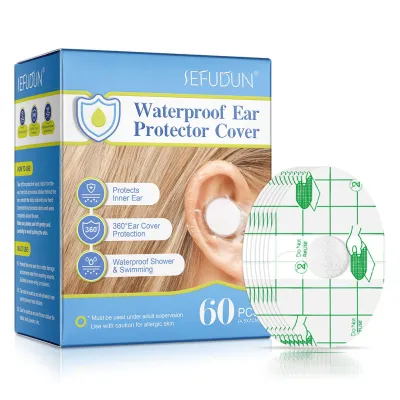
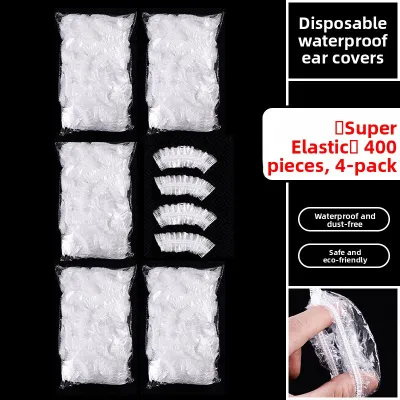
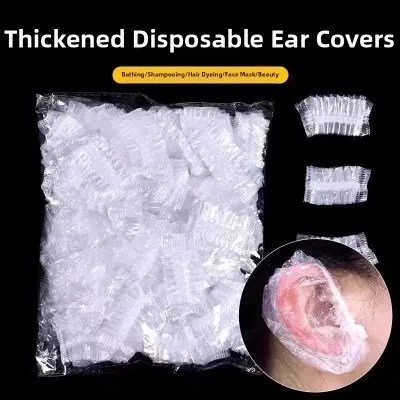
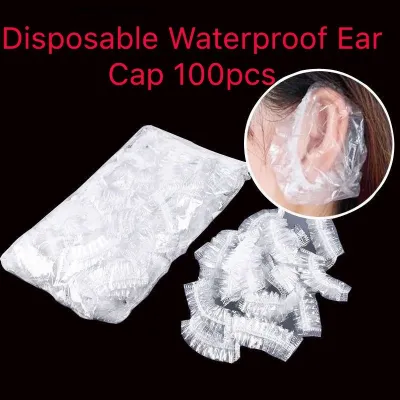
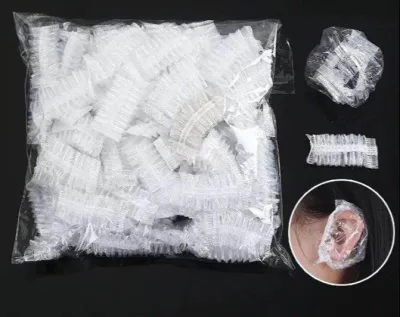
Prices are valid at publication and may change. Please refer to the product page for the latest price.
When water remains trapped in the dark, warm, and moist environment of the ear canal, it softens the delicate skin lining. In the tropical, high-humidity climate of the Philippines, this environment becomes a perfect breeding ground for bacteria and fungi. The resulting inflammation and infection, known clinically as otitis externa or commonly as swimmer’s ear, can cause intense pain, itching, swelling, and temporary hearing muffledness.
Using an ear cover for water play serves as a preventive physical barrier rather than a medical treatment. By blocking water from entering the ear canal in the first place, these accessories preserve the natural protective wax and dry environment of the outer ear. This simple preventive step helps avoid painful infections, reduces the need for medical intervention, and ensures that water activities remain a source of joy rather than anxiety for your family.
Main Types of Ear Covers for Kids Swimming
No single ear cover is perfect for every child or every aquatic activity. The market offers several distinct designs, each serving a specific purpose based on how water enters the ear and how active the child is. Understanding these variations allows you to tailor your purchase to your child’s age, sensory tolerances, and swimming style.

Most ear protection options fall into three primary categories: moldable plugs, supportive headbands, and integrated swim caps. For casual wading, a single protective layer may suffice, but active swimming or diving often requires a combination of these types to ensure a reliable, watertight barrier.
Moldable Silicone and Wax Earplugs
Moldable earplugs are crafted from soft, pliable silicone or hypoallergenic wax. Instead of being inserted deep into the narrow ear canal like standard earplugs, these are rolled into a ball and flattened directly over the external opening of the ear. They conform to the unique contours of the child’s outer ear, creating a custom, airtight seal that blocks water from entering.
These plugs are particularly beneficial for children who experience sensory sensitivities. Because they sit on the outer ear rather than inside the canal, they do not cause the internal pressure or tickling sensation that often leads children to pull traditional plugs out. They are soft, lightweight, and adapt easily to growing ears without requiring precise size measurements.
Safety is paramount when using moldable plugs. You must never push them into the ear canal itself, as they can become difficult to extract or push earwax deeper. Always check the manufacturer’s age recommendations, as very young toddlers should only use them under strict parental supervision to prevent any accidental swallowing or improper insertion.
Neoprene Swim Headbands and Ear Bands
Swim headbands, often referred to as ear bands, are made from neoprene, the same synthetic rubber used to manufacture diving wetsuits. Neoprene is highly valued for its unique combination of stretch, durability, thermal insulation, and moderate water resistance. These bands wrap around the child’s hairline and secure at the back of the head or neck with adjustable hook-and-loop fasteners.
While neoprene headbands provide a helpful shield against direct splashes and wind, their primary function is to hold moldable earplugs securely in place. Active children frequently knock earplugs loose when jumping into the water, shaking their heads, or playing with friends. A snug headband acts as a security system, keeping the plugs sealed against the ear even during vigorous movement.
It is important to note that neoprene headbands are not 100% waterproof on their own. Water can still seep under the edges of the fabric during full submersion or deep dives. However, when paired with moldable silicone plugs, they offer the most reliable double-layer water defense system available for young swimmers.
Swim Caps with Built-in Ear Pockets
For children with long hair or those who dislike the feel of headbands, a specialized swim cap with built-in ear pockets is an excellent alternative. Unlike standard, tight-fitting swim caps that press flat against the ears and cause discomfort, these caps feature contoured pockets molded specifically to accommodate the ears without painful pressure.
These caps are available in three primary materials: silicone, latex, and lycra fabric. Silicone caps are highly durable, resistant to tearing, and provide a tight, water-resistant seal around the hairline, though they can feel restrictive to some children. Latex caps are thinner and lighter but can trigger allergies and tear more easily. Lycra or fabric caps are incredibly comfortable and easy to put on, but they are highly permeable and offer virtually no water protection for the ears.
Putting a tight silicone cap on a wriggling child can be challenging. However, the dual benefit of keeping hair dry and out of the eyes while simultaneously holding ear protection in place makes it a popular choice for kids enrolled in regular swimming lessons.
Key Features to Evaluate When Buying an Ear Cover for Water
When browsing local sports retail stores or online marketplaces in the Philippines, parents are often faced with a wide array of options. To find a high-quality product that delivers both performance and comfort, you should evaluate several key features before making a purchase.
- Material Safety and Comfort: Look for product labels that explicitly certify the materials as hypoallergenic, BPA-free, and latex-free. The combination of salt, chlorine, sweat, and friction can easily irritate a child's sensitive skin. Soft, medical-grade silicone and plush neoprene with finished edges are less likely to cause chafing or allergic reactions during long swim sessions.
- Seal Effectiveness vs. Breathability: Determine whether you need a fully waterproof barrier or simple splash resistance. If your child has ear tubes, a 100% waterproof seal using moldable silicone plugs is essential. If you simply want to keep wind and stray splashes out during beach play, a breathable, water-resistant neoprene headband is much more comfortable and allows the child to hear instructions clearly.
- Adjustability and Fit: Children grow rapidly, and a poor fit leads directly to water leakage. For headbands, look for wide, high-quality hook-and-loop straps that allow for micro-adjustments. For moldable plugs, ensure the volume of the plug is sufficient to cover your child's outer ear opening without being so large that it falls off easily.
- Durability in Tropical Conditions: The Philippine climate presents unique challenges for swim gear. High UV exposure, intense heat, chlorinated pool water, and salty sea air can degrade low-quality plastics and rubbers quickly. Look for chlorine-resistant silicone and neoprene with reinforced, double-stitched seams. Cheap materials can become sticky, brittle, or lose their elasticity after just a few trips to the beach.
- Ease of Use: A product is only effective if your child agrees to wear it. If an ear cover takes ten minutes of struggle to apply, or if it pinches the hair, your child will likely refuse to use it. Opt for designs that can be put on and adjusted in under a minute, and involve your child in choosing the color or pattern to encourage enthusiasm.
Ensuring a Proper Fit and Safe Usage
Achieving a proper fit is the most critical step in ensuring your child’s ears remain dry. Even the highest-quality ear cover for water protection will fail if it is applied incorrectly or shifts during play. Taking a few moments to fit the gear properly before your child enters the water saves time and prevents discomfort later.
To apply moldable silicone earplugs correctly, start with clean, completely dry hands and ears. Moisture on the skin will prevent the silicone from adhering and forming a proper seal. Roll a single plug into a smooth ball, place it over the clean, dry opening of the ear canal, and press gently with your thumb or index finger to flatten it. Smooth the edges down until the plug covers the opening completely, forming a flat, neat seal. Never shape the plug into a cylinder or push it into the ear canal.
If you are using a neoprene headband, position the center of the band over your child’s forehead, just above the eyebrows. Pull the sides down so they completely cover the ears and any earplugs you have applied. Secure the hook-and-loop fastener firmly at the base of the skull or the crown of the head, depending on the design. The band should sit snugly enough to prevent movement, but it should not pinch the skin or cause discomfort.
Signs of an Improper Fit:
- The headband slides down the back of the head or shifts forward over the eyes.
- Deep, dark red marks remain on the child's skin after removing the gear.
- The moldable silicone plugs begin to lift at the edges or fall out within minutes of entering the water.
- The child constantly tugs, scratches, or adjusts the gear, indicating discomfort.
Safety boundaries must always be respected. No ear cover or headband replaces active adult supervision in and around the water. Standard swim ear covers are designed for surface swimming and shallow splashing; they are not rated for deep diving, as water pressure can push plugs deeper or cause painful ear barotrauma. If your child complains of sudden ear pain, itching, dizziness, or muffled hearing that does not resolve quickly after swimming, remove all gear immediately and consult a healthcare professional.
Cleaning and Maintaining Swim Ear Covers in Humid Climates
The warm, humid climate of the Philippines requires diligent maintenance of swim gear to prevent the growth of mold, mildew, and bacteria. Without proper care, neoprene can develop an unpleasant odor, and silicone can degrade, becoming sticky and unusable.
Immediately after your child finishes swimming, rinse all ear covers, plugs, and headbands thoroughly under fresh, clean tap water. This step is crucial for removing chlorine, salt, sand, body oils, and sunscreen, all of which can slowly break down the chemical structure of silicone and neoprene over time. Avoid using harsh chemical detergents or dish soaps, which can leave residues that irritate your child’s skin during the next swim.
Once rinsed, dry the gear thoroughly. Hang neoprene headbands and silicone caps to air-dry in a well-ventilated, shaded outdoor area or a breezy indoor room. Never place these items in direct, intense midday sunlight, as high UV radiation degrades neoprene, fades colors, and causes silicone to lose its elasticity. Do not use clothes dryers or hair dryers, as extreme heat can warp or melt the materials.
Store completely dry gear in a breathable mesh bag. Avoid storing swim gear in sealed plastic bags, airtight plastic containers, or damp gym bags, as the trapped moisture in a humid environment will rapidly promote mold and mildew growth. If you notice any black spots, a musty smell, tears in the neoprene, or a sticky residue on the silicone plugs, it is time to replace the items to ensure continued safety and hygiene.
Frequently Asked Questions (FAQ)
Can kids use regular foam earplugs for swimming?
No, children should never use standard foam earplugs for swimming. Foam earplugs are designed specifically for noise reduction and are highly porous. They work by absorbing sound waves, which means they will also absorb water like a sponge. Once saturated, they expand inside the ear canal, trapping dirty water and bacteria directly against the eardrum, which actually increases the risk of developing swimmer’s ear. Only use moldable silicone or wax plugs specifically designed and labeled for water sports.
Do neoprene ear bands keep water out completely on their own?
No, neoprene ear bands are not designed to keep water out completely on their own. While they offer excellent protection against surface splashes, waves, and wind, water can easily seep under the edges of the band when a child submerges their head. Their primary purpose is to provide a physical shield and to hold moldable silicone earplugs securely in place. For complete, watertight protection—especially for children with ear tubes—always pair a neoprene headband with moldable silicone plugs.
At what age can toddlers start wearing swim ear covers?
While some soft, adjustable neoprene headbands are designed to fit infants and young toddlers, moldable silicone earplugs are generally recommended for older toddlers and children who can follow basic instructions. Very young children may try to pull the plugs out and put them in their mouths, presenting a choking hazard. Always check the manufacturer’s minimum age guidelines, and consult your pediatrician before using earplugs for children under the age of three or those who have recently undergone ear surgery or tube placement.
Community discussion
Share your experience or ask a question. Comments are reviewed before publication.