
Setting up a dedicated boxing corner in your home is an excellent way to maintain physical fitness, build cardiovascular endurance, and relieve stress. However, training without the direct supervision of a professional coach introduces unique safety responsibilities. When you throw punches at a heavy bag or speed bag, your hands absorb a tremendous amount of impact force. Selecting the right finger band, gel knuckle guard, or traditional hand wrap is a critical first step to ensure your home workouts remain safe and injury-free. The ideal protective gear depends on your experience level, the density of your training equipment, and the specific physical demands of your routine.
The Role of Hand Protection in Unsupervised Home Training
To understand why protective gear is indispensable, it is helpful to look at the anatomy of a punch. The human hand is composed of 27 small bones, including the delicate carpals of the wrist and the long metacarpals that lead to your fingers. When your fist strikes a dense target like a heavy bag, a massive amount of kinetic energy is transferred back through these fragile structures. Without a trainer present to monitor your form and correct improper alignment, a single off-center punch can cause your wrist to buckle or place excessive stress on your knuckles.
Common boxing injuries often occur when trainees neglect proper hand protection. A boxer’s fracture—a break in the neck of the fifth metacarpal bone below the pinky finger—is a frequent consequence of striking a hard surface with an unprotected or poorly wrapped hand. Wrist sprains, tendonitis, and bruised knuckles are also highly common among home fitness enthusiasts. Using a high-quality finger band or hand wrap helps structurally bind these small bones together. By compressing the hand and securing the wrist joint, this gear ensures that the impact force is distributed evenly across the entire fist, maintaining proper skeletal alignment inside your boxing gloves.
Products mentioned in this guide
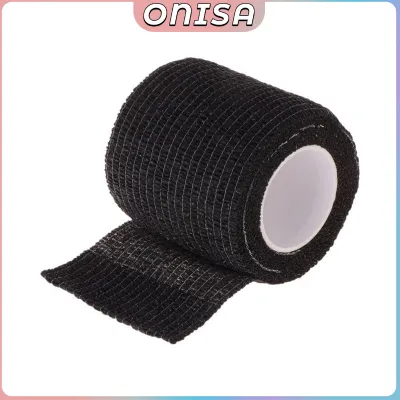
Prices are valid at publication and may change. Please refer to the product page for the latest price.
How to Choose the Right Finger Bands and Hand Wraps
Selecting the perfect hand protection for your home gym requires evaluating several key factors, ranging from material properties to how the gear fits inside your gloves.

Material and Climate: Training in a tropical climate like the Philippines presents distinct challenges, particularly regarding heat and humidity. In a home garage, backyard, or fan-cooled room, your hands will sweat profusely during a workout. Traditional cotton wraps are highly absorbent, but they can become heavy, wet, and slow to dry, which increases the risk of bacterial growth and unpleasant odors. Elastic blends, often referred to as Mexican-style wraps, combine cotton with synthetic fibers like spandex. This blend offers superior breathability and moisture-wicking properties while allowing the fabric to stretch and conform to your hand. Gel-filled options provide excellent shock absorption but tend to trap heat, making them more suitable for shorter, high-intensity training sessions.
Length and Coverage: Traditional hand wraps are generally available in two standard lengths: 120 inches and 180 inches. For most adults, 180-inch wraps are highly recommended. The extra length is necessary to perform enough passes around the wrist, thumb, and individual knuckles to build a secure protective glove. A 120-inch wrap is typically too short for comprehensive coverage, making it suitable only for children, individuals with very small hands, or those performing light speed-bag work that does not require heavy wrist stabilization.
Closure and Usability: When training solo at home, you must be able to put on and take off your gear without assistance. Traditional wraps utilize a thumb loop to anchor the start of the wrap and a hook-and-loop (Velcro) closure to secure the end. It is vital to inspect the quality of the Velcro; cheap fasteners can quickly degrade in humid conditions or scratch the inner lining of your boxing gloves. Tie-style wraps, which require a partner to tie off at the wrist, are highly impractical for solo home training and should generally be avoided.
Glove Compatibility: Before purchasing any protective gear, you must verify how it affects the fit of your boxing gloves. Thick gel finger bands or bulky inner gloves add significant volume to your fist. If you use snug-fitting 12 oz or 14 oz training gloves, adding a thick wrap can restrict blood circulation or prevent you from closing your fist comfortably. For larger 16 oz gloves, which are standard for heavy bag training, you will have more interior space to accommodate thicker, more protective wrapping configurations.
Recommended Finger Bands and Inner Gloves for Quick Protection
For home trainees who prioritize convenience and speed, modern alternatives to traditional hand wraps offer rapid application and targeted protection.
Gel Knuckle Guards and Slip-On Inner Gloves
Gel knuckle guards and slip-on inner gloves feature a glove-like design with individual finger loops and a concentrated layer of gel or foam padding over the knuckles. The primary benefit of a gel finger band setup is the speed of application. Instead of spending several minutes wrapping each hand, you can slip these guards on in a matter of seconds. This makes them exceptionally convenient for quick home workouts, high-intensity interval training (HIIT) boxing classes, or active recovery days.
The gel material is highly effective at absorbing sharp shock waves and high-frequency vibrations, protecting your skin and joints from bruising and surface abrasions. However, these slip-on options have significant limitations. Because they lack a long fabric wrap, they provide virtually no structural support for the wrist joint. While your knuckles remain heavily cushioned, your wrist is left vulnerable to bending or twisting under heavy impact. Consequently, slip-on gel finger bands are best reserved for light bag work, shadowboxing, or speed-bag training, rather than heavy power punching on a dense, heavy bag.
Hybrid Quick Wraps with Finger Loops
Hybrid quick wraps offer a compromise between the convenience of slip-on inner gloves and the support of traditional wraps. These designs feature a padded glove section with integrated finger loops to anchor the hand protection, attached to a shortened, semi-elastic wrap that typically measures between 40 and 80 inches. This allows you to slide the main glove portion on quickly and then manually wrap your wrist to achieve a customized level of tightness and support.
The main advantage of hybrid quick wraps is that they significantly reduce preparation time while still offering moderate wrist stabilization. They are highly practical for home trainees who want to transition quickly from warm-ups to moderate bag work. However, they can still feel bulky under tightly fitted boxing gloves. Because the wrap portion is much shorter than a traditional wrap, you cannot customize the padding over your knuckles or fingers as precisely, and the built-in finger loops can sometimes pinch if the sizing is not a perfect match for your hand.
Top Hand Wraps for Comprehensive Wrist and Knuckle Support
For home trainees who engage in intense heavy bag workouts or power combinations, traditional wraps remain the gold standard for comprehensive joint protection.
Traditional Mexican-Style Elastic Wraps
Mexican-style wraps are favored by both amateur and professional boxers worldwide. Made from a semi-elastic blend of cotton and spandex, these wraps offer a slight stretch that allows them to conform beautifully to the unique contours of your hand and wrist. This elasticity is crucial because it allows you to pull the wrap snug without cutting off blood circulation, creating a custom-molded protective layer once fully applied.
For home training, a 180-inch Mexican-style wrap provides the ideal balance of knuckle padding and wrist immobilization. The stretch makes it easier to navigate the spaces between your fingers to keep the metacarpals aligned. The primary challenge is the learning curve. Mastering a proper hand-wrap technique takes time and practice, which can be frustrating for beginners training without a coach to guide them. However, the superior protection they offer makes them well worth the effort.
Rigid Cotton and Non-Elastic Wraps
Rigid cotton wraps are completely non-stretch. They are designed for maximum joint immobilization, locking the wrist and hand into a highly rigid structure. Some experienced boxers prefer this solid feel, particularly those who have suffered past wrist injuries and require absolute stability during heavy bag sessions.
However, rigid wraps carry higher risks for home trainees. Because the material has no stretch, it is very easy to wrap the hand too tightly, which can quickly restrict blood flow, cause numbness, or lead to cramping mid-workout. Conversely, if wrapped too loosely, they will slip and bunch up inside your glove, offering no protection at all. Managing the tension of rigid cotton wraps requires a high degree of experience and careful, consistent adjustments.
Finger Bands vs. Hand Wraps: Which Setup Do You Need?
To help you decide on the best configuration for your home boxing corner, consider how different protective setups compare across key performance dimensions.
| Setup Type | Wrist Support | Knuckle Padding | Application Time | Best Use Case | Price Range (PHP) |
|---|---|---|---|---|---|
| Gel Finger Bands / Inner Gloves | Minimal | High | Extremely Fast (<10 seconds) | Shadowboxing, speed bag, cardio fitness | ₱400 – ₱900 |
| Hybrid Quick Wraps | Moderate | Moderate to High | Fast (~1 minute) | General home workouts, moderate bag work | ₱600 – ₱1,200 |
| Traditional 180" Hand Wraps | High | Customizable | Slow (~3-5 minutes) | Heavy bag training, power punches, sparring | ₱300 – ₱800 |
For home trainees seeking the absolute maximum level of protection, a strategy known as “stacking” is highly effective. This involves wearing a thin gel finger band or knuckle guard directly over your knuckles, and then wrapping a traditional 180-inch semi-elastic wrap over the top. This combination provides the best of both worlds: the high-impact shock absorption of gel combined with the rigid, customizable wrist stabilization of a traditional wrap.
When choosing your setup, let your training intensity guide your decision:
- Cardio and Light Work: If your routine consists primarily of shadowboxing, light speed-bag drills, or cardio-focused kickboxing, a convenient gel finger band or hybrid quick wrap is highly suitable.
- Heavy Bag and Power Work: If you are throwing power combinations on a dense heavy bag weighing 80 pounds or more, you must prioritize joint safety by using traditional 180-inch elastic wraps to prevent acute wrist injuries.
Safe Wrapping Techniques and Training Boundaries
Regardless of the gear you choose, proper application is vital to ensure safety during unsupervised home training. Always check your specific product’s label and follow the manufacturer’s care instructions before use.
Core Wrapping Steps:
- Anchor the Loop: Place your thumb through the starter loop, ensuring the fabric runs across the back of your hand rather than your palm. This prevents the loop from pulling too tight and cutting off circulation when you make a fist.
- Secure the Wrist: Make three to four passes around your wrist joint to establish a solid foundation. The wrist should feel firmly supported but still capable of natural alignment.
- Wrap the Knuckles: Run the wrap up to your knuckles and make three passes around them. Keep your fingers slightly spread during this step; wrapping with a closed fist will make the wrap too loose, while wrapping with fingers too wide will make it painfully tight.
- Secure the Fingers: Run the wrap between your fingers (creating secure finger bands) to anchor the knuckle padding and keep the metacarpal bones aligned.
- Finish at the Wrist: Bring the remaining fabric back down to your wrist, make a few final securing passes, and fasten the Velcro.
The “Snug, Not Tight” Rule: Your wraps should feel like a firm second skin. A simple way to test the tension is to press on your fingernails; they should turn white and quickly return to a healthy pink color once released. If your fingers feel cold, turn pale, or begin to tingle, unwrap your hands immediately and reapply with less tension.
Training Boundaries and Stop Conditions: It is critical to remember that protective gear is an aid, not a replacement for proper punching technique. No wrap or finger band can protect your joints if you land punches with a bent wrist or strike with your outer fingers instead of the two dominant knuckles (index and middle).
If you experience sharp pain in your knuckles, a clicking sensation in your wrist, persistent numbness, or tingling in your fingers, stop training immediately. Remove your gloves and wraps, inspect your hands for swelling, and consult a medical professional or qualified boxing coach before resuming your home training. Always refer to your glove manufacturer’s care and sizing instructions to ensure proper fit.
Frequently Asked Questions (FAQ)
Can I use finger bands instead of hand wraps for heavy bag training?
No, using only finger bands or slip-on inner gloves for heavy bag training is not recommended. While a gel finger band provides excellent knuckle cushioning, it lacks the length and structural design required to stabilize your wrist joint. Hitting a dense heavy bag without proper wrist support can easily lead to severe sprains or buckling injuries. For heavy bag work, always use traditional 180-inch hand wraps or hybrid quick wraps that offer dedicated wrist stabilization.
How often should I wash my hand wraps and finger bands?
You should wash your hand wraps and finger bands after every two to three sweaty training sessions. In the humid Philippine climate, sweat and bacteria accumulate rapidly in the fabric, which can lead to skin irritation, unpleasant odors, and the degradation of elastic fibers. To clean them, place your wraps inside a mesh laundry bag to prevent them from tangling or wrapping around other clothes in the washing machine. Use a mild detergent, avoid fabric softeners, and always air-dry them in a shaded, well-ventilated area to preserve the elastic spandex fibers.
What length of hand wrap is best for beginners?
For most adult beginners, a 180-inch (approx. 4.5 meters) semi-elastic wrap is the best choice. This length provides ample material to cover the wrist, thumb, knuckles, and individual fingers securely. Beginners often make the mistake of buying 120-inch wraps, only to find they do not have enough fabric to complete a safe wrapping pattern, leaving critical joints unprotected. The extra length of a 180-inch wrap offers the versatility needed to master proper wrapping techniques safely.
Community discussion
Share your experience or ask a question. Comments are reviewed before publication.