
Night fishing in the Philippines offers a welcome escape from the intense daytime heat, allowing anglers to target nocturnal species along coastal reefs, brackish estuaries, and inland lakes. However, the cover of darkness introduces significant challenges, making visual bite detection nearly impossible. To solve this problem, a reliable fishing alarm device is essential. These electronic or mechanical indicators alert you to subtle line movements through sound and light, ensuring you never miss a catch.
Selecting the right device requires understanding how tropical humidity, coastal winds, and saltwater spray affect electronic gear. A poorly chosen alarm can quickly fail due to moisture ingress or frustrate you with constant false triggers caused by wave action. By focusing on weatherproofing, sensitivity adjustments, and proper setup techniques, you can secure a device that performs consistently throughout the night.
Understanding the Demands of Night Fishing in the Philippines
Night fishing in the Philippines spans a diverse range of environments, from the concrete piers of urban harbors and sandy surf zones in Zambales to the calm, expansive waters of Laguna de Bay or Taal Lake. Each of these locations presents a distinct set of environmental challenges that can easily overwhelm standard, low-grade fishing indicators.
Products mentioned in this guide
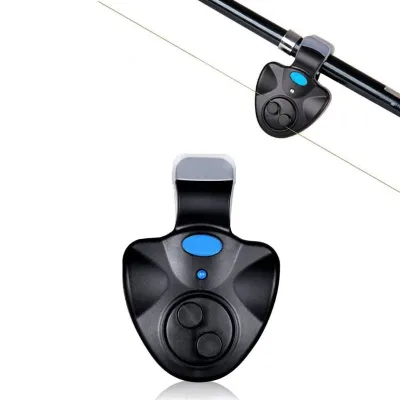
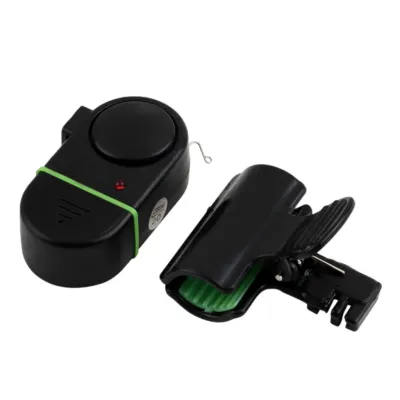
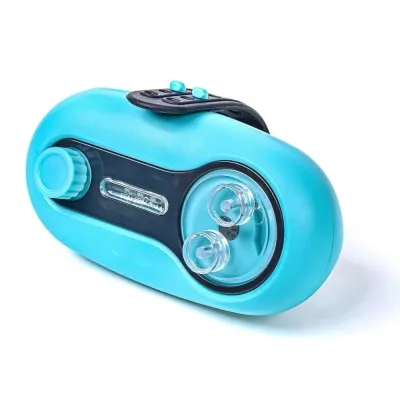
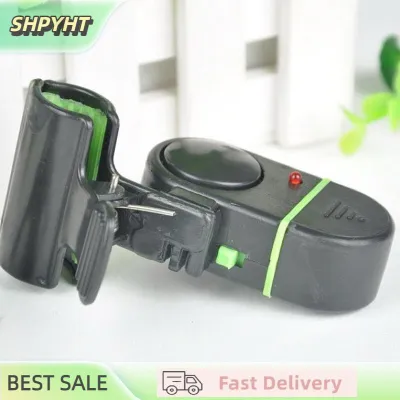
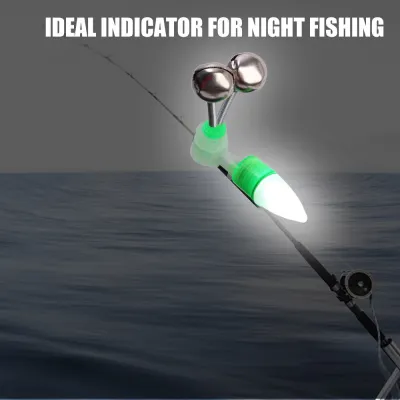
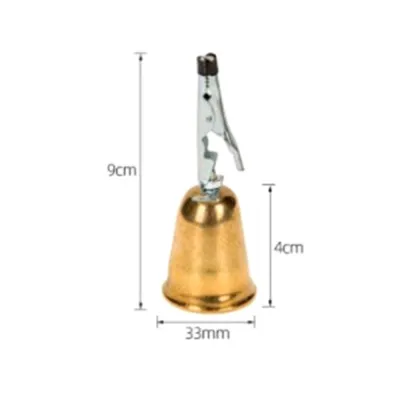
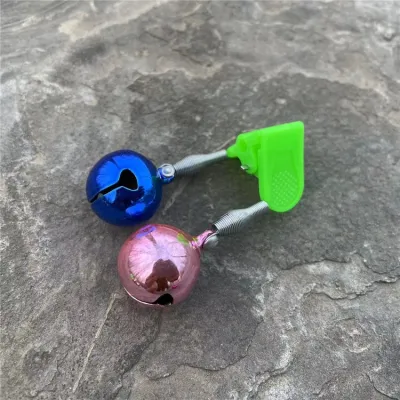
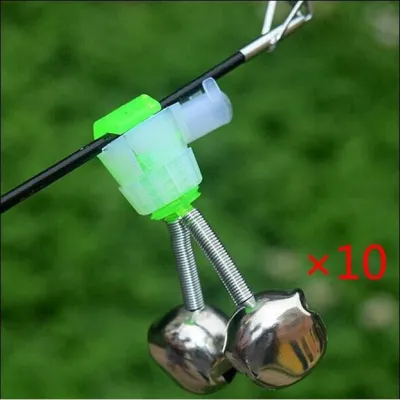
Prices are valid at publication and may change. Please refer to the product page for the latest price.
The primary environmental challenge is the combination of high relative humidity and sudden tropical downpours. In tropical climates, nighttime humidity often climbs above 80%, causing condensation to form on all exposed surfaces. Additionally, passing rain showers can saturate your gear in minutes. Standard daytime visual indicators, such as simple plastic bobbers or unprotected bells, do not provide the active, multi-sensory alerts needed when visibility drops to near zero.
Low visibility completely shifts your reliance from visual rod-tip watching to auditory and illuminated alerts. When you cannot see the tip of your rod against the dark water or sky, an electronic fishing alarm device acts as your eyes. It translates the physical pull of a fish into a sharp acoustic tone and a bright, flashing light, allowing you to monitor multiple rods simultaneously from a distance.
However, the dark also amplifies the risk of false alarms. Coastal fishing spots are frequently subjected to strong sea breezes, shifting tidal currents, and floating debris like seaweed or water hyacinths. These natural forces pull at your line, mimicking the bite of a fish. Without a sophisticated way to filter out these constant environmental movements, a basic alarm will trigger continuously, leading to fatigue and missed opportunities when a real fish strikes.
Essential Features to Check Before Buying a Fishing Alarm Device
Evaluating the technical specifications of a fishing alarm device before purchase ensures it can withstand harsh tropical conditions and perform reliably. Rather than relying on generic marketing claims, look for specific engineering features and physical build standards.

Weatherproofing and Humidity Resistance
Saltwater and high humidity are highly corrosive to electronics. When browsing for an electronic alarm, check the manufacturer’s stated Ingress Protection (IP) rating.
- IP65 or IP66 Ratings: These ratings indicate that the device is dust-tight and protected against water jets, making it highly suitable for heavy rain and splashing waves.
- Sealed Battery Compartments: Ensure the battery door features a thick rubber gasket or O-ring seal to prevent moisture from seeping into the electrical terminals.
- Corrosion-Resistant Hardware: Look for devices utilizing stainless steel, brass, or gold-plated contacts inside the battery compartment and on the external line roller, as these materials resist rust and galvanic corrosion over long-term exposure to salty air.
Sensitivity Controls for Wind and Current
A high-quality alarm must allow you to adjust how much line movement is required to trigger an alert. This is typically managed through adjustable sensitivity dials or digital settings on the device.
- High-Sensitivity Settings: Best used in calm freshwater lakes or slow-moving rivers where target species, such as tilapia or carp, bite cautiously and line tension is minimal.
- Low-Sensitivity Settings: Crucial when fishing in rough surf, strong tidal currents, or heavy winds. Lowering the sensitivity prevents the alarm from sounding every time a wave pushes the line, ensuring it only triggers when a fish makes a sustained run.
- Tone and Volume Adjustments: Look for alarms that let you change the pitch and volume. A lower-pitched tone often cuts through the sound of crashing waves better than a high-pitched squeak.
Night-Specific Audio and Visual Alerts
Visual and auditory indicators must be highly visible and customizable to help you manage your rods effectively in total darkness.
- Latching LEDs: Select alarms equipped with twin LED lights. One LED flashes during the active bite, while a second "latching" LED remains illuminated for 10 to 20 seconds after the movement stops, allowing you to identify exactly which rod was triggered.
- Multi-Colored LEDs: If you are running a multi-rod setup, using different colored LEDs (such as red, blue, and green) for each rod helps you immediately identify the active line without confusion.
- Mute and Headphone Jacks: Some premium alarms include a 2.5mm jack for illuminated indicators or wireless receivers. A temporary mute button is also valuable, allowing you to tighten your line or adjust your rod without broadcasting loud, disruptive noise across a quiet beach or lake.
Power Sources for Extended Sessions
Overnight fishing trips in remote locations require a dependable power strategy. You must weigh the convenience of rechargeable systems against the reliability of replaceable batteries.
- Replaceable Batteries (9V or AAA): Many robust alarms use standard 9V or AAA batteries. These are highly reliable because you can easily carry spares in a dry bag and swap them out instantly if they fail mid-session.
- Rechargeable Lithium Batteries: Built-in USB-rechargeable alarms eliminate the ongoing cost of disposable batteries. However, you must verify the manufacturer's estimated runtime (ideally 40 hours or more) and carry a portable power bank to recharge them in the field.
- Low-Battery Warnings: Choose devices that feature a dedicated low-battery indicator, such as a slow-flashing red light or a distinct startup tone, so you are never caught off guard by a dead unit.
Matching the Alarm to Your Specific Night Fishing Setup
Your choice of fishing alarm device should align directly with your target species, fishing style, and the physical characteristics of your chosen fishing spot.
Surf and Pier Fishing (High Wind and Wave Action)
Coastal surf casting and pier fishing demand heavy-duty equipment capable of handling high-energy environments. When fishing the open coastlines of Luzon or the Visayas, you will face constant wave action and strong coastal winds that put continuous tension on your main line.
- Recommended Alarm Type: Roller-wheel bite alarms mounted on heavy-duty bank sticks or rod pods, paired with mechanical drop-back indicators (also known as swingers or hangers).
- How It Works: The fishing line rests on a small roller wheel inside the electronic alarm. A weighted swinger is clipped onto the line between the reel and the alarm. When a fish runs away from you, the line rolls over the wheel, triggering the audio alert. If the fish swims toward you (a drop-back bite), the weighted swinger falls, pulling the line backward over the roller wheel to trigger a distinct, secondary tone.
- Key Specification: High maximum volume output (above 100 decibels) is necessary to ensure the alarm can be heard over the roar of crashing surf and wind.
Calm Lake and River Fishing (Subtle Bites and Snags)
Inland freshwater fishing in calm lakes, reservoirs, or slow-moving rivers requires a much more delicate approach. Species in these environments often bite cautiously, and loud, sudden noises can easily spook fish in shallow water.
- Recommended Alarm Type: High-sensitivity clip-on run alarms or vibration-sensing alarms that attach directly to the rod blank.
- How It Works: These compact devices clip onto the rod above the reel. The line is threaded through a small clip or sensor bar. The moment a fish gently nudges the bait, the micro-vibration or slight line tension triggers a localized LED flash and a low-volume beep.
- Key Specification: Micro-adjustable sensitivity settings and silent visual-only modes. This allows you to monitor your rods closely without disturbing nearby anglers, local wildlife, or residents living along the shoreline.
Setup and Maintenance Tips for Tropical Conditions
To maximize the lifespan of your fishing alarm device and prevent frustrating malfunctions, you must practice proper installation and post-trip care. Tropical saltwater environments are unforgiving to outdoor gear.
Proper Rod and Line Alignment
Incorrect setup is the leading cause of both missed bites and constant false alarms. Follow these steps to ensure clean mechanical operation:
- Secure the Mount: Ensure your bank sticks or rod pod are firmly planted in the sand or wedged securely into pier crevices. Any wobble in the rod stand will transfer to the alarm, causing false triggers.
- Position the Rod Angle: Position your rod at an angle of roughly 30 to 45 degrees relative to the water. This creates a clean path for the line to pass over the alarm's roller wheel.
- Thread the Line Correctly: Run the main line directly over the center of the alarm's roller wheel. Avoid wrapping the line around the wheel, which can cause excessive friction and line damage.
- Attach the Tensioner: If using a swinger or hanger, clip it onto the line behind the alarm. Adjust the sliding weight on the swinger arm so that it holds the line taut against the roller wheel without pulling the rod tip down.
Post-Trip Cleaning and Drying
Always consult your product’s specific user manual before performing maintenance. If manufacturer instructions conflict with these general steps, prioritize the manufacturer’s guidelines.
Saltwater spray leaves behind fine salt crystals that attract moisture and accelerate corrosion. Implement this simple, reversible cleaning routine after every saltwater trip:
- Wipe Down: Gently wipe the exterior of the alarm housing with a clean microfiber cloth lightly dampened with fresh water. Never submerge the device in water or use harsh chemical solvents.
- Remove Batteries: Open the battery compartment and remove the batteries immediately after your trip. This prevents chemical leakage and stops galvanic corrosion from forming on the contact terminals.
- Clean the Contacts: Inspect the battery terminals. If you notice any salt residue, gently wipe it away with a dry cotton swab.
- Air-Dry Completely: Leave the battery door open and allow the device to air-dry completely in a well-ventilated, indoor area out of direct sunlight for at least 24 hours before storing it in your tackle box.
Troubleshooting False Alarms
If your alarm keeps triggering without any fish on the line, systematically check the following variables:
- Check for Loose Rod Stands: Ensure your bank stick is not shifting in soft sand or mud under the weight of the rod.
- Lower the Sensitivity: Turn the sensitivity dial down by one or two increments to filter out the rhythmic pulling of waves or wind drag on the line.
- Inspect the Sensor Roller: Check the roller wheel for trapped debris, sand grains, or seaweed. A blocked roller will stick, causing the alarm to misread line tension.
- Check Battery Voltage: Low battery voltage can cause the internal microprocessor to malfunction, leading to erratic beeping or random LED flashes. Replace the battery with a fresh, high-quality cell to see if the issue resolves.
Frequently Asked Questions (FAQ)
Can I use a standard daytime bite alarm for night fishing?
While a basic daytime alarm will still detect bites, it is generally ill-suited for night fishing unless it features dedicated low-light capabilities. True night-compatible models include integrated, high-visibility LEDs (ideally with a latching function that stays lit after a bite) and adjustable tones that help you locate the active rod in pitch-black conditions. Before using a daytime model at night, verify that its visual indicators are bright enough to be seen clearly without the aid of a headlamp, and ensure it has a robust weatherproofing rating to handle overnight dew and condensation.
How do I prevent false alarms from strong sea breezes?
To minimize wind-induced false alarms, start by lowering the sensitivity setting on your electronic alarm device so it requires a more sustained pull to trigger. Next, position your fishing rods lower to the ground; keeping the rod tips close to the sand or pier deck reduces the amount of line exposed to the wind. Finally, use a heavier mechanical swinger or hanger indicator on your line. The added weight stabilizes the line against wind gusts, preventing the line from fluttering over the alarm’s sensor wheel while still allowing it to register a genuine strike.
Community discussion
Share your experience or ask a question. Comments are reviewed before publication.