
A successful fishing trip in the Philippines, whether casting from the rocky shores of El Nido or trolling the deep waters off Siargao, relies on having the right gear ready at a moment’s notice. Among the most critical yet overlooked items in an angler’s tackle box is a dedicated fishing hook quick removal tool. When a fish strikes, the clock begins ticking; minimizing the time a fish spends out of the water is vital for its survival, while protecting your hands from sharp teeth, toxic spines, and flailing hooks is essential for your own safety.
The best hook removal tools for Philippine waters must withstand intense tropical humidity and high-salinity marine environments. Anglers need tools that offer a secure, non-slip grip, sufficient reach to keep fingers away from dangerous jaws, and the mechanical leverage to extract deeply embedded hooks swiftly. By matching your specific fishing style—whether reef fishing for grouper or casting for freshwater tilapia—with the correct dehooker, you can ensure a safer, more efficient, and highly rewarding experience on the water.
Why Quick Hook Removal Matters for Catch and Release
When a fish is pulled from the water, it experiences immediate physiological stress. In the warm, tropical waters of the Philippines, dissolved oxygen levels are lower than in colder climates, meaning fish are already operating under higher metabolic demands. Prolonged handling and air exposure rapidly deplete their energy reserves, leading to lactic acid buildup that can prove fatal even hours after release. A swift dehooking process minimizes this critical out-of-water time, directly boosting post-release survival rates.
Products mentioned in this guide

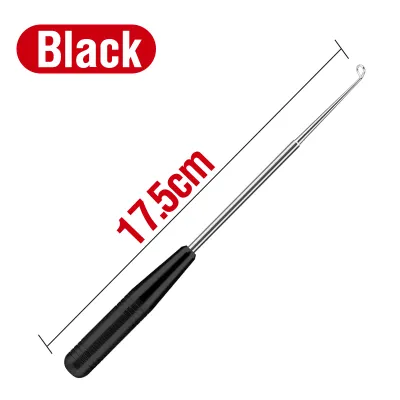
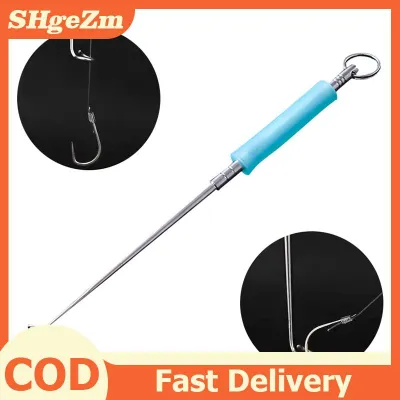
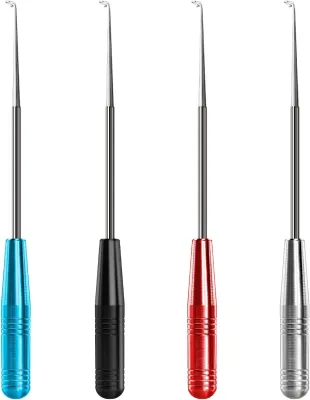
![[COD] SHGMYD Fishing Hook Remover Stainless Steel Hook Detacher Removal Fishhook Disgorger](https://img.lazcdn.com/g/p/39a2fb96f889473c80db0c190c9a98d3.jpg_400x400q80.jpg_.webp)
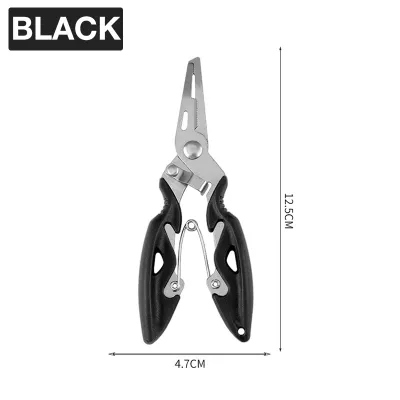
Prices are valid at publication and may change. Please refer to the product page for the latest price.
Beyond the conservation aspect, quick dehooking is a fundamental safety practice for the angler. Many popular local target species, such as the barracuda, mangrove jack, and various trevally species, possess razor-sharp teeth or powerful, crushing jaws. Other species, like the venomous spinefoot or spiny groupers, present physical hazards that can easily puncture skin. A thrashing fish with a loose treble hook dangling from its mouth is a recipe for an emergency room visit; a reliable tool provides the necessary physical separation to neutralize this risk.
Forcing a hook out with bare hands or improper tools often tears the delicate membranes of a fish’s mouth, throat, or gill arches. Gills are highly vascularized organs; even a minor tear can cause a fish to bleed to death in minutes. Utilizing a specialized tool allows you to apply precise, directional force to back the barb out along its entry path, preserving the structural integrity of the fish’s mouth and ensuring it can continue to feed and breathe normally after release.
Key Features to Look for in a Hook Remover
The Philippine archipelago presents some of the most corrosive fishing environments in the world. High ambient humidity combined with warm saltwater will rapidly degrade inferior metals, seizing pivots and rusting jaws within days. When selecting a tool, prioritize marine-grade materials such as 316 stainless steel, titanium-coated alloys, or anodized aircraft-grade aluminum. These materials form a protective oxide layer that resists the aggressive pitting caused by saltwater exposure, ensuring the tool remains functional when you need it most.

The business end of your hook remover must lock onto the hook shank without slipping. Serrated jaws provide the friction necessary to grip slippery, slimy metal hooks, preventing the tool from twisting uselessly when you apply pressure. Some advanced pliers also feature specialized grooves for holding different wire gauges. Additionally, check if the jaws incorporate secondary utility features, such as integrated split-ring openers for quick lure modifications or carbide line cutters capable of slicing through tough braided lines.
Wet, slimy hands are a constant reality when fishing. Look for handles wrapped in high-density EVA foam, textured rubber, or non-slip thermoplastic elastomers that maintain their grip even when thoroughly soaked. The length of the tool is another critical variable; longer shafts are essential for deep-throat extractions, keeping your hands well clear of sharp gill plates and thrashing teeth. For general use, a tool length of 7 to 10 inches strikes an ideal balance between reach and portability.
Types of Hook Removal Tools and Their Best Uses
Long-Nose and Needle-Nose Pliers
These are the workhorses of the angling world. Characterized by their elongated, narrow jaws, these pliers allow you to reach into a fish’s mouth to grasp the hook shank firmly. Their primary advantage lies in their versatility; a single pair of high-quality fishing pliers can crimp sleeves, cut heavy monofilament or braided lines, split rings, and remove hooks.
However, they do have distinct limitations. Because your hand remains relatively close to the nose of the pliers, they are best suited for smaller to medium-sized species where the hook is easily visible and accessible. They are less effective for deep-throat hookings in larger, toothy predators, as the physical profile of your hand and the tool can block your line of sight and bring your fingers dangerously close to the fish’s teeth.
T-Handle and Pistol-Grip Dehookers
Specifically engineered for deep extractions and maximum safety, T-handle and pistol-grip dehookers utilize a mechanical pull-and-twist system. The angler hooks the loop at the end of a long, slender shaft onto the bend of the fishing hook, then squeezes a trigger or pulls a T-bar to lock the hook in place. With a simple twist and push, the hook is dislodged and pulled safely out of the fish.
This design keeps your hands completely clear of the fish’s mouth, making it the gold standard for handling aggressive, toothy pelagic species. The long, narrow shaft provides an unobstructed view of the throat, allowing for highly precise movements. The trade-off is that these are single-purpose tools; they cannot cut line, crimp weight, or open split rings, meaning you will still need to carry a pair of pliers on your belt for other rigging tasks.
Hook-Out Tools and Disgorgers
Disgorgers are the simplest and most traditional dehooking tools available. Typically constructed from plastic, brass, or stainless steel, a disgorger consists of a slender rod with a slotted, notched tip. To use it, you keep the fishing line taut, slide the notch down the line until it seats against the curve of the hook, and then push downward to disengage the barb before lifting the hook out.
These tools are exceptionally lightweight, inexpensive, and highly effective for small-mouthed fish caught on light tackle, such as farmed tilapia or wild river barbs. However, they are entirely unsuitable for large, heavy-wire hooks or powerful marine species. They offer no mechanical leverage, meaning attempting to use them on a thrashing marine predator is highly likely to result in a bent tool, a damaged fish, or a painful self-inflicted injury.
How to Choose the Right Tool for Your Target Catch
When targeting reef-dwelling species like snapper, grouper, or sweetlips around shallow coral heads and estuaries, you need a tool that can handle thick-gauge hooks and deep, muscular mouths. A combination of a heavy-duty, 8-inch stainless steel needle-nose plier and a medium-length T-handle dehooker is ideal. The pliers provide the leverage needed to twist out heavy bait hooks, while the T-handle dehooker helps navigate around the sharp, abrasive gill rakers common in these species.
If you are trolling offshore or casting lures for high-speed predators like barracuda, Spanish mackerel, or giant trevally, safety is your absolute priority. For these scenarios, a heavy-duty pistol-grip dehooker with an extended shaft of 11 inches or more is non-negotiable. This tool allows you to maintain a safe distance from razor-sharp teeth and powerful jaws that can easily crush fingers. Ensure the tool is rated for heavy saltwater use and features an anodized aluminum or titanium-coated shaft to resist the brutal marine spray.
For inland adventures targeting tilapia, snakehead, or introduced largemouth bass in lakes like Pantabangan or Caliraya, a lightweight approach is best. A compact, 6-inch aluminum multi-functional plier is perfect for these environments. These pliers are light enough to wear on a lanyard or carry in a pocket during long hikes or kayak trips. They easily handle the lighter wire hooks used in freshwater setups and include sharp line cutters that make quick work of changing lures on the fly.
Safe Dehooking Practices and Tool Maintenance
Before you even touch a fish, always wet your hands or use a wet, rubberized landing net. Dry hands strip away the fish’s protective slime coat, leaving it highly vulnerable to bacterial and fungal infections. When extracting the hook, work quickly but calmly; do not yank or tear. If you find that a fish has swallowed the hook deeply into its stomach or gill arches, do not attempt to force it out. Forcing a deep extraction almost always causes fatal internal hemorrhaging. Instead, use your line cutters to snip the leader as close to the hook eye as possible. The fish’s natural digestive processes will often rust out or encapsulate the hook over time, giving it a much higher chance of survival.
Even the highest-quality marine-grade tools will eventually succumb to rust if neglected. Establish a strict post-trip maintenance routine: immediately after returning from the water, rinse your pliers and dehookers thoroughly under warm, fresh running water to remove salt crystals, sand, and fish slime. Dry them completely with a clean towel. Finally, apply a drop of high-quality reel oil, mineral oil, or a specialized corrosion inhibitor to the pivot joints, springs, and jaw faces. Work the action several times to ensure even penetration, which keeps the movement smooth and prevents binding before your next outing.
Frequently Asked Questions (FAQ)
Can I use regular household pliers for fishing?
It is highly discouraged to use standard household pliers for fishing. Household tools are typically made from high-carbon steel without any corrosion-resistant coatings, meaning they will begin to rust and seize after a single exposure to humid air or saltwater. Furthermore, their bulky jaws lack the precision needed to extract small hooks safely, often crushing the hook barb or slipping off, which increases the risk of tearing the fish’s mouth or puncturing your own hands.
What should I do if the hook is swallowed too deeply?
If a hook is deeply embedded in the throat, gills, or stomach, the safest action is to cut the fishing line as close to the hook eye as possible and release the fish immediately. Attempting to wrench a deeply set hook out causes massive internal tissue damage and bleeding, which is almost always fatal. Studies have shown that fish have a remarkably high survival rate when released with the hook left in place, as their bodies can wall off the metal or gradually dissolve it.
Are titanium hook removers worth the extra cost?
For dedicated saltwater anglers who fish frequently in the demanding marine environments of the Philippines, titanium or titanium-coated tools are well worth the investment. Titanium is completely impervious to saltwater corrosion and offers an exceptional strength-to-weight ratio, ensuring the tool will last for years without seizing. However, if you primarily fish in freshwater lakes or only head out to sea occasionally, high-quality, budget-friendly stainless steel tools under ₱1,000 will perform perfectly well provided they receive proper freshwater rinsing and lubrication after each trip.
Community discussion
Share your experience or ask a question. Comments are reviewed before publication.