
A fishing vest lifejacket is a specialized personal flotation device (PFD) designed specifically for anglers. Unlike standard orange marine lifejackets, which are bulky and intended solely for emergency flotation, a fishing vest lifejacket integrates buoyancy panels with functional gear storage, such as tackle pockets, tool loops, and rod holders. This hybrid design allows you to keep essential gear accessible while ensuring you remain buoyant if you accidentally fall into the water. Navigating the selection process requires balancing critical trade-offs: maximum storage capacity versus lightweight breathability, and the reliable, low-maintenance flotation of inherent foam versus the compact, cool comfort of inflatable models. Ultimately, your choice depends on your primary fishing environment—whether casting from a kayak, wading along shorelines, or trolling from a motorized boat—and how well the gear manages the intense heat and humidity of the tropical climate.
How to Choose the Right Vest for Philippine Fishing Conditions
Buoyancy and Safety Standards
Safety is the primary function of any personal flotation device. When evaluating a fishing vest lifejacket, always inspect the manufacturer’s label for recognized safety certifications, such as ISO 12402, US Coast Guard (USCG) approval, or equivalent international maritime standards. These certifications specify the minimum buoyancy rating, typically measured in Newtons (N). For general coastal and inland angling, a Level 50 or Level 70 (minimum 15.5 pounds or 70 Newtons of lift) buoyancy aid is standard. However, these devices are designed for competent swimmers in relatively calm waters close to shore where rescue is nearby. They do not guarantee that an unconscious person will be turned face-up in the water. If you fish in rough offshore waters, a higher-buoyancy Level 100 or Level 150 lifejacket is necessary.
Choose between inherent foam and inflatable designs based on your risk tolerance and maintenance habits. Inherent foam vests use soft, closed-cell foam blocks to provide constant, passive flotation. They require zero activation, cannot be punctured, and will keep you afloat even if you are incapacitated. The trade-off is bulk and heat retention. Inflatable models use compressed CO2 canisters to inflate a bladder, either automatically upon immersion or manually via a pull cord. Inflatables are incredibly low-profile and cool to wear, but they require active maintenance, regular inspection of the inflation mechanism, and do not provide immediate buoyancy until activated. Remember, no equipment can replace formal water safety training, swimming ability, and situational awareness. If a tropical storm or heavy swell approaches, the safest decision is to return to shore immediately.
Products mentioned in this guide
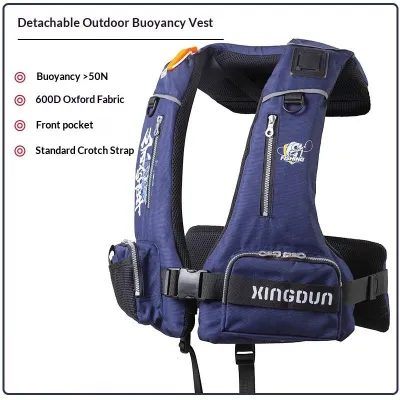
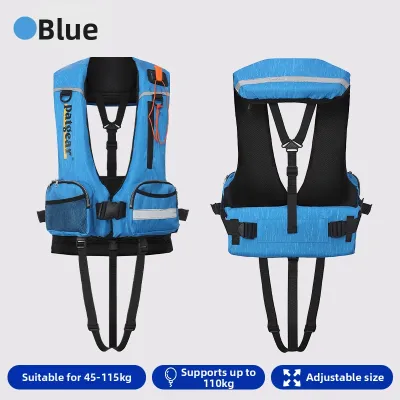
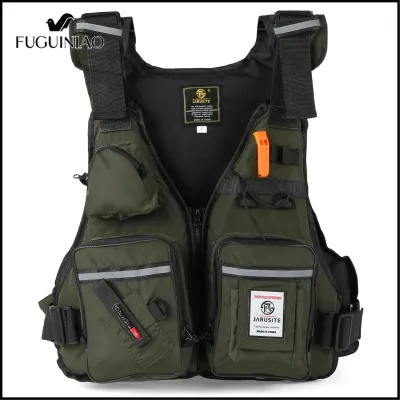
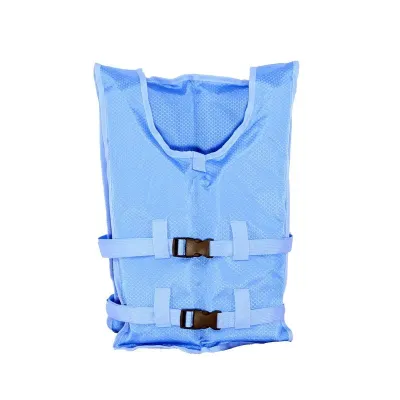
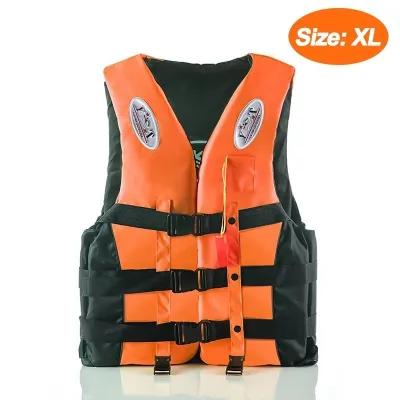
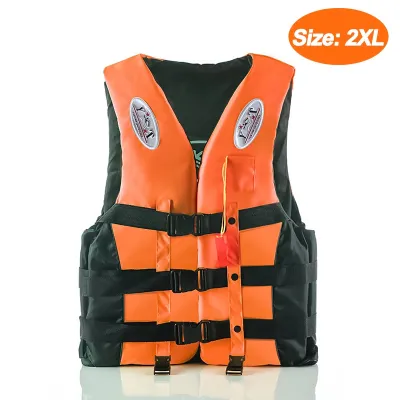
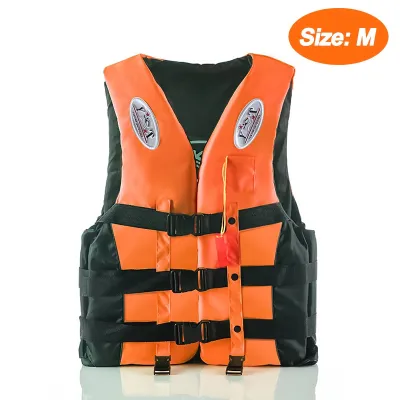
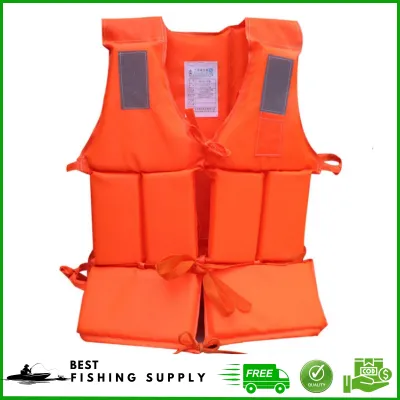
Prices are valid at publication and may change. Please refer to the product page for the latest price.
Storage and Gear Organization
The defining feature of a fishing vest lifejacket is its utility. Look for a layout that matches your typical tackle loadout. Front-facing zippered pockets should be large enough to hold standard utility boxes without sagging. Specialized compartments for line cutters, pliers, and soft plastics keep tools within arm’s reach. Look for integrated D-rings, webbing loops, and retractor clips to secure loose gear, preventing them from falling into the water. A built-in rod holder—typically a combination of a lower webbing loop and an upper hook-and-loop strap—allows you to free up both hands to tie knots or change lures.
Pay close attention to weight distribution. Storing heavy items, such as lead sinkers, heavy pliers, or spare metal jigs, in high chest pockets can alter your center of gravity, making you top-heavy and unstable both in your boat and in the water. Always pack heavier tools and tackle in the lowest available pockets to keep your center of gravity low. This distribution prevents the vest from pulling forward and ensures a more natural, upright floating position in an emergency.
Climate Adaptability and Comfort
Angling in the Philippines means dealing with intense tropical heat, high humidity, and sudden downpours. A heavy, solid-backed foam vest can quickly trap body heat, leading to discomfort, excessive sweating, and an increased risk of heat exhaustion. To stay comfortable during long hours on the water, prioritize vests with extensive mesh panels on the back and sides. High-quality mesh allows maximum airflow, helping to cool your core.
Look for moisture-wicking interior linings that draw sweat away from your skin. Neoprene-lined collars or padded shoulder straps are also highly beneficial, as they prevent the vest from chafing against your neck and shoulders when wet. If you fish primarily in saltwater, ensure the fabrics are treated to resist UV degradation, as prolonged exposure to intense tropical sunlight can weaken synthetic fibers over time.
Fit and Mobility
A lifejacket only works if it fits securely and remains on your body during an impact or fall. When trying on a vest, loosen all the straps, put it on, and then tighten them starting from the waist up to the shoulders. Once adjusted, have someone pull up firmly on the shoulder straps. If the vest slides up past your chin or ears, it is too loose or too large. A poorly fitted vest will ride up in the water, pushing your head down and restricting your breathing.
The vest must also allow a full range of motion. Your shoulders and arms must remain completely free to cast, reel, paddle, or steer without restriction. Look for deep-cut armholes and adjustable side straps that let you customize the fit over different clothing layers, whether you are wearing a thin UV-protection rash guard or a rain jacket.
Top Fishing Vest Lifejackets Categorized by Angling Style
Best Overall for Versatile Boat and Shore Fishing
The Stearns Comfort Series Angler Vest is a premier choice for general-purpose anglers who transition between bank fishing, estuary wading, and small motorized boats. It features a durable nylon shell encasing soft, flexible PVC foam panels that conform comfortably to the torso. The storage system includes two large zippered front pockets designed to fit medium-sized tackle boxes, along with multiple accessory loops and a handy rod holder strap.

- Buoyancy Type: Inherent closed-cell foam.
- Material: 200D nylon shell with soft PVC foam inserts.
- Storage Layout: Two zippered front pockets, dual D-rings, and a rod holder.
- Price Band: Mid-range (typically ₱3,500 to ₱5,500).
- Pros: Highly durable construction, excellent front storage space, and reliable passive flotation that requires no maintenance.
- Cons: The full-foam back can feel warm during windless, high-humidity afternoons, and the overall bulk may feel restrictive for highly active casting styles.
- Ideal User: Anglers seeking a durable, dependable, and low-maintenance flotation vest with ample storage for diverse coastal and freshwater fishing environments.
Best for Kayak and Paddleboard Anglers
Specifically engineered for seated paddle sports, the Onyx Kayak Fishing Life Jacket features a high-back design where the flotation foam is concentrated in the upper back, leaving the lower back covered only by a breathable mesh panel. This unique layout prevents the vest from pushing against high-back kayak seats, ensuring you can sit comfortably and paddle without the hem bunching up around your chin.
- Buoyancy Type: Inherent foam with high-back placement.
- Material: Heavy-duty nylon outer shell with breathable mesh lower back.
- Storage Layout: One large drop-down pocket that acts as a small workstation, one zippered pocket, a fleece-lined handwarmer pocket, and dedicated lash tabs for knives or safety lights.
- Price Band: Premium (typically ₱5,500 to ₱8,000).
- Pros: Exceptional comfort when seated, outstanding ventilation along the lower back, and highly organized front pockets designed for quick access while paddling.
- Cons: Reduced rear foam coverage means less cushioning against hard impacts from behind, and the high-back design concentrates buoyancy higher up, which may feel different to swimmers accustomed to traditional vests.
- Ideal User: Kayak, canoe, and stand-up paddleboard anglers who prioritize seated comfort, paddle mobility, and specialized tool organization.
Best Lightweight Option for High Heat and Humidity
For anglers who find traditional foam vests too hot and bulky under the tropical sun, the Mustang Survival MIT 100 Inflatable PFD (Manual) offers a minimalist alternative. It sits comfortably around your neck and shoulders, leaving your chest and back completely open to the air. The vest remains flat and uninflated until you pull the manual inflation cord, which punctures a CO2 cylinder to instantly fill the high-visibility bladder.
- Buoyancy Type: Manual inflatable (uses a 24g CO2 cylinder).
- Material: Durable 500D nylon outer protective shell with a heavy-duty polyurethane-coated nylon inner bladder.
- Storage Layout: Minimalist design with a single small zippered pocket for keys or a whistle; relies on external gear belts or packs for tackle storage.
- Price Band: Premium (typically ₱7,000 to ₱10,000).
- Pros: Unmatched cooling and freedom of movement, extremely lightweight, and provides high buoyancy (typically 28 lbs / 120N) once fully inflated.
- Cons: Zero inherent buoyancy until activated, requires regular inspection and manual rearming after every inflation, and offers virtually no tackle storage pockets.
- Ideal User: Experienced anglers fishing in extreme heat who prioritize maximum ventilation and mobility, and are comfortable managing the strict maintenance schedule of inflatable safety gear.
Best Budget-Friendly Entry-Level Vest
The LALIZAS Fishery Buoyancy Aid provides an affordable entry point for beginners and occasional anglers without compromising on essential safety. It strips away complex features like integrated fly patches or hydration sleeves, focusing instead on reliable inherent buoyancy and basic utility. The vest features a durable outer fabric, secure adjustable waist straps, and simple front pockets for basic tackle storage.
- Buoyancy Type: Inherent EPE foam.
- Material: Durable polyester outer fabric with lightweight foam inserts.
- Storage Layout: Two front cargo pockets with hook-and-loop closures.
- Price Band: Budget (typically under ₱2,500).
- Pros: Very economical, lightweight, simple to use, and requires no specialized maintenance.
- Cons: Limited pocket organization, basic adjustment straps that may slip under heavy loads, and less breathable than premium mesh-backed models.
- Ideal User: Casual anglers, weekend hobbyists, or those needing a reliable spare lifejacket for guests on their boat.
Essential Maintenance and Safety Checks for Tropical Climates
Pre-Trip Safety Inspections
Regular inspections are vital to ensure your lifejacket performs when needed. For inherent foam vests, examine the outer fabric for tears, heavy abrasion, or UV damage, which can expose the inner foam. Squeeze the foam panels to check for compression or degradation; if the foam feels hard, brittle, or crumbles, the vest must be replaced immediately. Test all plastic buckles, zippers, and slide adjusters to ensure they snap securely and do not slip under tension.
For inflatable vests, the pre-trip checklist is more demanding. Open the protective cover to inspect the CO2 cylinder. Ensure the cylinder is tightly screwed into the inflator mechanism and has not been punctured. Check the automatic or manual indicator green tabs; if they are red, the system is disarmed and needs a new rearming kit. Verify that the water-soluble bobbin or automatic pill is not expired or damaged by humidity. Finally, inspect the manual pull tab to ensure it hangs freely and is easily accessible.
Post-Trip Cleaning Routines
Saltwater, sand, and fish slime are highly corrosive and can quickly degrade your lifejacket’s materials. After every outing, rinse the vest thoroughly with clean, cool fresh water. Pay close attention to zippers, buckles, and metal D-rings, as salt crystals can accumulate in these areas and cause them to seize or corrode.
Never use harsh chemical detergents, bleach, or solvents to clean your vest, as these substances can break down the waterproof coatings, weaken synthetic webbing, and degrade the buoyancy foam. Instead, use a mild, pH-neutral soap and a soft-bristled brush to gently scrub away stubborn dirt or fish slime. For inflatable vests, ensure the manual inflation tube cap is securely closed during rinsing to prevent water from entering the bladder, and avoid getting water inside the automatic firing mechanism if it is an automatic model.
Drying and Storage Best Practices
Proper drying and storage are critical to preventing mold, mildew, and material degradation in hot, humid climates. After rinsing, hang your vest on a plastic, non-corrosive hanger in a shaded, well-ventilated outdoor area. Never dry your lifejacket in direct, intense sunlight, as UV rays break down nylon fibers and make plastic buckles brittle over time. Never use a clothes dryer or direct heat source like a radiator, as extreme heat can melt or deform the internal flotation foam.
Ensure the vest is completely dry inside and out before storing it. Storing a damp vest in a dark, enclosed space like a boat locker or a plastic bin will rapidly lead to mold and mildew growth, which ruins the fabric and creates unpleasant odors. Store your dry vest in a cool, dry, dark closet or a well-ventilated storage area. Avoid placing heavy gear on top of your foam vest during storage, as prolonged compression permanently flattens the closed-cell foam, reducing its overall buoyancy.
Frequently Asked Questions (FAQ)
Do I need a specific certification for lifejackets in the Philippines?
Yes, if you are operating or riding on registered maritime vessels in local waters, the Philippine Coast Guard (PCG) and MARINA mandate the use of approved personal flotation devices. While recreational shore-based anglers are not legally required to wear lifejackets, wearing an internationally certified PFD (such as those with USCG or ISO certification) is highly recommended for personal safety. Always check the manufacturer’s label to ensure it displays a recognized safety certification mark, and consult local port or marina authorities for specific safety requirements before setting sail.
How often should I replace the CO2 cylinder in an inflatable fishing vest?
A CO2 cylinder does not have a strict expiration date and can remain functional indefinitely if it is unpunctured, free of rust, and stored in a dry environment. However, you must replace the cylinder immediately after any inflation event, whether manual or automatic. Additionally, the water-sensitive bobbin or automatic firing pill in automatic inflatable vests has a strict expiration date—typically three years from the manufacture date—and must be replaced sooner if exposed to high humidity or accidental splashing. Inspect the cylinder for surface rust or pitting before every trip, and replace it if any corrosion is detected.
Can I use a standard boating lifejacket instead of a fishing-specific vest?
You can certainly use a standard boating lifejacket, as it provides the necessary buoyancy to keep you safe in the water. However, standard marine lifejackets lack the specialized utility features that make fishing vests so practical. They do not have dedicated pockets for tackle boxes, tool attachments, or rod holders, which often forces anglers to carry separate gear bags that restrict movement. Investing in a dedicated fishing vest lifejacket combines safety with convenience, ensuring you stay protected without sacrificing your ability to cast, rig, and access your gear efficiently.
Community discussion
Share your experience or ask a question. Comments are reviewed before publication.