
Selecting a fitness ring for women in the Philippines requires balancing your personal strength goals with the unique demands of a tropical environment. Often referred to as a Pilates ring or magic circle, this lightweight accessory provides targeted, low-impact resistance to tone the core, arms, chest, and thighs. Because local workout spaces can range from air-conditioned boutique studios to humid home setups, understanding how different materials and designs perform under local conditions is essential for making a lasting investment. The right ring should offer consistent tension, comfortable grips, and a durable structure that resists the degrading effects of moisture and sweat over time. By aligning your choice with your specific fitness level and routine, you can maximize the benefits of this versatile tool while ensuring your equipment remains safe and hygienic for years to come.
Integrating a fitness ring for women into your daily regimen can elevate bodyweight exercises by adding a layer of continuous resistance. This resistance forces stabilizing muscles to engage, promoting better posture, balance, and core strength. Unlike heavy dumbbells or bulky gym machines, a fitness ring is highly accessible and gentle on the joints, making it an excellent option for women of all fitness levels. However, because the market is filled with various styles, materials, and sizes, finding the ideal ring requires a closer look at the key specifications that impact performance, durability, and safety.
How to Choose the Right Fitness Ring for Your Routine
Selecting the ideal fitness ring involves evaluating several critical factors, starting with how the materials interact with the local climate. In the Philippines, high relative humidity and warm temperatures can cause low-quality fitness gear to degrade rapidly. When evaluating materials, fiberglass and thermoplastic elastomer (TPE) are the two primary options. Fiberglass cores are highly favored for their structural memory, meaning they return to their original circular shape even after thousands of compressions. This material provides a firm, progressive resistance that is highly effective for building strength. On the other hand, TPE and soft plastic rings offer a more flexible, lightweight, and joint-friendly feel, making them excellent for beginners or those focusing on gentle mobility work. In a humid climate, TPE is highly resistant to moisture, whereas low-grade metal cores in cheaper rings can rust if their protective coatings are compromised.
Products mentioned in this guide
Prices are valid at publication and may change. Please refer to the product page for the latest price.
Resistance and flexibility must match both your current physical strength and your specific fitness goals. A ring that is too stiff can lead to strained muscles and poor form, while a ring that is too flexible will fail to challenge your muscles. If your routine focuses on upper-body toning, such as chest presses and arm pulses, you will generally require a firmer ring that can withstand stronger pushes. Conversely, for lower-body exercises like inner thigh squeezes or pelvic floor activation, a moderate to flexible ring is often more manageable and allows for a fuller range of motion. It is highly beneficial to test the flexibility of a ring before purchasing, ensuring that you can compress it comfortably while still feeling a distinct, controlled resistance.
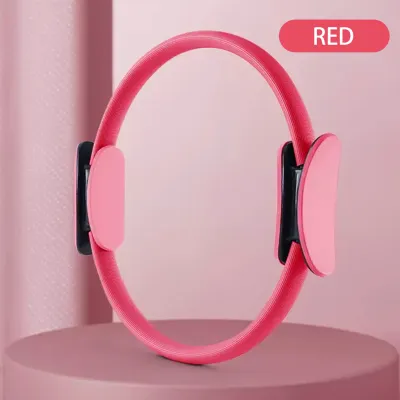
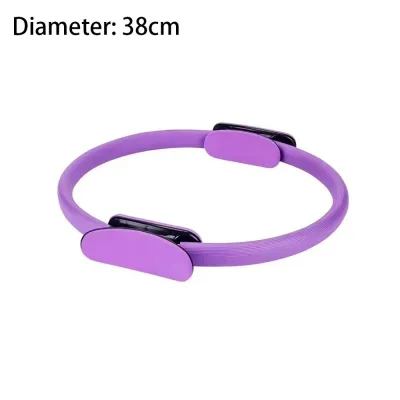
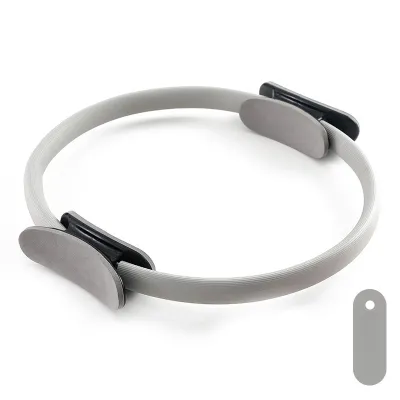
Handle design is another crucial element that directly impacts your comfort and grip security during a workout. Most Pilates rings feature dual padded handles, which are curved pads positioned on both the inside and outside of the ring’s circumference. This dual-sided design is essential because it allows you to perform both adduction exercises (squeezing inward) and abduction exercises (pressing outward). The quality of the padding matters immensely; cheap, open-cell foam handles can act like sponges, absorbing sweat, body oils, and moisture, which quickly leads to bacterial growth and unpleasant odors. Opting for high-density, closed-cell EVA foam or textured TPE handles ensures a non-slip grip even during sweaty, high-intensity sessions, while also making the ring much easier to sanitize.
Finally, size and portability dictate how easily you can integrate the ring into your daily life. The standard diameter for adult fitness rings is between 14 and 15 inches, which aligns naturally with the shoulder and hip width of most users. This standard size is highly versatile, accommodating a wide range of exercises from full-body stretches to deep core work. However, if you have a smaller body frame, limited storage space, or a lifestyle that involves frequent travel, a mini fitness ring measuring 8 to 10 inches in diameter may be a more practical choice. Mini rings are incredibly lightweight and can easily slide into a backpack or carry-on bag, allowing you to maintain your fitness routine whether you are at home, in the office, or on a weekend getaway.
Top Fitness Ring Styles for Women in the Philippines
To help you navigate the options available at local sports retailers and online marketplaces, we have categorized the most common fitness ring styles. Each style serves a distinct purpose, catering to different fitness levels, exercise preferences, and physical needs.

Best Fiberglass Ring for Advanced Core Resistance
An advanced core routine requires a fitness ring that can deliver high levels of consistent resistance without warping or losing its shape over time. Fiberglass rings are the premier choice for intermediate to advanced fitness enthusiasts who want to challenge their muscles during deep core work, chest presses, and upper-body sculpting. The natural elasticity of fiberglass provides a smooth, progressive resistance curve, meaning the ring becomes increasingly difficult to compress the further it is bent, mimicking the feel of professional studio equipment.
When shopping for a fiberglass ring, look for models that feature a high-quality fiberglass core completely encased in a thick, protective rubber or foam sleeve. The handles should be ergonomically curved and covered with high-density, sweat-resistant EVA foam to ensure your hands or ankles do not slip mid-exercise. Because fiberglass is inherently stiff, these rings excel at high-resistance movements but are less suited for gentle rehabilitation or extreme flexibility exercises that require deep, highly pliable bending.
- Target Audience: Intermediate to advanced fitness enthusiasts, Pilates practitioners, and those focusing on upper-body strength and deep core engagement.
- Key Features to Look For: A multi-layered fiberglass core, a seamless outer protective rubber casing, and dual-sided non-slip EVA foam handles.
- Pros: Exceptional durability, excellent shape retention, and high, progressive resistance for effective muscle toning.
- Limitations: Stiffer feel that may be challenging for beginners; strict bending limits to prevent structural damage.
- Buying Checklist: Verify the manufacturer's maximum recommended bending limit, inspect the handle attachments for seamless bonding, and check that the outer sleeve is free of bubbles or gaps.
Best Soft TPE Ring for Beginners and Joint Care
For those who are new to resistance training, recovering from minor joint stiffness, or seeking a low-impact stretching companion, a soft TPE fitness ring is highly recommended. Unlike rigid fiberglass, TPE (thermoplastic elastomer) rings are incredibly flexible, lightweight, and gentle on the body. They provide a mild, linear resistance that allows beginners to focus on mastering their form and alignment without straining their muscles or joints.
These rings are typically molded as a single piece of flexible plastic or TPE, featuring integrated, textured grips rather than bulky padded handles. This streamlined design makes them exceptionally lightweight and easy to handle. While they are highly durable and virtually impossible to snap, the trade-off is that they do not offer enough resistance for advanced strength building. Additionally, TPE can become pliable and lose its elasticity if exposed to extreme heat, so care must be taken when storing it in tropical climates.
- Target Audience: Beginners, seniors, individuals in physical therapy, and those looking for a gentle stretching tool.
- Key Features to Look For: Single-piece molded TPE construction, integrated textured non-slip grips, and a lightweight, highly flexible profile.
- Pros: Extremely gentle on joints, highly flexible, lightweight, and virtually indestructible under normal use.
- Limitations: Low resistance level that may not satisfy advanced users; sensitive to high heat and prolonged sun exposure.
- Buying Checklist: Confirm the material is non-toxic and odor-free, check for a textured surface that provides secure hand placement, and ensure the ring flexes smoothly without creasing.
Best Padded Dual-Handle Ring for Inner Thigh Work
If your primary fitness goals include toning your inner thighs (adductors), activating your glutes, and strengthening your pelvic floor, a classic padded dual-handle ring is the ideal tool. Often referred to as the traditional “magic circle,” this style is specifically engineered to provide maximum comfort during lower-body squeezing motions. Placing a hard or poorly padded ring between your knees or ankles can cause discomfort and bruising, which quickly discourages consistent training.
To prevent this, these rings feature extra-thick, contoured pads on both the inside and outside of the handles. The curved shape of the pads conforms naturally to the contours of your legs, distributing pressure evenly across a wider surface area. This ergonomic design allows you to perform high-repetition thigh squeezes and bridge pulses comfortably. While highly optimized for lower-body work, the bulky, prominent handles can make this style slightly less versatile for certain upper-body exercises that require asymmetrical or fluid hand transitions.
- Target Audience: Women focusing on lower-body toning, inner thigh strengthening, glute activation, and pelvic floor exercises.
- Key Features to Look For: Generously padded, extra-thick contoured handles on both sides, and a moderately flexible spring steel or fiberglass core.
- Pros: Superior comfort for knees and ankles, ergonomic pressure distribution, and excellent stability during lower-body floor work.
- Limitations: Bulky handles can restrict hand placement versatility during specialized upper-body movements.
- Buying Checklist: Ensure the padding is made of high-rebound, closed-cell foam that resists flattening, and verify that the handles are securely riveted or molded to the core.
Best Mini Fitness Ring for Travel and Glute Activation
For the woman on the move, a mini fitness ring offers a compact, highly portable solution that fits seamlessly into a busy lifestyle. Measuring just 8 to 10 inches in diameter, this mini version of the classic Pilates ring is designed for targeted, high-repetition exercises. It is particularly effective for isolating smaller muscle groups, such as the gluteus medius during lateral leg raises, clamshells, or standing resistance walks.
Because of its smaller size, a mini ring is incredibly easy to pack in a suitcase, gym bag, or even a large tote, making it perfect for maintaining your fitness routine during business trips or vacations. The smaller diameter also provides a more comfortable fit for petite users who find standard 14-inch rings too wide for proper hip alignment. However, the compact size means it cannot be used for wide-grip chest presses, overhead stretches, or exercises that require a broader range of motion.
- Target Audience: Frequent travelers, busy professionals, petite users, and those seeking a dedicated tool for isolated glute and hip activation.
- Key Features to Look For: A compact 8-to-10-inch diameter, a highly flexible yet durable core, and a low-profile, lightweight design.
- Pros: Extremely portable, easy to store, and highly effective for isolating smaller muscle groups and maintaining proper alignment for petite frames.
- Limitations: Limited versatility; not suitable for full-body stretches or wide-grip upper-body exercises.
- Buying Checklist: Look for reinforced outer edges to prevent snapping during high-repetition leg work, and verify that the surface material is non-porous and easy to clean.
Quick Comparison of Recommended Pilates Rings
To help you quickly identify which style best aligns with your fitness goals and lifestyle, we have summarized the key characteristics of each ring type in the table below. All comparisons are based on stable, observable product characteristics to help you make an informed decision.
| Ring Style | Primary Material | Resistance Level | Handle Type | Best Suited For |
|---|---|---|---|---|
| Fiberglass Ring | Fiberglass Core & EVA Foam | Firm (Progressive) | Dual Padded (EVA) | Advanced Core, Chest, & Upper-Body Strength |
| Soft TPE Ring | Thermoplastic Elastomer | Gentle to Moderate | Integrated Textured Grips | Beginners, Joint Care, & Stretching |
| Padded Dual-Handle | Spring Steel/Fiberglass | Moderate to Firm | Thick Contoured Pads | Inner Thigh, Glutes, & Pelvic Floor |
| Mini Fitness Ring | Flexible Composite Plastic | Moderate (Targeted) | Low-Profile Padded | Travel, Office Workouts, & Glute Isolation |
Safe Usage and Maintenance in a Humid Climate
Using sports equipment safely requires understanding its physical limits and maintaining it properly, especially when dealing with the high humidity and ambient salt air common in coastal regions of the Philippines. Practicing proper care not only extends the lifespan of your fitness ring but also protects you from potential workout injuries.
Safety Boundaries and Equipment Inspection
Before every workout session, it is critical to perform a quick visual and tactile inspection of your fitness ring. This is particularly important for fiberglass rings. While fiberglass is highly durable, bending it beyond its structural limits or applying uneven, twisting forces can cause the core to crack, splinter, or snap unexpectedly. A snapping ring can release sudden tension, posing a risk of bruising or impact injuries to your face, eyes, and limbs.
To inspect your ring, run your hands along the entire circumference, feeling for any deep creases, structural soft spots, or cracks beneath the foam padding. Look closely at the connection points where the handles meet the ring, checking for any signs of peeling, loose rivets, or structural separation. If you detect any cracks, exposed fiberglass fibers, or severe warping, stop using the ring immediately and replace it. Equipment should never replace proper physical training and control; always perform exercises with smooth, steady movements rather than sudden, jerky motions.
Proper Bending and Exercise Techniques
To preserve the structural integrity of your fitness ring, always apply force in a straight, linear direction. Avoid twisting the ring or applying asymmetrical pressure, such as pushing harder with one hand or leg than the other. When performing floor exercises, ensure the ring is positioned securely on a non-slip exercise mat to prevent it from sliding out from under your feet or knees. If you feel the ring slipping or shifting mid-exercise, pause, reset your alignment, and resume the movement with controlled tension.
Cleaning and Hygiene for Tropical Workouts
In the humid Philippine climate, sweat and moisture can quickly accumulate on your fitness ring, turning the foam padding and grips into a breeding ground for bacteria, mold, and mildew. To keep your ring hygienic and odor-free, wipe it down immediately after every workout. Use a soft, damp cloth with a mild, non-abrasive soap solution, or opt for an alcohol-free, equipment-safe disinfectant wipe. Avoid using harsh chemical cleaners, bleach, or abrasive scrubbing pads, as these can degrade TPE, dry out foam padding, and dissolve the adhesives holding the handles in place.
Optimal Storage Conditions
Proper storage is essential for preventing material degradation over time. Always store your fitness ring flat on a shelf or inside a drawer, rather than hanging it by one handle, which can cause flexible TPE or plastic rings to warp and lose their circular shape. Keep the ring in a cool, dry, and well-ventilated space away from direct sunlight. Prolonged exposure to ultraviolet (UV) rays and high heat—such as leaving your ring in a parked car or on a sunny balcony—can cause plastic and TPE materials to become brittle, foam padding to crack, and adhesives to fail. By protecting your ring from extreme environmental factors, you ensure it remains a safe and reliable partner in your fitness journey.
Frequently Asked Questions (FAQ)
What is the standard size for a Pilates fitness ring?
The standard diameter for most adult Pilates fitness rings is between 14 and 15 inches (approximately 35 to 38 cm). This size is designed to match the average shoulder and hip width of adult users, providing optimal alignment and comfort during standard chest presses, core exercises, and leg squeezes. It is highly recommended to check the manufacturer’s product dimensions to ensure the ring fits your specific body mechanics comfortably.
Can a fitness ring help with postpartum pelvic floor recovery?
Yes, gentle resistance exercises using a soft or moderately flexible fitness ring can help activate the deep core, inner thighs, and pelvic floor muscles. However, because postpartum recovery timelines and physical conditions vary greatly, it is crucial to consult your healthcare provider or a certified pelvic floor physical therapist before starting any new exercise routine. They can guide you on the safe progression of movements tailored to your recovery stage.
How do I clean my fitness ring after a sweaty workout?
To clean your fitness ring, wipe it down immediately after use with a soft, damp cloth and a mild soap solution, or use a non-abrasive, alcohol-free disinfectant wipe. Pay special attention to the padded handles where sweat accumulates. After cleaning, allow the ring to air-dry completely in a well-ventilated, shaded area before storing it flat in a cool, dry place to prevent moisture buildup and mold growth.
Community discussion
Share your experience or ask a question. Comments are reviewed before publication.