
Water activities require constant adult supervision, and no piece of swim gear can ever replace water safety training or active parental oversight. When managing children at a busy public pool, community clubhouse, or beach resort in the Philippines, keeping track of locker keys is a minor but persistent logistical challenge. A lost key can quickly disrupt a family day out, leading to lost time, replacement penalties from the resort, and unnecessary stress.
Using a dedicated swim keychain is a practical way to prevent locker keys from sinking to the bottom of deep pools or getting lost in beach sand. To choose the right option for your child, it is essential to understand how different materials behave in water, how to match the keychain to your child’s swimming habits, and how to maintain the gear to ensure it remains reliable over time.
Essential Features of a Reliable Kids' Swim Keychain
Standard keychains made of metal, heavy plastic, or decorative leather are poorly suited for aquatic environments. These materials are dense and quickly sink to the bottom when dropped, dragging the attached locker key down with them. Leather can also absorb water, becoming heavier and prone to mold, while cheap metals corrode rapidly when exposed to pool chemicals or saltwater.
Products mentioned in this guide
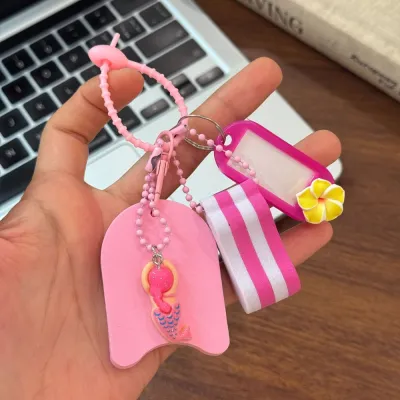
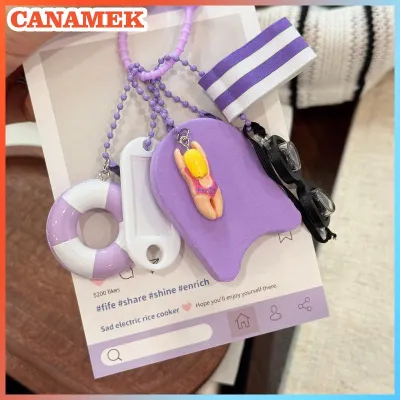
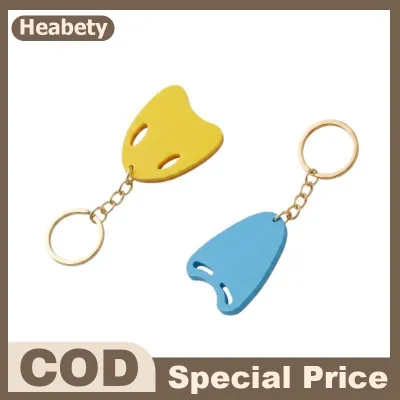
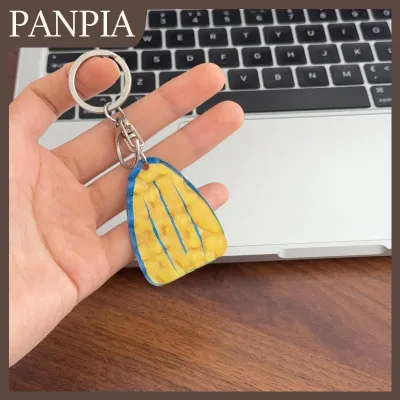
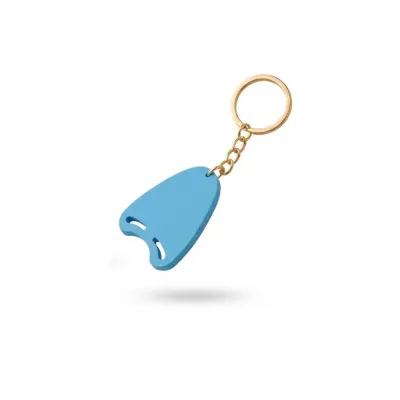
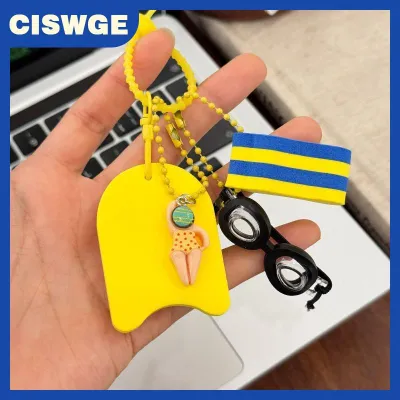
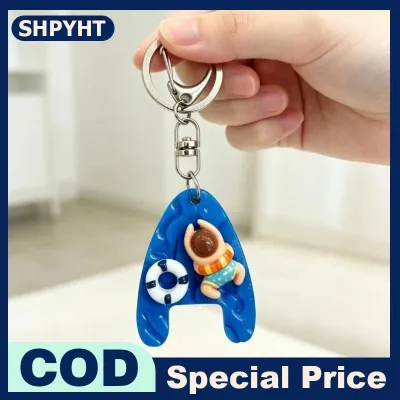
Prices are valid at publication and may change. Please refer to the product page for the latest price.
A reliable swim keychain must possess positive buoyancy, meaning the buoyant force of the keychain must exceed the combined weight of the float, the metal key, and the split ring. This physical property ensures that if the key slips from a child’s hand or wrist, the entire assembly immediately rises to the surface of the water rather than sinking into the deep end.
In addition to buoyancy, the keychain must be made of water-resistant, non-absorbent materials that dry quickly and resist degradation from chlorine and saltwater. The attachment mechanism, typically a split ring or a carabiner, must be secure enough to withstand active splashing, diving, and swimming without accidentally releasing the key.
High visibility is another critical feature. Even if a keychain floats, it can easily drift away in a crowded wave pool or a beach cove. Opting for bright, high-contrast colors makes it much easier to spot the keychain from a distance or through the glare of the tropical sun on the water’s surface.
Best Types of Floating Keychains for Pool and Beach Use
Foam Float Keychains
Foam float keychains are among the most common and traditional options available. These are typically manufactured from closed-cell foam, such as ethylene-vinyl acetate (EVA) or polyurethane. Unlike open-cell foam, which acts like a sponge and absorbs water, closed-cell foam contains tiny, sealed air pockets that prevent water penetration, maintaining its buoyant properties even after hours of submersion.

These keychains are incredibly lightweight and offer excellent buoyancy relative to their size. They are often molded into simple geometric shapes, such as cylinders or key-shaped blocks, and are available in a wide range of bright, solid colors that are highly visible in the water.
However, closed-cell foam has some practical limitations. It can be relatively bulky, making it less comfortable for a child to hold while actively swimming. Over time, heavy exposure to intense tropical UV rays and pool chlorine can cause the foam to dry out, crumble, or fade. Younger children may also be tempted to chew on the soft foam, which can damage the float and compromise its structural integrity.
Neoprene Wristband Keychains
Neoprene wristband keychains offer a wearable design that focuses on prevention. Made from the same synthetic rubber used in wetsuits, neoprene is highly flexible, durable, and comfortable against the skin. By securing the key directly to the child’s wrist or ankle, the risk of dropping the key in the first place is virtually eliminated.
Neoprene is naturally water-resistant and dries quickly once out of the water. The material stretches easily, allowing children to slide the band over their hands independently while maintaining a snug fit that prevents it from slipping off during active swimming or diving.
Despite these benefits, proper sizing is critical when choosing a neoprene wristband. If the band is too loose, it can easily slide off a child’s small hand during a vigorous swim stroke; if it is too tight, it can restrict blood flow or cause skin irritation in hot, humid weather. Parents must also regularly inspect the stitching and the attachment point where the metal ring connects to the fabric, as this is a common point of wear.
Silicone and Rubber Floaties
Silicone and rubber keychains are highly durable, molded options that appeal directly to children. These are often shaped like fun characters, marine animals, or sports equipment. Solid silicone is extremely tough, resistant to tearing, and completely non-absorbent, making it exceptionally easy to clean and sanitize after a day at the pool.
Unlike foam, silicone does not degrade easily when exposed to chlorine, saltwater, or direct sunlight. It maintains its shape and flexibility over years of use, making it a highly durable investment for families who swim regularly.
However, solid silicone is naturally denser than foam. To provide sufficient buoyancy, a silicone keychain must either be designed with an internal hollow air chamber or have a very large surface area relative to its weight. Parents must carefully verify the manufacturer’s buoyancy specifications, as some decorative silicone keychains are water-resistant but do not actually float when loaded with a heavy metal locker key.
Air-Filled or Inflatable PVC Keychains
Air-filled or inflatable PVC keychains function similarly to miniature beach balls or arm floaties. They consist of a sealed PVC pocket filled with air, offering an exceptionally high buoyancy-to-weight ratio. Because they are filled with air, they can support heavier keys or electronic fobs without sinking.
These keychains are often highly reflective or feature bright, neon patterns that stand out in both clear pool water and darker ocean waves. When deflated, they lay completely flat, making them incredibly easy to pack in a swim bag or travel kit for beach trips.
The primary drawback of air-filled PVC is the risk of puncture. A sharp locker key, a rough concrete pool edge, or a stray seashell can easily puncture the thin PVC membrane. A slow leak will cause the keychain to lose air and sink unexpectedly, meaning parents must check the firmness of the float before every single use.
How to Match the Keychain to Your Child's Swimming Habits
Age and Responsibility Level
When choosing a swim keychain, match the design to your child’s developmental stage and swimming style. Toddlers and younger children (under 7 years old) generally lack the situational awareness to hold onto a loose keychain or keep track of where they place it. For this age group, a wearable neoprene wristband is highly recommended, as it keeps the key physically attached to their body without requiring active attention.
Older children (8 to 12 years old) who are developing more responsibility can often manage standard foam or silicone keychains. These can be held in hand during transitions or clipped securely to a swim bag or zipper pull when not in use, helping them practice managing their own gear.
Environmental Considerations
The specific water environment plays a significant role in material durability. Public pools in the Philippines often use high concentrations of chlorine to maintain hygiene in hot, humid weather. Chlorine is highly corrosive to cheap plastics and can cause foam to degrade quickly. For regular pool use, high-quality silicone or heavy-duty neoprene options tend to hold up best.
For beach trips, such as family outings to Batangas or Boracay, saltwater and fine sand present different challenges. Saltwater accelerates the corrosion of metal split rings, while fine sand can get trapped in the fibers of a neoprene wristband, causing skin irritation. For sandy beach environments, smooth silicone or sealed PVC keychains are easier to rinse clean and maintain.
Key Weight Matching
Locker keys vary significantly in weight. A simple, thin aluminum key is very light and can be supported by almost any floating keychain. However, heavy brass keys, brass padlocks, or electronic RFID fobs require substantially more buoyant force.
Before trusting any keychain in deep water, perform a simple sink test at home. Attach your specific locker key or fob to the keychain and drop it into a bucket of water or a sink filled with water. If the keychain struggles to stay afloat or sits low in the water, you will need to upgrade to a larger foam float or an air-filled PVC option with a higher buoyancy rating.
Visibility Tactics
In the bright, direct sunlight of tropical climates, harsh glare on the water surface can make it difficult to spot floating objects. Avoid blue, green, or clear keychains, as they easily blend in with pool water and ocean waves. Instead, choose high-contrast neon shades such as neon yellow, bright orange, or hot pink, which stand out clearly against both light-colored pool tiles and dark, sandy beach beds.
Comparing Floatation Materials for Different Water Scenarios
To help narrow down your choice, the table below summarizes the key differences between the primary floatation materials based on their general properties and best use cases.
| Material/Type | Buoyancy Level | Best Use Case | Pros | Cons |
|---|---|---|---|---|
| Closed-Cell Foam | High | Standard pool lockers | Very lightweight, highly visible, affordable | Bulky, degrades under UV/chlorine over time |
| Neoprene Wristband | Moderate | Active swimming, younger kids | Wearable, secure, highly comfortable | Sizing is critical, stitching can wear down |
| Solid Silicone/Rubber | Low to Moderate | Frequent pool/beach use | Extremely durable, easy to clean, fun designs | Denser material, requires verification of buoyancy |
| Air-Filled PVC | Very High | Heavy keys, travel | High buoyancy, compact when deflated | Vulnerable to punctures and slow leaks |
Use this comparison to assess your specific needs—such as the weight of your locker key and your child’s activity level—before purchasing a keychain from a local sports store or online retailer.
Maintenance Tips to Keep Swim Keychains Floating and Secure
Rinsing Protocols
After every swim session, thoroughly rinse the keychain with clean, fresh tap water. This simple step removes residual chlorine, salt, and sand that can otherwise degrade the materials over time. Pay special attention to rinsing the metal split ring or carabiner, as salt and chlorine buildup can accelerate rust and weaken the spring mechanism.
Pre-Swim Inspection
Before letting your child enter the water, perform a quick physical inspection of the keychain. Check foam keychains for deep cracks or tears that could cause them to break apart. Inspect neoprene bands for frayed stitching or loss of elasticity, and squeeze air-filled PVC floats to ensure they are firm and free of slow leaks. Finally, verify that the metal split ring is tightly closed and that the key cannot easily slide off.
Drying and Storage
Proper drying is essential to prevent the growth of mold and mildew, particularly for fabric-based materials like neoprene. Hang the keychain to dry in a well-ventilated, shaded area. Avoid leaving swim keychains in direct, harsh sunlight—such as on a hot concrete pool deck or a car dashboard—for extended periods, as extreme heat and UV exposure can dry out, warp, or crack the materials.
Hardware Care
If you notice any signs of rust or corrosion on the metal split ring, replace it immediately. A rusted ring can snap under tension, causing the key to sink even if the keychain itself remains afloat. When purchasing replacements, look for marine-grade stainless steel or plastic-coated brass rings, which offer superior resistance to corrosion in both chlorinated and saltwater environments.
Frequently Asked Questions (FAQ)
Can a floating keychain hold multiple keys or an electronic fob?
Floating keychains are designed with specific weight limits in mind. While a standard foam or silicone float can easily support one or two lightweight aluminum keys, adding multiple heavy brass keys or a bulky electronic RFID fob can exceed the float’s buoyant capacity, causing it to sink. Always test your specific key combination in a shallow basin or sink at home before relying on it in deep water.
Are wristband keychains safe for young children in the water?
Yes, provided they fit correctly and are used under adult supervision. A wristband must fit snugly enough that it does not slide off during active swimming, but it should not be so tight that it restricts circulation or causes skin chafing. Ensure there are no loose, dangling loops that could catch on pool drains, ladders, or toys. Remember that a swim keychain is strictly a tool for securing items and is not a personal flotation device.
What should I do if the metal ring starts to rust?
If the metal split ring or carabiner shows any signs of rust, replace it immediately. Rust weakens the metal, making it brittle and prone to snapping under tension, which can result in the key falling off and sinking. Replace the rusted hardware with a marine-grade stainless steel ring, a solid brass split ring, or a heavy-duty plastic-coated alternative designed specifically for wet environments.
Community discussion
Share your experience or ask a question. Comments are reviewed before publication.