
Selecting a floating vest for adult water sports requires matching the gear to the specific activity, water conditions, and your personal swimming ability. There is no single “universal” vest that performs perfectly across all water disciplines. For high-mobility paddling like kayaking, a low-profile foam vest with large armholes is essential. For stand-up paddleboarding, an inflatable belt pack or a streamlined foam vest provides the balance and range of motion you need. Snorkelers benefit most from lightweight, front-inflating vests that assist with face-down positioning, while high-speed activities like jet skiing demand rugged, multi-strap foam vests designed to withstand high-impact falls. Choosing the correct floating vest for adult safety ensures you remain buoyant and secure without compromising your performance or comfort on the water.
Understanding Buoyancy Types and Safety Labels
Before selecting a vest, it is crucial to understand the two primary categories of personal flotation devices (PFDs): inherent buoyancy and inflatable buoyancy. Inherent buoyancy vests rely on built-in closed-cell foam panels. They are always buoyant, requiring no action from the wearer. These reliable, low-maintenance vests provide immediate flotation upon entering the water, making them the standard choice for rough waters, high-speed sports, and weak swimmers.
In contrast, inflatable vests rely on chambers filled by carbon dioxide (CO2) cylinders or oral tubes. Manual models require pulling a cord, while automatic models inflate upon immersion. Though comfortable and low-profile when deflated, they require regular maintenance, cylinder replacement, and are unsuitable for high-speed sports or weak swimmers.
Products mentioned in this guide
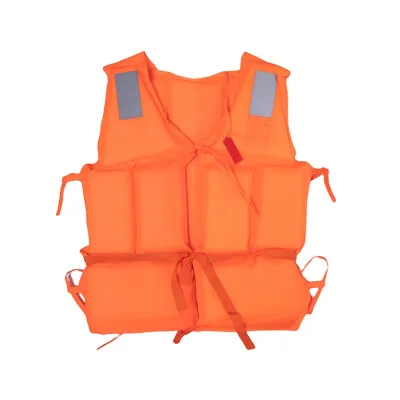
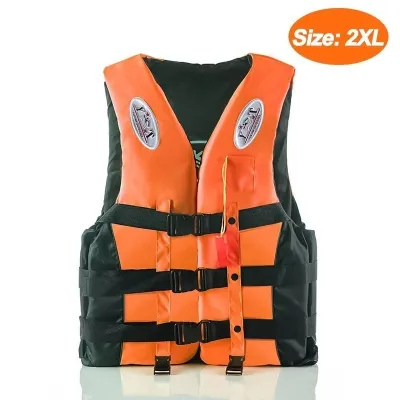
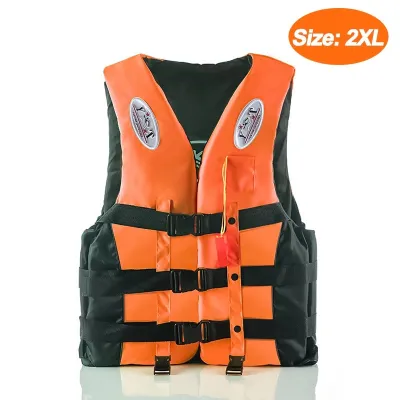
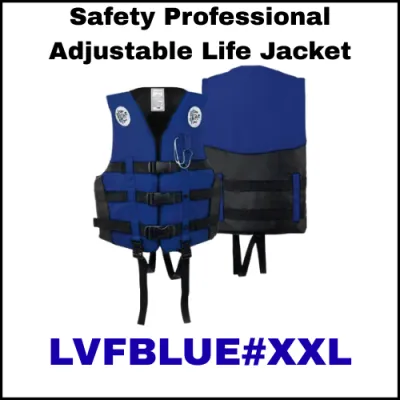
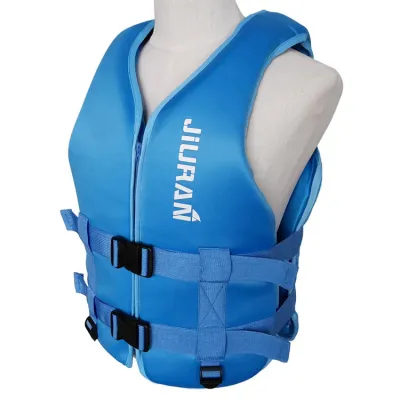
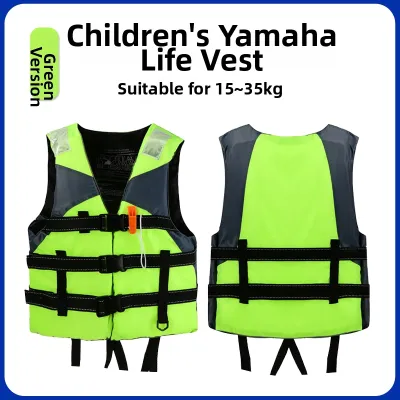
Prices are valid at publication and may change. Please refer to the product page for the latest price.
Always check the product tag for safety certification labels. Look for recognized international standards such as ISO 12402 or United States Coast Guard (USCG) approval. These certifications guarantee rigorous testing for buoyancy, material strength, and inflation reliability. Avoid products featuring only unverified marketing claims without official certification numbers.
Verify the manufacturer’s specified weight capacity and chest size limits on the label. A floating vest for adult users must match both your weight and chest measurements. An undersized vest restricts breathing and movement, while an oversized vest can easily slip off over your head in the water.
Matching the Right Floating Vest to Your Water Sport
Different water sports present distinct environmental challenges, movement patterns, and fall risks. A vest designed for one activity can be restrictive or hazardous in another. To stay safe, match the physical design, profile, and buoyancy distribution of the vest to your specific sport.

Kayaking and Canoeing
Paddling requires repetitive arm motions and a seated posture. Standard life jackets often ride up against the chin or rub under the arms. To prevent this, look for low-profile, high-back designs tailored for paddlesports. These feature a high back foam panel that sits above the kayak’s seat, preventing the vest from pushing upward.
Large armholes are also critical, allowing your shoulders to rotate freely without chafing. Segmented foam inserts, cut into flexible blocks that contour to your torso, enable natural twisting motions as you paddle.
Additionally, a quality paddling vest should include secure, zippered front pockets for essential safety gear. This keeps items like a marine whistle, multi-tool, or a waterproof key case within arm’s reach during emergencies.
Stand-Up Paddleboarding (SUP)
Stand-up paddleboarding relies on maintaining a stable center of gravity and utilizing your core for balance. Bulky foam vests can shift your weight distribution and make board re-entry difficult. For flat-water paddling, many adult paddleboarders prefer inflatable belt packs worn around the waist, which stay out of the way of your paddle stroke and keep you cool.
If you prefer constant foam protection, choose an ultra-low-profile design. The vest must fit snugly to prevent it from riding up over your head if you fall. A secure fit is vital because climbing back onto an SUP requires pulling your chest over the rail; a loose vest will snag on the edge.
Snorkeling and Surface Swimming
Snorkeling is a relaxed, face-down activity that takes place on the water’s surface. Standard life jackets are designed to roll a wearer onto their back, which actively fights against a snorkeler’s natural swimming position. Specialized snorkeling vests are designed with front-only buoyancy chambers and adjustable straps that wrap around the waist and crotch to keep the vest from riding up.
Many of these vests feature oral inflation tubes. This allows you to manually blow air into the vest to rest on the surface, or deflate it completely if you wish to dive down a few meters to inspect a reef. Once you return to the surface, you can easily reinflate it with a few breaths.
These designs are lightweight and streamlined to minimize drag in calm, tropical waters. Furthermore, visibility is a major safety factor when snorkeling near boat traffic. Always select snorkeling vests in bright, high-visibility colors like neon yellow, orange, or hot pink, making you easily identifiable to boat operators, jet skiers, and lifeguards from a distance.
Jet Skiing and Wakeboarding
High-speed water sports like jet skiing, wakeboarding, and water skiing involve a high risk of hard impacts with the water surface. At high speeds, hitting the water can feel like hitting a solid surface, which can disorient you or temporarily knock the wind out of you. For these activities, high-buoyancy, close-fitting foam vests are mandatory.
These vests must feature multiple heavy-duty straps (typically three or four) with robust quick-release buckles, reinforced zippers, and heavy-duty stitching on the armholes to withstand the extreme shear forces of a high-speed fall. The snug, wrapped fit acts as a protective layer for your ribs and torso, absorbing some of the impact energy.
Never use loose-fitting vests or inflatable-only vests for high-speed towed sports. An inflatable vest cannot deploy fast enough to protect you during an immediate impact, and the inflation bladder can easily burst under high-velocity water pressure. A loose foam vest can be ripped clean off your body upon hitting the water, leaving you without flotation when you need it most.
Key Features to Verify Before Buying
When evaluating different models of a floating vest for adult use, look beyond the basic style and inspect the construction details. High-quality materials and smart design elements directly impact how long the vest will last and how well it will perform in real-world conditions.
Strap and Buckle Durability: Examine the webbing and buckles closely. The straps should be made of thick, UV-resistant nylon or polyester webbing that does not slip easily through the adjusters. Buckles must be constructed from heavy-duty, impact-resistant plastic that snaps together with a clear, audible click. Ensure the buckles do not bend or pop open when you pull hard on the straps.
Visibility: Open-water safety relies heavily on being seen. Look for vests equipped with retroreflective tape panels on the shoulders or upper chest. These panels reflect light back to searchlights or boat headlights in low-light conditions or during evening emergencies. Bright, contrasting fabric colors are highly recommended over dark blues, greens, or blacks, which blend into the water.
Climate Considerations: In humid, tropical environments like the Philippines, wet gear is highly susceptible to mold, mildew, and salt corrosion. Choose vests featuring quick-drying, antimicrobial fabrics and breathable mesh drainage panels at the bottom. These panels allow water to drain instantly rather than pooling inside the fabric. Zippers should be made of marine-grade, non-corrosive plastics or treated metals that resist salt crusting and jamming after exposure to saltwater and sweat.
Can One Floating Vest Work for Multiple Activities?
It is common to wonder if a single floating vest can serve all your water sports needs, especially if you enjoy a variety of weekend activities. In some cases, cross-scenario compatibility is perfectly safe. For example, a high-quality, low-profile foam paddling vest designed for kayaking can easily transition to casual stand-up paddleboarding on flat lakes or calm coastal waters. It provides reliable, constant buoyancy and enough upper-body mobility for both activities.
However, attempting to use a single vest across highly contrasting sports introduces severe safety risks. A lightweight snorkeling vest is completely unsafe for jet skiing because it lacks the structural integrity, secure strapping, and impact protection required for high-speed falls. Conversely, a heavy, four-buckle jet ski vest is highly impractical for snorkeling, as its bulk will restrict your swimming stroke and force you onto your back, preventing you from looking down comfortably.
Compromising on the fit or design of your vest simply to save money by buying a single “universal” option can lead to equipment failure or physical danger. If your primary activities are highly specialized—such as combining high-speed wakeboarding with long-distance kayaking—you should invest in two separate, activity-specific vests. Your safety on the water depends on gear that is engineered for the specific physical forces and rescue scenarios of each sport.
Proper Fit, Maintenance, and Safety Boundaries
Even the most advanced floating vest will fail to protect you if it does not fit correctly or if the materials have degraded due to poor maintenance. Establishing a consistent routine for fitting and caring for your gear is essential for long-term safety.
The Fit Test: To perform a proper fit test, put on the vest and tighten all straps starting from the waist and moving upward to the shoulders. Once secured, have a partner grab the shoulder straps of the vest and pull firmly upward. If the vest slides up past your chin, nose, or ears, it is too loose or too large. You must tighten the straps further or try a smaller size. The vest should feel snug like a firm hug, but still allow you to breathe deeply and rotate your torso comfortably.
Care Routine: Saltwater, sweat, and UV rays are the primary enemies of safety gear. After every use, rinse your vest thoroughly with clean, fresh water to wash away salt crystals, chlorine, sand, and organic matter. Hang the vest to air-dry on a thick plastic hanger in a well-ventilated, shaded area. Never dry your vest in direct sunlight, as UV radiation breaks down the synthetic fabrics and weakens the internal foam. Avoid using heat sources like hair dryers or clothes dryers, which can melt or warp the materials.
When to Retire: Inspect your vest before every season. You must replace your vest immediately if you observe signs of permanent compression or waterlogging in the foam, broken or cracked plastic buckles, frayed webbing straps, rusted or jammed zippers, or faded safety labels that are no longer legible.
Safety Boundary: Always remember that a floating vest is a safety aid, not a guarantee of survival. It cannot replace basic swimming skills, physical fitness, or sound judgment. Before heading into open water, assess local weather conditions, water currents, and tide schedules. Never push past your personal physical limits, and always respect the water.
Frequently Asked Questions (FAQ)
Are inflatable floating vests safe for non-swimmers?
No, manual inflatable floating vests are not recommended for weak or non-swimmers. A manual inflatable vest requires the user to remain calm, conscious, and physically capable of finding and pulling the inflation cord while struggling in the water. In a panic situation, a non-swimmer may fail to activate the device. Automatic inflatable vests carry the risk of mechanical failure if the salt tablet or CO2 cylinder is compromised. For anyone who cannot swim confidently, an inherent foam vest is the safest choice because it provides instant, unconditional buoyancy the moment you hit the water, requiring zero user action to keep you afloat.
How often should I replace my adult floating vest?
The lifespan of a floating vest depends heavily on usage, UV exposure, and maintenance, but a general guideline is to replace it every five to seven years, or sooner if it shows physical wear. For inflatable vests, you must check the manufacturer’s label for specific expiry dates on the CO2 cylinders and automatic bobbins, which typically require replacement every one to three years even if unused. For traditional foam vests, perform a squeeze test: if the foam feels hard, brittle, permanently compressed, or waterlogged, its buoyancy has degraded, and the vest must be retired and replaced immediately to ensure your safety.
Community discussion
Share your experience or ask a question. Comments are reviewed before publication.