
In the Philippines, basketball is more than just a sport; it is a daily passion that thrives in every barangay. However, when the heavy rains of the monsoon season arrive or when living in a compact condominium in Metro Manila, playing on an outdoor court becomes impossible. Traditional leather or rubber basketballs are far too loud, heavy, and destructive for indoor use, often leading to scuffed walls, broken household items, or noise complaints from downstairs neighbors. A foam basketball offers a quiet, safe, and highly practical alternative that allows you to practice your handles, work on your shooting form, or enjoy a active game indoors without the associated noise and damage.
Using a foam basketball bridges the gap between outdoor play and indoor training. These specialized balls are engineered from advanced polyurethane or ethyl-vinyl acetate (EVA) foam, allowing them to absorb impact energy and minimize sound while still providing a functional bounce. Whether you are looking to introduce your toddler to the fundamentals of dribbling, seeking a quiet way to play in an apartment, or wanting to refine your shooting mechanics close to a wall, choosing the right foam basketball can keep your passion for the game alive indoors.
Why Switch to a Foam Basketball?
Safety remains the primary reason to transition to a foam basketball for indoor environments. Traditional basketballs are heavy and rigid, which can easily lead to jammed fingers, bruised faces, or shattered glass when thrown indoors. A high-quality foam ball is lightweight and compressible, significantly reducing the impact force if it accidentally strikes a child, a window, or a television screen. This safety profile makes it an exceptional tool for beginners who are still developing their hand-eye coordination and may feel intimidated by the weight of a standard ball.
Products mentioned in this guide
![[COD] SHGMYD 18CM Foam Silent Basketball Indoor Training Ball Uncoated Low Noise Basketball Training For Kids Various Indoor Activities](https://img.lazcdn.com/g/p/497dcc51cef621609b1c02019c431d55.jpg_400x400q80.jpg_.webp)
Prices are valid at publication and may change. Please refer to the product page for the latest price.
Noise reduction is another critical advantage, particularly for those living in multi-story apartments or condominiums in dense urban areas. Dribbling a standard rubber basketball on a tiled or wooden floor creates a deep, low-frequency vibration that travels easily through concrete slabs, inevitably disturbing neighbors below. Foam basketballs are designed with porous structures or specialized coatings that deaden the sound of impact. This dampening effect allows players to practice their dribbling patterns late at night or during rainy afternoons without creating a neighborhood disturbance.
In addition to safety and noise control, foam basketballs are highly effective for building early confidence and fundamental motor skills in young athletes. Because the material is soft and easy to grip, children can focus on the mechanics of catching, passing, and shooting without the fear of physical pain upon impact. This positive reinforcement helps establish correct muscle memory early on, ensuring that when they eventually transition to a standard basketball, they do so with a solid foundation of basic skills and a genuine love for the sport.
How to Choose the Right Foam Basketball
Selecting the right foam basketball requires looking beyond simple aesthetics and evaluating specific design features that match your intended use. Because foam behaves differently than pressurized rubber, understanding the material properties will help you make an informed decision.

Size and Weight
Foam basketballs are available in various sizes corresponding to standard basketball dimensions, ranging from Size 3 (mini) to Size 7 (official adult size).
- Size 3 (Mini): Typically measures around 7 inches in diameter, making it ideal for toddlers, small children, and over-the-door mini hoops.
- Size 5 (Youth): Designed for kids aged 8 to 11, offering a transition size that fits smaller hands while providing a more realistic training experience.
- Size 7 (Official): Measures 29.5 inches in circumference, suitable for teenagers and adults who want to practice realistic hand placement and shooting form.
- Weight Considerations: Because foam is lighter than rubber, look for high-density foam options if you want a ball that mimics the weight and momentum of a real basketball.
Foam Density and Bounce
The density of the foam directly dictates how the ball bounces and feels. Low-density foam is highly compressible, soft, and lightweight, which is perfect for maximum safety but results in a very low, dull bounce. High-density foam is much firmer and engineered to compress and rebound rapidly, providing a bounce height that closely resembles an inflated rubber ball. If your goal is active dribbling practice, high-density polyurethane foam is essential; if your goal is safe play for a toddler, low-density foam is superior.
Surface Texture and Grip
To practice proper shooting alignment, finger release, and ball control, the surface texture of the ball is crucial. High-quality foam basketballs feature molded pebble textures and defined channels that replicate the feel of a genuine leather ball. Smooth or poorly textured foam balls can easily slip from your hands, which can hinder the development of correct shooting mechanics and make dribbling difficult. Look for options that emphasize a tactile, high-friction grip.
Durability and Shape Retention
The tropical climate of the Philippines introduces high humidity and ambient heat, which can accelerate the degradation of low-quality foams. Look for cross-linked foam cores or balls with a protective outer skin, such as a polyurethane or vinyl coating. These protective layers prevent the foam from absorbing sweat, moisture, and dirt, while also resisting permanent denting, warping, or tearing after repeated impacts against walls and rims.
Best Foam Basketballs for Toddlers and Young Kids
For early childhood development, the ideal foam basketball should prioritize safety, ease of handling, and visual engagement. At this stage, preventing finger injuries and building basic coordination are the primary goals, requiring a specific set of product characteristics.
The Toddler Foam Basketball Profile
For children under the age of six, look for a Size 3 or Size 4 ball made from ultra-lightweight, low-density foam. This ensures that even if the ball is thrown directly at a child’s face or hands, it will compress completely without causing pain or injury. Bright, high-contrast colors—such as neon yellow, vibrant orange, or multi-colored patterns—are highly recommended as they help young children track the ball’s movement through the air, improving their visual tracking and catching abilities.
Recommended Products for Kids
- Decathlon Kipsta Sunny Foam Ball: This compact, lightweight foam ball is widely available in the Philippines and is specifically designed for early sports introduction. Its soft construction ensures complete safety indoors, while its textured surface helps small hands grip the ball easily during basic passing drills.
- Franklin Sports Mini Foam Basketball: Excellent for pairing with over-the-door mini hoops, this durable mini foam ball offers a consistent, low-noise bounce. It is constructed from soft polyurethane foam that will not scuff bedroom walls or damage furniture during active play.
- Mikasa Soft Foam Playground Ball: Known for its durable coated exterior, this ball offers a soft foam core protected by a hygienic, easy-to-clean outer skin. It provides a slightly better bounce than uncoated foam while remaining entirely safe for indoor play.
What to Check
Always verify that the foam basketball is labeled as non-toxic, BPA-free, and lead-free. Because toddlers may occasionally bite or chew on soft toys, the material must be completely safe and free from small, detachable parts that could pose a choking hazard. Check the product specifications to ensure the ball is molded as a single, solid piece of foam.
Best Foam Basketballs for Safe Indoor Play
When choosing a foam basketball for older children or general indoor recreation, the focus shifts to protecting your home’s interior while maintaining a fun, active play experience. The ball must be soft enough to prevent damage to walls and furniture but firm enough to allow for satisfying play.
The Indoor Play Profile
An indoor recreational foam basketball should feature medium-density foam and a non-marking outer layer. This prevents the ball from leaving dark scuff marks on wooden floors, painted drywall, or tiled surfaces. Additionally, look for a ball engineered with controlled rebound properties. A ball that bounces too wildly can easily knock over decorative items or light fixtures, whereas a controlled-bounce foam ball keeps the play area contained and manageable.
Recommended Products for Indoor Play
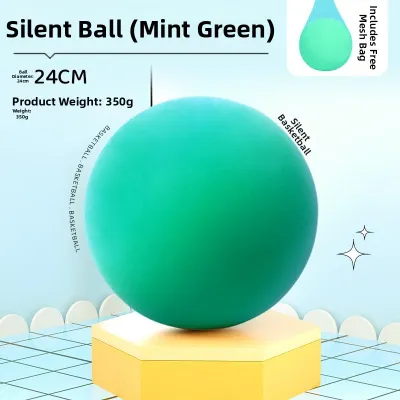
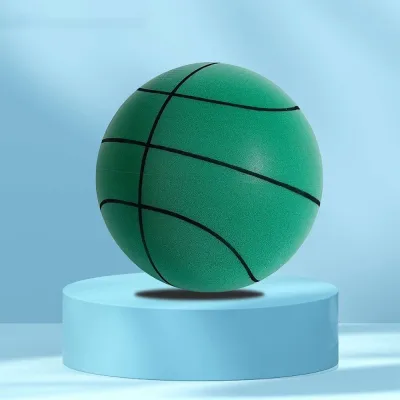
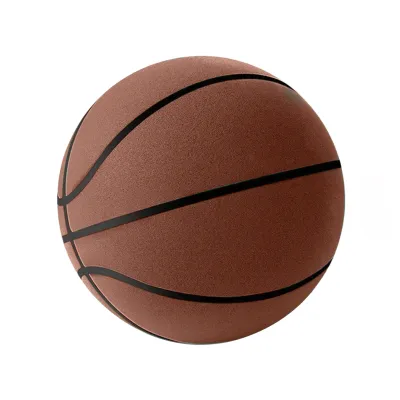
- The Silent Basketball (Medium-Density): This highly popular style utilizes specialized high-density polyurethane foam with thousands of micro-pores to absorb sound. It bounces exceptionally well on indoor tiles and hardwood floors while remaining nearly silent, making it perfect for active indoor games.
- Gator Skin Special Foam Basketball: Renowned for its virtually tear-proof outer coating, the Gator Skin ball prevents the foam from crumbling or shedding over time. This durable skin is non-marking and incredibly easy to wipe clean, protecting your floors and walls from scuffs.
- Franklin Sports Soft Sport Basketball: Featuring a textured synthetic cover over a soft foam core, this ball looks and feels like a miniature traditional basketball but retains the safety and noise-reduction benefits of foam, making it ideal for bedroom or living room play.
Limitations
It is important to note that these soft, indoor-optimized foam basketballs are not suitable for outdoor concrete or asphalt courts. The abrasive nature of rough concrete will quickly tear, scuff, and degrade the foam or its protective outer skin. To maximize the lifespan of your indoor play ball, reserve its use strictly for indoor floors, carpets, and smooth, non-abrasive surfaces.
Best Foam Basketballs for Skill and Shooting Training
For older kids, teenagers, or adults who want to maintain their basketball skills during the off-season or rainy days, a training-grade foam basketball is required. These balls must closely mimic the physical characteristics of a standard basketball to ensure that your practice translates directly to the court.
The Training Foam Basketball Profile
Training-grade foam basketballs are constructed from high-density, cross-linked polyurethane foam and are typically available in official sizes (Size 5, 6, or 7). The high density provides a heavier weight that closely matches a standard inflated ball, which is crucial for maintaining your shooting muscle memory and hand strength. Furthermore, the surface must feature deep, molded channels and a realistic pebble grain to allow for proper hand placement, finger release, and backspin development.
Recommended Products for Skill Training
- The Silent Basketball Size 7 (High-Density): This full-sized training ball is engineered specifically for quiet dribbling and shooting practice. The high-density foam provides a highly consistent, realistic bounce on indoor surfaces, allowing you to practice crossovers, between-the-legs dribbles, and stationary ball-handling drills without disturbing anyone.
- Gator Skin Super Safe Foam Basketball (Size 5 or 7): This heavy-duty coated foam ball offers excellent weight distribution and a highly tactile grip. The durable outer skin allows you to practice aggressive spin shots and wall-passing drills without worrying about tearing the ball.
- Mikasa Playground Foam Basketball: A premium coated foam ball that offers a highly consistent bounce and excellent durability. Its textured surface provides a realistic feel that helps players practice correct finger placement and release mechanics.
Training Tip
These high-density foam balls are excellent for practicing form shooting close to a wall or hoop, stationary dribbling drills, and chest passes against a solid wall. However, keep in mind that because foam balls lack an internal air bladder, their aerodynamic flight path will differ slightly from a genuine leather ball over long distances. Focus your training sessions on close-range mechanics, ball handling, and hand speed rather than long-range three-point shooting.
Where to Buy and What to Check Before Checkout
Finding a high-quality foam basketball in the Philippines requires shopping through reliable channels to ensure you receive a genuine, durable product rather than a cheap counterfeit that will quickly fall apart.
Recommended Retailers
To ensure quality, purchase your foam basketball from official brand flagship stores, authorized sports retailers (such as Decathlon Philippines, Toby’s Sports, or Chris Sports), or highly rated sellers on reputable online marketplaces. Be cautious of unusually cheap, unbranded foam balls sold on online platforms; these often use low-grade industrial foams that emit strong chemical odors, lack a consistent bounce, and can warp or tear within a few days of use.
Delivery Inspection Checklist
When your foam basketball arrives, perform a quick quality check immediately upon unboxing to ensure it meets your expectations:
- Check for Uniform Roundness: Roll the ball across a flat table or floor to ensure it rolls smoothly in a straight line without wobbling, which indicates a manufacturing defect or warping during transit.
- Verify Odor Levels: High-quality polyurethane foam should have minimal to no smell. If the ball emits a strong, pungent chemical odor (off-gassing), it may contain low-grade chemicals and should be returned or left in a well-ventilated outdoor area to air out.
- Test the Bounce and Grip: Drop the ball from chest height onto a hard floor to verify that the bounce is consistent and matches the density description. Run your hands over the surface to ensure the texture provides adequate friction without any peeling or loose foam particles.
Frequently Asked Questions (FAQ)
Can I use a foam basketball outdoors on concrete courts?
While you can physically use a foam basketball outdoors, doing so is highly discouraged. Rough concrete and asphalt act like sandpaper on foam, rapidly scuffing, tearing, and degrading the surface material. Uncoated foam balls will also absorb dirt, dust, and moisture from the ground, which ruins their grip and bounce. To maximize the lifespan of your foam basketball, reserve its use strictly for indoor hardwood, tile, laminate floors, or smooth, clean indoor court surfaces.
How do I clean a foam basketball if it gets dirty?
Always check the manufacturer’s care instructions before cleaning your foam basketball to avoid damaging the material. For most foam balls, the safest cleaning method is to wipe the surface gently with a damp microfiber cloth and a small amount of mild, diluted dish soap. Avoid soaking or submerging the ball in water, as open-cell foam can absorb moisture internally, leading to mold growth and permanent warping. Once clean, wipe it down with a dry cloth and allow it to air dry completely in a shaded, well-ventilated indoor area away from direct sunlight, which can dry out and crack the foam.
Does a foam basketball bounce like a real basketball?
The bounce of a foam basketball depends entirely on its density. High-density training foam balls are engineered to compress and rebound quickly, providing a highly consistent, predictable bounce that is close to that of a standard inflated ball, making them suitable for dribbling drills. Conversely, low-density foam balls designed for toddlers are incredibly soft and lightweight, resulting in a significantly lower, duller, and less consistent bounce that is optimized for safety rather than dribbling performance.
Community discussion
Share your experience or ask a question. Comments are reviewed before publication.