
Integrating foam massage tools into your yoga accessory collection is one of the most effective ways to accelerate recovery, release deep-seated muscle tension, and deepen your overall practice. While yoga stretches muscles, foam massage tools target the fascia—the connective tissue surrounding muscles—helping to break up adhesions and restore optimal tissue sliding. By combining the mindful stretching of yoga with the targeted pressure of self-myofascial release, you can unlock a higher level of flexibility and protect your body from overuse injuries.
How Foam Massage Enhances Yoga Recovery and Flexibility
Myofascial release is a hands-on technique that applies sustained pressure to the myofascial connective tissue. In a healthy body, fascia is loose, hydrated, and slides easily over muscles. However, repetitive movements, intense physical exertion, or prolonged sitting can cause the fascia to become tight, dry, and bound to the underlying muscle fibers. This restriction acts like a tight sleeve, limiting your range of motion and making deep yoga postures, such as backbends or hip openers, difficult and uncomfortable to execute.
Using foam massage tools simulates the effects of manual therapy. The physical compression of rolling stimulates specialized nerve receptors within the muscles and fascia, signaling the central nervous system to reduce muscle tone and allow tight fibers to relax. This mechanical pressure also acts as a pump, temporarily pushing metabolic waste products out of the tissues while drawing in fresh, oxygen-rich blood and cellular fluids once the pressure is released.
Products mentioned in this guide
Prices are valid at publication and may change. Please refer to the product page for the latest price.
For dedicated yoga practitioners, this process delivers several distinct benefits. It significantly accelerates post-practice recovery by minimizing delayed onset muscle soreness (DOMS) after physically demanding vinyasa or power yoga sessions. Additionally, incorporating foam rolling into your routine helps prepare your muscles for deeper, passive stretches in yin or restorative classes. Instead of fighting against stubborn muscle tension, you can enter your practice with tissues that are already warm, pliable, and receptive to movement.
What to Look for When Buying Foam Massage Tools
Choosing the right foam massage equipment requires evaluating several key factors to ensure the tools align with your physical needs, practice style, and local environment.

Density and Firmness
The density of a foam tool determines how deeply the pressure will penetrate your muscles. Soft, low-density foam tools are ideal for beginners, individuals with highly sensitive muscles, or those focused on gentle, restorative yoga practices. They provide a comfortable, cushioned massage that encourages relaxation without triggering protective muscle guarding. Conversely, high-density foam tools are designed for deep-tissue work and experienced practitioners. They deliver intense, concentrated pressure capable of reaching deeper muscle layers, making them highly effective for dense muscle groups like the glutes and quadriceps.
Surface Texture
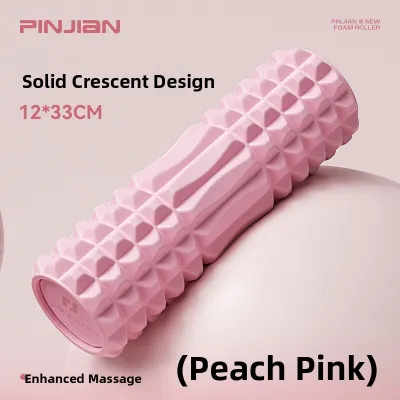
The exterior design of your massage tool directly impacts the sensation and efficacy of the release. Smooth surfaces distribute your body weight evenly across a wider area, offering a gentle, uniform compression that is excellent for general warming up or cooling down. Textured or grid surfaces feature a mix of flat zones, ridges, and high bumps. These variations are engineered to mimic the different parts of a massage therapist’s hands, allowing you to apply highly targeted pressure to stubborn knots and localized myofascial trigger points.
Material and Climate Considerations
When purchasing fitness accessories in a humid, tropical environment like the Philippines, material selection is a critical factor for hygiene and product longevity. Open-cell foam tools tend to absorb sweat, body oils, and ambient moisture, quickly turning into a breeding ground for mold, mildew, and unpleasant odors. To prevent this, always look for tools made from closed-cell foams, such as Expanded Polypropylene (EPP) or high-quality Ethylene-Vinyl Acetate (EVA). Closed-cell materials are completely water-resistant, meaning they will not absorb sweat during a hot yoga class. They are incredibly easy to sanitize with a simple wipe-down using mild soap and water, ensuring your gear remains fresh and hygienic.
Size and Portability
The physical dimensions of your tools should match your lifestyle and where you practice. Standard full-length foam rollers (typically 36 inches long) are the gold standard for home yoga studios. Their length allows you to lie down with your entire spine supported, which is perfect for chest-opening postures and spinal alignment exercises. However, if you regularly commute to a local yoga studio or travel frequently, compact rollers (ranging from 12 to 18 inches) or small massage balls are much more practical. These smaller options fit effortlessly into a standard yoga tote bag or backpack without adding unnecessary bulk or weight.
Best Foam Roller Types for Full-Body Release
Foam rollers are the most versatile tools for addressing large muscle groups that are heavily engaged during yoga. Understanding the distinct properties of each type will help you select the best option for your routine.
High-Density EPP Rollers
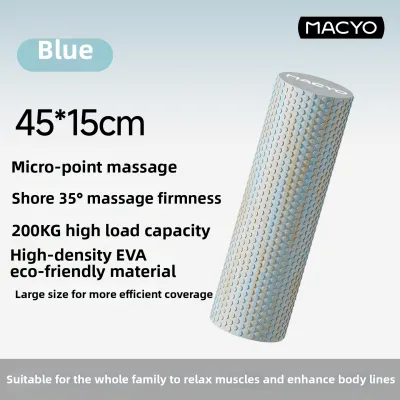
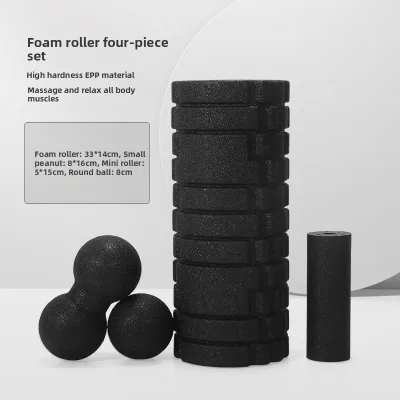
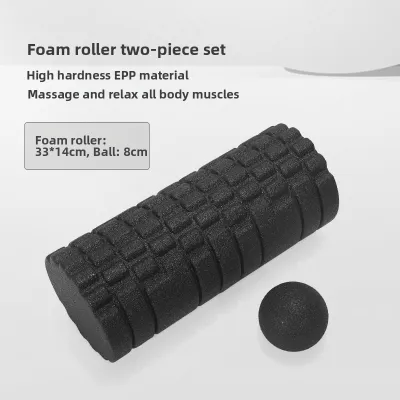
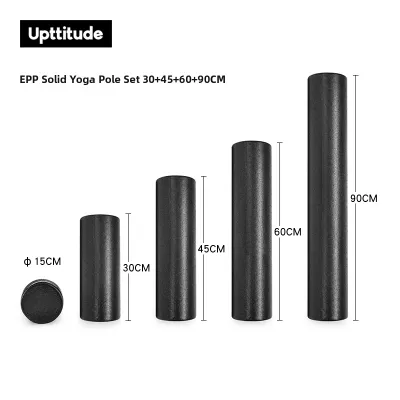
Expanded Polypropylene (EPP) rollers are renowned for their incredible structural integrity, lightweight feel, and firm density. These solid-foam rollers do not bend, warp, or compress over time, even under heavy daily use. They are the ideal choice for deep-tissue rolling on broad muscle groups such as the quadriceps, hamstrings, and upper back. Because they provide a very firm, unyielding surface, they are best suited for intermediate to advanced practitioners who require deep, intense pressure to release chronic tension.
Hollow-Core Grid Rollers
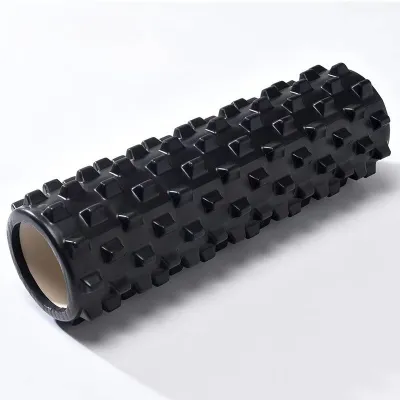
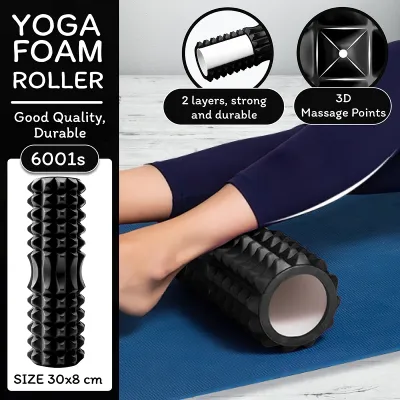
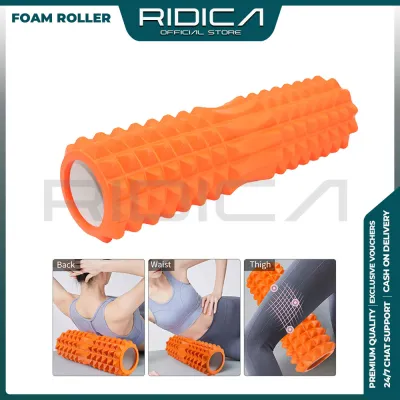
Hollow-core rollers feature a rigid plastic inner tube—usually constructed from high-strength ABS or PVC—wrapped in a textured layer of EVA foam. The hollow design makes them exceptionally durable and prevents the roller from collapsing under high body weight. The textured grid pattern on the exterior allows for a multi-dimensional massage experience. By shifting your body angle, you can use the flat zones for broad strokes or the raised ridges to target specific knots in the IT bands, calves, and glutes.
Soft/Low-Density Rollers
Typically crafted from soft, solid EVA foam, these rollers offer a forgiving, cushioned surface. They are highly recommended for yin yoga practitioners, seniors, or anyone recovering from minor muscle strains. They are particularly useful for rolling out sensitive or highly reactive areas, such as the adductors (inner thighs) and thoracic spine, where intense pressure might cause the muscles to tense up defensively rather than relax.
Buying Advice
Before finalizing a purchase on any e-commerce platform, always verify the product specifications listed on the label. Check the manufacturer’s stated weight limits and core stability ratings to ensure the roller can safely support your body weight during floor exercises. Look for descriptions that explicitly mention “closed-cell foam” or “moisture-resistant” to guarantee the product is suitable for humid climates. Avoid ultra-cheap, unbranded open-cell foam rollers, as they tend to deform within a few weeks of use and are difficult to keep clean.
Top Massage Ball Variations for Targeted Trigger Points
While foam rollers excel at treating broad muscle groups, massage balls are indispensable for isolating small, deep-seated trigger points that rollers simply cannot reach.
Standard High-Density Foam Balls
Standard foam massage balls, typically measuring between 2.5 to 3.5 inches in diameter, are excellent for targeted trigger point therapy. After demanding arm balances like Crow Pose (Kakasana) or deep inversions, the muscles of the shoulders, chest, and upper back can become highly fatigued. Placing a high-density foam ball between your back and a wall allows you to apply precise, controlled pressure to the rhomboids and infraspinatus, releasing localized tension and restoring shoulder mobility.
Peanut-Shaped Rollers/Balls
A peanut massage tool consists of two small foam balls fused together with a distinct dip in the center. This ergonomic shape is specifically engineered to protect the spine. When you lie on a peanut roller, the central groove cradles your spinous processes (the bony ridges of your spine), while the two raised spheres apply deep, therapeutic pressure to the erector spinae muscles running along either side. This allows for a safe, highly effective massage of the thoracic spine without placing dangerous, direct pressure on the bones.
Textured or High-Firmness Balls
The feet are the foundation of almost every standing yoga pose, from Mountain Pose (Tadasana) to the Warrior series. Prolonged standing and balancing can strain the intrinsic muscles of the feet, leading to arch soreness. Rolling a small, high-firmness, or textured foam ball under the sole of your foot is an exceptional way to release the plantar fascia. The texture stimulates local sensory nerves, improves circulation, and helps alleviate the tightness that can contribute to balance issues and calf stiffness.
Safety and Limitations
When using massage balls, safety must always be your top priority. Never place a massage ball directly on bones, joints, or the vulnerable lumbar spine (lower back), as this can lead to nerve compression or joint irritation. Always check the manufacturer’s care and usage instructions before starting a new routine. If you experience sharp, shooting pain, numbness, or tingling, stop the exercise immediately. Equipment is meant to aid recovery, but it cannot replace professional medical advice or physical therapy for injuries.
Best Massage Sticks for Controlled, On-the-Go Relief
Massage sticks offer a unique set of benefits that make them a valuable alternative or complement to traditional floor-based foam rollers.
Multi-Roller Sticks
A multi-roller massage stick features a series of independent, free-spinning foam or plastic rollers mounted on a central shaft with handles on both ends. To use it, you hold the handles and roll the stick manually along your muscles. This design allows you to target specific areas like the calves, shins, and quadriceps with incredible precision. Because you control the movement with your hands, you can easily adjust the pressure on the fly, making it as gentle or as firm as your muscles require.
Compact Travel Sticks
For yoga practitioners who are always on the move, compact travel sticks are incredibly convenient. Unlike bulky foam rollers, these sticks are slim, lightweight, and easily slide into the side pocket of a backpack or a standard yoga bag. They are perfect for quick recovery sessions at the office, in the studio locker room, or while traveling.
Use Cases
Massage sticks are particularly beneficial for individuals who have difficulty getting down onto the floor or who suffer from wrist, shoulder, or elbow pain. Standard foam rolling requires you to support a significant portion of your body weight with your upper body, which can strain sensitive joints. A massage stick completely eliminates this issue, allowing you to roll out your lower body while sitting comfortably in a chair. Additionally, they are excellent for applying hand-controlled, precise pressure to the neck and upper trapezius muscles.
Limitations
While highly versatile, massage sticks do have limitations. Because they rely entirely on your manual arm strength to generate pressure, they cannot deliver the deep, gravity-driven compression that a floor roller provides when utilizing your full body weight. They are also difficult to use on hard-to-reach areas of the body, such as the middle of the back or the hamstrings, without assistance.
Quick Comparison: Rollers vs. Balls vs. Sticks
To help you decide which foam massage tool best fits your personal yoga practice and recovery goals, it is helpful to compare their primary functions, target areas, and ease of transport. While some practitioners prefer a single, versatile tool, many find that a combination of these accessories provides the most comprehensive recovery routine.
| Tool Type | Best For (Body Parts) | Pressure Control | Portability |
|---|---|---|---|
| Foam Roller | Quads, hamstrings, IT bands, upper back | Body-weight dependent (moderate to deep) | Moderate (bulky for travel) |
| Massage Ball | Glutes, shoulders, chest, feet arches | High precision (wall or floor pressure) | High (fits in small pockets) |
| Massage Stick | Calves, shins, quadriceps, neck | Hand-controlled (light to moderate) | High (slim and lightweight) |
By understanding these distinctions, you can strategically select the tools that address your specific areas of tightness, ensuring your muscles remain supple and ready for your next yoga session.
Frequently Asked Questions (FAQ)
How long should I foam roll after a yoga session?
After a yoga session, you should aim to spend approximately 1 to 2 minutes on each target muscle group. Use slow, deliberate movements, rolling at a pace of about one inch per second. When you encounter a tender spot or a localized knot, pause and hold the pressure on that specific area for 20 to 30 seconds while taking deep, relaxing breaths. This allows the nervous system to signal the muscle to release. Avoid the temptation to roll excessively; spending too much time on a single area or applying aggressive pressure can irritate the tissues, leading to bruising, inflammation, or increased muscle guarding.
Should I use foam massage tools before or after yoga?
You can use foam massage tools both before and after your yoga practice, depending on your goals. Using a foam tool before yoga serves as an excellent warm-up. Brief, dynamic rolling for 5 to 10 minutes increases local blood circulation, raises tissue temperature, and improves joint range of motion, preparing your body for active poses. Conversely, using foam tools after yoga is ideal for recovery. Slower, deeper rolling helps down-regulate your nervous system, shifting your body into a parasympathetic (rest-and-digest) state. This aids muscle relaxation, reduces post-practice soreness, and promotes deeper sleep. Experiment with both approaches to see how your body responds.
Community discussion
Share your experience or ask a question. Comments are reviewed before publication.