
Selecting the right foam roller for therapy and muscle recovery depends entirely on matching the tool’s physical characteristics to your body’s specific tissue sensitivity, your current recovery goals, and your experience level. There is no single universal roller that excels at every task; instead, the therapeutic outcome is determined by three core dimensions: density, surface texture, and physical size.
Using a foam roller for therapy—often referred to as self-myofascial release (SMR)—helps alleviate muscle tightness, improve joint range of motion, and accelerate localized blood circulation. By understanding how different materials and shapes interact with your musculoskeletal system, you can target stubborn trigger points effectively without causing unnecessary tissue trauma or bruising.
Quick Guide: Matching Foam Roller Types to Your Recovery Needs
To navigate the wide variety of recovery tools available, it helps to understand how density, texture, and size dictate the pressure and precision of your therapy sessions. Density controls the depth of the pressure, texture determines how precisely that pressure is targeted, and size dictates both the stability of the roller and the specific muscle groups you can safely target.
Products mentioned in this guide
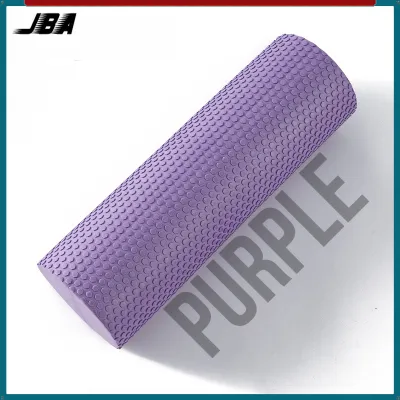
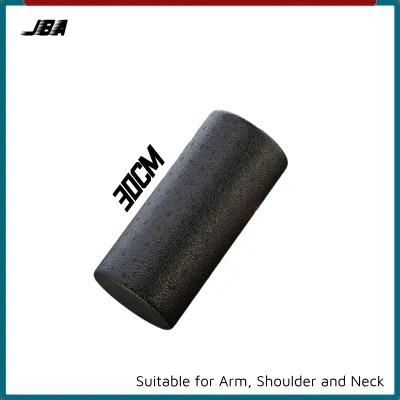

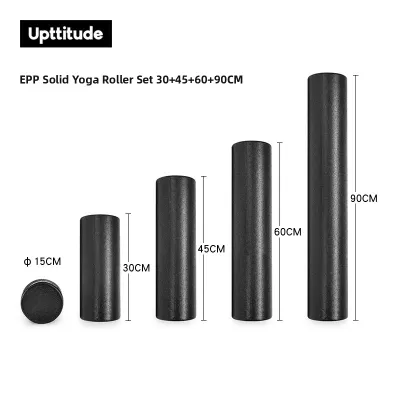
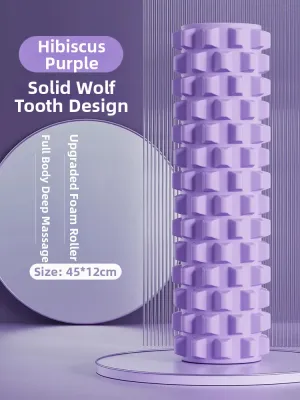
![[Local Stock] Yoga Foam Roller Yoga Roller Massage Roller Fitness Gym Exercise Roller Muscle Relax](https://img.lazcdn.com/g/p/cf0e298c5771cbd3b49d3905ea7eec54.jpg_400x400q80.jpg_.webp)
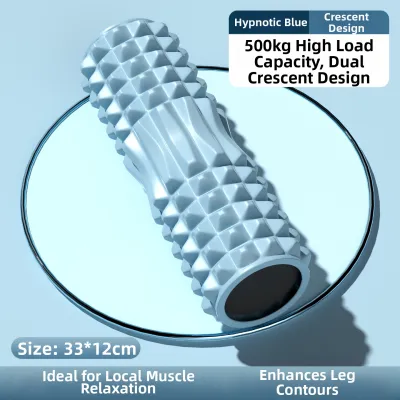
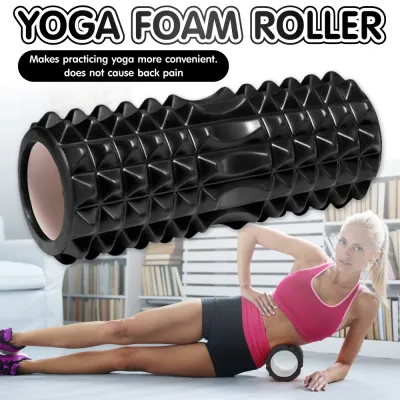
Prices are valid at publication and may change. Please refer to the product page for the latest price.
Choosing the wrong combination can lead to an unproductive session. For example, a roller that is too hard can cause your muscles to tense up defensively, while one that is too soft will fail to release deep fascial restrictions.
| Recovery Goal | Ideal Density | Ideal Texture | Ideal Size | Recommended Profile |
|---|---|---|---|---|
| Gentle Warm-Up & Tension Relief | Soft to Medium | Smooth | 18 to 36 Inches | Medium-density, smooth, standard or full-length roller |
| Deep Tissue & Trigger Point Release | Firm / High-Density | Grid or Ridged | 12 to 18 Inches | High-density grid foam roller |
| Post-Workout on the Go / Travel | Medium to Firm | Textured or Smooth | Under 12 Inches | Compact travel roller |
| Spinal Alignment & Postural Therapy | Medium to Firm | Smooth | 36 Inches | Full-length smooth roller |
Your ideal starting point depends on your personal pain tolerance, the current state of your muscles, and whether you are treating acute post-workout soreness or chronic, long-term tightness. Always listen to your body and adjust your approach as your tissues adapt over time.
How to Choose the Right Density for Muscle Therapy
Density is the most critical factor when selecting a foam roller for therapy because it dictates how much the roller will compress under your body weight. This compression directly determines the depth of penetration into your muscle tissue and how the pressure is distributed across your pain receptors.

If a roller is too soft, it will simply flatten out, offering little therapeutic benefit for deep tissue structures. Conversely, if a roller is too firm for your current conditioning, your body will perceive the intense pressure as a threat, causing your muscles to contract protectively and defeating the purpose of myofascial release.
Soft and Low-Density Rollers
Soft, low-density foam rollers are typically constructed from open-cell foam or lightweight polyethylene (PE). These rollers compress significantly under pressure, providing a gentle, cushioned surface that distributes your body weight over a wider surface area.
These models are highly suited for beginners who are new to myofascial release, individuals with highly sensitive muscle groups, or those recovering from intense, acute soreness where deep pressure is contraindicated. They are also excellent for integrating into gentle restorative Yoga or Pilates routines, where the goal is light mobilization rather than intense knot release.
The primary limitation of low-density rollers is their durability and therapeutic ceiling. Over time, PE foam tends to warp, lose its shape, and permanently indent under heavy use, and these rollers lack the structural integrity required to penetrate deep fascial layers or break up stubborn, localized adhesions.
Medium-Density Rollers
Medium-density foam rollers offer a balanced middle ground, typically utilizing high-quality ethylene-vinyl acetate (EVA) foam. This material provides a noticeable surface cushion but retains its core shape under moderate to heavy loads, preventing the roller from bottoming out.
This density is widely considered the standard choice for regular muscle maintenance, general athletic recovery, and moderate trigger point therapy. It delivers enough therapeutic pressure to stimulate blood flow and release superficial tension without triggering the intense pain response associated with ultra-firm models.
For most active individuals, a medium-density roller serves as an excellent long-term companion. It is versatile enough to use for pre-workout warm-ups to increase tissue elasticity, as well as post-workout recovery to flush out metabolic waste from the muscle beds.
Firm and High-Density Rollers
Firm, high-density rollers are often made from molded expanded polypropylene (EPP) or feature a rigid hollow plastic core wrapped in a thin layer of dense EVA foam. These rollers undergo virtually zero compression under body weight, delivering intense, uncompromising pressure directly to the targeted tissues.
These tools are designed specifically for deep tissue massage, experienced users, and individuals with dense muscle mass or chronic, long-term muscle tightness. The rigid structure allows you to apply concentrated pressure to deep muscle layers, such as the piriformis, glutes, and deep calves, which are often difficult to reach with softer materials.
Safety Boundary: Never use high-density rollers directly over bony prominences, joints, the cervical spine, or areas of acute, inflammatory injury. Applying excessive, unyielding pressure to these structures can cause bone bruising, joint strain, or nerve compression; always build up your tissue tolerance gradually with softer rollers before transitioning to high-density options.
Texture and Surface Design: Targeting Trigger Points
The surface design of a foam roller determines how the applied force is distributed across your skin and underlying fascia. Choosing between a smooth and a textured surface allows you to customize your therapy sessions for broad, sweeping strokes or highly localized trigger point release.
Smooth Surface Rollers
Smooth foam rollers feature a uniform, unbroken surface that distributes your body weight evenly across the entire contact area. This design provides a consistent, predictable rolling sensation without any sudden spikes in pressure.
These rollers are ideal for sweeping, general massage strokes across large muscle groups, such as the quadriceps, hamstrings, and upper back. Because the pressure is distributed evenly, smooth rollers are much more tolerable for highly sensitive tissues, making them a preferred choice for initial warm-ups and general circulatory stimulation.
The main trade-off with a smooth surface is its lack of precision. When encountering deep, localized knots or fascial adhesions, a smooth roller may simply glide over the top of the restriction rather than digging in and providing the shear force necessary to release the bound tissue.
Textured and Grid Rollers
Textured and grid rollers feature engineered surface patterns consisting of varying ridges, flat zones, and raised bumps. These multi-density surfaces are designed specifically to mimic the physical sensations of a manual massage therapist’s hands.
The flat, broad zones of a grid roller simulate the pressure of a palm, while the narrow, firm ridges mimic the targeted pressure of fingers and thumbs. This variation allows you to perform multi-directional rolling, stretching the fascia in several directions simultaneously while significantly increasing localized blood flow to the targeted area.
Grid rollers are highly effective for addressing moderate trigger points and enhancing myofascial glide. They allow you to shift your body weight slightly to transition from a broad, relaxing rub to a more focused, penetrative release on a specific tight spot.
Deep-Tissue and Knobby Rollers
Deep-tissue and knobby rollers feature aggressive, pronounced nodules, spikes, or deep grooves protruding from a rigid core. These designs are engineered to bypass superficial tissue layers entirely and dig deep into the bellies of larger muscle groups.
The raised nodules act as localized pressure points, concentrating your body weight onto a very small surface area to release stubborn, deep-seated knots. This design is particularly useful for targeting hard-to-reach areas like the outer hips, glutes, and deep calf muscles.
Safety Boundary: Because these aggressive shapes focus intense pressure onto highly localized areas, you must limit your continuous rolling time on any single spot to avoid localized bruising, nerve irritation, or protective muscle guarding. If you experience numbness, tingling, or sharp, radiating pain, stop using the tool immediately and consult a physical therapist.
Size and Shape: Selecting the Right Dimensions
The physical dimensions of your foam roller dictate its stability, portability, and suitability for specific muscle groups. Selecting the correct size ensures you can perform your recovery exercises safely and comfortably within your available space.
Full-Length Rollers (30 to 36 Inches)
Full-length foam rollers, measuring between 30 and 36 inches, are the largest standard models available. Their primary therapeutic advantage is their ability to support your entire spine and pelvis simultaneously when lying on them lengthwise.
This long footprint makes them indispensable for safe thoracic spine extension, chest-opening stretches, and bilateral leg rolling, where you roll both quadriceps or hamstrings at the same time. The wide base of support also offers superior stability, preventing the roller from tipping or sliding out from under you during complex movements.
The obvious trade-offs are storage and portability. A 36-inch roller is bulky, making it difficult to pack into a standard gym bag or travel suitcase, meaning it is best suited for home gyms, physical therapy clinics, or dedicated workout spaces.
Standard Rollers (12 to 18 Inches)
Standard foam rollers, ranging from 12 to 18 inches in length, are the most common and versatile models on the market. They provide ample surface area to comfortably roll out any single limb or muscle group without taking up excessive floor space.
This size strikes an ideal balance between usability and maneuverability. It is long enough to target wide muscle groups like the upper back, latissimus dorsi, and IT bands, yet compact enough to be easily repositioned, stored in a closet, or carried to a local fitness center.
For most individuals who do not require a roller for longitudinal spinal alignment exercises, a 18-inch model offers the perfect combination of utility and convenience, fitting easily into most home workout setups.
Compact and Travel Rollers (Under 12 Inches)
Compact and travel rollers, measuring under 12 inches in length, are designed specifically for maximum portability. Many of these models feature hollow cores, allowing you to pack clothes inside them to save space in your luggage.
These mini rollers are excellent for targeting smaller, isolated muscle groups like the calves, forearms, and plantar fascia while on the go. They are a favorite among athletes who travel frequently for competitions or individuals who want a dedicated recovery tool in their office desk drawer.
However, the reduced size comes with significant trade-offs. Compact rollers require much more core stability and body control to stay centered on, and they cannot be used for broad back rolling or spinal alignment exercises due to their narrow, unstable footprint.
Recommended Foam Roller Profiles for Specific Therapy Goals
To help you make an informed decision, we have outlined three highly effective foam roller profiles tailored to specific recovery objectives and user profiles.
Best for Beginners and Sensitive Muscles
- Recommended Profile: Medium-density, smooth surface, 18-inch length.
- Why It Works: This configuration provides a highly approachable introduction to myofascial release. The medium-density EVA foam offers enough structural support to prevent bottoming out under your body weight, while the smooth surface ensures that pressure is distributed evenly across your skin, minimizing initial pain shock.
- Pre-Purchase Verification: Before purchasing, press your thumb firmly into the foam; it should compress slightly but spring back immediately without leaving a permanent indentation. Ensure the surface has a matte, non-slip finish to prevent it from sliding on polished tile or wooden floors.
Best for Deep Tissue and Trigger Point Therapy
- Recommended Profile: High-density, textured/grid surface, 12-to-18-inch length.
- Why It Works: The rigid inner core and firm outer grid pattern allow you to apply precise, concentrated pressure to deep muscle layers. The varying ridge heights mimic manual massage techniques, helping to break up stubborn fascial adhesions and increase localized blood flow.
- Usage Limits: Avoid using this aggressive profile daily on the exact same muscle group. Your muscle fibers require time to repair and adapt to deep tissue stimulation; limit intense trigger point sessions to every other day, and do not use this model for relaxing, pre-workout warm-ups.
Best for Full-Body and Spinal Alignment
- Recommended Profile: Medium-to-firm density, smooth surface, 36-inch length.
- Why It Works: The full 36-inch length allows you to lie down with your head, spine, and sacrum fully supported along the roller. The smooth surface ensures a comfortable, stable base for chest-opening stretches, core stabilization exercises, and gentle thoracic mobilization.
- Space Check: Before committing to a full-length roller, measure your intended exercise area. You will need a clear floor space of at least 6 by 6 feet to safely perform longitudinal rolling and rotational stretches without bumping into furniture.
Material Care and Maintenance in Humid Environments
In warm, tropical climates like the Philippines, high humidity and heavy sweating can quickly degrade foam recovery equipment. Sweat contains salts, oils, and urea that can penetrate porous, open-cell foams, leading to material breakdown, unpleasant odors, and the rapid growth of bacteria.
To maximize the lifespan of your foam roller and maintain proper hygiene, follow these low-risk, practical maintenance steps after every session:
- Wipe Down Immediately: After use, wipe the entire surface of the roller with a damp microfiber cloth and a mild, non-abrasive soap solution. Avoid using harsh chemical disinfectants, bleach, or alcohol-based sprays, as these can dry out and prematurely crack the foam structure.
- Air-Dry in the Shade: Place your clean roller in a well-ventilated, shaded indoor area to dry completely.
- Avoid Heat and UV Exposure: Never leave your foam roller in direct sunlight, on a hot balcony, or inside the trunk of a car parked outdoors. High temperatures and ultraviolet (UV) radiation will rapidly warp, melt, or crumble both EVA and EPP foams, destroying their therapeutic density.
- Check Manufacturer Instructions: Always refer to the care label or manufacturer's guide provided with your specific roller to verify any chemical restrictions or unique cleaning protocols.
Investing in a high-quality, closed-cell EVA or EPP roller is highly recommended for humid environments, as these materials do not absorb moisture, making them significantly easier to sanitize and keep odor-free over years of regular use.
Frequently Asked Questions (FAQ)
How long should I foam roll a single muscle group?
You should target a single muscle group for approximately 1 to 2 minutes per session, performing slow, deliberate passes at a rate of about one inch per second. Avoid spending excessive time on a single tender spot; instead, keep the roller moving slowly over the muscle belly. Over-rolling can cause localized tissue inflammation, bruising, or nerve irritation. If you experience sharp, shooting, or radiating pain, stop rolling immediately.
Can I use a foam roller directly on my lower back?
You should never roll directly over your lumbar spine (lower back) using a standard foam roller. The lower back lacks the protective skeletal structure of the rib cage, and rolling over this area can force your lumbar vertebrae into hyperextension, strain your spinal ligaments, and cause your lower back muscles to seize up in a protective spasm. To relieve lower back tension safely, focus on rolling out adjacent muscle groups like your glutes, piriformis, hamstrings, and hip flexors, or use a small, soft massage ball under direct, controlled pressure to target specific tight spots in the lower back muscles.
Community discussion
Share your experience or ask a question. Comments are reviewed before publication.