
Finding the perfect balance between high-intensity gym training and restorative yoga requires a thoughtful approach to muscle recovery. In a tropical climate where high humidity and heat amplify physical exertion and sweat, choosing the right gym roller foam is essential to prevent injury, relieve muscle tightness, and enhance flexibility. The ideal recovery tool must not only match your fitness level and body size but also withstand local environmental conditions without degrading.
Your choice ultimately depends on how you balance your active gym sessions with your yoga practice. While a soft, smooth roller provides the gentle support needed for restorative yoga poses and spinal alignment, a firm, textured roller is better suited for breaking up deep muscle knots after heavy lifting. This guide breaks down the essential selection criteria, product types, and size considerations to help you find the perfect match for your routine and budget.
Core Selection Criteria: Choosing the Right Gym Roller Foam
Selecting a recovery tool requires looking closely at three primary physical characteristics: density, surface texture, and material composition. These elements dictate how much pressure is applied to your muscle tissue and how well the tool will hold up over time.
Products mentioned in this guide
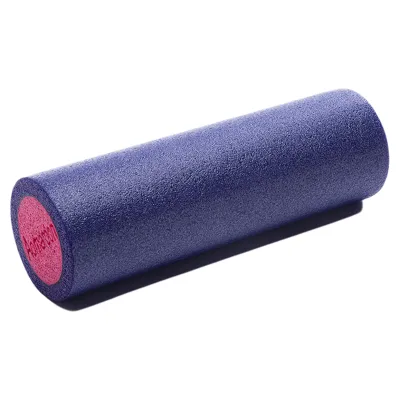

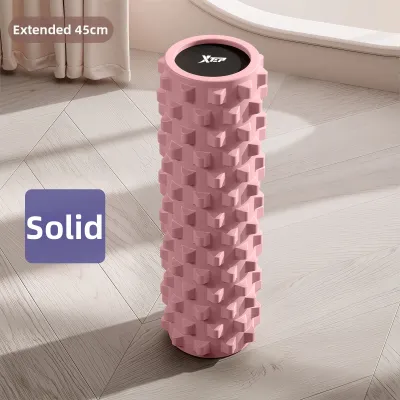
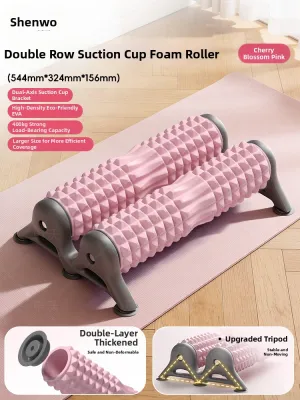
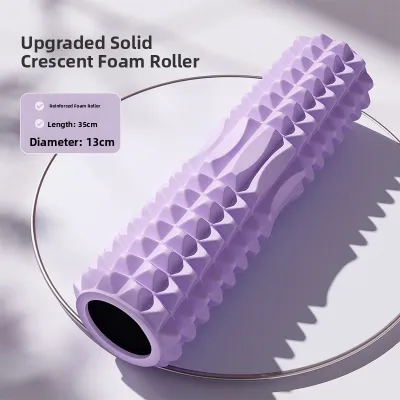
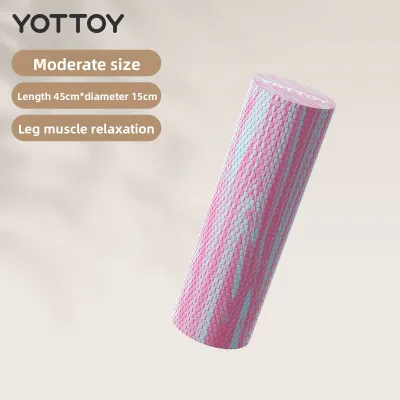
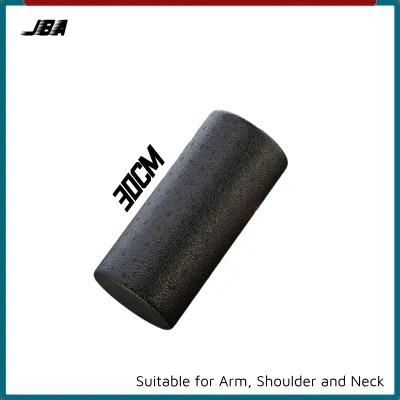
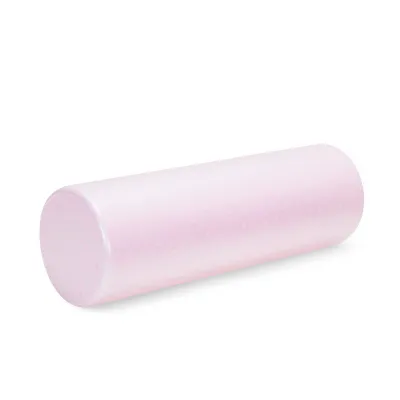
Prices are valid at publication and may change. Please refer to the product page for the latest price.
Density is the most critical factor in determining the intensity of your myofascial release. Low-density rollers are soft and forgiving, compressing easily under pressure to provide a gentle massage that is ideal for sensitive muscles or initial warm-ups. Medium-density rollers offer a balanced compromise, yielding slightly under pressure while still reaching deeper tissue layers. High-density rollers are rigid and do not deform under heavy body weight, delivering intense, targeted pressure to break up stubborn fascia adhesions.
Surface texture alters how pressure is distributed across your body. Smooth rollers distribute your body weight evenly across a wide surface area, making them highly comfortable for sensitive areas and useful for supporting the spine during yoga poses. Textured rollers, featuring grids, ridges, or bumpy patterns, mimic the targeted pressure of a massage therapist’s fingers and thumbs. These projections sink deeper into muscle groups, making them highly effective for localized trigger-point therapy after intense gym workouts.
Material composition directly influences both firmness and long-term durability. The two most common materials are Expanded Polypropylene (EPP) and Ethylene-Vinyl Acetate (EVA). EPP is a lightweight, high-density bead foam that offers exceptional rigidity and resistance to moisture, making it highly durable. EVA is a softer, more rubbery polymer that provides excellent shock absorption and a more comfortable yield, though it can degrade faster under heavy use in humid conditions.
Before starting any self-myofascial release routine, it is vital to understand your physical limits. Foam rolling should never cause sharp, bruising, or radiating pain. Avoid rolling directly over bones, joints, the cervical spine, or the lower back without professional guidance. If you have varicose veins, open wounds, or localized inflammation, bypass those areas entirely. If discomfort persists, stop immediately and consult a physical therapist.
Top Foam Roller Types for Gym and Yoga Recovery
Different fitness routines require different levels of recovery intensity. Matching your recovery tool to your specific activity profile ensures you get the maximum therapeutic benefit without causing unnecessary pain or tissue damage.

Soft and Smooth Rollers for Beginners and Gentle Yoga
Soft and smooth rollers are designed for individuals who are new to myofascial release, those with a lower pain tolerance, or practitioners focused on restorative yoga. Because these rollers compress slightly under pressure, they offer a highly forgiving experience that gently introduces the body to rolling.
- Target Audience: Beginners, seniors, individuals recovering from minor muscle strains, and restorative yoga practitioners who require comfortable support during static poses.
- Benefits: These rollers provide gentle, even pressure across large muscle groups, making them excellent for initial lymphatic drainage and light muscle relaxation. They are highly comfortable when placed under the spine, knees, or neck during restorative yoga sessions, helping to open up the chest and improve posture without digging painfully into the back.
- Limitations: Soft foam compresses rapidly under heavy body weight. Over time, these rollers can lose their cylindrical shape, especially when subjected to intense gym recovery routines. They are also less effective at targeting deep muscle knots or relieving severe tightness in dense muscle groups like the glutes or IT bands.
- Buying Guidance: When shopping on online marketplaces, look for product labels specifying "low density," "soft EVA foam," or "beginner-friendly." Always check customer reviews specifically for mentions of shape retention and structural integrity over several months of use. In the local market, high-quality soft rollers typically range from ₱400 to ₱900.
Firm and Textured Rollers for Gym Goers and Deep Tissue
Firm and textured rollers are engineered for active gym-goers, weightlifters, and athletes who require deep, penetrating muscle recovery. These rollers feature a rigid inner core surrounded by a textured foam outer layer that does not yield easily under heavy pressure.
- Target Audience: Weightlifters, runners, high-intensity interval training (HIIT) enthusiasts, and intermediate to advanced fitness practitioners dealing with chronic muscle tightness.
- Benefits: The grid and bumpy patterns on these rollers are designed to mimic a massage therapist's hands, with flat zones representing the palms and high ridges representing the fingers. This variation in surface depth allows you to target specific muscle knots and adhesions, increasing blood flow to localized areas and accelerating recovery after heavy lifting.
- Limitations: The intense, concentrated pressure can be highly painful for beginners or those with sensitive muscles. Additionally, the uneven, textured surface is highly uncomfortable for static yoga alignment poses, as the ridges can press unevenly into the spine or shoulder blades.
- Buying Guidance: Search for terms like "high density," "EPP material," "grid texture," or "deep tissue roller." Before purchasing, verify the manufacturer's specified weight capacity to ensure the roller can support your body weight without deforming. Expect to spend between ₱600 and ₱1,500 for a durable, high-density textured roller.
Vibrating and Specialty Rollers for Advanced Athletes
Vibrating foam rollers combine traditional myofascial release with localized vibration therapy. This premium, technology-driven option is designed to enhance recovery by utilizing rapid mechanical pulses to relax tight muscles.
- Target Audience: Advanced athletes, marathon runners, individuals undergoing physical rehabilitation, and fitness enthusiasts with a higher budget who suffer from chronic, stubborn trigger points.
- Benefits: The rapid vibrations help override pain signals sent to the brain—a concept known as the gate control theory of pain. This allows you to roll out highly sensitive areas with significantly less discomfort. The vibration also stimulates blood circulation more rapidly than static rolling, making it highly effective for pre-workout muscle activation and post-gym recovery.
- Limitations: These rollers require regular charging and contain internal motors, making them significantly heavier and bulkier to carry in a gym bag. They also operate with varying levels of motor noise, which can be distracting in a quiet yoga studio, and they command a much higher price point than standard rollers.
- Buying Guidance: When selecting a vibrating roller, carefully verify the battery life (look for at least 2 hours of continuous runtime), motor noise levels (measured in decibels), and sweat-resistant ratings. Because of the electrical components, it is highly recommended to purchase these from official brand stores on e-commerce platforms to ensure you receive a valid warranty. Prices generally range from ₱2,500 to ₱6,000 or more.
Sizing Guide: Matching Length and Diameter to Your Routine
Choosing the correct physical dimensions ensures your roller fits both your body type and your daily environment, whether you are exercising in a spacious home gym or commuting to a local yoga studio.
Full-length rollers, typically measuring 36 inches (90 cm), are the gold standard for home use and comprehensive yoga practices. This length is long enough to support your entire spine vertically from your head to your tailbone, making it invaluable for chest-opening yoga poses, spinal alignment, and balance exercises. It also allows you to roll out both legs simultaneously without slipping off the edges, though its bulk makes it difficult to transport.
Mid-size rollers, measuring around 18 inches (45 cm), offer a highly versatile compromise. They are long enough to roll out most muscle groups, including the upper back and thighs, while remaining compact enough to fit into a large gym bag or be carried easily to a local fitness class. Travel-size rollers, measuring 12 inches (30 cm) or less, are designed purely for portability and highly targeted limb work, such as rolling out calves, forearms, or single-leg muscle groups at the gym.
Diameter also plays a significant role in pressure intensity. The standard diameter is 5 to 6 inches, which positions you at a comfortable height off the floor and provides a stable rolling surface for general use. Smaller diameters of 3 to 4 inches sit closer to the ground, offering greater stability and delivering a more concentrated, aggressive massage that is highly effective for targeting smaller muscle groups like the calves, achilles tendons, and plantar fascia.
Living in a humid, tropical environment requires careful consideration of how you store your fitness equipment. High humidity can trap moisture on the surface of your roller, leading to mold, mildew, and material degradation. Always store your foam roller off the floor, ideally on a wall rack or shelf, and keep it out of direct sunlight, which can cause the foam to dry out, crack, and lose its elasticity.
Pre-Purchase Checklist: Durability and Climate Considerations
To ensure you invest in a high-quality product that is safe to use and built to last in a warm, humid climate, use this practical pre-purchase checklist before making your final selection.
- Material Durability: Compare the material properties carefully. Standard EVA foam is softer and highly affordable, but it is more porous, meaning it can absorb sweat and body oils, eventually retaining unpleasant odors and degrading over time. EPP foam is firmer, highly durable, and naturally moisture-resistant, making it far superior for humid environments and heavy gym use.
- Safety and Hygiene: Check the product specifications for non-toxic, BPA-free, and hypoallergenic certifications. Avoid rollers that emit a strong, pungent chemical smell upon unpacking, as this indicates low-grade manufacturing and off-gassing. Opt for closed-cell foam structures, which do not absorb sweat or bacteria, making them significantly easier to sanitize.
- E-commerce Verification: When purchasing from online retailers, always filter customer reviews by "most recent" to see how the product performs over time. Look for photo and video reviews to verify the actual texture and firmness of the roller. Verify that the seller has a high rating and offers a clear return policy in case the item arrives warped or damaged during shipping.
Frequently Asked Questions (FAQ)
Can I use the same foam roller for both gym and yoga?
Yes, you can use a single foam roller for both activities, but it requires choosing a versatile compromise. A medium-density, semi-smooth roller measuring 18 inches in length is the most adaptable option. It provides enough firmness to relieve moderate gym-induced muscle soreness while remaining comfortable and portable enough to support basic yoga poses and spinal alignment.
However, if you have highly specialized needs, you will benefit from owning two separate rollers. For example, if you lift very heavy weights and require deep, intense myofascial release, a hard, grid-textured roller is ideal. Because that textured surface is too painful and uneven for static yoga alignment, you would want to pair it with a soft, smooth, 36-inch EVA roller dedicated strictly to your yoga practice.
How often should I replace my foam roller?
On average, a frequently used foam roller should be replaced every 12 to 24 months, depending on the material quality and how often it is used. You should inspect your roller regularly for visual and tactile signs of wear. If you notice permanent flattening, a loss of original firmness, deep cracks, peeling foam, or soft spots where your body weight sinks completely to the floor, the roller is no longer delivering effective therapeutic pressure and should be replaced.
Rollers made from high-density EPP generally last significantly longer than those made from standard EVA foam. To maximize the lifespan of your roller, establish a regular maintenance routine. Wipe down the surface after every gym session using a damp cloth and a mild, non-abrasive soap. Avoid using harsh chemical cleaners or submerging the roller in water, and always allow it to air dry completely in a well-ventilated space before storing it.
Is a vibrating foam roller worth the extra cost?
A vibrating foam roller is worth the investment if you are an advanced athlete, a competitive sports enthusiast, or someone dealing with chronic, severe muscle tightness that does not respond well to standard rolling. The addition of vibration therapy significantly reduces the perception of pain during rolling, allowing you to target deep tissue knots with less discomfort, while also accelerating blood flow for faster warm-ups and recovery.
For beginners, casual gym-goers, or those who primarily use a roller for gentle stretching and yoga alignment, the premium cost of a vibrating roller is generally not justified. A standard, high-quality non-vibrating foam roller will provide all the necessary physical benefits for muscle release and flexibility at a fraction of the price, making it a much more budget-friendly and practical choice for everyday fitness routines.
Community discussion
Share your experience or ask a question. Comments are reviewed before publication.