
Finding the right equipment to maintain a consistent strength training routine at home can be challenging when balancing limited living space with structural safety. For fitness enthusiasts living in urban apartments, condominiums, or shared family homes, a high-quality pull up bar foldable design offers an ideal solution. This specialized equipment allows you to execute high-intensity upper-body workouts, build relative strength, and improve grip durability without permanently sacrificing your valuable floor or wall space.
Selecting the perfect folding pull-up bar requires a clear understanding of your home’s structural layout, your personal training goals, and the specific mechanics of different folding designs. From wall-anchored frames that swing flush against concrete to temporary doorway units that require zero drilling, the market offers various configurations tailored to different living situations. By evaluating these options against your specific space constraints and local housing conditions, you can build a safe, highly functional home gym setup that lasts for years.
Maximize Your Space: Why Choose a Foldable Pull-Up Bar?
Living in dense urban areas across the Philippines, such as Metro Manila, Cebu, or Davao, often means navigating compact residences where every square meter must serve multiple purposes. A traditional, rigid pull-up bar permanently fixed to a wall or occupying a large patch of floor can quickly dominate a room, turning a bedroom, study, or living area into a cluttered space. Foldable designs resolve this issue by collapsing flat against their mounting surface or telescoping down into a highly compact profile when your training session is complete.
Products mentioned in this guide
Prices are valid at publication and may change. Please refer to the product page for the latest price.
This space-saving capability allows a single room to transition seamlessly from a productive home office or relaxing family area during the day into an active, high-performance training zone in the evening. When folded, these bars reclaim valuable physical and visual space, keeping your home looking organized and uncluttered. This visual clean-up is especially beneficial in shared apartments or smaller condominium units where maintaining a tidy environment directly impacts your daily comfort.
Safety within compact home layouts is another critical factor that makes foldable equipment highly practical. In tight quarters, permanently protruding steel bars present constant hazards, increasing the risk of painful head bumps or shoulder collisions for taller residents and active children. By folding the equipment securely away after each use, you keep high-traffic walkways entirely clear, eliminating unnecessary tripping and impact hazards from your daily domestic life.
What to Look For: Key Buying Criteria for a Pull Up Bar Foldable Setup
Investing in a pull up bar foldable system requires careful evaluation of safety specifications and ergonomic features to ensure the equipment matches your physical needs and training style. Prioritizing these criteria helps prevent premature equipment wear and guarantees a secure training experience.

- Weight Capacity and User Load: When you perform a pull-up, your movement generates dynamic forces that significantly exceed your static body weight. Always check the manufacturer's official maximum weight capacity, which should ideally be rated for at least 150 kilograms to provide a safe structural margin. If you plan to perform weighted pull-ups using a weight vest, dip belt, or kettlebells, you must add this extra resistance to your body weight when calculating your total load requirements.
- Grip Options and Ergonomics: To target different muscle groups effectively and reduce joint strain on your wrists and elbows, look for a bar that offers multiple hand positions. A versatile bar should provide wide, narrow, and neutral grip options. Pay close attention to the bar's diameter, which typically ranges from 28 to 32 millimeters; a diameter that matches your hand size prevents grip fatigue and allows you to focus on back activation rather than hand slippage.
- Folding Mechanism and Locking Safety: The overall safety of a folding bar depends entirely on the design of its hinges and locking systems. Look for units equipped with heavy-duty steel safety pins, spring-loaded auto-locks, or robust mounting brackets that prevent any movement when the bar is in use. Avoid systems with loose tolerances or plastic locking components, as these materials degrade rapidly under repetitive stress and can lead to sudden, dangerous collapses mid-exercise.
- Material and Build Quality: High-grade, heavy-gauge steel tubing is essential for structural rigidity and long-term durability. Thicker steel frames (such as 11-gauge or 14-gauge steel) minimize flexing and shaking during explosive movements, providing a solid, stable feel. Additionally, ensure the metal is finished with a high-quality, slip-resistant powder coating, which provides a secure grip even when your hands are sweaty and protects the underlying steel from moisture.
Comparing Types of Foldable Pull-Up Bars
To find the best equipment for your home, you must understand the distinct categories of foldable and retractable bars available. Each type has unique structural requirements, installation processes, and usability trade-offs.
Wall-Mounted Foldable Bars
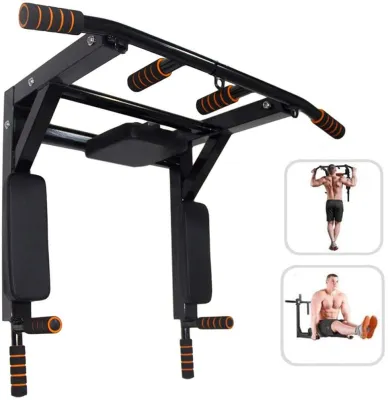
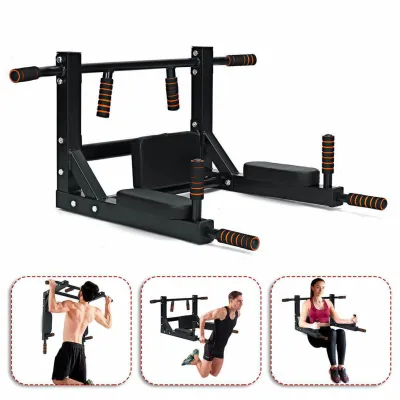
Wall-mounted foldable bars are heavy-duty systems bolted directly into structural walls, utilizing hinges that allow the pull-up frame to swing flat against the wall when not in use. This configuration provides the closest experience to a commercial gym setup, offering exceptional stability, minimal frame flex, and very high weight capacities. Because the frame is securely anchored, it can easily handle advanced gymnastic movements, weighted repetitions, and accessory attachments like suspension trainers or resistance bands.
However, these units demand strict structural conditions for safe installation. They must be mounted directly into solid concrete walls or thick, load-bearing brickwork using heavy-duty expansion bolts. Attempting to install a wall-mounted folding bar onto unsupported drywall, gypsum board, or thin fiber cement partitions will cause severe structural damage and presents a high risk of catastrophic failure during use.
Doorway Retractable and Leverage Bars
For renters, students, or those who prefer not to drill deep holes into their walls, doorway pull-up bars offer a highly convenient, non-permanent alternative. These generally fall into two designs: tension-mounted telescopic bars that expand outward against the sides of a door frame, and leverage-mounted bars that hook over the top casing of the doorway. Some modern leverage models feature folding arms or collapsible frames, allowing them to lay completely flat for easy storage in a closet or under a bed.
Before choosing a doorway bar, you must thoroughly inspect the structural integrity of your door frames. The frame must be constructed from solid wood or heavy metal with secure, well-anchored trim to handle the localized pressure and downward force. The primary advantage of these bars is their quick setup and complete portability, allowing you to maintain a consistent workout routine while traveling or living in temporary housing.
Freestanding Foldable Power Towers
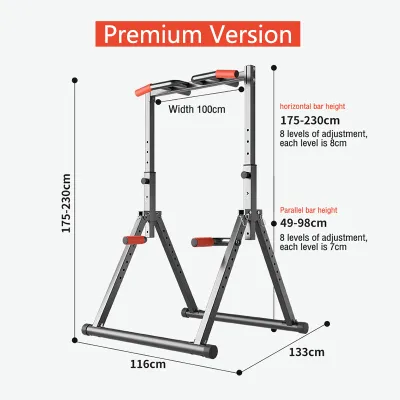
If you want a comprehensive upper-body workout station but cannot drill into your walls, a freestanding foldable power tower is an excellent option. These versatile units combine a pull-up bar, a dip station, and push-up handles into a single, self-supporting frame. Foldable power towers feature clever hinge designs or telescoping vertical uprights that allow the entire frame to collapse down, significantly reducing its footprint so it can be tucked against a wall or stored in a utility area when not in use.
Because these towers rely entirely on their own base for stability, they require more floor space during workouts than wall-mounted or doorway options. When evaluating a power tower, look for models with a wide, extended base and anti-slip rubber foot caps to prevent the unit from rocking, sliding, or tipping during dynamic movements. Proper weight distribution and a low center of gravity are essential for keeping the tower stable during intense exercise sessions.
Structural and Safety Checks for Homes in the Philippines
Installing heavy fitness equipment in Philippine residences requires specific safety precautions due to local construction methods and environmental factors. Conducting thorough structural checks before purchasing or installing your bar is crucial to preventing property damage and personal injury.
- Identifying Wall Types: Many residential homes and condominium units in the Philippines utilize Concrete Hollow Blocks (CHBs) for interior partition walls. Unlike solid poured concrete ("buhos"), CHBs have hollow centers and are often thin, meaning standard expansion bolts cannot grip them securely under the dynamic shear forces of pull-up exercises. Before drilling, verify your wall type by tapping on it to listen for a hollow sound; if you are dealing with hollow blocks or lightweight fiber cement boards, stop immediately and consult a professional contractor to install specialized toggle bolts or a solid backing board to distribute the weight.
- Door Frame Integrity: Many local doorways feature wooden frames that may have been weakened over time by wood rot, warping, or termite damage due to high seasonal humidity. Before mounting any leverage or tension-based bar, closely inspect the frame for soft spots, deep cracks, or loose trim. If the frame creaks, flexes, or shows signs of separation from the wall when you apply moderate downward pressure, it is structurally unsafe for pull-up exercises and must be repaired or avoided.
- Climate and Rust Prevention: The tropical climate of the Philippines is characterized by high relative humidity and salt-laden air in coastal areas, both of which accelerate metal oxidation and rust ("kalawang"). Sweat from intense workouts further compounds this issue. To protect your equipment, choose a bar with a thick, high-quality powder coating. Make it a strict habit to wipe down all metal surfaces, hinges, and locking pins with a dry microfiber cloth immediately after every workout to prevent moisture from settling in the joints.
- Following Manufacturer Instructions: Never compromise on installation safety or attempt to modify the mounting process. Always use the exact drill bit sizes, anchoring depths, and torque specifications detailed in the manufacturer's instruction manual. Do not substitute the provided high-tensile expansion bolts with cheap, unverified hardware from local supply shops, as standard hardware may not be rated to handle the high shear and tension forces generated during suspension training.
How to Maintain Your Foldable Pull-Up Bar
Routine maintenance is essential to ensure that the folding mechanisms of your pull-up bar remain smooth, reliable, and safe over years of consistent use. Implementing a simple care schedule prevents premature wear and protects your investment from environmental degradation.
- Routine Hinge and Lock Inspection: Before starting any workout session, spend a moment inspecting the moving parts of your bar. Verify that all safety pins slide smoothly and lock completely into place, and check the hinges for any signs of metal fatigue, hairline cracks, or loose connection bolts. If you notice any unusual play, wobbling, or structural deformation in the metal, suspend your workouts immediately until the worn parts are tightened or replaced.
- Cleaning and Moisture Control: Sweat contains salt and acids that can quickly corrode metal and degrade foam or rubber grips. After training, wipe down the entire bar with a damp cloth to remove sweat and body oils, then dry it thoroughly with a clean towel. For foam grips, gently press out any absorbed moisture and allow them to air dry in a well-ventilated space to prevent mold, mildew, and unpleasant odors from developing in the humid air.
- Lubrication and Tightening: To keep your folding hinges and pivot joints operating smoothly and quietly, apply a small amount of silicone-based spray lubricant to the moving parts every few months. Avoid using heavy oils or grease, as these substances attract dust, hair, and grit, which can clog the mechanisms over time. Additionally, use a wrench to periodically check and tighten all structural bolts and wall anchors, ensuring that repetitive vibrations from your workouts have not slowly backed the nuts out of their secure positions.
Frequently Asked Questions (FAQ)
Can I install a wall-mounted foldable pull-up bar on a hollow block wall?
Standard concrete hollow blocks (CHBs) are generally not dense enough to safely support the high dynamic shear forces of a wall-mounted pull-up bar using standard expansion anchors. Drilling directly into hollow sections can cause the block to crumble, leading to catastrophic failure. If you must mount on a CHB wall, you should consult a structural professional to install specialized heavy-duty sleeve anchors, or mount a solid wood backing board to distribute the load across multiple blocks.
Are tension-mounted doorway pull-up bars safe for heavy users?
Tension-mounted bars rely purely on friction and outward pressure against the door frame, making them highly dependent on the frame’s structural strength and correct installation. While they are safe when used within the manufacturer’s specified weight limits for strict, slow movements, they are not recommended for heavy users or dynamic exercises like kipping. If you weigh close to the bar’s limit or plan to perform explosive movements, a leverage-mounted or wall-mounted bar is a much safer choice.
How do I prevent my foldable pull-up bar from rusting in a humid climate?
To prevent rust in the humid Philippine climate, always store your bar in a dry, well-ventilated indoor area away from open windows where rain might splash. Wipe down the entire frame with a dry cloth immediately after each use to remove corrosive sweat. Additionally, inspect the powder coating regularly for chips or scratches; if you find exposed metal, apply a rust-inhibiting primer or touch-up paint promptly to seal out moisture.
Community discussion
Share your experience or ask a question. Comments are reviewed before publication.