
Selecting the best football passing wall—commonly known as a football rebounder—for solo training at home requires matching the equipment’s physical feedback to your personal training environment and skill level. In the Philippines, where home training spaces vary from narrow concrete carports and tiled patios to pocket gardens, finding the right balance between bounce consistency, noise output, and weather resistance is essential. There is no single universal model that excels in every setting; instead, the ideal choice depends on whether you prioritize high-velocity ground passes or unpredictable aerial control drills.
Quick Guide: Finding the Right Football Passing Wall for Home
When setting up a solo training station at home, the “best” passing wall is defined by your physical constraints and training goals. If you have limited space, close neighbors, or train primarily on hard concrete surfaces, a low-profile, solid rebound board is often the most practical choice. These boards deliver highly consistent ground returns and can be easily folded flat for storage. On the other hand, if you have a spacious grassy yard and want to practice complex skills like aerial control, chest traps, and volleys, an adjustable rebound net with a flexible trampoline-style design offers the versatility you need.
Before making a purchase, it is helpful to categorize your options into broad budget bands. Basic entry-level rebounders typically cost under ₱3,000 and are ideal for youth players or light recreational touch drills. Mid-range training walls, ranging from ₱3,000 to ₱8,000, offer improved frame stability and adjustable angles suitable for dedicated club players. Professional-grade solid boards and heavy-duty double-sided rebounders often exceed ₱10,000, providing maximum durability and realistic ball feedback for high-intensity adult training. Matching these options to your specific home environment ensures you get the most value out of your investment.
Products mentioned in this guide
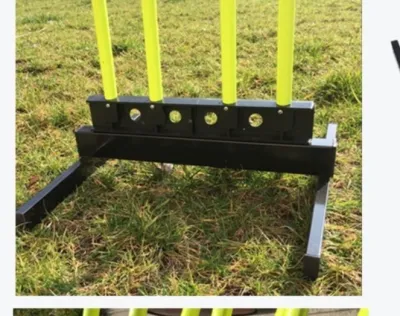
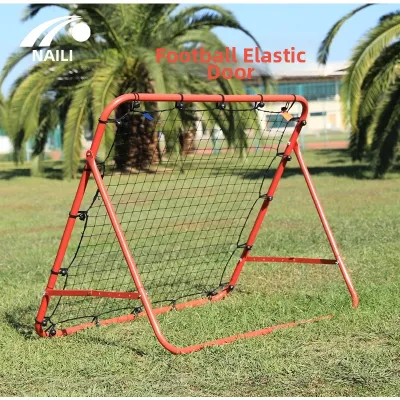
Prices are valid at publication and may change. Please refer to the product page for the latest price.
Key Features to Evaluate Before Buying
To choose a football passing wall that will genuinely improve your skills and withstand daily use, you must look past basic marketing claims and evaluate specific mechanical and material specifications. Solo training demands equipment that can absorb repeated high-velocity impacts without shifting, degrading, or causing safety hazards.

Space, Storage, and Portability
Before purchasing any equipment, measure your available training area to ensure you have adequate clearance for both the unit’s footprint and your own movement. A standard urban home may only offer a narrow driveway or a shared carport, where a massive, wide-frame rebounder would block foot traffic or vehicles. Look for the overall weight and dimensions of the unit when fully assembled.
For homes with multi-use spaces, portability and ease of teardown are non-negotiable features. Opt for passing walls designed with quick-release pins, folding brackets, or collapsible frames that allow the unit to fold flat to a depth of under 10 centimeters. This allows you to easily slide the equipment behind a storage shelf or lay it flat against a garage wall when not in use. While lighter frames (under 6 kilograms) are highly portable and easy to carry to a local park, they are prone to sliding or tipping under the force of powerful adult passes. Heavier frames (10 to 20 kilograms) offer superior stability but require more effort and space to store and transport.
Rebound Angle and Tension Adjustability
The mechanical feedback of your passing wall dictates the types of drills you can perform. A fixed-angle rebounder limits your training to repetitive, flat ground returns. To maximize your skill development, look for units that feature multi-position adjustable brackets, allowing you to tilt the rebound surface backward or forward. Tilting the surface backward redirects a ground pass into a looping aerial return, simulating cross-field passes that help you practice thigh control, chest traps, and volleys.
For net-style rebounders, the tension system is the most critical component. High-quality rebound nets utilize heavy-duty elastic bungees or steel springs to pull the netting taut against the frame. High tension ensures a crisp, rapid return that forces you to react quickly, mimicking the pace of a real match. Loose tension causes the ball to die on the net, disrupting your training flow. Because elastic materials naturally lose their elasticity over time due to heat and repetitive impact, verify that the manufacturer offers replaceable tension ties or adjustable tensioning systems.
Weather Resistance and Durability
The tropical climate of the Philippines, characterized by high humidity, intense UV exposure, and heavy monsoon rains, can quickly degrade low-quality sports gear. To ensure your passing wall survives outdoor storage, you must verify its material specifications. Look for frames constructed from galvanized steel or powder-coated aluminum, both of which offer excellent resistance to rust and structural corrosion.
The netting must also be specifically rated for outdoor durability. Look for high-density polyethylene (HDPE) or nylon nets treated with UV inhibitors to prevent the sun from making the strands brittle and prone to snapping. Additionally, inspect the quality of the hardware; stainless steel bolts, locking nuts, and reinforced corner welds prevent structural failure at the key stress points where the frame absorbs the kinetic energy of the ball.
Top Types of Football Passing Walls for Solo Practice
Understanding the distinct design categories of football passing walls allows you to select the style that best matches your training surface, noise tolerance, and specific developmental goals.
| Rebounder Type | Bounce Consistency | Space Required | Noise Level | Best Use Case |
|---|---|---|---|---|
| Rebound Nets (Trampoline Style) | Moderate (varies by tension) | Medium to Large | Medium (dampened thud) | Aerial control, volleys, goalkeeper drills |
| Solid Rebound Boards | High (extremely consistent) | Compact | High (sharp plastic/wood slap) | Ground passing, one-touch play, tight spaces |
| Inflatable & Soft Rebounders | Low to Moderate | Compact | Low (muffled impact) | Indoor practice, youth players, safety-first setups |
Rebound Nets (Trampoline Style)
Rebound nets feature a flexible net tensioned across a rigid metal frame, operating on the same physical principles as a vertical trampoline. These units are highly versatile because the elastic return can propel the ball over varying distances and heights depending on the angle of the frame. By adjusting the tilt, you can seamlessly transition from ground-skimming passing drills to high, looping returns that test your aerial control and heading technique.
The primary drawback of rebound nets is their physical footprint. The A-frame support structure typically extends backward, requiring a larger setup area than flat boards. Additionally, because the net stretches upon impact, the ball’s return path can occasionally be slightly unpredictable if it strikes near the edge of the frame or on a loose bungee cord. While this unpredictability can help simulate real-match chaos, it may frustrate players who are trying to master highly repetitive, precise passing techniques.
Solid Rebound Boards (Angled Panels)
Solid rebound boards, typically constructed from high-density polyethylene (HDPE), heavy-duty composite plastics, or marine-grade plywood, offer a rigid, unyielding surface. When a football strikes a solid board, it rebounds with high velocity and absolute consistency. This predictable, clean bounce makes solid boards the gold standard for mastering the weight and accuracy of your short passes, as well as rapid one-touch wall passes.
Most professional-grade boards feature dual-angle designs. They can stand completely vertical to return ground passes flat along the turf, or they can be flipped to a slight forward angle to drive the ball back downward, keeping it low even when hit with power. The primary trade-off is noise; the impact of a leather ball against a solid plastic or wooden panel creates a sharp, loud slapping sound that can easily echo across a residential neighborhood or townhouse compound. They also tend to be heavier than net systems, making them highly stable but more cumbersome to carry.
Inflatable and Soft Rebounders
Inflatable and high-density foam rebounders represent the most portable and user-friendly category, making them ideal for younger players or homes with highly restricted outdoor space. These units are typically filled with air via a standard pump or constructed from thick, shock-absorbing foam blocks. Because they lack heavy metal frames or rigid plastics, they are exceptionally safe, virtually eliminating the risk of injury or property damage if a player trips over the equipment or misdirects a pass.
The obvious compromise is performance. Inflatable rebounders absorb a significant portion of the ball’s kinetic energy, resulting in a much slower and shorter return. They are generally unsuitable for high-intensity adult training or practicing long-range passing, as a powerful shot may simply deform the inflatable structure rather than rebounding cleanly. They are best reserved for light indoor touch drills, rainy-day room practice, or introducing toddlers to basic ball coordination.
Setup, Safety, and Neighborhood Etiquette
Setting up your training station correctly is just as important as choosing the right equipment. Proper placement, anchoring, and consideration for your surroundings prevent property damage, avoid neighborhood disputes, and ensure your safety during high-intensity sessions.
Surface Matching and Friction The surface on which you place your passing wall heavily influences both the stability of the equipment and the behavior of the ball. Placing a rebounder on natural grass or artificial turf provides excellent natural friction, helping to dampen the ball’s roll and mimic realistic pitch conditions. However, soft soil can cause the frame to sink unevenly over time, altering the return angle.
If you are setting up on concrete driveways, tiled carports, or asphalt, the lack of friction means the ball will roll much faster and further after rebounding. Hard surfaces also cause the frame to slide backward with every impact. To prevent this, always place a heavy rubber utility mat or a piece of outdoor carpet underneath the frame. This simple addition protects your tiles or concrete from scratches, prevents the metal frame from sliding, and absorbs a portion of the vibration and noise generated by your passes.
Anchoring and Stability A passing wall must remain perfectly stationary to provide a reliable training session. A powerful pass from an adult player can easily exert enough force to tip over an unanchored frame, risking injury or damage to nearby property. When training on grass, always secure the frame using heavy-duty steel U-anchors or ground pegs driven deep into the turf.
For hard surfaces where pegs are useless, you must rely on external weights. Many professional rebounders feature built-in weight compartments or sandbag attachments. If yours does not, drape heavy sandbags, concrete pavers, or water-filled weight bags over the rear base support bars. As a general safety rule, the anchoring weight should be proportional to the force of your kicks; if you notice the frame shifting even slightly after three consecutive passes, stop training immediately and add more weight to the base.
Noise Reduction and Neighborhood Etiquette Solo training at home is highly convenient, but the repetitive sound of a football striking a rebounder can quickly become a nuisance to your neighbors. This is particularly true in densely populated residential areas, subdivisions, or townhouse complexes in the Philippines. To maintain good neighborhood relations, carefully plan your training schedule. Avoid early morning or late-night sessions, keeping your practice confined to mid-day or late afternoon hours when ambient noise levels are naturally higher.
You can also take active measures to dampen the noise. For solid boards, attaching a thin strip of high-density adhesive foam or rubber backing to the rear support joints can significantly reduce structural vibration. Using a slightly deflated training ball (within the lower limit of the manufacturer’s recommended PSI) can also soften the impact sound without severely compromising the bounce. Finally, position your passing wall away from shared concrete firewalls, metal gates, or windows to prevent the sound from echoing directly into your neighbor’s living space.
Essential Safety Inspections Before starting any training session, perform a quick visual and physical inspection of your equipment. Check the metal frame for any signs of structural fatigue, such as cracked welds, deep rust spots, or bent tubing. Examine the netting for frayed strands or loose bungees that could snap under tension.
If you detect any structural compromise—such as a cracked joint or a severely frayed elastic cord—stop using the equipment immediately. A snapping bungee cord or a collapsing metal frame under the impact of a fast-moving ball can cause serious facial or bodily injury. Always follow the manufacturer’s maximum impact guidelines, and do not allow children to climb on or hang from the frame.
Effective Solo Drills to Try With Your Rebounder
To get the most out of your football passing wall, your training should go beyond random kicking. Structured drills help develop muscle memory, improve your reaction time, and simulate real-match scenarios.
First Touch and Receiving
The primary benefit of a passing wall is its ability to simulate an infinite number of incoming passes. To practice your first touch, stand approximately three to five meters away from the rebounder. Deliver a firm, low pass into the center of the board or net. As the ball returns, focus on your body positioning: open your hips, stay light on your toes, and use the inside of your foot to cushion the ball.
To advance this drill, adjust the angle of your rebounder to create an upward trajectory. This forces you to receive the ball out of the air. Practice cushioning the looping return with your thigh, chest, or the laces of your boot, dropping the ball cleanly to the ground before executing a second pass. The goal is to make your first touch soft enough that the ball settles within one step of your body, ready for the next action.
Short Passing and Accuracy
This drill focuses on developing a clean, crisp passing technique using both feet. Place two small cones about one meter apart, positioned roughly four meters away from the passing wall, to act as a starting gate. Stand behind this gate and pass the ball through the center of the gate to strike the board.
Focus on the weight and accuracy of your pass. If you hit the ball too softly, the rebound will not reach your feet, forcing you to break your stance. If you hit it too hard or off-center, the ball will fly wild. Aim for a continuous, rhythmic cycle: pass with your right foot, receive with your left, shift the ball across the gate, and pass back with your left foot. Start slowly to establish a rhythm, then gradually increase the pace as your accuracy improves.
Turning and Scanning
In a real football match, you rarely have the luxury of looking only at the ball. To build spatial awareness, set up a training gate or a target cone directly behind your standing position, about three meters away. Before you pass the ball into the rebounder, you must initiate a quick “shoulder check” (scanning behind you) to simulate looking for defenders.
Deliver the pass to the wall. As the ball is traveling back toward you, perform another rapid scan, then receive the ball on the half-turn. Use your first touch to redirect the ball around your body, turning 180 degrees, and dribble through the rear gate or strike a secondary target. This drill trains your brain to process visual information in the split second before receiving a pass, preventing you from getting caught flat-footed under match pressure.
Frequently Asked Questions (FAQ)
Can I use a football passing wall indoors?
Yes, but only under strict safety conditions. You should never use a high-tension rebound net or a standard, fully inflated match ball inside a typical residential room, as the high-velocity returns can easily shatter windows, damage furniture, or dent drywall. If you must practice indoors, use a low-profile solid board paired with a soft foam training ball or a low-bounce futsal ball. Ensure the training area is completely clear of fragile objects, pets, and bystanders, and place a thick rubber mat under the board to protect your flooring from impact damage.
How do I maintain my rebound net in a humid climate?
To maximize the lifespan of your rebound net in a humid, tropical environment like the Philippines, proactive maintenance is essential. After training in the rain or during highly humid days, wipe down the metal frame with a dry cloth and shake off excess water from the net. Allow the unit to dry completely in a well-ventilated area before folding and storing it to prevent the growth of mold and mildew. During extreme weather events, such as typhoons or prolonged monsoon seasons, do not leave the rebounder outdoors; store the entire unit inside a dry garage, shed, or closet to protect the elastic bungees and metal joints from accelerated corrosion.
What size football passing wall do I need?
The ideal size depends on the player’s age, skill level, and training goals. For young players (under 12 years old) or those with highly restricted training spaces like narrow carports, a compact rebounder measuring roughly 1×1 meter is highly sufficient and easy to store. For teenagers, adult players, or those practicing advanced aerial control and goalkeeper drills, a larger rebounder measuring at least 1.5×1.5 meters or a wide 2-meter passing board is recommended. The larger surface area provides a wider margin of error, allowing you to practice long-range passing and dynamic diving saves without constantly chasing missed balls.
Community discussion
Share your experience or ask a question. Comments are reviewed before publication.