
Quick Answer: Matching the Right Fox 40 Whistle to Your Match
Selecting the ideal whistle for football refereeing depends on your match environment, pitch size, and crowd noise. There is no single “perfect” model, but rather a best option for specific officiating scenarios.
For standard local, school, and amateur 11-a-side matches, the Fox 40 Classic is the recommended choice due to its universally recognized, authoritative tone that players instantly respect. If you are officiating in large, noisy stadiums, multi-pitch tournaments, or windy coastal fields where maximum sound projection is required, the Fox 40 Sonik Blast is the superior option. For referees managing back-to-back weekend tournament fixtures who want strong volume but prefer a lower, less piercing pitch to reduce ear fatigue, the Fox 40 Pearl serves as the ideal alternative.
Key Criteria for Evaluating Football Referee Whistles
To choose the right whistle, you must understand how acoustic design translates to real-world performance on a sprawling football pitch.
Products mentioned in this guide
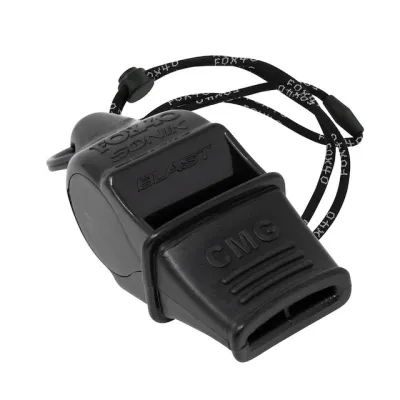
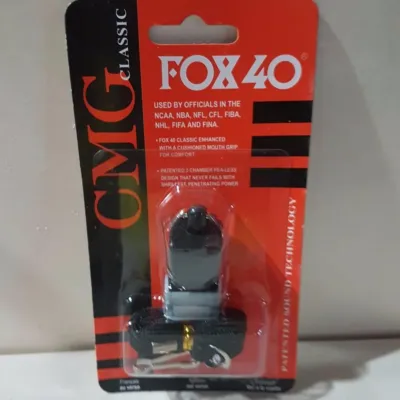
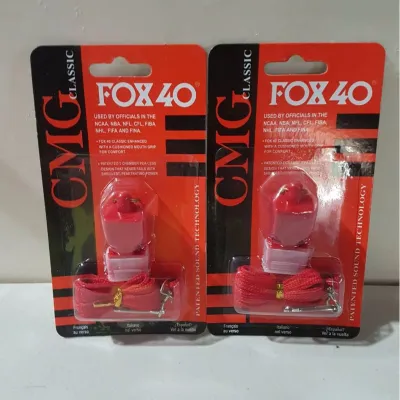
Prices are valid at publication and may change. Please refer to the product page for the latest price.

Volume and Projection: A standard football pitch measures up to 120 meters in length. Your whistle must instantly cut through the din of shouting players, coaching staff, and spectators. If a whistle lacks sufficient projection, players on the far wing may continue playing after an infraction, leading to unnecessary physical contact and potential injuries.
Pitch and Tone: Sound frequency determines how easily a whistle penetrates ambient noise. High-pitched, piercing frequencies are highly effective at cutting through low-frequency crowd chatter. However, a pitch that is too sharp can cause discomfort for the referee during frequent use. Finding the right balance between a sharp signal and auditory comfort is a key personal preference.
Pealess Design: Traditional whistles contain a small cork ball, or “pea,” inside the chamber. In football, where referees run continuously, moisture from saliva and sweat quickly accumulates. A wet pea can easily stick to the inner wall, causing the whistle to fail or produce a muffled hiss. Pealess whistles utilize tuned acoustic chambers to generate sound, ensuring absolute reliability regardless of moisture.
Grip and Ergonomics: Referees must carry their whistle securely while maintaining the ability to run, signal, and write in their pocket notebook. Finger grips (or finger-muffs) slide over the fingers, keeping the whistle positioned perfectly in the hand for instant use. This design is widely preferred over traditional neck lanyards, which can swing wildly during a sprint or present a safety hazard if a player accidentally collides with the official.
Weather Resistance: Officiating outdoor football in the Philippines presents unique environmental challenges. Referees frequently operate in intense tropical heat, high humidity, or sudden torrential downpours during the wet season. The whistle’s material must withstand constant exposure to UV rays, moisture, and sweat without degrading, cracking, or losing its acoustic properties.
Detailed Breakdown of Top Fox 40 Models
Fox 40 Classic: The Reliable Standard
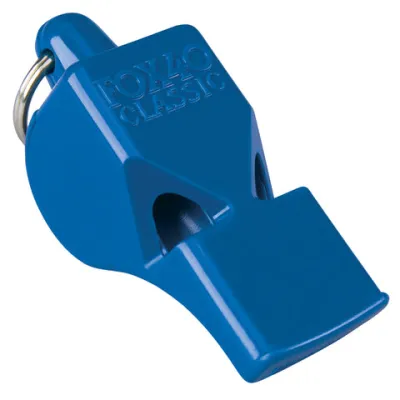
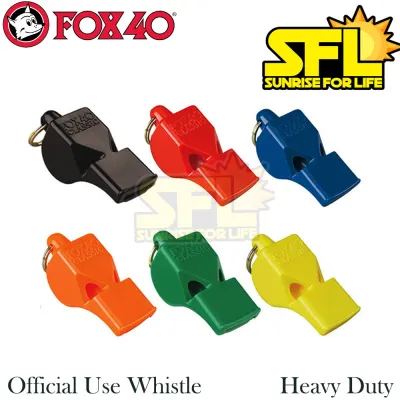
The Fox 40 Classic is the foundation of modern sports officiating and remains the benchmark by which all other pealess whistles are judged. Developed to eliminate the failure points of traditional pea-style whistles, the Classic features a three-chamber design that produces a loud, consistent, and recognizable sound. Its acoustic profile is balanced, offering a high-pitched tone that is instantly identifiable on any football field.
For grassroots leagues, school sports events, and local amateur tournaments, the Classic is often the default choice. Players, coaches, and spectators have been conditioned over decades to associate this specific sound with an official’s whistle, leading to immediate compliance when blown. The standard plastic body is incredibly lightweight, preventing hand fatigue during long 90-minute matches.
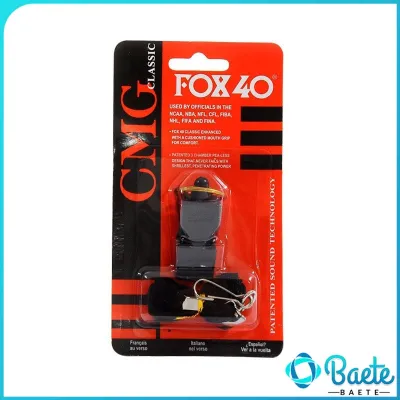
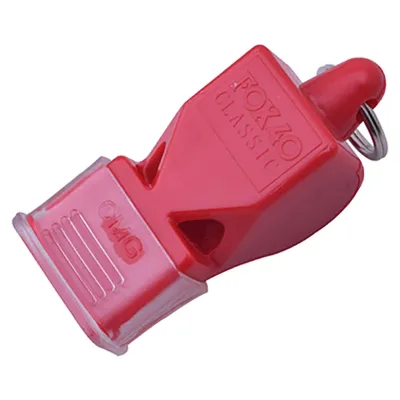
When choosing the Classic, you can select between the traditional model and the Cushioned Mouth Grip (CMG) version. The CMG model features a thermoplastic overmold that provides a secure, comfortable grip between your teeth, which is highly beneficial if you prefer to hold the whistle in your mouth during fast-paced phases of play.
Fox 40 Sonik Blast: Maximum Projection
When officiating in highly demanding environments, the Fox 40 Sonik Blast represents the pinnacle of volume and projection. Engineered with advanced scientific analysis of sound travel, this model features a unique two-chamber design that produces an extremely loud, sharp, and high-pitched tone. It is specifically built to cut through the most intense ambient noise, including roaring stadium crowds, heavy wind, and distant whistles from adjacent pitches.
This model is particularly suited for regional tournaments, collegiate matches, and large-scale sports complexes where multiple games are played simultaneously. The piercing sound of the Sonik Blast ensures that your decisions are heard clearly across a full-sized pitch, preventing confusion and maintaining game control.
However, the extreme volume of the Sonik Blast requires careful technique. Referees should be mindful of how hard they blow the whistle when players are in close proximity to avoid causing auditory discomfort. The ergonomic finger grip options for the Sonik Blast are robust, offering a secure fit that accommodates various hand sizes and ensures the whistle remains firmly in place during rapid sprints.
Fox 40 Pearl: The Balanced Alternative
The Fox 40 Pearl offers a distinct acoustic profile that serves as an excellent middle ground for referees who find higher-pitched whistles too harsh. Utilizing a two-chamber pealess design, the Pearl produces a lower, more mellow pitch that still carries impressive volume. This lower-frequency sound is highly effective at penetrating ambient noise without the piercing quality characteristic of the Classic or Sonik Blast.
This unique tone is highly advantageous for referees who officiate multiple back-to-back matches in a single day, such as weekend youth tournaments or local community leagues. The lower pitch significantly reduces ear fatigue for the referee, making it much more comfortable to use over several hours of active officiating.
Additionally, because the Pearl sounds distinctly different from the standard high-pitched whistles used by most referees, it helps players easily distinguish your signals from those on neighboring pitches. This reduces instances of players stopping play mistakenly when they hear a whistle from an adjacent game, a common issue in crowded multi-pitch sports venues.
Fox 40 Eclipse and Micro: Niche Alternatives
Beyond the three primary models, Fox 40 offers specialized options that cater to specific referee preferences and niche environments. The Fox 40 Eclipse is a modern iteration that closely mirrors the acoustic performance of the Classic but features an integrated, sleek body design with a co-molded Cushioned Mouth Grip. This provides a highly comfortable feel for referees who prefer a streamlined aesthetic and a soft, secure bite surface during long tournament days.
The Fox 40 Micro is a compact, ultra-slim model designed for low-profile carrying. While it retains the reliability of the pealess design, its smaller acoustic chambers produce a slightly lower relative volume compared to the Classic and Sonik Blast.
While the Micro is an excellent backup whistle to keep in your referee kit bag, it is generally less suited as a primary whistle for full-sized, outdoor 11-a-side football matches. Its reduced projection can make it difficult for players on the far side of a large pitch to hear your signals clearly, especially during windy conditions or noisy matches. However, it remains a highly viable option for small-sided games, futsal, or training sessions where the playing area is compact.
Feature Comparison Matrix
To help you quickly identify the right model for your needs, this matrix summarizes the relative characteristics and primary applications of the top three Fox 40 models. These models are widely available in the Philippines, typically ranging from ₱400 to ₱900 depending on the grip style and retail source.
| Model | Relative Volume | Pitch Profile | Grip Design | Best Use Case |
|---|---|---|---|---|
| Fox 40 Classic | High | Balanced / High-Pitch | Traditional or CMG Finger Grip | Grassroots, school, and local amateur 11-a-side matches |
| Fox 40 Sonik Blast | Very High | Sharp / High-Pitch | Ergonomic CMG Finger Grip | Large stadiums, noisy tournaments, and windy outdoor pitches |
| Fox 40 Pearl | Moderate to High | Lower / Mellow | Traditional or CMG Finger Grip | Multi-pitch tournaments and referees seeking to reduce ear fatigue |
How to Choose Based on Your Officiating Level and Environment
To make the final decision, you must evaluate your specific officiating environment, your physical comfort preferences, and the level of competition you manage.
Choose the Classic if: You primarily officiate standard 11-a-side local matches, school games, or amateur leagues. You want a reliable, lightweight whistle with a universally recognized sound that players instantly respect and respond to without hesitation.
Choose the Sonik Blast if: You referee in large, noisy stadiums, high-stakes tournament finals, or expansive outdoor fields where wind and crowd noise are significant factors. You need maximum volume and a sharp, piercing pitch that can be heard clearly from over 100 meters away.
Choose the Pearl if: You frequently referee multi-match tournament days and want to minimize ear fatigue, or if you officiate in multi-pitch complexes where a distinct, lower-pitched tone is necessary to prevent confusion with adjacent games.
Verify first if: You are officiating small-sided games, futsal, or indoor football matches. In enclosed sports halls or smaller covered courts common in the Philippines, the extreme volume of a whistle like the Sonik Blast can echo painfully off the walls, causing discomfort to players, coaches, and yourself. For these environments, verify if a standard Classic or a lower-volume alternative is more appropriate to maintain a comfortable environment while still ensuring your signals are heard.
Additionally, always check the specific equipment regulations of your local referee association or tournament organizing body. While Fox 40 whistles are globally accepted, some leagues may require specific colors (such as traditional black) or discourage the use of certain high-volume models in junior divisions to protect young players’ hearing.
Care, Cleaning, and Hygiene for Pealess Whistles
Maintaining your whistle is essential for ensuring its longevity, acoustic performance, and hygiene. Because referees blow into their whistles repeatedly during high-cardio matches, saliva, dust, and bacteria can quickly accumulate inside the acoustic chambers.
Fortunately, the pealess design of Fox 40 whistles makes them exceptionally easy to clean compared to traditional pea whistles, as there are no moving parts or organic materials like cork to trap moisture. To clean your whistle safely, follow these reversible steps:
- Mix a few drops of mild dishwashing soap in a bowl of warm water.
- Submerge the whistle and agitate it gently to loosen any debris inside the chambers.
- Use a soft-bristled brush, such as an old toothbrush, to gently clean the mouthpiece and outer surfaces.
- Rinse the whistle thoroughly under clean, running tap water to ensure all soap residue is completely removed.
- Shake out any excess water and allow the whistle to air-dry completely in a well-ventilated area before storing it in your gear bag.
Regularly inspect the mouthpiece for any deep bite marks, cracks, or structural damage. Over time, heavy biting can compromise the plastic or the cushioned grip, which can alter the airflow and ruin the acoustic profile of the whistle. If you observe significant wear or cracking, replace the whistle immediately to ensure reliable performance on the pitch.
Never use harsh chemical solvents, bleach, or boiling water to clean your whistle. Extreme heat can warp the precise plastic chambers, permanently ruining the whistle’s tuning and volume capability.
Frequently Asked Questions (FAQ)
Do football referees use lanyards or finger grips?
Football referees overwhelmingly prefer finger grips or wrist lanyards over traditional neck lanyards. A finger grip slides securely over your fingers, keeping the whistle positioned perfectly for instant use while allowing your hands to remain relatively free to signal or write in your notebook. More importantly, neck lanyards present a significant safety hazard; if a player accidentally collides with you or grabs the lanyard during a chaotic match moment, it can cause neck strain or injury. A finger grip allows you to instantly release the whistle if necessary, ensuring your safety on the pitch.
Are Fox 40 whistles reliable in heavy rain and humidity?
Yes, Fox 40 whistles are exceptionally reliable in wet, humid, and rainy conditions, making them ideal for the tropical climate of the Philippines. Because they feature a pealess design, there is no internal cork ball that can absorb moisture, swell, or stick to the chamber walls. Whether you are officiating in high humidity or a sudden afternoon downpour, the acoustic chambers remain clear, allowing the whistle to produce its signature loud, clear sound every single time you blow.
Community discussion
Share your experience or ask a question. Comments are reviewed before publication.