
Freediving in the Philippines offers access to some of the world’s most spectacular marine biodiversity, from the steep drop-offs of Balicasag and the deep walls of Panglao to the historic wrecks of Coron. To fully enjoy these underwater environments and perform at your best, selecting a dedicated wet suit for freediving is essential. Unlike generic swimwear or heavy scuba gear, a proper freediving wetsuit provides the streamlined profile, thermal protection, and flexibility required for deep breath-hold diving. Choosing the ideal suit depends on balancing water temperatures, material types, and structural designs suited for tropical waters.
While the warm surface waters of the Philippines might suggest that protective gear is unnecessary, prolonged exposure, depth-related thermoclines, and stinging marine organisms make a high-quality suit indispensable. The best wetsuit for you is one that matches your personal cold tolerance, diving depth, and skill level. Whether you are a beginner practicing static apnea in a pool or an advanced diver training in deep open-water lines, understanding the nuances of neoprene construction, thickness, and fit will ensure you stay warm, comfortable, and safe during every session.
Understanding Freediving Wetsuit Design
Freediving wetsuits are highly specialized pieces of equipment engineered specifically for the demands of breath-hold diving. Unlike scuba diving or surfing suits, which prioritize ruggedness or impact protection, a freediving suit focuses on maximizing glide, minimizing water movement inside the suit, and allowing unrestricted chest expansion. Understanding these design elements helps you identify why standard water sports gear falls short when descending on a single breath.
Products mentioned in this guide
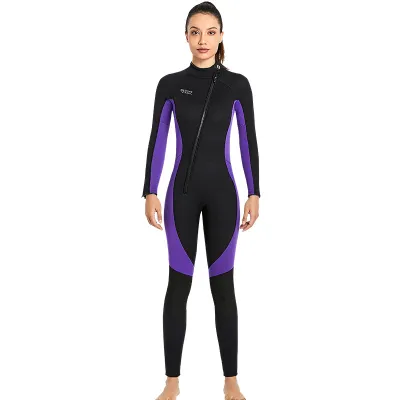
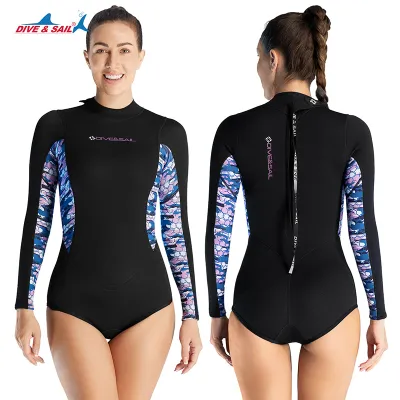
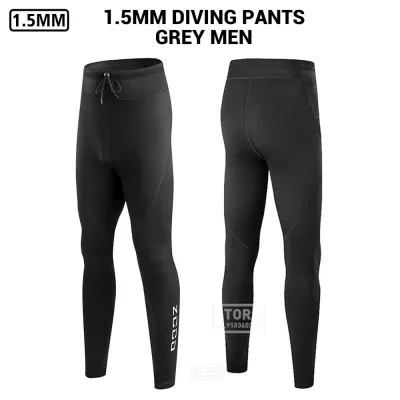
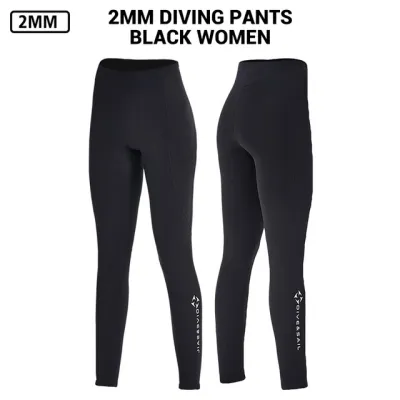
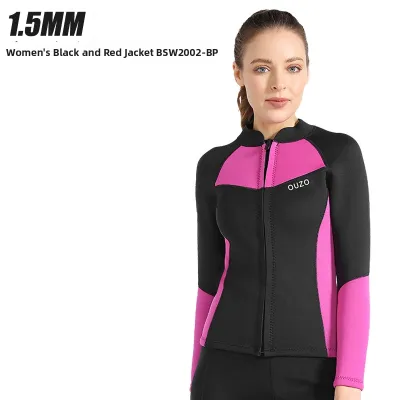
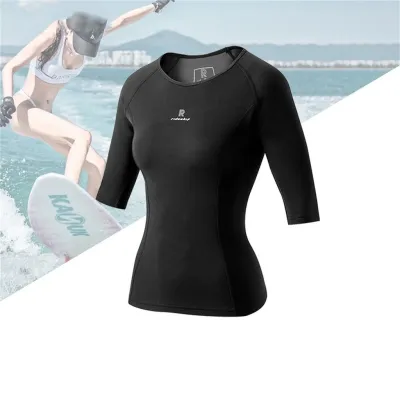
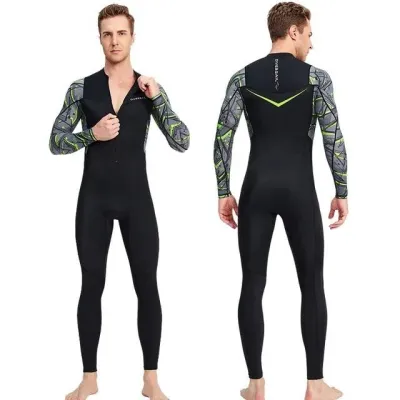
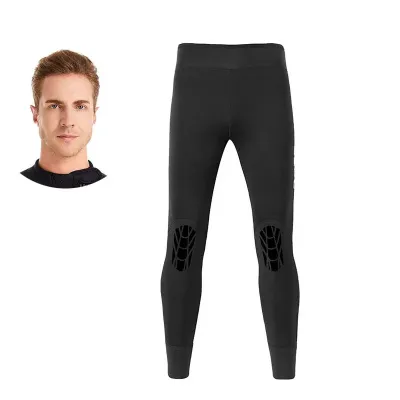
Prices are valid at publication and may change. Please refer to the product page for the latest price.
A primary structural difference is the absence of heavy zippers in dedicated freediving suits. Zippers are a major source of water flush—the process where cold water enters the suit, displacing the thin layer of water warmed by your body. By eliminating zippers, particularly in two-piece designs, freediving suits create an incredibly tight seal that minimizes water exchange. This structural choice maximizes thermal retention, allowing you to stay in the water longer without shivering, which can rapidly deplete your oxygen stores.
Furthermore, the anatomical cuts of these suits are tailored specifically for the body positions unique to freediving. The panels are patterned to facilitate overhead arm positioning during streamline glides and to accommodate the continuous, rhythmic motion of finning. The material is cut to eliminate excess space under the armpits and around the lower back, reducing drag as you move through the water column. This streamlined profile ensures that every kick translates to maximum distance with minimal oxygen expenditure.
Finally, the visual design of freediving suits often serves both functional and aesthetic purposes. Many suits feature specialized camouflage patterns, which are highly favored by spearfishermen and recreational freedivers looking to blend into reef or open-ocean environments. Conversely, solid high-visibility colors are widely used by safety divers and competitive athletes to ensure they remain easily visible from the surface or by safety teams at depth.
Selecting the Right Thickness for Tropical Waters
The tropical climate of the Philippines means surface water temperatures generally range from a warm 26°C to 30°C throughout the year. However, surface temperatures can be highly deceptive. As you descend, you will often encounter distinct thermoclines—layers of water where the temperature drops suddenly by several degrees. Additionally, during the cooler northeast monsoon (Amihan) months from December to February, coastal waters can feel significantly colder, especially during prolonged training sessions where you spend long periods floating relatively still on the surface between dives.

To choose the correct neoprene thickness, you must evaluate your typical dive profile, the season, and your personal metabolism. A suit that is too thin will leave you shivering and tense, which ruins your relaxation phase (breath-up) and shortens your dive times. Conversely, a suit that is too thick will add excessive buoyancy, requiring more lead weight to submerge, and can cause you to overheat during surface preparation or boat rides in the tropical sun.
For most divers in the Philippines, a thickness of 1.5mm to 3mm represents the ideal sweet spot. Thinner suits (1.5mm) are excellent for shallow reef exploration, pool training, and warm summer days. A 2mm or 3mm suit is highly recommended for deep line training, prolonged coaching sessions, or diving during the cooler months when thermoclines are more pronounced. Always monitor your own thermal comfort; if you find yourself shivering or tensing up during your breath-up, it is a clear sign you need to step up to a slightly thicker suit or add a hood.
The following table outlines how different thickness ranges correspond to typical water temperatures and diving activities in the Philippines:
| Wetsuit Thickness | Typical Water Temperature | Recommended Dive Profile & Scenarios |
|---|---|---|
| 1.0mm to 1.5mm | 28°C to 31°C | Pool training, shallow recreational reef diving, and warm summer surface swims. |
| 2.0mm to 2.5mm | 26°C to 28°C | Standard line training, deep recreational diving, and general year-round use. |
| 3.0mm | 24°C to 26°C (at depth) | Deep competitive training, prolonged coaching sessions, and diving during cooler monsoon months. |
Open-Cell vs. Closed-Cell Neoprene: Material Trade-Offs
When shopping for a freediving wetsuit, the most critical material decision you will make is choosing between open-cell and closed-cell neoprene. This distinction refers to the inner lining of the suit, which directly contacts your skin, and it significantly impacts the suit’s warmth, flexibility, and ease of use.
Closed-cell neoprene, often referred to as lined neoprene, features a fabric lining (such as nylon or polyester) laminated to the inside of the rubber. This lining makes the suit incredibly durable and highly resistant to fingernail tears during dressing. It also allows you to slide the suit on dry, without any lubrication, making it highly convenient for casual divers or those changing on cramped boats. However, the fabric lining restricts the natural stretch of the neoprene, making the suit slightly stiffer and less efficient at sealing against your skin, which allows minor water flushing.
Open-cell neoprene, on the other hand, does not have an inner fabric lining. Instead, the raw, porous bubbles of the sliced neoprene are left exposed. When pressed against your body, these tiny micro-bubbles act like miniature suction cups, creating an exceptionally tight seal that virtually eliminates water movement inside the suit. This provides unmatched warmth and a highly flexible, “second-skin” feel that allows for maximum chest expansion. The trade-off is that open-cell neoprene is highly fragile and cannot be put on dry; attempting to do so will almost certainly tear the delicate rubber.
For beginners who dive occasionally and prioritize durability and convenience, a closed-cell or hybrid suit is often the most practical choice. It tolerates rougher handling and does not require special preparation to put on. For intermediate and advanced freedivers who train regularly, dive deeper, or spend hours in the water, the superior thermal efficiency and flexibility of an open-cell suit are well worth the extra care and lubrication required.
Two-Piece vs. One-Piece Configurations
Freediving wetsuits generally come in two structural configurations: a traditional two-piece design or a streamlined one-piece suit. Each layout serves different diving styles, and understanding their structural benefits will help you select the configuration that matches your training environment.
The two-piece configuration is the undisputed gold standard for serious open-water freediving. This design consists of high-waisted pants (or occasionally “long john” style overalls) and a separate jacket featuring an integrated hood and a beaver-tail closure that fastens between the legs. By overlapping the pants and the jacket, this configuration provides a double layer of neoprene over your core, where thermal protection is most critical. Furthermore, the absence of a back zipper allows the spine to curve naturally during ducks dives and streamlines your silhouette, while the integrated hood prevents water from entering through the neck.
One-piece suits, which typically feature a rear or front zipper, are more common in pool training, casual snorkeling, or warm-water recreational diving. They are generally faster to put on and take off and do not require a beaver-tail closure. However, the rigid zipper line along the back or chest limits the overall flexibility of the suit, making it harder to achieve a full, unrestricted chest expansion during your final inhalation. Additionally, one-piece suits rarely feature integrated hoods, which increases water flushing around the neck and accelerates heat loss.
For open-water training in the deep coastal waters of the Philippines, the two-piece hooded design is highly recommended. It offers the best thermal seal against thermoclines and ensures your movement remains completely unrestricted. If your activities are primarily limited to pool-based dynamic apnea disciplines or casual, shallow reef swimming in warm water, a high-quality one-piece suit can serve as a convenient and highly durable alternative.
Achieving the Right Fit and Seal for Breath-Hold Diving
A freediving wetsuit can only perform its thermal and hydrodynamic duties if it fits your body perfectly. Unlike loose-fitting casual wear, a wetsuit must fit like a second skin, with no air pockets or loose folds where water can pool. However, because freediving relies heavily on deep breathing and relaxation, achieving this snug fit must not come at the expense of your physical comfort or safety.
When trying on a suit, pay close attention to the chest, shoulders, and throat. The suit should be tight enough to prevent water from flushing through, but it must allow you to take a maximum, unrestricted inhalation. If you feel a squeezing sensation around your ribcage that prevents you from expanding your lungs fully, the suit is too small. Similarly, check the seals at your wrists, ankles, and face; they should sit flat against your skin without binding or cutting off circulation.
For open-cell suits, you must use a proper lubricant to put the suit on safely. A mixture of water and a small amount of skin-safe, biodegradable conditioner or specialized wetsuit lubricant is highly recommended. Pour the mixture inside the suit, shake it to coat the entire inner surface, and gently slide your limbs through. Never pull or tug on the raw neoprene with your fingertips, as fingernails can easily gouge and tear the material; instead, use the flats of your hands to smooth the suit into place.
Safety Warning: Your safety and physical comfort must always take priority over thermal protection. If a wetsuit restricts your breathing, causes lightheadedness, restricts blood flow to your limbs, or exerts excessive pressure on your neck or carotid artery, stop using it immediately. An ill-fitting suit that restricts breathing or circulation can increase the risk of blackouts or panic at depth. If you experience any of these symptoms, exchange the suit for a different size or consult a professional fitting specialist.
Purchasing Locally and Maintaining Gear in Humid Climates
Acquiring a high-quality freediving wetsuit in the Philippines can be done through local dive shops or specialized online retailers. Purchasing from a local physical store in diving hubs like Panglao, Moalboal, or Metro Manila offers the invaluable benefit of trying on different sizes before buying, and you can receive personalized advice from experienced local instructors. If you choose to buy online, ensure you consult the manufacturer’s specific sizing chart carefully, as sizing standards can vary significantly between European, Asian, and American brands.
Once you have invested in a quality suit, proper maintenance is crucial, especially in the hot and highly humid climate of the Philippines. Saltwater, sweat, and organic matter can rapidly degrade neoprene, while high humidity creates a breeding ground for mold and bacteria if the suit is stored incorrectly.
Follow this post-dive care routine to maximize the lifespan of your wetsuit:
- Rinse thoroughly: Always soak and rinse your suit inside and out with clean, fresh water as soon as possible after every dive to remove salt crystals, sand, and chlorine.
- Dry in the shade: Hang your suit to dry in a well-ventilated, shaded area. Never leave your wetsuit in direct tropical sunlight, as ultraviolet (UV) rays rapidly degrade neoprene, causing it to become brittle, lose its elasticity, and crack.
- Dry the inside first: For two-piece open-cell suits, turn the suit inside out to dry the delicate inner rubber first, then flip it right-side out to dry the exterior.
- Store flat or on wide hangers: Avoid using thin wire hangers, which can crease and ruin the shoulder panels. Instead, use thick, padded, or heavy-duty plastic hangers, or store the suit lying flat in a cool, dry wardrobe. Always refer to the manufacturer's care label for any product-specific instructions.
Frequently Asked Questions (FAQ)
Can I use a surfing or scuba wetsuit for freediving?
While you can technically wear a surfing or scuba suit in the water, they are not optimized for freediving. Scuba suits are designed for upright or horizontal positions with heavy gear, often featuring thick back zippers and rugged materials that restrict shoulder mobility and chest expansion. Surfing suits are designed for high-abrasion surface activity and do not provide the tight seal needed to prevent water flushing during vertical descents. A dedicated freediving suit lacks zippers and is anatomically cut to maximize glide and breath-hold efficiency.
Do I need a weight belt with a freediving wetsuit in the Philippines?
Yes, you will almost certainly need a weight belt when wearing a neoprene wetsuit. Neoprene contains thousands of tiny gas bubbles that provide excellent thermal insulation but also add significant positive buoyancy. To submerge efficiently and achieve neutral buoyancy at your target depth, you must wear lead weights on a flexible rubber or silicone weight belt. The exact amount of weight depends on your body composition, the thickness of your suit, and whether you are diving in saltwater or freshwater; always perform a buoyancy check at the surface before every session to calibrate your weights safely.
How long does an open-cell wetsuit typically last?
The lifespan of an open-cell wetsuit depends heavily on your diving frequency, how carefully you handle the delicate inner lining, and your maintenance routine. For a recreational diver who dives a few times a month and follows proper rinsing, drying, and storage protocols, a high-quality open-cell suit can comfortably last two to four years. Frequent training in chlorinated pools, exposure to direct sunlight, or rough handling without proper lubrication will significantly accelerate the degradation of the neoprene, reducing its flexibility and thermal performance over time.
Community discussion
Share your experience or ask a question. Comments are reviewed before publication.