
Finding the right golf alignment sticks in the Philippines requires balancing durability, visibility, and portability to withstand the local tropical climate. While these simple training aids might look like basic rods, choosing the correct material and design ensures they remain straight under intense heat and highly visible on both lush outdoor fairways and dark indoor simulator mats. The ideal choice depends on your current skill level, your specific training drills, and how you transport your gear to the driving range.
To make an informed purchase, golfers must evaluate how different materials react to high humidity, how many rods are necessary for their specific drills, and what safety features prevent painful fiberglass splinters. By focusing on these practical specifications rather than brand hype, you can find a reliable set of alignment sticks that will consistently improve your setup, swing path, and short game.
Why Use Golf Alignment Sticks in Your Practice Routine?
Alignment sticks serve as an objective reference point on the ground, removing the guesswork from your setup and stance. When practicing on a driving range, your eyes can easily play tricks on you, leading to subtle alignment shifts that ruin an otherwise good swing. Laying down a physical rod parallel to your target line forces your feet, hips, and shoulders to align correctly before every shot, building muscle memory that transfers directly to the course.
Products mentioned in this guide
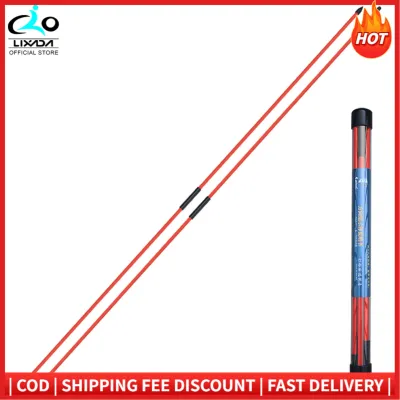
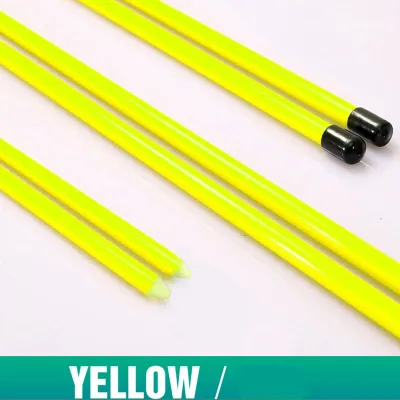
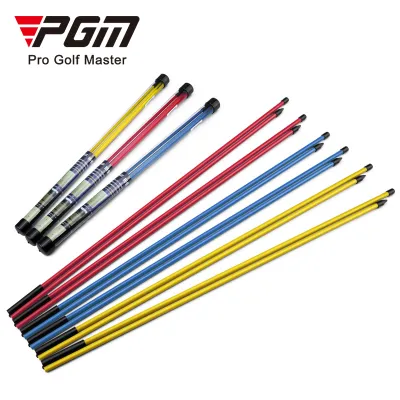
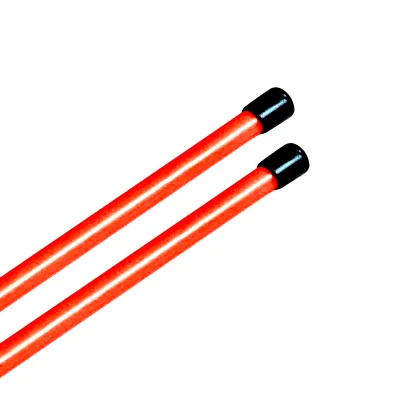
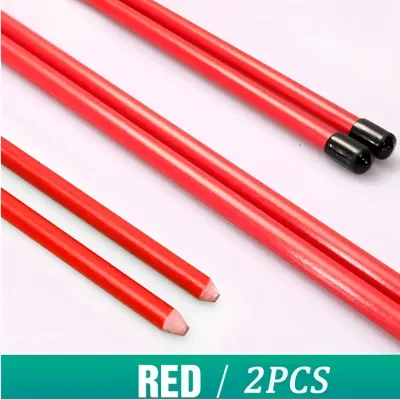
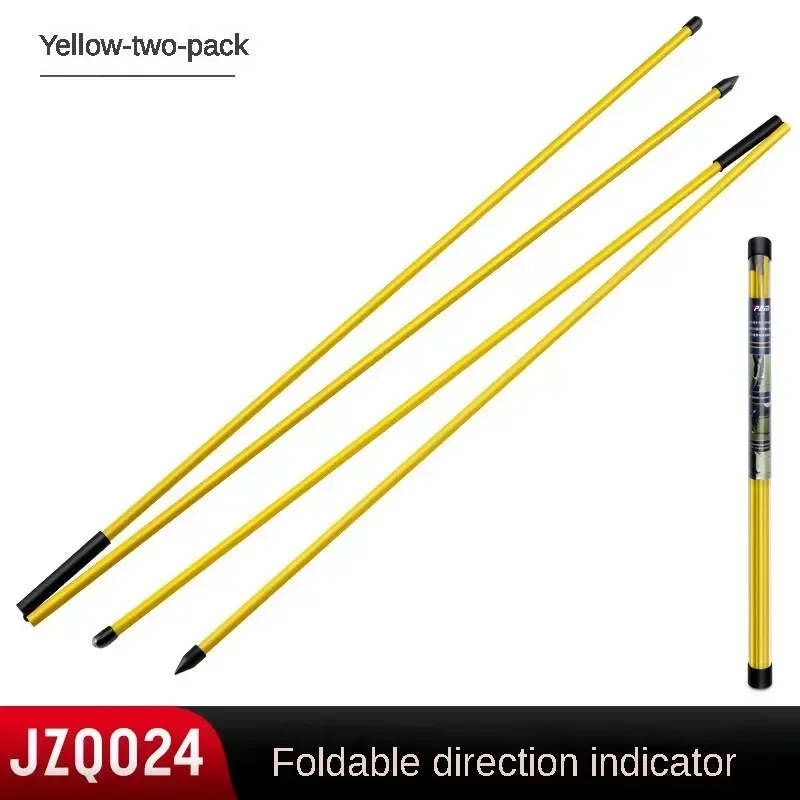
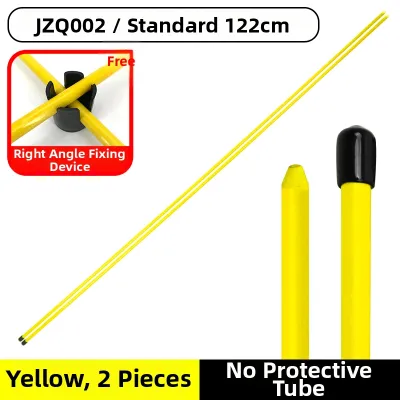
Prices are valid at publication and may change. Please refer to the product page for the latest price.
Beyond basic alignment, these tools provide immediate visual and physical feedback on your swing path and clubface angle. By placing a stick at a specific angle in the ground just behind or in front of the ball, you create a physical boundary that highlights an over-the-top swing or an incorrect takeaway. If your clubhead collides with or narrowly misses the stick, you receive instant, undeniable feedback about your swing plane without needing expensive launch monitors.
These versatile rods are equally valuable for short game practice, where precision is paramount. You can easily configure them into putting gates to monitor your stroke path, or lay them near the chipping green to mark landing zones and control ball flight. Because they are lightweight and highly adaptable, a single pair of sticks can transition seamlessly from full-swing driver practice to delicate greenside drills.
Key Features to Evaluate When Buying Alignment Sticks
Material durability is the first critical factor to consider, especially given the high humidity and intense tropical heat in the Philippines. Fiberglass is the most common material because it is lightweight, highly flexible, and relatively inexpensive, though low-quality fiberglass can splinter over time when exposed to UV rays. Wood offers a classic, heavy feel that resists wind well, but it is highly susceptible to warping or rotting if left in a damp golf bag during the rainy season. Plastic or composite alternatives provide excellent weather resistance and do not splinter, but they may lack the rigidity needed to stay perfectly straight when pushed into hard, dry ground.

Dimensions play a major role in how stable and visible the sticks are during practice. Standard alignment sticks typically measure between 40 and 48 inches in length, with a diameter of about 5/16 of an inch. Longer sticks are preferable for full-swing path drills because they provide a longer visual line, while shorter sticks are easier to pack and work perfectly for putting drills. The thickness of the rod determines its structural integrity; thicker rods are less likely to bend or whip in strong winds, which is a common challenge at open-air driving ranges.
Visibility is another essential feature that varies depending on your practice environment. High-contrast colors like neon yellow, bright orange, and vibrant pink stand out sharply against green grass, making them ideal for outdoor driving ranges. If you frequently practice in indoor simulator bays or on dark artificial turf mats, bright white or reflective silver sticks often provide better contrast against black hitting mats and projection screens. Choosing a color that contrasts sharply with your typical practice surface reduces eye strain and helps you align your clubface more quickly.
Portability and storage options determine how easily you can transport your alignment sticks without damaging your other golf gear. Look for sticks that come with a dedicated, hard-plastic carrying tube to prevent them from rubbing against your expensive graphite club shafts inside your bag. Some modern designs feature collapsible or folding mechanisms, using internal elastic cords similar to tent poles, which allow them to fold down to half their length for effortless storage in a side pocket. If you prefer non-folding sticks, ensure they have rubber end caps on both tips to protect your golf bag’s interior lining from punctures and scratches.
Matching Alignment Sticks to Your Skill Level and Practice Goals
Not every golfer requires a complex, multi-piece alignment kit with specialized connectors and ground keys. Your current skill level and the complexity of your practice routine should dictate the number of sticks you carry and the specific accessories you need to buy.
Beginners Focusing on Basic Setup
For golfers who are just starting out, a simple set of two standard alignment sticks is more than enough to establish a solid foundation. At this stage, your primary goal is to master consistent foot placement, ball position, and shoulder alignment relative to your target. A basic two-stick setup—one placed parallel to your target line and the other perpendicular to show ball position—provides all the visual guidance required for these fundamental checks.
Beginners should look for budget-friendly fiberglass sticks that offer decent durability without unnecessary, costly add-ons. Standard neon colors are perfect for local driving ranges, ensuring you can easily see your alignment lines even under bright midday sun or evening floodlights. There is no need to invest in complex hinge systems or heavy-duty carrying cases when a basic pair of rubber-capped rods will easily fulfill your practice needs.
Intermediate to Advanced Players Drilling Swing Paths
As your game progresses, your practice drills will likely require more than just simple ground lines to correct swing path errors. Intermediate and advanced players often benefit from three-stick configurations or bundles that include specialized connectors. These accessories allow you to join sticks at specific angles, creating physical gates for putting or angled guides to monitor your backswing and downswing planes.
When shopping for these advanced setups, look for packages that include ground spikes or heavy rubber bases that hold the sticks upright on hard driving range mats. Having contrasting color pairs—such as one yellow stick and one blue stick—can also be highly beneficial for advanced drills, allowing you to easily differentiate between your target line and your swing path plane during high-speed swings.
Coaches and High-Frequency Range Users
Golf instructors and players who practice daily require heavy-duty alignment tools that can withstand constant wear and tear. If you are teaching multiple students or hitting hundreds of balls a week, standard consumer-grade sticks may wear out quickly from being stepped on, thrown into bags, or struck by stray clubheads. Look for premium composite materials or reinforced fiberglass designed specifically for high-frequency professional use.
Coaches should consider bulk sets that come with a heavy-duty, reinforced carrying case to keep multiple pairs organized and protected during travel between different training facilities. It is also wise to check the manufacturer’s replacement policies or warranties, as high-frequency use inevitably leads to occasional breakage, and having access to individual replacement rods can save money in the long run.
Where to Buy and What to Expect in Pricing
When budgeting for golf alignment sticks in the Philippines, you will find options ranging from highly affordable generic rods to premium, branded training kits. Entry-level generic fiberglass sticks typically cost between ₱300 and ₱600 per pair, offering a cost-effective solution for casual golfers who only need basic alignment lines. Mid-range options, which often include protective carrying tubes and rubber end caps, generally range from ₱700 to ₱1,200, while premium branded kits featuring collapsible designs, specialized connectors, and heavy-duty materials can exceed ₱1,800.
These training aids are widely available across several retail channels, each offering distinct advantages depending on your shopping preferences. Specialized golf pro shops and official brand stores located in major commercial hubs offer the benefit of physical inspection, allowing you to check the rigidity, weight, and finish of the sticks before buying. General e-commerce platforms and online marketplaces provide a broader selection and the convenience of home delivery, which is particularly useful for sourcing specific colors or collapsible models that might not be stocked locally.
When purchasing online, it is crucial to perform a few quality checks to ensure you receive a durable and safe product. Verify the seller’s authenticity by reading customer reviews, paying close attention to feedback regarding material durability, splintering, and whether the sticks arrived bent. Because standard alignment sticks are long and relatively fragile, check the seller’s shipping and packaging descriptions to ensure they use rigid cardboard tubes or bubble wrap to protect the items during transit.
How to Set Up and Maintain Your Alignment Sticks
To get the most out of your alignment sticks, you must know how to set them up correctly for your specific practice goals. The most common configuration is the parallel line setup, often referred to as the “railroad tracks” drill. Place one stick on the ground just outside your ball, pointing directly at your target, and place the second stick parallel to the first, closer to your feet. This setup ensures your body lines are perfectly aligned with your target line, preventing the common mistake of aiming your body directly at the target rather than parallel to it. To check your ball position, place a third stick perpendicular to the target line, pointing directly at the ball to ensure it is positioned correctly relative to your stance.
Proper maintenance and safe handling are essential to maximize the lifespan of your alignment sticks and protect your other golf equipment. Avoid stepping on the sticks when they are lying on the ground, as this can cause micro-fractures in fiberglass rods, leading to eventual breakage or painful splinters. Never leave your alignment sticks loose in your golf bag where they can rub against graphite shafts; always store them in their protective carrying tube. Additionally, avoid exposing them to extreme heat for prolonged periods, such as leaving them in a hot car trunk under the Philippine sun, as intense heat can warp plastic and weaken the resins holding fiberglass together.
Regularly inspect your alignment sticks for signs of wear to ensure they remain safe and effective to use. Run a gloved hand along the length of fiberglass sticks to check for any rough spots, cracks, or lifting fibers that indicate splintering. If you notice severe bends that do not straighten out, or if the colors have faded so much that they are difficult to see against the grass, it is time to replace them. Using splintered or warped sticks not only compromises your practice accuracy but also poses a safety risk to your hands and your golf gear.
Frequently Asked Questions (FAQ)
Can I use regular driveway markers instead of dedicated golf alignment sticks?
While regular driveway markers or utility rods from a hardware store are often cheaper, they are generally not recommended for golf practice due to safety and durability concerns. Driveway markers are typically made of lower-grade fiberglass that splinters much more easily when exposed to sunlight and physical impact. If you accidentally strike a cheap utility rod with your golf club, it is highly likely to shatter or splinter, potentially damaging your expensive clubface or sending sharp fiberglass shards toward your eyes. Dedicated golf alignment sticks are manufactured with higher-quality resins, smoother finishes, and protective rubber end caps designed specifically to withstand accidental club impacts safely.
How many alignment sticks do I actually need for a full practice session?
For the vast majority of golfers, carrying two alignment sticks is the ideal setup for a productive practice session. Two sticks allow you to easily set up the classic parallel alignment track or create a perpendicular ball-position guide, which covers about ninety percent of standard driving range drills. If you are an advanced player working on complex swing plane adjustments or putting gates, adding a third stick can be highly beneficial. However, carrying more than three sticks is rarely necessary and only adds unnecessary weight and clutter to your golf bag.
Community discussion
Share your experience or ask a question. Comments are reviewed before publication.