
Introducing young players to golf in the Philippines requires a thoughtful approach to equipment selection. The tropical climate, characterized by high humidity and warm temperatures, means that physical fatigue sets in much faster for children than it does for adults. Consequently, providing your child with the correct equipment for golf for kids is not just about helping them hit the ball further; it is about protecting their developing bodies, preventing injury, and ensuring they have fun on the course.
When searching for the best junior golf sets, parents often make the mistake of choosing clubs based solely on age recommendations printed on the box. However, physical growth rates vary wildly among children. A successful introduction to the sport relies on matching clubs to a child’s height, strength, and swing speed, rather than their age. This guide explores how to evaluate junior golf equipment, select the right sizes, and prepare your child for the unique playing conditions found on local fairways.
How to Choose the Right Junior Golf Clubs
Selecting golf equipment for young players requires understanding that junior clubs are not merely shrunken versions of adult clubs. Manufacturers design dedicated junior gear with distinct engineering principles to accommodate a child’s lower physical strength and slower swing speed.
Products mentioned in this guide
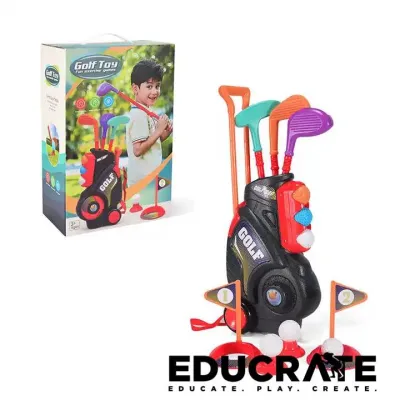
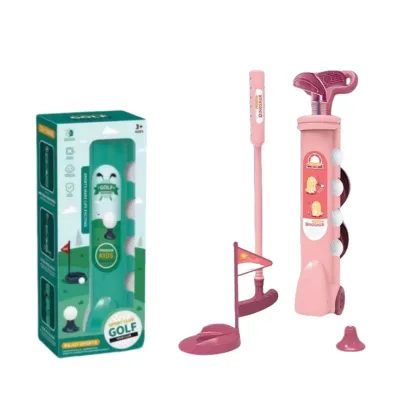
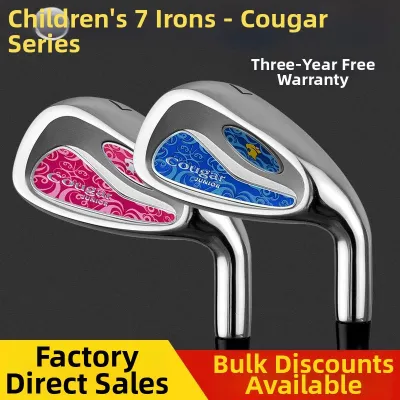
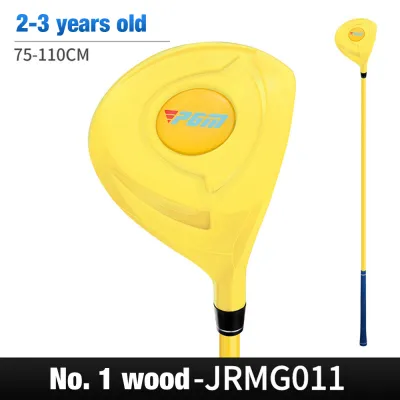
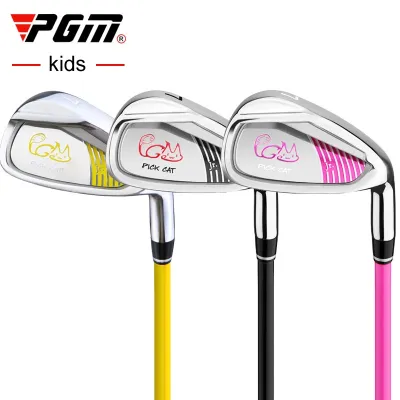
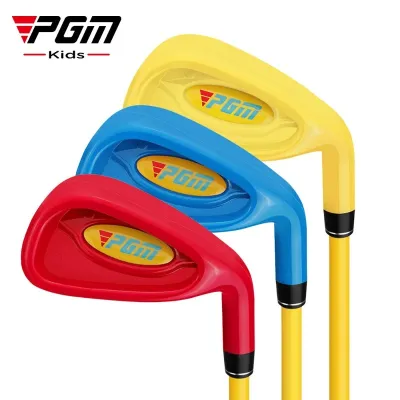
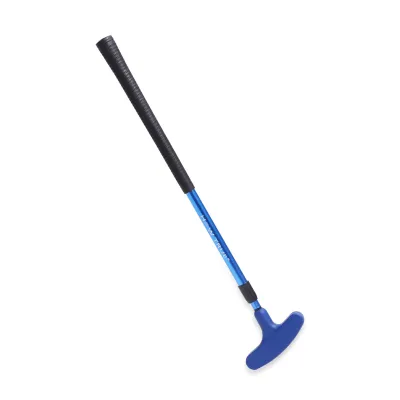
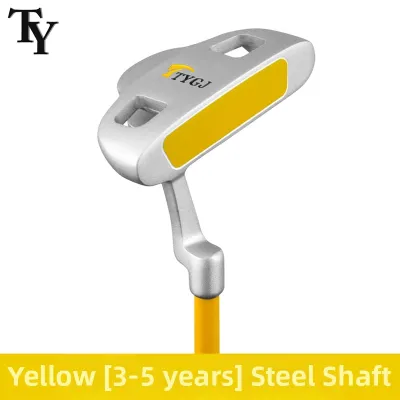
Prices are valid at publication and may change. Please refer to the product page for the latest price.
The most critical difference lies in the shaft flex. Adult shafts, even those made of flexible graphite, are far too stiff for a child’s swing. When a child swings a club that is too stiff, they cannot flex the shaft during the downswing, which prevents the club from loading and transferring energy to the ball. This results in low, weak ball flights and forces the child to scoop the ball to get it airborne, establishing a fundamental swing flaw that is difficult to correct later. Junior clubs utilize extremely flexible graphite shafts that bend easily, helping kids launch the ball high into the air with minimal effort.
Grip diameter is another essential factor that is frequently overlooked. Standard adult grips are too thick for small hands. If a child’s fingers cannot comfortably wrap around the grip, they will naturally squeeze the club too tightly. This excess tension travels up the forearms and shoulders, restricting the natural rotation of the body and leading to a rigid, mechanical swing. Junior sets feature thinner grips designed specifically for smaller hands, promoting a relaxed, fluid grip pressure.
Additionally, the overall clubhead weight must be significantly lighter. A heavy clubhead pulls a child off-balance during the swing, forcing them to compensate by bending their spine or changing their posture. Over time, this physical strain can lead to muscle fatigue, joint pain, and a rapid loss of interest in the game. By choosing lightweight clubheads with a lower center of gravity and larger sweet spots, you provide your child with maximum forgiveness, ensuring that even off-center hits travel a reasonable distance and keep the game enjoyable.
Recommended Golf Club Set Categories by Age and Skill Level
As children grow and develop better motor skills, their equipment needs shift from simple, play-oriented toys to more technical tools. Understanding the typical progression of junior golf sets helps parents make informed purchasing decisions at each developmental stage.

Toddler and Preschool Sets (Ages 3–5)
For children between the ages of three and five, the primary goal of playing golf is to develop basic hand-eye coordination and foster a positive association with the sport. At this stage, golf is purely a game of play rather than technical instruction. Sets designed for toddlers and preschoolers are ultra-lightweight and highly forgiving, minimizing frustration as they learn to make contact with the ball.
A typical set for this age group is minimal, usually consisting of just two or three clubs: a high-lofted driver or wood, a wide-soled wedge, and a mallet-style putter. These clubs feature oversized heads made from lightweight plastics, composites, or ultra-light graphite. The large clubheads provide a massive hitting surface, making it much easier for a toddler to establish consistent contact.
Before purchasing a toddler set from online marketplaces or local sporting goods stores, parents should perform a quick physical check. Verify that the grip is thin enough for the child’s hands to wrap around completely, and ensure the overall weight of the club is low enough that they can hold it straight out with one hand for a few seconds without their wrist collapsing. If the club feels heavy or unwieldy to them in the store, it will only cause frustration on the grass.
Young Junior Sets (Ages 6–9)
Between the ages of six and nine, children begin to develop more consistent athletic movements and can grasp basic swing mechanics. As their coordination improves, they transition to sets that resemble adult configurations but remain highly optimized for slow swing speeds.
In this category, manufacturers typically introduce fairway woods and hybrids to replace traditional long irons. Long irons require high swing speeds and precise contact to function correctly, making them highly frustrating for young players. Hybrids, with their wider soles and lower center of gravity, are much easier to hit from both the tee and the fairway, helping children get the ball airborne consistently. Shafts in this category remain highly flexible graphite, which assists in generating clubhead speed and high-launch angles.
When purchasing a set for this age group, look for packages that include a lightweight stand bag. The bag should feature comfortable, padded dual shoulder straps. Carrying a golf bag on one shoulder can lead to uneven weight distribution and back strain over an eighteen-hole or even a nine-hole round. A dual-strap system distributes the weight evenly across both shoulders, protecting the child’s developing spine as they walk the course.
Older Junior and Teen Sets (Ages 10–14)
Older juniors and young teenagers experience rapid physical growth and significant increases in strength. During this stage, players require more sophisticated equipment that offers a balance of forgiveness, distance control, and structural durability.
As swing speeds increase, highly flexible beginner shafts can cause the ball to balloon or curve excessively. Consequently, sets for older juniors transition to stiffer graphite shafts or lightweight steel shafts. The clubheads also evolve, moving toward cavity-back irons. Cavity-back designs maintain a high level of forgiveness by distributing weight around the perimeter of the clubhead, but they offer better feedback, allowing developing players to feel where they made contact on the face.
Parents must monitor when a standard boxed junior set is no longer sufficient. If your child has reached a height of 5 feet (152 cm) or is swinging with enough force to wear out standard junior shafts, it may be time to transition to custom-fitted adult clubs with shortened shafts. This transition ensures they are not held back by equipment that is too light or flexible. Additionally, check the durability of the clubheads and grips regularly; older juniors generate substantial clubhead speed, which can quickly wear down soft junior grips and cause structural wear on lightweight clubheads.
Quick Sizing Guide: Matching Height to Club Length
Selecting the correct club length is the single most important factor in junior golf fitting. While age brackets serve as a convenient starting point on retail packaging, physical height and body proportions must dictate your final purchase. Utilizing a systematic sizing approach ensures your child can maintain proper posture throughout their swing.
The general height-to-club-length ratio principle is straightforward: as a child grows, the length of their clubs must increase proportionally to maintain a consistent swing plane. However, arm length also plays a critical role. To get an accurate measurement, parents should follow a simple step-by-step process at home:
- Have your child put on the golf shoes or athletic sneakers they plan to wear on the course.
- Instruct them to stand upright against a flat wall with their feet shoulder-width apart and shoulders relaxed.
- Measure their total height from the bottom of their shoes to the top of their head.
- Measure their wrist-to-floor distance by letting both arms hang naturally at their sides, then measuring the distance from the crease of their wrist to the floor.
This wrist-to-floor measurement is highly valuable because two children of the same height may have different arm lengths. A child with longer arms will require slightly shorter clubs, while a child with shorter arms will need slightly longer clubs to avoid bending over excessively.
When observing your child practice, watch for physical warning signs that their clubs are improperly sized. If a child is choking up more than two inches on the grip, the club is too long, which increases the total swing weight and makes control difficult. Conversely, if you notice your child breaking down their posture by hunching over, bending excessively at the knees, or standing awkwardly far from the ball to make contact, the clubs are likely too short. Properly sized clubs allow the child to stand tall, bend slightly from the hips, and let their arms hang naturally under their shoulders.
Essential Gear and Tropical Weather Considerations
Equipping a young golfer in the Philippines involves more than just selecting the right clubs. The tropical climate introduces specific environmental challenges, including intense solar radiation, high humidity, and sudden heavy downpours, all of which require specialized gear to ensure safety and comfort.
A junior-sized golf glove is an essential accessory for any young player. In humid conditions, hands sweat quickly, causing the club to slip during the swing. A properly fitted glove made of breathable synthetic mesh or high-quality cabretta leather prevents blisters and allows the child to maintain a secure grip without over-tightening their hands.
When it comes to golf balls, avoid purchasing premium, multi-layered tour balls designed for adult players. These high-compression balls require high swing speeds to compress the core and achieve maximum distance. For kids, low-compression golf balls are highly recommended. These softer balls compress easily under slower swing speeds, resulting in more distance, a higher flight path, and a softer feel off the clubface, which boosts confidence.
Protecting your child from the tropical sun is paramount. Ensure they wear lightweight, moisture-wicking clothing with built-in UV protection. Replace standard baseball caps with wide-brimmed hats or bucket hats to shield the ears and the back of the neck from direct sunlight. Apply a high-SPF, broad-spectrum, water-resistant sunscreen to all exposed skin before heading to the first tee, and reapply it every two hours. Because sudden afternoon showers are common, always keep a lightweight, packable rain jacket in their golf bag.
Finally, prioritize hydration and proper footwear. Children dehydrate much faster than adults, especially when walking under the sun. Equip their bag with insulated water bottles filled with ice water and electrolyte-replacement drinks, encouraging them to drink at every hole. For footwear, choose lightweight, breathable golf shoes with soft, flexible outsoles. These shoes must provide excellent traction on wet, dewy morning grass—which is common during early morning tee times—while allowing heat to escape to keep their feet cool and dry throughout the round.
Frequently Asked Questions (FAQ)
Can I just cut down my old adult clubs for my child?
Cutting down adult clubs is highly discouraged because it severely alters the club’s performance characteristics. When you shorten an adult shaft, you remove the most flexible portion, making the club play exceptionally stiff. Additionally, the heavy adult clubhead remains, resulting in an unbalanced swing weight that is far too heavy for a child. Adult grips are also too thick for small hands, forcing children to grip the club improperly and develop bad habits that are difficult to break.
How many clubs does a beginner child actually need?
A beginner child does not need a full set of 14 clubs. In fact, carrying too many clubs leads to decision fatigue and unnecessary physical exhaustion. For a starting player, a minimal set of 3 to 5 clubs is entirely sufficient. This typically includes a high-lofted fairway wood or hybrid, a mid-iron (such as a 7-iron), a wedge for short shots, and a putter. This streamlined setup allows the child to focus on learning basic contact without getting confused by club selection.
Is it better to buy new or second-hand junior golf clubs?
Because children outgrow equipment quickly, purchasing second-hand junior clubs is an excellent, cost-effective option. However, parents must inspect used gear carefully before buying. Check the graphite shafts for any hairline cracks or deep scratches, which can lead to breakage during a swing. Inspect the grips; if they are slick, cracked, or worn out, they will need to be replaced, which adds to the overall cost. Finally, verify that the clubs have not been modified or cut down by a previous owner, as this ruins the club’s structural balance.
Community discussion
Share your experience or ask a question. Comments are reviewed before publication.