
Playing golf in the Philippines presents a unique set of environmental challenges. With tropical temperatures frequently soaring above 32°C and relative humidity levels often exceeding 75%, walking an 18-hole course can feel like a test of physical endurance. Under these conditions, protecting your skin from intense ultraviolet (UV) radiation is critical, yet standard face coverings often fail. A regular mask quickly becomes saturated with sweat, clings to your mouth, and restricts your breathing, ultimately distracting you from your game.
The best golf face mask for men in the Philippines must be specifically engineered for athletic performance in hot, humid climates. It should offer high UPF-rated sun protection, rapid moisture-wicking capabilities, and an ergonomic, structured fit that stays secure throughout your swing. Whether you prefer the full coverage of a cooling neck gaiter, the lightweight feel of an ear-loop mask, or the comprehensive protection of a balaclava, selecting the right style will keep you comfortable and focused from the first tee to the final putt.
What to Look for in a Golf Face Mask for Tropical Weather
To make an informed decision, it is essential to understand the technical specifications that separate high-performance sports masks from basic everyday coverings. Golfers spend four to five hours exposed to the elements, meaning a sub-par mask can lead to overheating, skin irritation, or sun damage.
Products mentioned in this guide
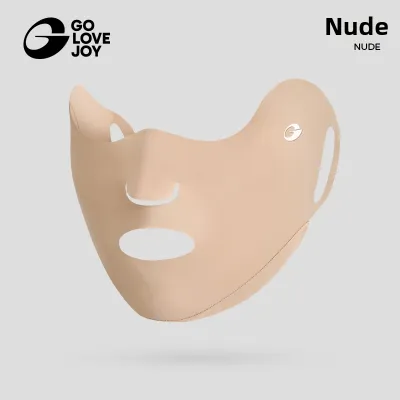
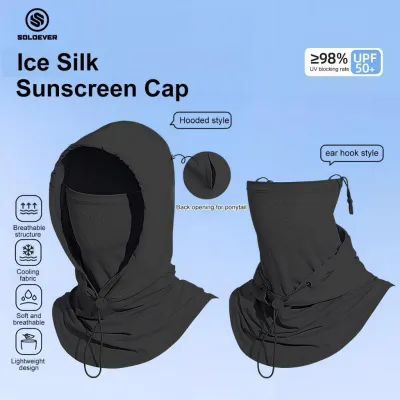
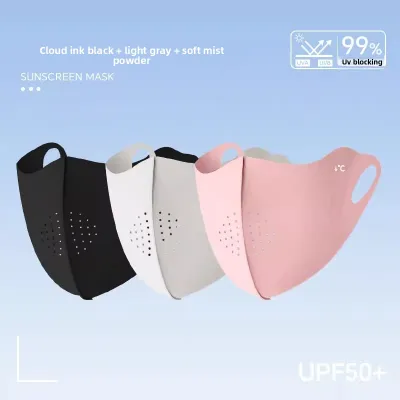
Prices are valid at publication and may change. Please refer to the product page for the latest price.
Moisture-Wicking and Quick-Dry Fabrics In the tropical heat of the Philippines, sweat management is your primary concern. When you are walking the fairways of courses like Wack Wack or Orchard, a mask made of non-performance fabric will trap moisture. Look for synthetic fabrics such as polyester, nylon, and elastane (spandex) blends. These materials are engineered with capillary fibers that pull moisture away from your skin to the outer surface of the fabric, where it can evaporate quickly. Avoid 100% cotton at all costs; cotton fibers absorb moisture and hold onto it, leaving you with a heavy, wet fabric plastered against your face.
Verifying UV Protection via UPF Ratings Do not rely on generic marketing claims like “sunproof” or “UV-blocking.” Instead, verify the protection level by checking the manufacturer’s label for a formal Ultraviolet Protection Factor (UPF) rating. A rating of UPF 50+ is the standard for outdoor sports, indicating that the fabric blocks approximately 98% of both UVA and UVB rays. This is particularly important on Philippine courses where concrete cart paths, sand traps, and water hazards reflect additional solar radiation onto your face. Ensure the UV protection is inherent to the fabric’s weave rather than a temporary chemical finish, which can wash out after a few laundry cycles.
Fit, Ergonomics, and Swing Compatibility A golf swing is a highly dynamic, rotational movement. Your face mask must remain securely in place without requiring constant manual adjustments, which can break your concentration and transfer dirt or oils from your hands to your face. Look for designs that feature anatomical shaping. The mask should fit snugly across the bridge of your nose and under your chin without restricting your jaw movement or pulling uncomfortably on your ears. It must also have a low-profile design that does not rub against your polo collar or bunch up when you look down to address the golf ball.
Structured and 3D Designs for Airflow When you are walking up a steep fairway or carrying your bag, your breathing rate naturally increases. If your mask has a flat, unstructured design, the fabric will get sucked into your mouth and nostrils every time you inhale. To prevent this, look for structured or 3D-molded masks. These designs incorporate a central seam, a semi-rigid internal frame, or pre-shaped fabric panels that lift the material away from your lips. This creates a small air chamber that facilitates unrestricted breathing and keeps the wet fabric from contacting your skin.
Recommended Golf Face Mask Styles for Men
Because individual preferences, skin sensitivity, and course conditions vary, there is no single mask style that suits every golfer. Understanding the distinct designs available in the Philippine market allows you to choose the option that best matches your playing style and comfort requirements. Quality options typically range from ₱300 to ₱1,500 depending on the brand and technical features.

Cooling Neck Gaiters and Half-Masks
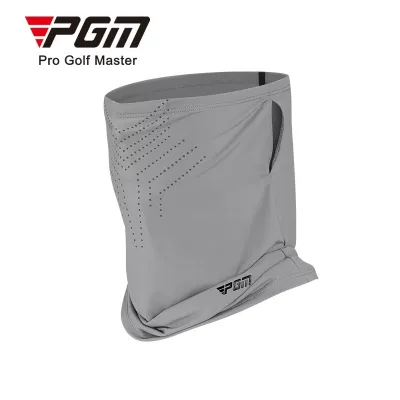
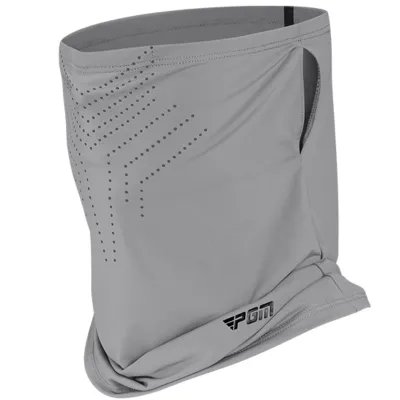
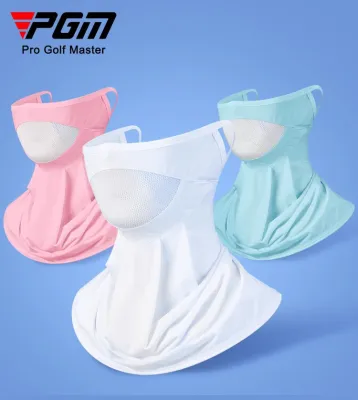
Cooling neck gaiters, often referred to as neck sleeves or buffs, are highly popular among golfers in the Philippines. These versatile, tube-like fabric sleeves are pulled over the head and can be worn around the neck or pulled up to cover the nose, mouth, and ears.
The primary advantage of a neck gaiter is its comprehensive coverage. It protects not only your face but also your entire neck and throat—areas that are highly vulnerable to sun exposure when you are looking down to read putts or tee up your ball. Furthermore, they are incredibly easy to adjust; you can quickly pull the gaiter down to your neck when resting in the golf cart or entering the clubhouse, and pull it back up before hitting your next shot.
However, neck gaiters can sometimes slip down during the high-velocity rotation of a golf swing. To prevent this, look for gaiters specifically designed for sports. These often feature integrated ear loops or silicone grip strips along the top hem to anchor the fabric to your ears and nose. Additionally, ensure the gaiter is made from lightweight “ice-silk” or cooling yarns. Thicker, multi-purpose outdoor tubes can trap too much heat around your neck, leading to discomfort during hot afternoon rounds.
Performance Ear-Loop Masks
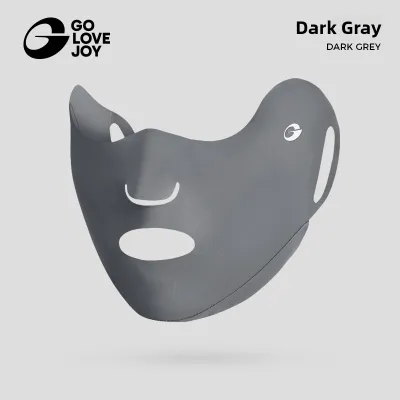
For players who prefer a traditional fit, performance ear-loop masks offer a familiar shape engineered with advanced athletic materials. These masks cover only the nose and mouth, securing around the ears with elastic straps or fabric loops.
These masks are ideal for golfers who find neck gaiters too warm or restrictive around the throat. They use the absolute minimum amount of fabric necessary to cover your airways, maximizing overall ventilation and keeping your neck completely free. This style integrates seamlessly with any standard golf polo, visors, and caps, as there is no excess material to bunch up at the neckline.
The key to a successful 18-hole round with an ear-loop mask is the adjustment system. Because you will be wearing the mask for four hours or more, standard elastic bands can cause painful chafing behind the ears. Look for models with adjustable ear loops featuring soft silicone sliders, or masks made from soft, laser-cut fabrics that distribute pressure evenly. Additionally, look for designs that incorporate specialized mesh breathing zones or physical exhalation valves. These features allow hot, exhaled air to escape quickly, keeping the interior of the mask cool and dry, though you should always verify that your local club’s tournament rules permit masks with valves.
Balaclavas and Full-Face Hoods
For golfers who require the absolute maximum level of sun protection, balaclavas and full-face hoods offer near-total physical coverage. These garments cover the entire head, neck, and throat, leaving only a narrow opening for your eyes and sunglasses.
This style is highly recommended for players with extremely sensitive skin, those recovering from dermatological treatments, or golfers participating in multi-day tournaments where cumulative sun exposure is a major concern. They are also highly practical for very early morning tee times when the air is cool and damp, as they provide a comfortable barrier that transitions smoothly into full sun protection as the day warms up.
When selecting a golf balaclava, compatibility with your existing headwear is paramount. The hood must be thin and smooth enough to fit comfortably under your standard golf cap, visor, or wide-brimmed bucket hat without shifting or causing tight spots. Look for models constructed from ultra-thin, high-stretch fabrics that offer a second-skin fit. Crucially, the balaclava must feature laser-cut breathing holes or a highly porous mesh panel over the mouth and nose. Without adequate ventilation in this area, your hot breath will be forced upward, causing your sunglasses to fog up instantly and obstructing your view of the fairway.
Comparing Golf Face Mask Styles for the Course
To help you decide which style best fits your playing habits, the following matrix compares the three primary types of golf face coverings across key performance dimensions.
| Mask Style | Sun & Neck Coverage | Breathability in High Humidity | Hat & Visor Compatibility | Best Use Case |
|---|---|---|---|---|
| Cooling Neck Gaiter | High (Covers face, ears, and full neck) | Moderate (Can retain heat around the neck) | Excellent (Sits easily under any hat) | All-day sun protection, casual weekend rounds, and windy days |
| Performance Ear-Loop Mask | Moderate (Covers nose and mouth only) | High (Minimal fabric coverage) | Excellent (No interference with headwear) | Hot, humid mid-day rounds where neck heat is a concern |
| Balaclava / Full Hood | Maximum (Covers entire head and neck) | Moderate to Low (Requires high-quality mesh vents) | Good (Must be thin to fit under caps) | Intense sun exposure, multi-day tournaments, or sensitive skin |
When choosing between these styles, consider your personal tolerance for heat versus your need for sun protection. If you easily overheat, a performance ear-loop mask combined with a high-quality sunscreen on your neck may be the most comfortable option. If you want to eliminate the hassle of reapplying sunscreen every nine holes, a cooling neck gaiter or a ventilated balaclava is the superior choice.
How to Wear and Maintain Your Mask in Humid Conditions
Investing in a high-quality golf face mask is only the first step; proper wear and maintenance are essential to ensure the mask performs as intended throughout its lifespan. This is especially true in the tropical climate of the Philippines, where high humidity and heavy sweating can accelerate wear and cause hygiene issues.
Preventing Sunglasses from Fogging One of the most common complaints among golfers wearing face masks is fogged-up eyewear. When humid air from your breath escapes through the top of the mask, it condenses on the cooler lenses of your sunglasses, blinding you mid-swing. To prevent this, ensure your mask has an adjustable nose bridge strip (usually a thin, moldable metal or plastic wire). Mold this strip tightly against the contours of your nose and cheeks. Additionally, position the top edge of the mask slightly higher up on your nose, and place the nose pads of your sunglasses directly on top of the fabric. This creates a physical seal that forces your breath to exit through the front or sides of the mask rather than upward toward your eyes.
Washing and Fabric Care Instructions A single round of golf in the Philippines will leave your mask saturated with sweat, facial oils, sunscreen residue, and dust from the fairways. To maintain hygiene and prevent skin breakouts, you must wash your mask after every use. Always refer to the manufacturer’s care label first. As a general rule for performance athletic fabrics:
- Hand wash the mask in cool or lukewarm water using a mild liquid detergent.
- Do not use fabric softeners. Fabric softeners leave a microscopic waxy coating on the fibers that clogs the technical pores, permanently destroying the fabric's ability to wick moisture and breathe.
- Do not use bleach, as harsh chlorine will break down the synthetic elastane fibers, causing the mask to lose its shape, elasticity, and built-in UV protection.
Drying and Storage After washing, do not wring out the mask aggressively, as this can damage the structural seams and stretch out the ear loops. Instead, gently press the mask between a clean towel to remove excess water. Reshape the fabric and hang it to dry in a well-ventilated, shaded area. Avoid hanging performance masks in direct, intense sunlight to dry, as prolonged exposure to UV rays while wet can degrade the elastic components over time. Ensure the mask is completely dry before storing it in your golf bag to prevent the growth of mildew and musty odors.
Frequently Asked Questions (FAQ)
Do golf face masks affect my swing or breathing?
A properly fitted, athletic-grade golf face mask will not restrict your physical movement or your swing. Because golf requires a full shoulder turn and head rotation, it is vital to choose a mask made from highly elastic fabrics (such as four-way stretch spandex or nylon blends) that move with your body. If a mask is too tight, it may pull on your ears or restrict your neck movement, which can be highly distracting when addressing the ball. While any physical barrier over your face introduces a minor amount of breathing resistance, high-quality sports masks mitigate this by using structured 3D designs that keep the fabric away from your mouth, alongside specialized mesh breathing zones that allow for high airflow during walking and physical exertion.
Can I wear a standard medical mask for golf?
While standard disposable medical masks are highly effective in clinical settings, they are poorly suited for the physical demands of playing golf in a tropical climate. Medical masks are typically constructed from paper-like, non-woven materials designed to trap moisture. Once you begin to sweat, these materials absorb the moisture and rapidly lose their structural integrity, collapsing against your mouth and nose and severely restricting your breathing. Furthermore, standard medical masks do not offer verified UPF ratings, meaning harmful UV rays can still penetrate the thin material and cause sunburn. For long-term comfort, breathability, and reliable sun protection on the course, it is highly recommended to invest in a reusable, sports-specific mask designed to handle moisture and repeated washing.
Community discussion
Share your experience or ask a question. Comments are reviewed before publication.