
Playing golf in the Philippines presents a unique set of environmental challenges that directly affect your gear, grip, and overall performance. With high humidity levels often exceeding 80 percent and sudden tropical downpours during the wet season, keeping your hands dry and your club faces clean is not just a matter of neatness—it is essential for maintaining control over your shots. The ideal sports towel for men playing on local courses must balance high water absorption with rapid drying capabilities to prevent mildew, while offering a secure attachment system that withstands constant movement on a golf cart or walking bag.
Quick Guide: Choosing a Golf Towel for Philippine Courses
Navigating a round of golf at courses across the Philippines requires preparation for intense heat, heavy perspiration, and unpredictable weather. When humidity levels soar, sweat can quickly compromise your grip, leading to slipped shots and inconsistent clubface delivery. Furthermore, tropical fairways can transition from dry and dusty to muddy within minutes during a sudden afternoon shower, making clean club grooves critical for generating the necessary spin and control.
A dedicated golf towel serves three primary functions on the course: keeping club grooves free of debris, drying hands and grips before crucial shots, and managing facial sweat. To perform these tasks effectively in a tropical climate, you must evaluate several core dimensions before making a purchase.
Products mentioned in this guide
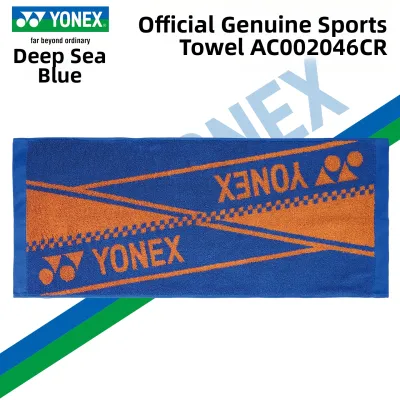
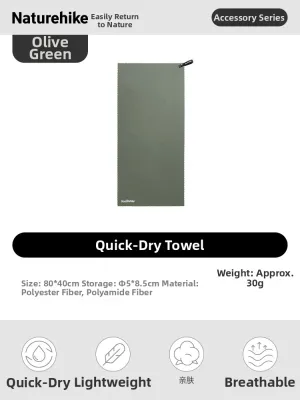
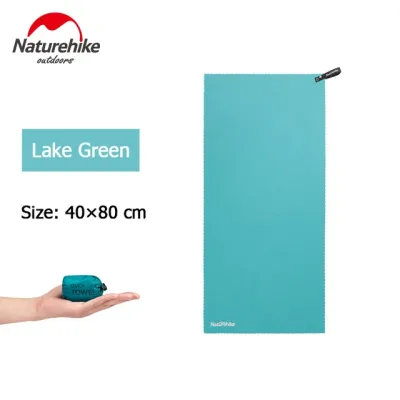
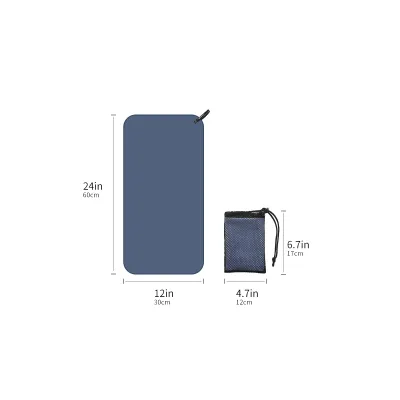
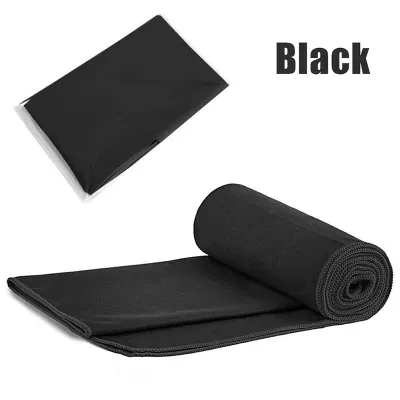
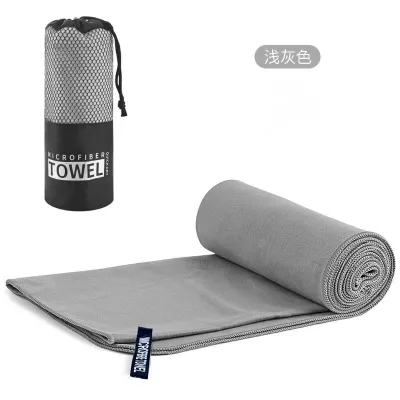
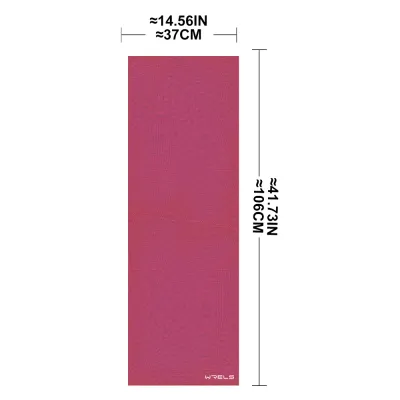
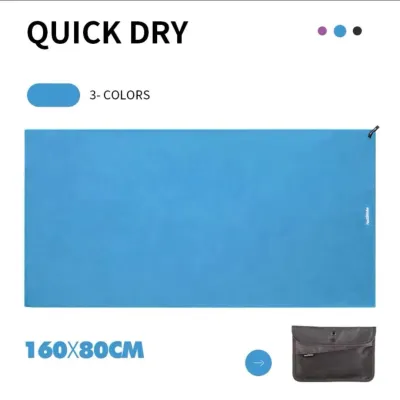
Prices are valid at publication and may change. Please refer to the product page for the latest price.
Look for materials that offer high absorbency but also dry quickly under humid conditions to avoid carrying a heavy, waterlogged cloth. Additionally, the attachment mechanism must be secure enough to prevent the towel from falling off your bag on bumpy cart paths, while the size should provide ample surface area without dragging on wet grass.
Essential Features to Evaluate Before Buying
Selecting the right sports towel for men requires looking beyond basic aesthetics to examine the structural and functional design elements that ensure long-term durability on the course.

Attachment Mechanisms The method you use to secure your towel to your golf bag dictates how easily you can access it during a round. Carabiners and metal clips are highly popular because they provide a secure, mechanical lock to any D-ring or strap on your bag, ensuring the towel remains attached even when driving over rough terrain. If you choose a carabiner, inspect the gate tension and metal quality to ensure it will not rust after exposure to rain. Magnetic clips offer the ultimate convenience, allowing you to detach the towel with a quick tug to clean a ball on the green and snap it back onto a club head or cart frame. However, you must verify that the magnet is strong enough to hold the weight of a damp towel and that your bag features a compatible steel element if you plan to mount it directly to the bag. Grommets with simple cord loops are lightweight and budget-friendly, but they can suffer from fabric tearing around the metal ring if pulled too forcefully.
Size and Portability Golf towels generally come in two primary configurations: tri-fold and flat rectangular designs. Tri-fold towels are folded into three vertical sections and secured at the top, creating a compact, narrow profile that hangs neatly along the side of your bag. This design is excellent for space management, but it limits the immediate usable surface area unless you unfold it. Flat rectangular towels, often measuring around 16 by 24 inches or larger, provide a much larger surface area, allowing you to dedicate different zones of the towel for dirty clubs and clean hands. When choosing a flat towel, measure the distance from your bag’s attachment ring to the ground; a towel that is too long will drag in the mud and collect moisture from the wet grass, defeating its purpose.
Texture and Scrubbing Capability Removing stubborn clay, sand, and grass clippings from your iron and wedge grooves requires more than a smooth fabric surface. Many premium golf towels feature dual-textured designs, combining a soft side for wiping hands or delicate club crowns with a rougher, textured side for heavy-duty scrubbing. Some advanced models even incorporate built-in brush patches or specialized scouring pads directly onto the fabric. Clean grooves are vital because any debris trapped between the ball and the clubface reduces friction, resulting in unpredictable launch angles and a significant loss of backspin.
Edge Stitching and Durability A golf towel undergoes significant physical stress from repeated scrubbing, pulling, and machine washing. To ensure your investment lasts multiple seasons, closely examine the edge construction. Look for double-stitched, overlocked, or hemmed borders that prevent the fabric from fraying along the perimeter. Cheaper towels with simple heat-sealed or single-stitched edges often unravel after just a few washes, especially when exposed to the heavy agitation of standard washing machines.
Best Towel Materials for Tropical and Humid Weather
The material composition of your golf towel directly determines how it handles moisture, dirt, and the inevitable buildup of bacteria in warm climates. In the Philippines, where high humidity slows down natural evaporation, selecting a material that dries rapidly is crucial to prevent sour odors and mildew growth.
| Material Type | Absorbency | Drying Speed | Texture | Best Use Case |
|---|---|---|---|---|
| Microfiber | Exceptionally High | Fast | Soft / Smooth | Drying hands, cleaning delicate club finishes, lightweight carry |
| Waffle Weave | High | Very Fast | Deep Grid Pattern | Scrubbing mud from grooves, all-weather play, quick-dry needs |
| Cotton / Blends | High | Slow | Plush / Heavy | Premium feel, traditional style, dry-weather rounds |
Microfiber Towels
Microfiber is a synthetic material composed of incredibly fine polyester and polyamide fibers that create a massive surface area relative to its weight. This structure allows microfiber towels to absorb up to several times their weight in water without feeling overly soggy or dripping onto your gear. Because the fibers are synthetic, they release moisture much faster than natural fibers, allowing the towel to air-dry quickly between holes even in humid conditions.
The soft, non-abrasive nature of microfiber makes it highly versatile for delicate tasks. It is the ideal material for wiping down expensive graphite shafts, cleaning the screens of GPS rangefinders, and drying sweaty hands or leather glove palms without causing abrasion. The primary limitation of standard, smooth microfiber is its lack of mechanical scrubbing power; without a textured weave, it may slide over dried mud rather than lifting it out of deep groove lines.
Waffle Weave Towels
Waffle weave is a specific manufacturing technique applied to microfiber that creates a distinct, raised grid pattern resembling a waffle. This structural design dramatically enhances the towel’s utility on the golf course by turning the fabric itself into a series of gentle scrubbers. As you wipe your clubs, the recessed pockets trap dirt, sand, and grass, pulling them away from the clubface while the raised ridges scrub the surface clean.
Beyond its superior cleaning power, the waffle design increases the overall surface area exposed to the air, which further accelerates drying times. The gaps in the grid pattern allow for excellent airflow, making these towels highly resistant to trapping stagnant moisture and developing mildew. While a waffle weave towel may feel slightly less plush against your skin compared to a standard towel, its unmatched ability to clean club grooves makes it a favorite among competitive golfers.
Cotton and Blended Towels
Cotton remains a classic choice for golfers who prefer a traditional, heavy, and plush feel on the course. High-quality cotton towels offer excellent initial absorbency, quickly soaking up sweat and water while providing a soft, comforting texture for wiping your face and hands. Many golfers enjoy the substantial weight of a damp cotton towel, which can be draped over a club head or cart bar for easy access.
However, pure cotton has significant drawbacks when used in tropical and humid environments. Because cotton fibers hold onto moisture deep within their structure, they dry very slowly, meaning a cotton towel used during a rainy morning round in Manila will likely remain damp, heavy, and musty by the afternoon. This retained moisture creates an ideal breeding ground for bacteria and mold. If you prefer the feel of cotton, look for cotton-polyester blends (such as an 80/20 mix) which retain much of the softness of cotton while benefiting from the faster drying properties of synthetic polyester.
How to Verify Towel Quality When Shopping Online
Purchasing golf gear from online marketplaces requires a discerning eye, as you cannot physically touch the fabric or test the strength of the attachments before buying. By systematically analyzing the product specifications and customer feedback, you can make an informed decision and avoid low-quality products.
Generally, high-quality golf towels in the Philippines fall into broad price bands, ranging from budget-friendly options around ₱300 to premium, multi-textured magnetic towels that can cost upwards of ₱1,500. Understanding these price points helps you gauge whether a listing offers genuine value or is simply an overpriced basic cloth.
Understanding GSM (Grams per Square Meter) GSM is the standard metric used to measure the density and weight of a fabric, serving as a reliable indicator of a towel’s thickness and absorbency. For a golf towel, a GSM rating between 300 and 400 represents a highly versatile middle ground, offering sufficient thickness to absorb moisture without becoming excessively heavy when wet. Towels with a GSM below 200 are typically thin, cheap, and will quickly saturate on a humid day, while those exceeding 500 GSM are very plush but will take far too long to dry in tropical climates. If an online listing fails to mention the GSM, look for terms like “heavy-duty” or “dense weave,” but prioritize sellers who transparently provide exact specifications.
Analyzing Product Images and Labels Do not rely solely on stylized marketing photos; instead, utilize the zoom feature on online product listings to scrutinize the construction details. Examine the stitching along the borders to ensure there are no loose threads, uneven hems, or frayed edges visible. Pay close attention to the attachment hardware, looking for robust metal carabiners with clean hinges rather than thin, flimsy plastic clips that are prone to snapping. If the towel features a grommet, check that the metal ring is tightly compressed and surrounded by reinforced stitching to prevent it from tearing away from the fabric under tension.
Reading User Reviews Effectively Customer reviews provide invaluable real-world insights into how a towel performs over time, especially in challenging climates. When browsing reviews on ecommerce platforms, use search or filter functions to look for specific keywords such as “humidity,” “smell,” “clip,” “dries fast,” or “frayed.” Pay attention to feedback from buyers who play in tropical regions, as they can verify whether the towel remains odor-free after multiple damp rounds or if the attachment hardware rusts quickly when exposed to rain. Be skeptical of universally perfect ratings and focus on detailed, multi-sentence reviews that highlight both pros and cons.
Verifying Dimensions Always check the exact physical dimensions listed in the product specifications rather than estimating size based on photos, which can often be digitally manipulated or misleading. A standard, functional golf towel should measure at least 15 by 15 inches for a compact bag, while a full-sized cart towel typically ranges from 16 by 24 inches to 20 by 40 inches. Ensure the unfolded length matches your carrying style; if you walk the course with a stand bag, a towel that is too long will drag in the dirt whenever you set the bag down on the fairway.
Care and Maintenance to Prevent Mildew and Odors
Proper maintenance is essential to preserve the absorbency, texture, and hygiene of your golf towel, particularly when playing in the warm, humid climate of the Philippines. Neglecting proper care can quickly turn a premium towel into a source of unpleasant odors and mold.
Washing Instructions Always consult the manufacturer’s care label on your specific towel before washing. As a general rule for microfiber and waffle weave materials, wash them in warm water using a mild, liquid detergent. You must strictly avoid using fabric softeners or liquid silicone-based softeners, as these agents coat the synthetic microscopic fibers in a thin, water-resistant layer, permanently destroying the towel’s ability to absorb moisture. Additionally, avoid using chlorine bleach, which can degrade the synthetic fibers and weaken the structural integrity of the stitching over time.
Proper Drying Techniques Immediately after finishing a round, remove the towel from your golf bag and wash it or hang it up to dry. In highly humid environments, air-drying should be done in a well-ventilated area out of direct, intense sunlight to prevent the fabric from becoming stiff. If you use a clothes dryer, select a low-heat or tumble-dry setting, as excessive heat can melt or warp the delicate synthetic fibers of microfiber and waffle weave towels, reducing their softness and cleaning efficiency.
Storage on the Bag Never leave a damp, dirty golf towel bunched up at the bottom of your golf bag, inside a zippered pocket, or in the humid trunk of your car after a round. This enclosed, warm environment is a perfect breeding ground for mold, mildew, and odor-causing bacteria. If you cannot wash the towel immediately, keep it loosely clipped to the outside of your bag in an open, airy room until you can clean it properly.
When to Replace Even with meticulous care, every sports towel for men eventually reaches the end of its functional lifespan. You should replace your golf towel if you notice persistent musty odors that remain even after a thorough washing, as this indicates deeply embedded mold spores. Other clear signs that it is time for an upgrade include heavily frayed borders that threaten to unravel, a broken or rusted attachment clip that can no longer be securely fastened, or a noticeable loss of absorbency where the fabric simply pushes water around rather than soaking it up.
Frequently Asked Questions (FAQ)
Can I use a regular sports or gym towel for golf?
While you can technically use a standard gym towel, it lacks several specialized features designed specifically for the golf course. Regular sports towels rarely come equipped with secure attachment mechanisms like carabiners or heavy-duty clips, meaning you must drape them over your bag where they can easily slip off, get lost, or drag on the wet grass. Furthermore, standard gym towels are usually made of smooth cotton or microfiber, which lacks the textured scrubbing surfaces or waffle patterns needed to effectively dig mud and sand out of deep club grooves.
Do I need a separate towel for clubs and hands?
Using a single towel is acceptable, but employing two separate towels—or a single dual-zone towel—greatly improves hygiene and performance. A dedicated club towel is kept damp and used exclusively to scrub away soil, grass, and sand from your clubfaces and golf balls. A separate, dry hand towel is reserved solely for drying your hands, wiping sweat from your face, and keeping your rubber grips dry. This division prevents you from accidentally transferring abrasive mud or grass stains onto your hands, face, or clean club grips during a round.
Are magnetic golf towels better than clip-on ones?
Magnetic golf towels offer superior convenience because you can easily detach them with one hand to clean your ball on the green and quickly snap them back onto your cart or club head. However, they are only effective if your golf bag or cart has a steel frame or metal plate; they will not stick to bags made entirely of plastic, carbon fiber, or aluminum unless you purchase an additional metal landing pad. Clip-on or carabiner towels are universally compatible with any bag design and will never fall off unexpectedly on bumpy cart paths, but they require two hands to detach and reattach, making them slightly slower to use during play.
Community discussion
Share your experience or ask a question. Comments are reviewed before publication.