
To maximize the utility of a home cable machine, selecting the right gym cable attachments is just as important as the machine itself. The most versatile attachments for a home setup are those that offer high versatility, allowing you to transition smoothly between upper-body pulls, lower-body isolations, and core exercises without requiring massive storage space. By focusing on foundational pieces like a durable tricep rope, an adjustable ankle strap, and a versatile lat pulldown bar, you can replicate almost any commercial gym movement in the comfort of your own home.
Choosing these accessories requires looking beyond basic aesthetics. In a home environment—especially one subject to tropical humidity and sweat—the materials, grip textures, and connection mechanisms dictate both the safety of your workouts and the lifespan of your gear. Investing in high-quality, compatible attachments ensures that your home workouts remain smooth, effective, and reliable over years of consistent training.
How to Choose the Right Cable Attachments for Your Setup
Before purchasing any cable accessory, you must verify its compatibility with your existing home gym machine. Most home cable systems utilize a standard carabiner connection, but the thickness of the cable end-loop and the diameter of the attachment’s connection hole can vary. Measure the opening on your machine’s cable terminal to ensure it can accommodate the carabiner size required by the attachment. A mismatch here can lead to loose connections or, worse, an attachment that cannot be secured at all, rendering it useless for your workouts.
Products mentioned in this guide
Prices are valid at publication and may change. Please refer to the product page for the latest price.
Material selection directly impacts your grip security and how well the equipment withstands wear. Chrome-plated steel is highly durable and classic, but it can become slippery when your hands sweat during intense sessions in a warm room. Knurled steel provides an excellent, slip-resistant grip by etching crosshatch patterns into the metal, though it requires regular maintenance to prevent rust in humid climates. For a more comfortable, low-maintenance option, polyurethane or textured rubber coatings offer a secure hold and protect your floors if dropped, while heavy-duty nylon webbing provides flexibility for soft-grip attachments.
Weight capacity and structural integrity are critical safety factors that you must verify through manufacturer specifications. Every attachment has a maximum load limit, which should comfortably exceed the maximum resistance you plan to lift. Pay close attention to the welds on steel attachments, particularly where the connection ring meets the main body of the bar. Seamless, clean welds indicate a lower risk of structural failure under heavy loads, whereas rough or uneven welds can be a warning sign of weak points that might fail during a heavy pull.
Essential Cable Attachments Every Home Gym Needs
Building an effective home gym does not require buying every accessory on the market. Instead, focusing on a few highly versatile, foundational attachments allows you to perform a complete range of push, pull, and isolation movements. These core tools target different muscle groups efficiently while keeping your workout space organized and clutter-free.

Tricep Pushdown Ropes
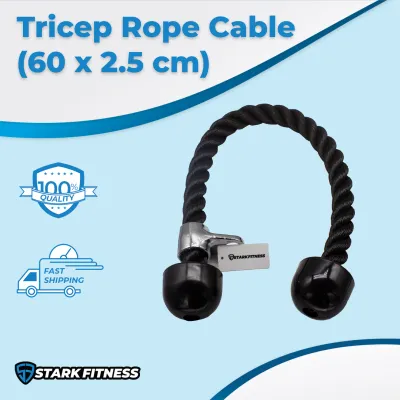
A heavy-duty tricep rope is arguably the most versatile pulling accessory you can own. Beyond standard tricep extensions, a rope allows for a natural range of motion during face pulls, overhead extensions, and cable pull-throughs. Because the flexible nylon fibers allow your wrists to rotate freely, you can achieve a deep contraction at the end of each movement compared to rigid metal bars.
When selecting a rope, look for options made from thick, braided nylon, typically around 2.5 to 3 centimeters in diameter, to ensure a comfortable grip that does not strain your hands. The end-caps, usually made of heavy rubber or polyurethane, must be securely bolted to prevent your hands from slipping off during heavy lifts. Check that the central metal attachment point rotates smoothly, which reduces friction on the rope fibers and prevents premature fraying over time.
Straight and EZ Curl Bars
Straight and EZ curl bars are essential for targeting the arms and shoulders through curls, upright rows, and pushdowns. The primary difference between the two lies in wrist ergonomics. A straight bar forces your wrists into a fully supinated or pronated position, which maximizes muscle activation but can place significant strain on the joints if you have limited mobility.
An EZ curl bar features angled bends that allow for a semi-supinated, neutral grip. This angled position reduces stress on the wrists and elbows, making it a safer and more comfortable choice for high-volume bicep curls and tricep extensions. When choosing either bar, look for revolving sleeves or a rotating center swivel; this feature allows the bar to spin independently of the cable connection, ensuring a smooth path of motion without twisting your wrists.
Wide Lat Pulldown Bars
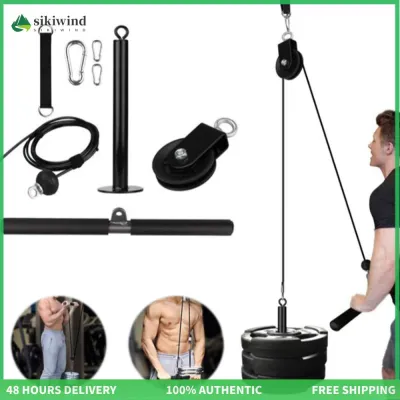
To build back width and strength, a wide lat pulldown bar is indispensable. These bars typically range from 30 to 48 inches in length, allowing you to grip well outside shoulder width to isolate the latissimus dorsi. Using a wide grip reduces the involvement of the biceps, forcing your back muscles to do the majority of the work during pulldowns and seated rows.
When selecting a lat bar, match the length to your physical frame and the clearance of your home gym machine. A bar that is too wide may hit the sides of your power rack or cable tower, limiting your range of motion. Look for bars with angled ends, which align better with the natural angle of your shoulders at the bottom of a pulldown, and verify that the grip areas feature knurling or textured rubber to prevent your hands from sliding outward.
Ankle Straps and Cuffs
Ankle straps open up a wide variety of lower-body isolation exercises that are otherwise difficult to perform on a cable machine. Movements like cable kickbacks, hip abductions, and standing hamstring curls are highly effective for targeting the glutes, hips, and legs. Because these exercises rely on a secure connection to your lower leg, the design of the strap is paramount for both comfort and safety.
Look for ankle cuffs featuring thick neoprene padding, which cushions your shins and ankles against the pulling force of the cable. The fastening system should combine a heavy-duty hook-and-loop strap with dual steel D-rings. Passing the strap through both D-rings before clipping the carabiner ensures that the load is distributed evenly across the metal rings rather than relying solely on the velcro, preventing accidental detachment during a set.
Advanced Attachments to Expand Your Routine
Once you have established your foundational setup, adding specialized attachments can introduce new angles of resistance and help you target specific muscle groups more precisely. These advanced tools are ideal for breaking through training plateaus and adding variety to your weekly programming.
V-Bar and Close-Grip Attachments
The V-bar, often referred to as a double-D row handle, is designed specifically for close-grip seated rows and pulldowns. By keeping your hands close together in a neutral grip (palms facing each other), this attachment shifts the focus of the exercise to the middle back, rhomboids, and lower trapezius. It also allows for a deeper stretch at the start of the movement and a fuller contraction at the finish.
When evaluating a V-bar, pay close attention to the grip angle and width, as some models feature a very narrow grip that can cramp your wrists. The central weld where the two handles meet the attachment plate must be robust and clean, as this joint bears the full force of heavy rowing movements. Textured steel knurling is highly recommended here to maintain a secure hold when pulling heavy loads.
Single-Hand Stirrup Handles
Single-hand stirrup handles, or D-handles, are essential for unilateral training, which involves working one side of the body at a time. Unilateral exercises are highly effective for identifying and correcting strength imbalances between your left and right sides. They also allow for a greater range of motion and better core engagement as your body works to stabilize the asymmetrical load.
Choose stirrup handles that feature a rotating grip, which allows your hand to turn naturally throughout the movement, reducing strain on the wrist and elbow joints. For home gyms, handles made with heavy-duty nylon straps and textured plastic or rubber grips are often preferred over solid steel options because they are lighter, quieter, and less likely to scratch your equipment. Ensure the stitching on the nylon straps is reinforced with cross-box patterns for maximum durability.
Multi-Grip and Football Bars
Multi-grip bars, sometimes called Swiss or football cable bars, feature multiple handle options angled at different degrees within a single frame. This design allows you to switch between neutral, angled, and pronated grips without changing attachments. It is particularly beneficial for individuals with shoulder issues, as a neutral grip reduces subacromial impingement during pressing and pulling movements.
Because multi-grip bars are larger and heavier than standard attachments, you must consider your home gym’s spatial limits. Ensure you have enough clearance around your cable machine to store and use a bulky bar safely. Additionally, verify that the weight of the bar itself does not exceed the starting resistance of your cable machine’s weight stack, as a heavy bar can cause the cable to sag when no weight is selected.
What to Verify Before Buying Online
Purchasing gym equipment from online marketplaces requires a careful, analytical approach since you cannot physically inspect the items before they arrive at your doorstep. Start by thoroughly reading user reviews, paying close attention to feedback regarding long-term durability. Look for specific mentions of weld failures, peeling chrome, or rubber grips that emit strong chemical odors, as these are common indicators of lower-quality manufacturing.
Always cross-reference the exact dimensions and specifications listed in the product description with your home setup. Do not rely solely on product photos, which can sometimes be digitally altered or scaled to look larger than they are. Measure your machine’s carabiners, cable ends, and the physical space around your cable tower to confirm that the attachment will fit comfortably and operate without hitting any structural posts.
Finally, verify the seller’s return policies and warranty terms before finalizing your purchase. Fitness accessories are subject to high dynamic stress, and even well-made items can occasionally have manufacturing defects. A clear, customer-friendly return policy ensures that if an attachment arrives with uneven welds, a stuck swivel, or incorrect sizing, you can easily exchange it without incurring high return shipping fees.
Frequently Asked Questions (FAQ)
Can I use third-party attachments on my branded cable machine?
Yes, you can generally use third-party attachments on any branded cable machine, provided the connection mechanisms are compatible. Most fitness equipment manufacturers use standard carabiners and eyelet connections, but you should always measure the diameter of the attachment hole and the thickness of your machine’s carabiner to ensure a secure fit. Additionally, check your cable machine’s warranty terms; while using third-party accessories rarely voids a warranty, any damage directly caused by an ill-fitting or defective third-party attachment might not be covered.
How do I clean and maintain rubber and knurled steel grips?
To maintain the hygiene and lifespan of your attachments, wipe down rubber and nylon surfaces after every workout using a damp cloth and mild, diluted dish soap. Avoid harsh chemical cleaners or alcohol-based sanitizers, as these can dry out and crack rubber over time. For knurled steel grips, use a stiff-bristled nylon brush to remove accumulated sweat, skin cells, and chalk from the grooves. In humid environments, ensure the steel is dried completely with a clean towel after cleaning, and periodically apply a very light coat of 3-in-1 oil or mineral oil to prevent rust from forming in the knurling.
Community discussion
Share your experience or ask a question. Comments are reviewed before publication.