
Selecting the right handle bar for gym setups in the Philippines is essential for optimizing your strength training, whether you are working out in a commercial fitness center or building a personalized home gym. The climate in the Philippines presents unique challenges, as high humidity and tropical temperatures can quickly turn a productive workout into a slippery, unsafe experience. Choosing the correct cable attachments allows you to target specific muscle groups with precision while maintaining a secure grip and protecting your joints from unnecessary wear and tear.
To achieve your specific fitness goals, you must understand how different handle designs alter muscle recruitment and joint stress. The ideal attachment for building a wider back differs significantly from the tool needed to isolate the triceps or develop forearm endurance. By evaluating materials, connection mechanisms, and ergonomic shapes, you can make informed decisions that enhance your training efficiency and ensure long-term safety.
Key Features to Evaluate When Choosing a Handle Bar for Gym Setups
When shopping for a handle bar for gym use, the choice of materials directly impacts both performance and longevity. Knurled steel is the industry standard for heavy pulling and pushing movements because the cross-hatch pattern cut into the metal provides an uncompromising, non-slip texture. In humid tropical environments, raw or poorly plated steel can rust quickly when exposed to sweat, making chrome-plated, stainless steel, or polyurethane-coated steel options highly desirable. Conversely, rubber or urethane coatings offer a softer touch, reducing immediate skin discomfort and protecting the hands during high-repetition isolation work, though they can become slick if sweat is allowed to pool on the surface.
Products mentioned in this guide
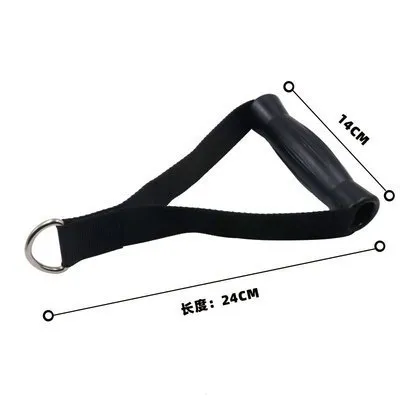
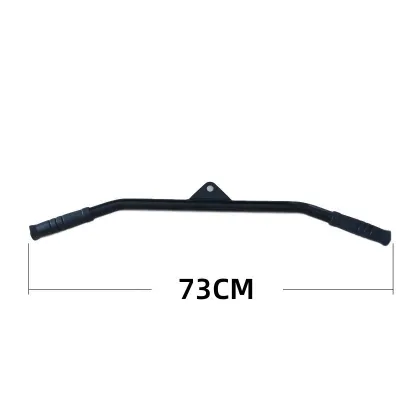
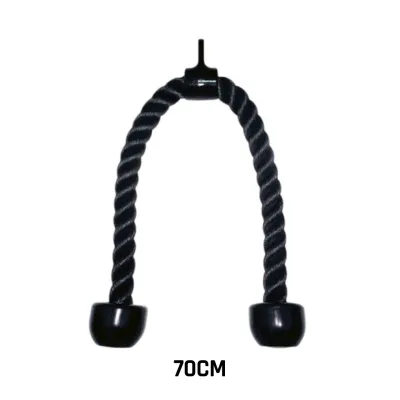
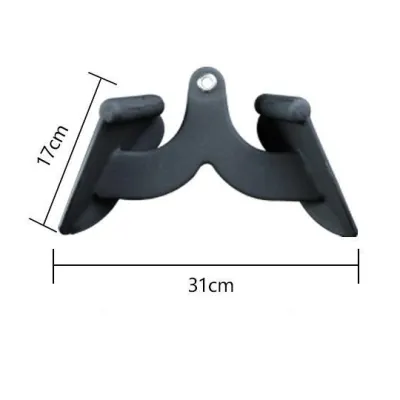
Prices are valid at publication and may change. Please refer to the product page for the latest price.
Connection types are equally critical to the safety and fluid motion of your exercises. A high-quality rotating swivel ring is a vital feature for dynamic movements such as cable curls, face pulls, or lat pulldowns. This swivel allows the handle to rotate freely throughout the exercise path, reducing wrist strain and minimizing friction on the cable system. Fixed mounts, which lack this rotational freedom, are better suited for strict, linear movements like heavy rows or overhead presses where a rigid, unchanging hand position is required to transfer force efficiently.
Knurling depth and handle diameter play decisive roles in managing grip fatigue and callus formation. Deep, aggressive knurling is favored by powerlifters and heavy pullers because it locks the hand in place, but it can easily tear calluses during high-volume training. Medium or light knurling offers a practical middle ground for general fitness. Additionally, standard handle diameters usually range from 25mm to 28mm, which fits most hands comfortably; however, choosing a thicker bar shifts the mechanical load directly to your hands and forearms, testing your grip endurance before the target muscle group is fully fatigued.
Top Handle Types for Arm Isolation and Strength
V-Bar and EZ Curl Attachments
Using an angled grip, such as those found on V-bars or EZ curl attachments, provides immediate biomechanical relief during intense arm training. Unlike a flat straight bar, which forces the wrists into full supination (palms facing completely up) during curls or full pronation during pushdowns, these angled tools offer a semi-supinated or semi-pronated position. This natural angle aligns the bones of the forearm, reducing the shearing forces that often cause tendonitis or joint strain in the wrists and elbows under heavy loads.

Before purchasing an angled bar, it is wise to evaluate the steepness of the angle and the overall grip width. Individuals with broader shoulders or limited wrist flexibility typically benefit from wider, moderately angled bars that allow the hands to sit naturally. Narrower, steeper angles can target specific portions of the biceps or triceps more aggressively but require excellent joint mobility. Always test your natural hand path with a light load to ensure the bar matches your specific skeletal alignment without forcing your elbows to flare outward.
Tricep Ropes and Angled Bars
Flexible nylon tricep ropes are highly effective for maximizing tricep contraction because they allow for a freer range of motion. Because the rope is pliable, you can pull the ends apart at the bottom of a pushdown, extending your hands past your outer thighs. This outward sweep allows for a greater range of motion and a deeper peak contraction of the long head of the triceps, which is difficult to replicate with a rigid metal bar.
For lifting heavier loads, a rigid angled bar, such as a solid steel V-pushdown bar, serves as an excellent alternative. The solid construction ensures that all force is transferred directly into the weight stack without any energy lost to rope flex, making it easier to overload the lateral and medial heads of the triceps. However, because the rigid bar locks your hands into a fixed track, you must monitor your wrist alignment closely to prevent joint strain as the weights get heavier.
Best Attachments for Back and Compound Pulling
Wide Straight Bars and Lat Pulldown Bars
Building back width and thickness requires attachments that allow your elbows to drive down and back effectively. Wide straight bars and curved lat pulldown bars are the classic choices for targeting the latissimus dorsi and upper back muscles. A completely straight bar keeps your hands in a fixed plane, which can be effective for mid-back thickness but may feel restrictive at the bottom of a pulldown. Slightly curved bars angle the hands slightly forward and downward at the outer edges, which aligns better with the natural pulling angle of the lats.
While an ultra-wide grip is often associated with building a wide back, extreme widths can actually limit your active range of motion and place undue stress on the shoulder joints. Pulling from an excessively wide position reduces the distance the bar can travel and can compromise the rotator cuff. For optimal safety and muscle activation, select a grip width that is just slightly wider than your shoulders, ensuring your elbows can drive down toward your hips without joint discomfort.
D-Handles and Neutral Grip Attachments
A neutral grip, where your palms face each other, is widely considered the safest and most anatomically friendly position for heavy pulling. Double D-handles and parallel-grip bars allow you to perform seated rows and pulldowns while keeping your shoulders in a naturally packed, externally rotated position. This reduces the risk of shoulder impingement and allows for deep lat engagement and mid-back contraction.
Single D-handles offer the added benefit of unilateral training, allowing you to work one side of your body at a time. Performing rows or pulldowns unilaterally helps identify and correct strength or size imbalances between your left and right sides. Unilateral movements also allow your body to rotate slightly during the pull, matching your natural biomechanics and increasing the overall range of motion of the exercise.
Specialized Grips for Forearm and Grip Strength
For lifters looking to build crushing grip strength and forearm hypertrophy, specialized handle modifications are highly effective. Thick grip adapters, often made of high-density silicone or rubber, can be slipped over any standard gym handle or barbell. By instantly increasing the handle’s diameter, these adapters force the muscles of your hands and forearms to work significantly harder to hold the weight, turning standard pulling movements into intense grip-building exercises.
Another excellent option for building static hold and crushing strength is using towel grips or specialized pinch blocks. Draping a heavy-duty towel over a cable handle and pulling from the fabric forces a deep, pinching squeeze that targets the deep flexors of the hand. Pinch blocks, which lack any traditional handle shape, require you to pinch a flat surface to lift the load, targeting finger strength directly.
However, you must exercise caution when introducing these specialized grips. Increasing the handle diameter dramatically reduces the maximum weight you can pull, as your grip will likely fail long before your larger target muscles do. To prevent acute tendonitis, golfer’s elbow, or strain in the small joints of the hands, progress slowly and avoid using thick grips on every single set of your workout.
Quick Comparison: Matching Handles to Muscle Groups
| Handle Type | Primary Target Muscles | Best Movement Examples | Key Benefit |
|---|---|---|---|
| V-Bar | Triceps, Biceps | V-Bar Pushdowns, Cable Curls | Reduces wrist strain via angled grip |
| Tricep Rope | Triceps, Forearms | Rope Pushdowns, Overhead Extensions | Maximizes range of motion and peak contraction |
| Straight Bar | Latissimus Dorsi, Biceps | Lat Pulldowns, Straight-Arm Pullovers | Allows for wide-grip lat engagement |
| D-Handle | Mid-Back, Lats, Biceps | Seated Cable Rows, Single-Arm Pulldowns | Promotes neutral-grip shoulder safety and unilateral balance |
| Thick Grip Adapter | Forearms, Hand Flexors | Thick-Grip Rows, Bicep Curls | Increases muscle recruitment in the hands and forearms |
Compatibility and Buying Checklist for Local Gyms
Before purchasing a new handle bar for gym use in the Philippines, verifying compatibility with your existing cable machines is essential. Most standard commercial and home gym cable systems utilize 1/4-inch or 5/16-inch connection holes. It is highly recommended to measure the thickness of your machine’s cable ends and carabiners before ordering to ensure a smooth, secure fit.
Safety should always be your top priority when selecting heavy steel attachments. Inspect the weld quality at the joints and ensure any rotating swivel rings spin smoothly without catching or grinding. A poorly welded handle or a seized swivel can fail under heavy loads, risking severe injury. Check the manufacturer’s stated weight capacity to ensure the handle can safely support your maximum training weight.
Finally, pay close attention to return policies and warranties when shopping from online fitness stores or local retailers. Because solid steel gym handles are heavy and bulky, returning an incompatible or defective item can incur high shipping fees in the Philippines. Verifying these terms beforehand protects your investment and ensures you receive a durable, high-quality tool for your fitness journey.
Frequently Asked Questions (FAQ)
Are gym handle attachments universal for all cable machines?
While the vast majority of home and commercial cable machines use standard carabiner-style connections that accept universal attachments, exceptions do exist. Some premium or proprietary strength machines utilize specialized quick-release pins or thicker cable terminals that require brand-specific handles. Always check your machine’s user manual or physically measure your existing connection hardware before purchasing new attachments to avoid compatibility issues.
How do I clean and maintain rubber or knurled steel handles?
To preserve the grip and extend the lifespan of your handles, wipe them down after every session with a damp cloth and mild soap solution or a gym-safe disinfectant wipe. This removes sweat, skin oils, and chalk buildup, which can degrade materials over time. Avoid soaking steel handles in water, as moisture can trap inside the swivel mechanisms and cause internal rust. Additionally, steer clear of harsh chemical solvents or bleach, which can dry out, crack, or melt rubber and urethane coatings.
Community discussion
Share your experience or ask a question. Comments are reviewed before publication.