
Quick Answer: Choosing the Right Hammock Cover for Tropical Weather
To stay dry and comfortable while camping in the Philippines, you should invest in a dedicated outdoor hammock tarp—commonly referred to as a rain fly—rather than relying on improvised covers or heavy, generic blue plastic tarps. For the country’s characteristically warm, humid, and rain-prone climate, a waterproof and UV-resistant hexagonal or asymmetrical tarp provides the best balance of storm protection and essential ventilation.
While fully enclosed winter tarps with integrated storm doors exist, they are generally impractical for lowland coastal campsites or humid forest areas because they trap body heat and heavy condensation. Save those heavy-duty, full-enclosure options for exposed, high-altitude ridges during the wet season, and stick to open, highly breathable shapes for general tropical adventures.
Key Specifications to Verify Before Buying
Selecting a hammock cover requires looking past generic marketing claims and verifying specific technical details on the product label or manufacturer datasheet. Because tropical weather can transition rapidly from intense heat to torrential downpours, you must ensure your gear meets the physical demands of the environment.
Products mentioned in this guide
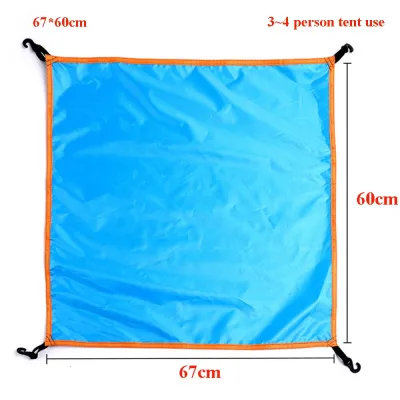
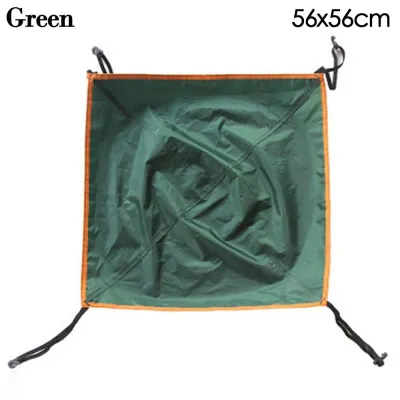
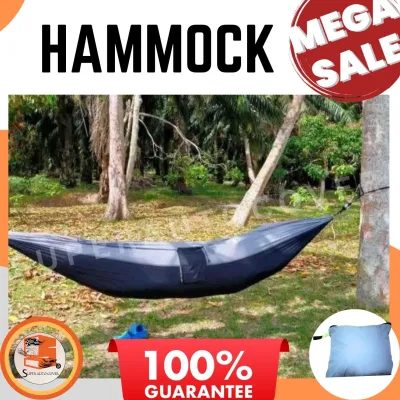
Prices are valid at publication and may change. Please refer to the product page for the latest price.

Waterproofing and Hydrostatic Head
Do not rely on a simple “waterproof” label. Instead, verify the manufacturer’s hydrostatic head (HH) rating, which is measured in millimeters (mm). For the heavy downpours common during the southwest monsoon (Habagat) or sudden afternoon convection rains, look for a rating of at least 1,500mm to 3,000mm. This rating indicates the amount of water pressure the fabric can withstand before moisture begins to seep through. Additionally, check if the seams are factory-taped or if you will need to apply a liquid seam sealer yourself, as unsealed needle holes along the main ridgeline are the most common source of slow leaks.
UV Resistance and Sun Protection
The tropical sun in the Philippines can degrade synthetic fabrics rapidly while subjecting you to intense midday heat. Verify whether the cover features a UV-resistant treatment or a reflective inner coating, such as a silver or black polyurethane (PU) lining. These specialized coatings help block harmful ultraviolet rays, protect the base fabric from sun rot, and noticeably lower the temperature underneath the shelter when you are resting during the hottest parts of the day.
Size and Coverage Dimensions
A hammock cover that is too short will leave your suspension and the ends of your hammock exposed to blowing rain. To find the correct size, measure the total length of your hammock when it is hung—this is its structural ridgeline length, which typically ranges from 9 to 11 feet. Your hammock cover should provide at least 12 inches of overhang on each end. For a standard 11-foot hammock, a tarp with an 11-foot to 12-foot ridgeline is ideal to prevent wind-driven rain from bypassing the coverage zone.
Material and Packability
The choice of fabric directly impacts your pack weight, durability, and how the cover behaves when wet:
- Silnylon (Silicone-Coated Nylon): This material is highly packable, exceptionally strong, and very lightweight, making it a favorite for multi-day backpacking trips. However, nylon naturally absorbs water and stretches when wet, meaning you may need to re-tension your guylines after a heavy downpour.
- Silpoly (Silicone-Coated Polyester): Slightly heavier than silnylon, silpoly does not stretch or sag when wet. It maintains a taut pitch throughout a rainy night and offers naturally superior UV resistance, making it highly durable for prolonged exposure to tropical sun.
- PU-Coated Polyester: This is the most budget-friendly option, with prices typically ranging from ₱1,000 to ₱2,500. While highly waterproof and durable, it is significantly heavier and bulkier than silicone-treated fabrics. This material is best suited for car camping, beach camping, or short hikes where pack space and weight are not primary concerns.
Recommended Tarp Shapes for Rain and Sun Protection
The shape of your hammock cover determines how well you can adapt to changing weather conditions. Different designs prioritize weight savings, ease of setup, or total weather coverage.
Hexagonal (Hex) Tarps
A hexagonal tarp features a six-point tie-out design that creates a classic catenary cut along the edges. This shape is widely considered the most versatile option for general camping in the Philippines.
- Design and Coverage: The six tie-out points allow you to pull the sides of the tarp down and outward, creating a spacious, aerodynamic canopy. This design offers excellent side coverage against wind-driven rain while leaving the ends open enough to facilitate continuous airflow.
- Weight and Packability: It strikes a favorable coverage-to-weight ratio, making it equally suitable for weekend car camping and moderate backpacking trails.
- Limitations: The primary drawback is that it requires more stakes, guylines, and setup time compared to simpler shapes. You will need to manage at least six ground stakes and tensioners to achieve a perfectly taut pitch, which can be challenging in rocky or sandy soils.
Asymmetrical Tarps
Asymmetrical tarps are designed specifically for minimalist backpackers and those who prioritize ultra-light gear configurations.
- Design and Coverage: This shape utilizes a diagonal layout that matches the natural, angled sleeping position inside a gathered-end hammock. By cutting away excess fabric from the corners that do not directly cover your body, asymmetrical tarps minimize both weight and packed volume.
- Ventilation: Because they use fewer tie-out points—often requiring only two stakes in addition to the main tree attachments—they are exceptionally fast to pitch. The minimal fabric coverage also ensures maximum ventilation, which is highly beneficial in warm, humid coastal campsites where capturing any breeze is vital for comfort.
- Limitations: The primary trade-off is reduced coverage. Asymmetrical tarps offer very little protection against horizontal, wind-blown rain or shifting storms. If a sudden tropical depression brings swirling winds, your gear and suspension are highly vulnerable to getting wet. Use this style primarily during the dry season or for fast-and-light summer hikes.
Winter Tarps with Storm Doors
Despite the name, winter tarps (often called four-season tarps) are highly relevant in the Philippines during the peak of the typhoon season or when camping on exposed, high-altitude mountain ridges.
- Design and Coverage: These tarps feature extended fabric flaps on both ends that can be folded inward and fastened together to create fully enclosed "doors." This design blocks driving rain, swirling winds, and cold drafts from entering your shelter from any angle, providing the ultimate level of protection when you are forced to camp in severe, unpredictable weather.
- Ventilation Trade-offs: The major drawback of a fully enclosed tarp in a tropical climate is significantly reduced airflow. In warm or highly humid conditions, trapping your breath and body heat inside a closed tarp will lead to heavy condensation, leaving the inside of your cover damp.
- Ideal Use Cases: Reserve this specialized gear for cold, high-elevation ridges (such as the Cordillera region) or when weather forecasts predict severe storm systems, and always keep the doors open when conditions allow.
Pitching Strategies for Storms and Strong UV Exposure
Even the highest-quality hammock cover will fail to protect you if it is pitched incorrectly. Adjusting your setup technique based on the immediate environment is crucial for staying dry and comfortable.
Pitching for Heavy Rain
When a sudden tropical downpour strikes, pitch your tarp in a steep A-frame configuration. Pull the sides down close to the ground to encourage rapid water runoff and minimize the surface area exposed to high winds. Crucially, always tie a “drip line”—a simple piece of cotton string, shoelace, or utility cord—onto your hammock suspension ropes underneath the tarp coverage area. When rainwater runs down the suspension line from the tree, the drip line will intercept the water and force it to drip onto the ground before it can reach your hammock.
Pitching for Sun and Heat
During hot, sunny afternoons, you want to maximize shade while maintaining airflow. Pitch your tarp high and wide, sometimes referred to as “porch mode.” By propping up one side of the tarp using trekking poles or long branches and securing them with guylines, you create a wide awning. This blocks the harsh midday sun while allowing cooling cross-breezes to flow freely through your campsite.
Site Selection and Safety Boundaries
No piece of outdoor equipment can compensate for poor campsite selection or lack of preparation. Before hanging your hammock and cover, look up and visually inspect the canopy for dead branches, hanging limbs, or unstable trees—often called “widowmakers”—that could fall during high winds. Avoid pitching your shelter in low-lying depressions, dry riverbeds, or natural drainage pathways. Tropical rain can accumulate rapidly, turning a dry gully into a rushing flash flood within minutes. Always prioritize your safety by selecting healthy, living trees on high, well-drained ground, and monitor local weather advisories closely.
Gear Maintenance for High-Humidity Conditions
The persistent humidity of the Philippine climate presents a constant challenge for gear preservation. Mold, mildew, and fabric rot can ruin an expensive hammock cover in a matter of weeks if proper maintenance is neglected.
Drying Protocols
Never pack away a wet or damp hammock cover for long-term storage. If you must pack up in the rain, store the wet tarp in an external pocket of your backpack to keep your dry gear separate. As soon as you return home, hang the cover in a shaded, well-ventilated area until it is completely dry. Avoid leaving it in direct, intense sunlight for extended periods, as prolonged UV exposure can weaken the synthetic fibers.
Cleaning Methods
To clean dirt, sap, or salt spray from beach camping, gently wash the fabric by hand. Use a soft sponge and mild, non-detergent soap. Never use harsh household detergents, bleach, or washing machines. The mechanical agitation of a washing machine and the chemical agents in standard detergents can strip away the polyurethane waterproof coatings, damage factory seam tape, and degrade UV-resistant treatments.
Storage Conditions
Once fully dry, store your hammock cover loosely in a cool, dry place. Avoid storing it in highly humid environments like damp garages, outdoor sheds, or tightly sealed plastic bins where ambient moisture can get trapped. A breathable mesh bag or a loose shelf storage setup is ideal to prevent the waterproof coatings from becoming sticky or peeling over time.
Frequently Asked Questions (FAQ)
Can I use a regular camping tent footprint as a hammock cover?
Using a standard tent footprint as a hammock cover is not recommended. Footprints are designed to match the specific dimensions of a tent floor and generally lack the necessary reinforced tie-out points, structural shaping, and length required to span a hammock. Attempting to pitch a footprint overhead often results in poor water shedding, sagging fabric, and inadequate coverage, leaving you vulnerable to both rain and wind.
Do I need a structural ridgeline to set up a hammock tarp?
You do not strictly need a structural ridgeline to set up a hammock tarp, but using a dedicated tarp ridgeline is highly beneficial. A tarp ridgeline runs completely underneath or over the tarp, allowing you to center and tension the cover perfectly before securing the corners. This provides a more consistent, wind-resistant pitch and prevents the tarp from sagging over time. It also keeps the tarp’s tension independent of your hammock’s suspension, preventing your body weight from pulling the cover down when you climb in.
How do I prevent heavy condensation inside the hammock cover?
To prevent condensation in highly humid environments, maximize ventilation by pitching your tarp as high as weather conditions permit. Avoid pinning the edges of the cover directly to the ground unless you are in a severe storm. During warm, humid nights, keep the sides open in a wide A-frame or porch mode to encourage air circulation. If you are using a tarp with storm doors, keep the doors tied back or partially open to allow warm, moist air to escape rather than condensing on the cool underside of the fabric.
Community discussion
Share your experience or ask a question. Comments are reviewed before publication.