
Building forearm strength and a reliable grip requires selecting a hand grip exercise tool that matches your specific physical goals, hand size, and local training environment. In the Philippines, where high humidity and tropical heat can quickly cause sweaty palms or accelerate rust on metal components, choosing the right equipment involves looking closely at material quality, grip texture, and resistance mechanisms. Whether you are an athlete looking to improve your hold, a climber training for endurance, or someone recovering from a wrist strain, the ideal tool is one that allows consistent, progressive training without slipping or degrading over time.
Rather than searching for a single universal device, the most effective approach is to evaluate the distinct categories of grip strengtheners available on local ecommerce platforms and in physical fitness stores. From adjustable spring-loaded grippers that let you scale resistance as you grow stronger, to silicone rings that offer portable, quiet workouts, each design serves a specific role in forearm development. By understanding how these tools function and how to verify their build quality, you can make an informed decision that supports your long-term fitness journey.
How to Choose the Right Hand Grip Exerciser
Selecting the right hand grip exercise tool begins with an honest assessment of your current physical capabilities and long-term training objectives. If your primary goal is to build maximum crushing force—the kind of strength needed to close heavy-duty metal grippers or hold onto heavy barbells—you will require a tool that offers high, progressive resistance. Conversely, if you are training for endurance sports, climbing, or musical performance, your focus should be on tools that allow high-repetition sets at a moderate, manageable tension.
Products mentioned in this guide
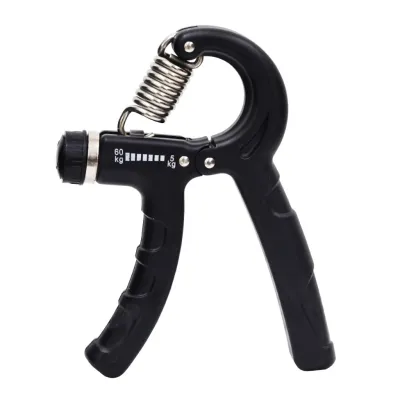
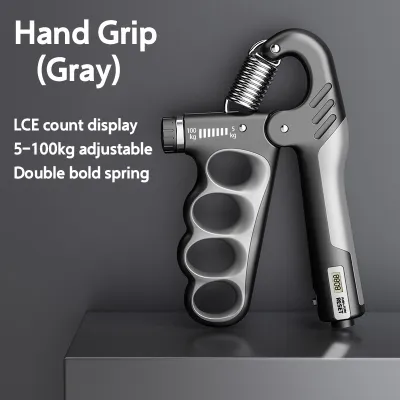
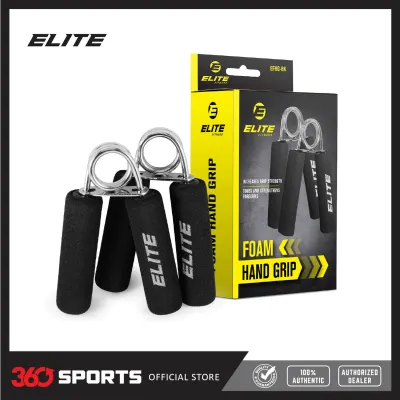
Prices are valid at publication and may change. Please refer to the product page for the latest price.
For those recovering from an injury or managing joint discomfort, the priority shifts toward low-resistance, highly controllable options. In these scenarios, rehabilitation requires smooth, predictable tension that does not shock the tendons or joints. Matching the tool’s resistance profile to your specific physiological needs prevents premature fatigue and reduces the risk of strain during your workouts.
Understanding the functional differences between fixed-resistance and adjustable-resistance mechanisms is another critical step in your decision-making process. Fixed-resistance tools, often made of solid metal with heavy-duty springs, provide a consistent, unyielding challenge that is excellent for measuring absolute strength milestones. Adjustable-resistance models, which typically utilize a dial or a sliding spring, offer a versatile range of tension levels within a single device, making them highly practical for gradual progression and warm-up routines.
Ergonomic factors also play a massive role in how consistently you will use your grip strengthener. The diameter of the handle must fit comfortably within your palm; a handle span that is too wide can force your fingers into mechanically disadvantageous positions, leading to joint strain. Additionally, the texture of the handle determines how well you can maintain your hold when your hands sweat.
In the warm, humid climate of the Philippines, handle materials require careful consideration to ensure long-term durability. Smooth plastic handles can become incredibly slippery during a workout, while aggressively knurled metal handles provide excellent traction but may require chalk or protective wraps to prevent blisters. Balancing comfort, grip security, and material resilience against moisture is essential for a successful, long-term training routine.
Main Types of Grip Strengtheners and Their Use Cases
To build balanced, functional forearm strength, it is helpful to understand that “grip” is not a single movement but a combination of distinct mechanical actions. The three primary types of grip strength are crushing (closing your hand around an object), pinching (holding an object between your fingers and thumb), and extension (opening your hand against resistance). Each type of grip tool targets these movements differently, engaging distinct muscle groups along the anterior and posterior sides of your forearms.

Relying solely on one type of exercise can lead to muscular imbalances, which may eventually cause discomfort or limit your overall strength potential. For instance, focusing exclusively on crushing exercises without training the opposing extensor muscles can create tension patterns that strain the elbow joints. Combining different tool types—such as pairing a traditional squeezer with a finger extension band—ensures comprehensive development, improves joint stability, and promotes healthier movement patterns.
Spring-Loaded and Adjustable Grippers
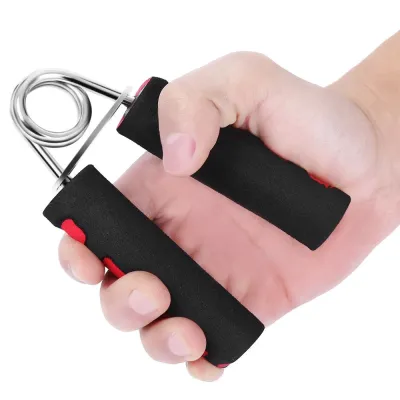
Spring-loaded grippers are the classic choice for developing raw crushing power, utilizing a coiled steel spring to resist the closing motion of your hand. Within this category, you will find a clear division between fixed-resistance models and adjustable dial models. Fixed-resistance grippers are highly valued by advanced trainers because their tension remains constant, allowing you to track your progress with absolute precision as you move from one specific resistance level to the next.
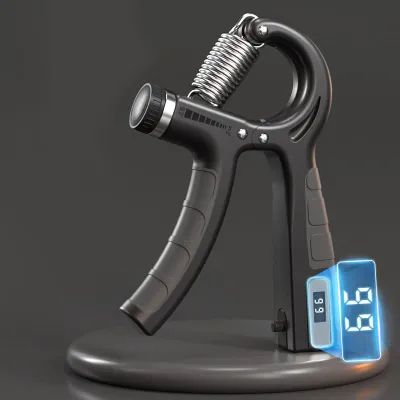
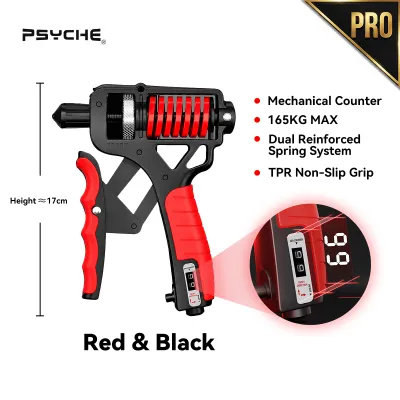
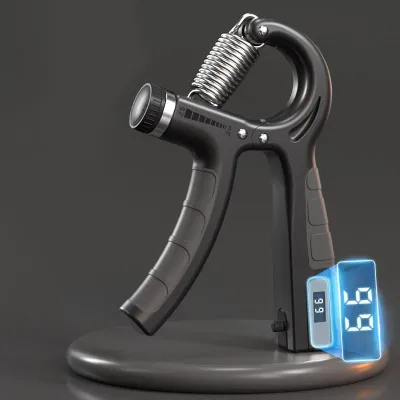
Adjustable dial grippers, on the other hand, are exceptionally convenient for beginners, multi-user households, or dynamic warm-ups. By turning a simple tension knob, you can shift the resistance across a wide spectrum, eliminating the need to purchase multiple separate tools early in your training. However, because the internal spring stretches and shifts during adjustment, the exact resistance level can sometimes feel less precise than that of a dedicated, single-weight fixed gripper.
When evaluating these tools, pay close attention to the handle materials and their texture. Molded plastic handles are lightweight and easy on the skin, but they can degrade under heavy use and offer poor traction when wet with sweat. Knurled aluminum or steel handles provide a professional, non-slip texture that mimics Olympic barbells, though they can be abrasive on unconditioned hands and require regular cleaning to prevent rust in humid environments.
Before purchasing, always verify the manufacturer’s stated resistance range against your current physical capabilities. Many entry-level adjustable grippers top out at a resistance level that active individuals might quickly outgrow, while professional-grade fixed grippers can start at tension levels that are virtually impossible for beginners to close. Checking these specifications ensures you select a tool that provides a meaningful challenge without being discouragingly heavy.
Silicone Rings and Finger Extension Bands
While crushing exercises build the bulky muscles on the underside of your forearm, finger extension tools target the extensor muscles on the top of your forearm. These extensor muscles are responsible for opening your hand and stabilizing your wrist during heavy lifts. Incorporating silicone rings and finger extension bands into your routine helps balance the constant closing forces of daily life and heavy gym workouts, reducing the risk of common overuse issues like tennis elbow or repetitive strain injuries.
Silicone rings are compact, circular tools that you squeeze inward, offering a smooth, joint-friendly alternative to metal springs. Because they lack moving parts, they are completely silent and highly portable, making them ideal for quick workouts during a daily commute or while sitting at an office desk. When shopping, look for multi-resistance sets that include rings of varying densities, allowing you to step up the resistance as your hands adapt to the pressure.
Finger extension bands, which typically loop around individual fingertips, provide resistance as you splay your fingers outward. It is wise to seek out adjustable bands or multi-pack sets to accommodate different hand sizes and finger lengths, as a band that is too loose will slip off, while one that is too tight can restrict circulation. Ensuring a proper fit allows for a full, comfortable range of motion during every repetition.
Because these tools are made of flexible polymers, material durability and hygiene are paramount. High-quality, food-grade silicone offers excellent tear resistance and will not degrade quickly when exposed to hand oils, sweat, or tropical heat. Additionally, silicone products are incredibly easy to clean; a quick wash with mild soap and water keeps them hygienic and prevents the buildup of bacteria, which is especially important in warm, humid climates.
Wrist Rollers and Thick Bar Adapters
For those seeking to maximize both forearm muscle size and endurance, wrist rollers offer a highly dynamic training stimulus. A wrist roller consists of a central handle, a heavy-duty strap or rope, and a mechanism to attach weight plates. By rolling the strap up and down using alternating wrist movements, you subject the muscles of your entire forearm to intense concentric and eccentric loading, creating a deep muscular burn that static grippers cannot replicate.
Thick bar adapters, which are split rubber sleeves that wrap around standard barbells, dumbbells, or pull-up bars, target your grip through open-hand support. By increasing the diameter of the handle, these adapters force your hands and forearms to work significantly harder to maintain a secure hold during your regular lifting routines. This open-hand challenge directly translates to improved pinch grip strength and better overall hand control.
Before investing in a wrist roller, it is crucial to check its compatibility with your existing fitness equipment. Verify that the weight peg or carabiner system fits the center hole of the weight plates you plan to use, whether they are standard or Olympic-sized. Additionally, inspect the security of the strap attachment to the handle, as any slippage under load can pose a safety hazard to your feet or flooring.
The diameter of both wrist rollers and thick bar adapters should also be carefully evaluated. A handle that is too thick for your hand span will prevent you from completing a full range of motion, while one that is too thin will not challenge your grip effectively. Choosing a moderate, comfortable diameter ensures that your forearms remain the limiting factor in the exercise, rather than hand discomfort or joint strain.
Key Features and Safety Checks Before Buying
When browsing local physical stores or online marketplaces in the Philippines, performing a thorough quality check is essential to ensure your safety and get the best value for your money. Start by inspecting the primary build quality indicators of the device. For spring-loaded grippers, look for reinforced steel springs that show no signs of uneven winding or surface rust, and verify that the fastening pins holding the handles together are securely pressed and flush with the frame.
For adjustable models, pay close attention to the adjustment dial and the internal track where the spring slides. The plastic housing surrounding these moving parts should be thick and free of hairline fractures, as this area experiences significant stress during high-resistance squeezes. Non-slip coatings on the handles should feel firmly bonded to the underlying material, with no peeling edges or sticky residues that might degrade under humid conditions.
Reading through user feedback on e-commerce platforms can provide invaluable insights into how a tool performs over months of regular use. Look specifically for reviews that mention spring degradation, handle breakage, or instances where the actual resistance felt significantly lighter or heavier than the manufacturer’s claims. Consistent complaints about squeaking springs or loose adjustment dials are clear warning signs of substandard manufacturing.
The physical dimensions of the tool must align with your hand anatomy to prevent injuries such as tendonitis or joint strain. If you have smaller hands, a gripper with an excessively wide handle span will force you to use improper leverage, placing undue stress on your finger joints before your muscles can even engage. If possible, test different handle spans in a physical store, or check online product descriptions for exact measurements of the handle width and length.
Finally, always verify the seller’s reputation, return policies, and warranty terms before finalizing your purchase on any online marketplace. Reliable sellers often provide a straightforward return window if the product arrives with manufacturing defects, such as a misaligned spring or a cracked handle. Investing a few extra minutes to confirm these details protects you from low-quality counterfeits and ensures you receive a durable, safe training tool.
How to Structure Your Grip and Forearm Training
Integrating grip training into your weekly fitness routine requires a strategic approach to prevent overtraining and ensure your hands remain functional for daily tasks. A fundamental programming principle is to perform your dedicated grip exercises at the very end of your workout session. Your grip is a crucial link in compound movements like deadlifts, pull-ups, and rows; pre-fatiguing your forearms early in a workout can severely compromise your form and safety during these heavy lifts.
To structure your training effectively, align your rep ranges and rest periods with your specific fitness goals. If your objective is to build maximum crushing strength, focus on lower rep ranges, such as 3 to 5 sets of 5 to 8 high-resistance repetitions, allowing 2 to 3 minutes of rest between sets to let your nervous system recover. For muscular endurance or active recovery, opt for higher rep ranges, such as 2 to 3 sets of 15 to 20 moderate-resistance repetitions, with shorter rest intervals of about 1 minute.
Because the muscles and tendons of the hand and wrist are highly active in almost every daily activity, scheduled rest days are absolutely vital for recovery. Avoid training your grip on consecutive days; instead, aim for 2 to 3 dedicated sessions per week, allowing at least 48 hours of rest between workouts. This recovery window is when the muscle fibers repair and grow stronger, preventing chronic fatigue and keeping your joints healthy.
Consistently monitor your body for early warning signs of overuse, which often present as a dull ache or stiffness in the elbow, forearm, or wrist tendons. If you experience sharp, sudden pain during an exercise, or if a persistent ache does not subside after a few days of rest, stop the training immediately. Continuing to push through joint or tendon discomfort can lead to chronic conditions; in such cases, consult a qualified medical or fitness professional to assess the issue before resuming your routine.
Frequently Asked Questions (FAQ)
Can hand grip exercisers increase forearm size?
While hand grip exercisers are highly effective for building localized strength and muscular endurance, they are generally not sufficient on their own to produce dramatic increases in forearm muscle size. The muscles responsible for forearm bulk respond best to dynamic, full-range-of-motion movements under significant load, such as wrist curls, reverse curls, and heavy carries. Grip tools primarily engage the deep muscles of the hand and fingers, which have limited potential for massive visual hypertrophy.
To achieve noticeable muscle growth in your forearms, your training must incorporate progressive overload, sufficient training volume, and a supportive nutritional plan. This means gradually increasing the resistance or volume of your exercises over time while consuming enough protein and calories to support muscle repair. Combining targeted grip work with heavy compound lifting and dedicated forearm exercises is the most reliable path to building both strength and size.
How often should I use a hand grip strengthener?
For most individuals, using a hand grip strengthener 2 to 3 times per week is the optimal frequency to stimulate strength gains while allowing adequate time for muscle and tendon recovery. The intricate muscles of the hand and wrist are easily overworked because they are constantly active during daily tasks like typing, writing, and carrying groceries. Giving these tissues at least 48 hours of rest between dedicated training sessions helps prevent overuse injuries and chronic fatigue.
You should always adjust your training frequency based on your individual recovery capacity, overall workout volume, and daily physical demands. If your primary fitness routine already includes heavy lifting, climbing, or manual labor, your forearms are already receiving a significant amount of work, meaning you may only need 1 or 2 brief grip sessions per week. Pay close attention to how your hands feel; if you experience persistent stiffness or a drop in grip performance, reduce your training frequency to allow for better recovery.
Are adjustable grippers as effective as fixed-resistance ones?
Adjustable grippers are highly effective and offer excellent versatility, making them an ideal choice for beginners, casual fitness enthusiasts, or anyone who wants a single, cost-effective tool for warm-ups and progressive training. The ability to easily scale the resistance up or down allows you to customize your workouts without needing to purchase a large collection of individual tools. This adaptability makes them a practical and budget-friendly option for home gyms.
However, for advanced lifters or competitive grip athletes, fixed-resistance grippers are often preferred due to their superior structural durability and precise resistance increments. Fixed grippers are built with heavy-duty, solid metal frames that do not flex or wear down under extreme tension, ensuring that the resistance remains completely consistent over years of intense use. If your goal is to track exact strength metrics and push your physical limits, transitioning to high-quality fixed grippers is a highly beneficial step.
Community discussion
Share your experience or ask a question. Comments are reviewed before publication.