
Selecting the right headlamp for night hiking and camping in the Philippines requires balancing illumination power, weather resistance, and battery reliability against the challenges of tropical environments. From the humid, enclosed jungle trails of Mount Makiling to the cold, windswept ridges of Mount Pulag, your lighting needs change dramatically depending on the terrain and weather. A high-quality headlamp keeps your hands free for balance, scrambling, and managing gear, making it an indispensable safety tool for any outdoor enthusiast. By understanding how technical specifications translate to real-world trail conditions, you can confidently select a light that will not fail when you are miles away from the nearest trailhead.
How to Match Headlamp Specs to Local Trail Conditions
Navigating Philippine trails at night presents unique environmental challenges that standard, budget-grade flashlights cannot safely handle. To ensure your headlamp performs reliably, you must look past basic marketing claims and evaluate how specific technical features behave under dense canopy cover, high humidity, and sudden tropical downpours.
When comparing light output, understanding the relationship between lumens and beam distance is critical for trail safety. Lumens measure the total amount of light emitted by the source, while beam distance indicates how far that light will project under optimal conditions. In dense, humid jungle environments, such as the lower sections of Mount Daraitan or Mount Cristobal, a high-lumen spot beam can actually hinder your vision. The thick foliage and airborne moisture reflect intense, focused light back into your eyes, causing glare and rapid eye fatigue. In these settings, a wide flood beam with moderate output is far more effective, as it illuminates your immediate surroundings and preserves your peripheral vision. Conversely, when navigating exposed mountain ridges, open grasslands, or steep volcanic scree fields, a long-throw spot beam is essential for spotting distant trail markers, identifying drop-offs, and planning your path safely ahead.
Products mentioned in this guide
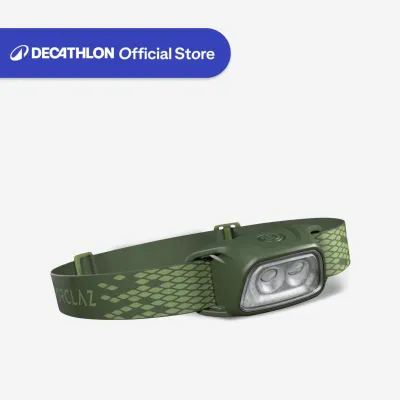
17 Lazada user ratings
Sturdy construction, Rechargeable battery, Good value for money, Easy to use, Perfect for hiking, Water resistant, Water resistant, 🔋Battery…Read full reviewShow less
Sturdy construction, Rechargeable battery, Good value for money, Easy to use, Perfect for hiking, Water resistant, Water resistant, 🔋Battery Life:Can last 8 hours constant use. As long as its charge for 3 hours. Very reliable head lamp. 💡Brightness:Is up to 120 lumens. So perfect for treking mountains and workplace. Has a red light option as well in order to for the user's eyes to easily adapt to dark environment.
Easy to use, Fast shipping, 💡Brightness:Bright and Wide coverage 🎧Comfort:flexible headpiece good for my size 🔋Battery Life:lasts long with …Read full reviewShow less
Easy to use, Fast shipping, 💡Brightness:Bright and Wide coverage 🎧Comfort:flexible headpiece good for my size 🔋Battery Life:lasts long with low settings
the item wasn’t packed too well but it arrived safely and is fully functional. excited to use it
Sturdy construction, Fast shipping,
Good value for money,
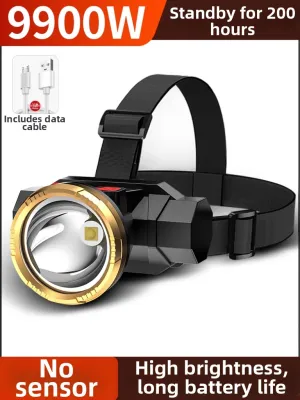
1,042 Lazada user ratings
The price is great, it looks fantastic, and the brightness at night is pretty good. The headband fits just right, and the battery life is so…Read full reviewShow less
The price is great, it looks fantastic, and the brightness at night is pretty good. The headband fits just right, and the battery life is solid—used it all night and still had some left. Definitely worth having!
This flashlight is great! I charged it right away, it's a good deal and really worth it. The seller has a really nice attitude. If you like …Read full reviewShow less
This flashlight is great! I charged it right away, it's a good deal and really worth it. The seller has a really nice attitude. If you like it, go ahead and get it!
The little light is super bright and really easy to wear. I'm curious to see how long the battery lasts, so I'll check back later with an up…Read full reviewShow less
The little light is super bright and really easy to wear. I'm curious to see how long the battery lasts, so I'll check back later with an update.
I've bought this several times now; it has a lot of features and is super bright, making it perfect for use at night in the countryside.
The three brightness settings are super handy. The product is functional, made of sturdy material, and has good quality.
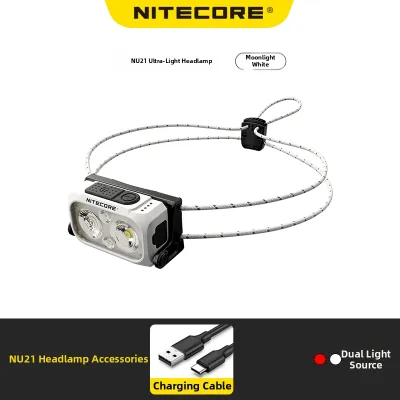
19 Lazada user ratings
Everything looks good. All buttons and click features are working, but I have yet to test its durability and usage endurance in real world s…Read full reviewShow less
Everything looks good. All buttons and click features are working, but I have yet to test its durability and usage endurance in real world scenarios... may reason na umakyat ulit 😄. Definitely lighter than my HA11 (considering the HA11 is already featherlight), brighter max light output and fit is similar (with ha11) but the NU21 is more stable in the forehead. First impressions are great!
🎧Comfort:different light modes 🔋Battery Life:havent tried yet 💡Brightness:very bright. good for hiking and camping and night trekking. seen …Read full reviewShow less
🎧Comfort:different light modes 🔋Battery Life:havent tried yet 💡Brightness:very bright. good for hiking and camping and night trekking. seen several trail runners use the same product
Looks durable and seems like it will last for hours. I’ll be using it for my upcoming trail run. Looking forward to testing it out!
legit Brand New lightweight Headlamp
Good. All functioning. Thanks
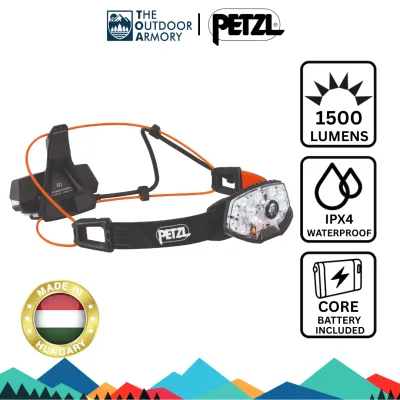
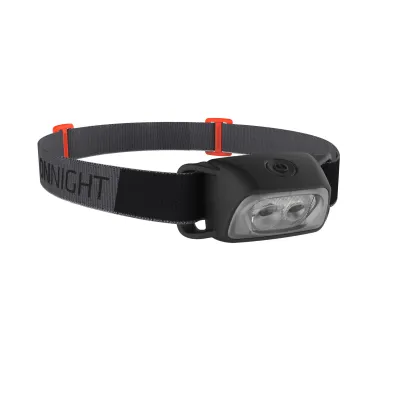
835 Lazada user ratings
💡Brightness:maayos ung ilaw nya..maliwanag 🔋Battery Life:hindi ko pa alam ganung katagal ang itatagal ng battery nya 🎧Comfort:maganda ung pi…Read full reviewShow less
💡Brightness:maayos ung ilaw nya..maliwanag 🔋Battery Life:hindi ko pa alam ganung katagal ang itatagal ng battery nya 🎧Comfort:maganda ung pinka strap nya malambot s ulo yung packaging lang talaga iisipin mo basura na itatapon consistent ang decathlon sa packaging nya ung walang bubble wrap at mukhang basta,pero maayos nman ang parcel...thanks kay kuya rider
🎧Comfort: 10/10 💡Brightness: 9/10 Excellent value for money. Thanks seller :) Much better if there’s a protective box since it has a glass/p…Read full reviewShow less
🎧Comfort: 10/10 💡Brightness: 9/10 Excellent value for money. Thanks seller :) Much better if there’s a protective box since it has a glass/plastic component that’s breakable.
received the wrong item, and it's hard to reach out for their cx service, always an automated response. Didn't even offer any consolation in…Read full reviewShow less
received the wrong item, and it's hard to reach out for their cx service, always an automated response. Didn't even offer any consolation in what happened.
Comfortable and easy to use, Highly recommended for trekking enthusiasts, 🔋Battery Life:👌🏽
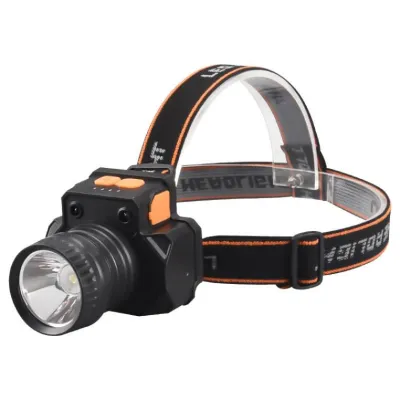
37 Lazada user ratings
ok Naman gumagana magkaibang model ang inorder ko kaya mas mahal ang isa pero parehong model ang dumating your nga mas mura pa
maliit at napakagaan parang laruan lang pero okay naman sya malakas ang ilaw at matagal malobat
Type C charging port, USB rechargeable battery, Lightweight and portable, .
💡Brightness:ok mangada naman sya
nice po thanks
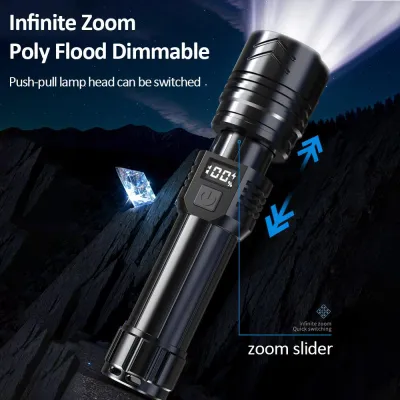
6 Lazada user ratings
🔨Durability:matibay 🔋Battery Life:matagal bago malowbat 💡Brightness:napakaliwanag
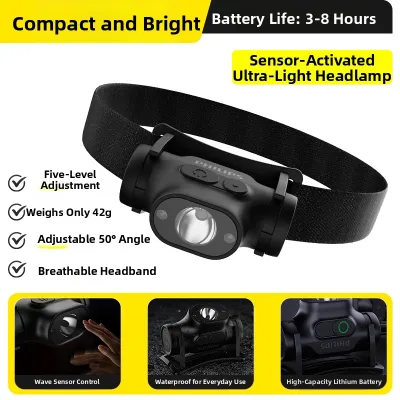
23 Lazada user ratings
🎧Comfort:10 🔋Battery Life:10 💡Brightness:10 working properly .
🎧Comfort:10 🔋Battery Life:10 💡Brightness:100000
Perfect for evening outings, super bright!
Prices are valid at publication and may change. Please refer to the product page for the latest price.
Water resistance is another non-negotiable specification for tropical trekking. The weather in the Philippines can change rapidly, turning a clear afternoon hike into a torrential downpour within minutes. Headlamp water resistance is measured using the Ingress Protection (IPX) rating system. An IPX4 rating means the unit can withstand splashing water from any angle, which is generally sufficient for light drizzle or sweat but may fail during a severe tropical storm. For true peace of mind on multi-day treks, look for headlamps with an IPX6 rating, which protects against powerful water jets, or an IPX7 rating, which allows the unit to be submerged in up to one meter of water for thirty minutes. Additionally, high humidity can cause internal condensation in poorly sealed units, leading to rapid circuit corrosion and sudden failure, making a high IPX rating vital even when it is not actively raining.
A dedicated red light mode is an invaluable feature that serves multiple practical purposes at camp and on the trail. Red light has a longer wavelength than white light, meaning it does not constrict your pupils or disrupt your natural night vision. This allows you to step away from your tent to check a map or grab gear without needing to wait for your eyes to readjust to the darkness afterward. In a group campsite setting, switching to red light prevents you from blinding your companions during face-to-face conversations. Furthermore, because many nocturnal insects are less sensitive to the red spectrum, using this mode dramatically reduces the number of bugs swarming around your face while you cook, eat, or set up your shelter in humid forested areas.
Recommended Headlamp Categories by Trail Scenario
Matching your lighting tool to the specific demands of your trek ensures you do not carry unnecessary weight or find yourself with insufficient illumination on technical terrain. Different hiking styles, trail difficulties, and campsite setups require distinct headlamp designs and form factors. Before making a purchase, always verify specific model specifications, water-resistance certifications, and current availability directly through official brand websites or authorized outdoor retailers.

Ultralight and Minimalist Designs for Fast Hiking
For fast-packers, trail runners, and day-hikers who prioritize speed and minimal weight, ultralight headlamps offer a streamlined solution that keeps pack weight to an absolute minimum. These minimalist designs often feature ultra-thin elastic bands or cord-based retention systems, paired with compact, integrated battery housings. The primary trade-off with these units is battery capacity; because the batteries are small and lightweight, they typically offer shorter runtimes and lower maximum lumen outputs compared to their heavier counterparts.
These compact units are highly suited for early morning summit pushes, where you only need a reliable light source for a few hours before the sun rises, or as a dependable backup light stored in your emergency kit. When selecting an ultralight headlamp for tropical climates, pay close attention to the headband material. Look for sweat-resistant, quick-drying fabrics or bands with integrated silicone channels that direct sweat away from your eyes. Additionally, ensure the battery housing has a low-profile design that sits flush against your forehead to prevent the unit from bouncing or shifting when you quicken your pace.
High-Output and Multi-Mode Units for Technical Night Treks
When your itinerary involves navigating rugged, unlit, or highly technical terrain, a powerful and versatile headlamp becomes a critical piece of safety gear. Technical night treks demand a light that can adapt instantly to changing trail conditions, requiring a combination of high-output LEDs and adjustable beam patterns.
An adjustable beam focus is essential when scrambling over wet rocks, navigating steep root systems, or crossing rivers. A wide, even flood beam provides excellent close-range visibility, helping you maintain balance and spot immediate tripping hazards. Meanwhile, a powerful spot beam allows you to peer far down the trail to locate route markers or assess potential hazards ahead. Some advanced headlamps feature reactive lighting technology, which automatically adjusts the brightness and beam shape based on where you look, conserving battery power when you look down at your feet and boosting output when you look into the distance. Ensure the headlamp has robust build quality, featuring impact-resistant polycarbonate housings and secure, adjustable tilting brackets that stay locked in place even during jarring movements.
Diffused and Comfortable Lighting for Campsite Tasks
Once you have reached your destination and set up camp, the requirements for your headlamp shift from long-distance projection to close-range comfort and usability. High-intensity spot beams are highly impractical in a campsite setting, as they create harsh shadows and easily blind fellow campers during casual conversations.
For basecamp tasks, look for headlamps that offer frosted lenses, built-in diffusers, or dedicated low-output camp modes that disperse light evenly across a wide area. This soft, diffused light is ideal for organizing gear inside a tent, preparing meals, or reading without causing eye strain. For extended wear around the camp, overall comfort and weight distribution are key. Headlamps with top-mounted straps or split battery configurations—where the battery pack is positioned at the back of the head—distribute weight more evenly, reducing pressure on your forehead and preventing the lamp from sliding down. Finally, consider the physical design of the buttons; large, raised buttons with distinct tactile feedback are much easier to operate when your hands are wet, muddy, or cold from high-altitude mountain air.
Power Sources and Battery Management in Humid Climates
Choosing the right power source for your headlamp is a critical decision that directly impacts your safety and convenience on multi-day treks. In remote areas of the Philippines, where access to electricity is non-existent, managing your power supply requires careful planning and the right battery chemistry.
Built-in lithium-ion rechargeable batteries are highly convenient, cost-effective over time, and offer consistent power output until they are fully depleted. However, if your rechargeable headlamp runs out of power on a long trek, you must carry a portable power bank and wait for the unit to recharge, which can be highly impractical during an active hike. On the other hand, standard AA or AAA alkaline or NiMH batteries are widely available, cheap, and can be swapped out instantly on the trail, ensuring you are never left in the dark. The downside is that disposable batteries are heavier, less environmentally friendly, and suffer from a gradual voltage drop, meaning your light will slowly dim as the batteries drain. Many modern outdoor brands now offer “dual-fuel” headlamps, which can run on either a proprietary rechargeable lithium-ion pack or standard AAA batteries, providing the ultimate balance of convenience and emergency backup capability.
The high humidity and salty air common in tropical environments can quickly wreak havoc on your headlamp’s electrical components. Moisture and sweat can seep into the battery compartment, causing rapid corrosion of the metal contacts, which leads to flickering, reduced power efficiency, or complete device failure. To prevent this, regularly inspect your headlamp’s battery compartment after every trek. Clean the contacts with a dry microfiber cloth or a pencil eraser to remove any early signs of oxidation, and consider applying a thin layer of dielectric grease to seal out moisture.
Always carry your backup batteries, charging cables, and power banks in dedicated, high-quality waterproof dry bags rather than standard plastic pouches. In tropical climates, rapid temperature changes can cause condensation to form inside sealed plastic bags, potentially damaging your spare power sources. A roll-top dry bag made from durable, waterproof fabric provides the best protection against both external rain and internal condensation, ensuring your backup power remains dry and ready for use.
Pre-Purchase Fit and Weather Resistance Checks
Before you head out on your next night hike or purchase a new headlamp, performing a few practical checks can save you from discomfort and gear failure on the trail. Taking the time to evaluate the physical fit, interface, and manufacturer specifications ensures your light will perform exactly when you need it.
Begin by testing the fit and overall balance of the headlamp on your head. Adjust the headband so that it fits snugly without pinching or leaving deep marks on your skin. Gently shake your head from side to side and nod up and down; a well-designed headlamp should remain securely in place without sliding down your nose or bouncing excessively. If the unit feels front-heavy or pulls forward, it may cause tension headaches during long night hikes, indicating that you should look for a model with a top strap or a rear-mounted battery compartment to distribute the weight more evenly.
Next, familiarize yourself with the button responsiveness and mode-cycling logic. In a retail store or upon receiving your delivery, practice operating the headlamp using only one hand and without looking at the device. You should be able to easily switch between white and red light modes, adjust brightness levels, and engage the safety lock-out feature. A reliable lock-out function is absolutely essential, as it prevents the headlamp from accidentally turning on inside your backpack, which can leave you with a completely dead battery by the time you reach camp.
Finally, carefully verify the manufacturer’s IPX water resistance claims and read the fine print regarding warranty coverage. Ensure the brand explicitly covers water exposure under its standard warranty, as some manufacturers exclude water damage if the battery door was not closed perfectly or if the seals have degraded over time. Review the retailer’s return and exchange policies so that you can easily swap the unit if you discover any manufacturing defects or if the fit is not suitable for your head shape before you embark on your trek.
Frequently Asked Questions (FAQ)
How many lumens do I really need for a night hike in the mountains?
For most standard night hiking scenarios on established trails, a sustained output of 100 to 200 lumens is perfectly adequate for safe navigation. While many modern headlamps advertise peak outputs of 400 to over 1,000 lumens, these ultra-bright settings are typically designed for short bursts of search-and-rescue work or high-speed activities like cycling. Running a headlamp at its maximum lumen setting drains the battery extremely fast and generates significant heat, which often triggers the device’s internal thermal protection to automatically dim the light anyway. Instead of focusing solely on raw lumen numbers, look for a headlamp with high-quality optics that distribute light efficiently, and a regulated power supply that maintains a consistent level of brightness throughout the battery’s life.
Can I use my regular camping headlamp for trail running?
While you can use a standard camping headlamp for occasional light jogging, dedicated trail running demands specific features to handle the increased impact, speed, and movement. Standard camping headlamps are often too front-heavy and lack the secure fit required for running, causing them to bounce excessively, which can distort your depth perception and lead to trips or falls. For trail running, you need a highly stable, lightweight headlamp with a wider, moisture-wicking headband or a dual-strap system that keeps the light perfectly stationary. Additionally, trail runners require a wider, more powerful beam pattern to anticipate terrain changes and obstacles at higher speeds, whereas a slower-paced hiker can easily manage with a narrower, lower-output beam.
Community discussion
Share your experience or ask a question. Comments are reviewed before publication.