
Why Choose a Heavy-Duty 2×2 Tent for Solo Camping?
Solo camping in the Philippines offers an unparalleled sense of freedom, allowing you to pitch your shelter on the windy ridges of Mt. Pulag, along the rugged coastlines of Zambales, or deep within the lush rainforests of Mindanao. To enjoy these diverse landscapes safely, your choice of shelter is paramount. A 2×2 meter tent—which provides a footprint of approximately 2 meters by 2 meters (roughly 6.5 feet by 6.5 feet)—serves as the ideal foundation for a solo outdoor shelter. While technically classified by many manufacturers as a two-person or three-person tent, this size is highly recommended for solo backpackers who prioritize comfort, safety, and gear protection.
When camping alone, you do not have a partner to share the burden of holding gear or managing a cramped space. A 2×2 tent provides ample interior room to bring all your equipment inside. This includes your multi-day backpack, sleeping pad, change of clothes, and cooking gear. Leaving your gear in the vestibule or outside exposes it to crawling insects, stray animals, and sudden downpours. With a 2×2 footprint, you can comfortably stretch out, organize your gear, and even cook in the vestibule during inclement weather without feeling claustrophobic.
The Philippine outdoor environment is notoriously demanding. The country experiences high relative humidity year-round, intense tropical sun, sudden torrential downpours, and strong winds associated with the southwest monsoon (Habagat), northeast monsoon (Amihan), and frequent tropical depressions. A standard, lightweight recreational tent designed for fair-weather backyard camping will quickly fail under these conditions. High winds can snap weak poles, while heavy rains can easily penetrate thin, untreated fabrics, leaving you and your expensive gear soaked.
Products mentioned in this guide
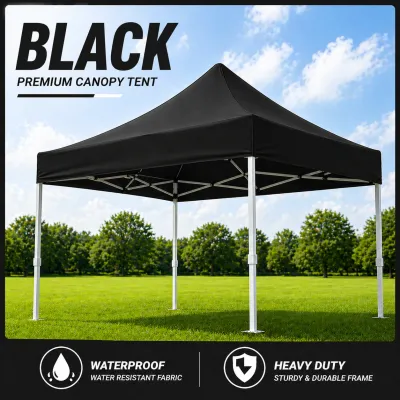
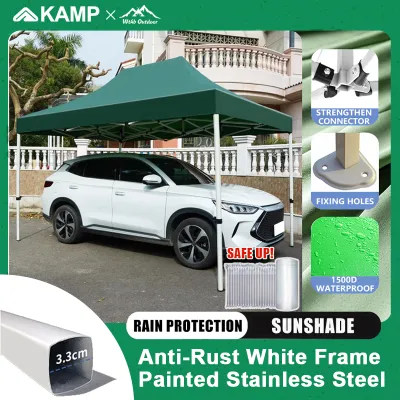
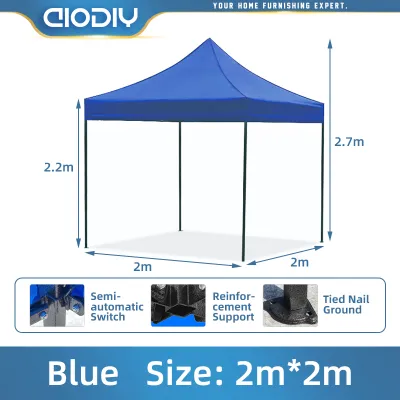
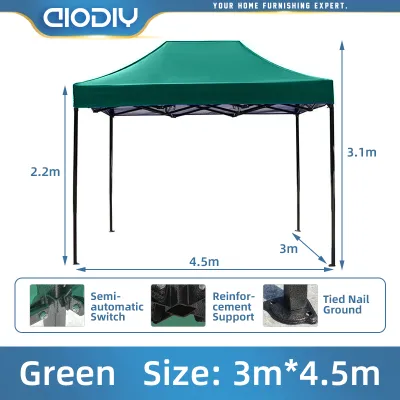
Prices are valid at publication and may change. Please refer to the product page for the latest price.
Choosing a heavy-duty specification is therefore a matter of safety rather than luxury. Heavy-duty tents are constructed with robust materials engineered to withstand sustained winds, resist tearing from sharp branches or volcanic rocks, and repel high volumes of water. Investing in a heavy-duty 2×2 tent ensures that your shelter remains standing and dry, providing a reliable sanctuary where you can recover from a long day of trekking, regardless of how hostile the weather becomes outside.
Key Features to Evaluate in a Heavy-Duty 2×2 Tent
Selecting the right heavy-duty tent requires a clear understanding of technical specifications. Manufacturers use various materials and construction techniques, and knowing how to interpret these details will help you make an informed decision. Rather than relying on generic marketing terms, you should evaluate specific structural and material elements to verify a tent’s durability and suitability for the Philippine climate.

Pole Materials and Structural Stability
The poles form the skeleton of your tent; their material and design directly determine whether your shelter can withstand strong wind gusts on exposed ridges. When evaluating a heavy-duty tent, the primary choice is between aluminum alloy poles and fiberglass poles.
Aluminum alloys, such as 7001-T6 or 7075-T6 aerospace-grade aluminum, are the standard for heavy-duty tents. Aluminum is exceptionally strong yet lightweight, offering an excellent strength-to-weight ratio. More importantly, aluminum is highly flexible; under intense wind pressure, aluminum poles will bend without snapping, absorbing the force of the wind and returning to their original shape once the pressure subsides.
In contrast, fiberglass poles are heavier, stiffer, and far more brittle. Under high stress, fiberglass does not bend gracefully; instead, it is prone to splintering or snapping completely. A broken fiberglass pole can easily puncture your tent fabric, ruining your shelter and leaving you exposed to the elements. For any serious solo camping in the Philippines, aluminum poles are highly recommended.
Beyond the material, you should check the pole diameter and the overall structural design. Heavy-duty tents typically feature poles with a diameter of 8.5mm to 11mm. Thicker poles provide greater rigidity. Additionally, look at how the poles intersect. Designs where poles cross each other multiple times create a more rigid, stable frame that distributes wind load evenly across the entire structure, reducing stress on any single point.
Fabric Denier and Waterproof Ratings
The fabric of your tent is your primary shield against rain, wind, and ground moisture. To determine the durability and waterproof capabilities of a tent, you must look at the fabric denier and the Hydrostatic Head (HH) rating.
Denier (denoted as “D”) is a unit of measurement that indicates the fiber thickness of individual threads in the fabric. Specifically, it represents the weight in grams of 9,000 meters of the fiber. A higher denier number indicates a thicker, heavier, and more puncture-resistant fabric. For a heavy-duty tent, look for a rainfly with a denier rating of at least 40D to 75D. The tent floor, which is subjected to constant friction against rocks, twigs, and rough ground, requires a much higher denier rating—ideally 70D, 150D, or even heavy-duty Oxford polyester.
The waterproof capability of the fabric is measured by its Hydrostatic Head rating, expressed in millimeters (mm). This rating indicates the pressure of water required to penetrate the fabric. For example, a 2,000mm rating means the fabric can support a 2,000mm tall column of water before any leakage occurs.
For the intense tropical downpours common in the Philippines, you should look for a rainfly with an HH rating of at least 2,000mm to 3,000mm. The tent floor requires a higher rating, ideally between 3,000mm and 5,000mm, because your body weight exerts pressure on the damp ground, which can force water through less resistant fabrics.
While higher waterproof ratings offer peace of mind, they also come with trade-offs. Heavily coated fabrics are thicker and heavier, which increases your pack weight. Furthermore, thick coatings can reduce the fabric’s breathability, which can lead to significant condensation build-up inside the tent in warm, humid environments. Balancing waterproof ratings with ventilation features is key to staying dry and comfortable.
Seam Taping and Weatherproof Zippers
Even the most durable, highly rated waterproof fabric will leak if the construction details are substandard. The seams where different fabric panels are sewn together are the most vulnerable points on any tent, as the sewing needle creates thousands of tiny holes that water can penetrate.
To prevent leaks, a heavy-duty tent must feature factory-taped or sealed seams. During manufacturing, a specialized polyurethane tape is applied under high heat and pressure along all interior seams, effectively sealing the needle holes. When purchasing a tent, inspect the seams to ensure the tape is applied smoothly, without bubbles, peeling, or gaps. Double-stitching provides additional structural strength, preventing the fabric from pulling apart under tension.
Zippers are another critical entry point for water and wind. Standard zippers can easily allow water to seep through the teeth. Heavy-duty tents address this by utilizing waterproof-coated zippers (such as polyurethane-coated water-resistant designs) or by incorporating wide storm flaps. Storm flaps are strips of heavy-duty fabric that fold over the zipper track, secured by Velcro or snap closures. These flaps deflect wind-driven rain away from the zipper, ensuring that water does not find its way into your sleeping area. Additionally, high-quality zippers, such as those manufactured by YKK, are essential for long-term durability, as a broken zipper can render an otherwise perfect tent completely unusable.
Top Tent Designs for Philippine Weather and Terrain
Different camping environments in the Philippines require different structural designs. Whether you are hiking along exposed mountain ridges, camping in high-altitude pine forests, or setting up a stationary base camp near a river, understanding the strengths and limitations of various tent designs will help you choose the best option for your specific adventure.
Double-Wall Dome Tents for Wind and Condensation
The double-wall dome tent is the most versatile and popular design for general backpacking and solo camping in the Philippines. This design features a classic dome shape, typically constructed with two poles that cross at the center, creating a self-supporting, aerodynamic structure that naturally deflects wind from all directions.
The defining feature of this design is its double-wall construction, consisting of a separate inner tent and an outer rainfly. The inner tent is typically made of breathable nylon and fine insect mesh, while the rainfly is a fully waterproof outer shell. This separation is critical for managing condensation in high-humidity tropical environments.
When you sleep, your breath releases moisture into the air. In a single-wall tent, this warm, humid air hits the cold tent fabric and condenses into water droplets, which then drip down onto your sleeping bag. In a double-wall tent, the moisture passes through the breathable inner mesh and condenses on the inside of the outer rainfly. The water then runs down the sloped fly to the ground, keeping the inner living space completely dry.
For solo hikers traversing popular trails such as Mt. Ulap or Mt. Daraitan, a double-wall dome tent offers the best balance of packed size, weight, and weather protection. It is easy to pitch, highly stable in moderate winds, and provides excellent ventilation to keep you cool during warm tropical nights.
Geodesic and Semi-Freestanding Tents for High Altitudes
For high-altitude peaks such as Mt. Pulag, Mt. Apo, or Mt. Dulang-Dulang, where weather conditions can change rapidly and wind speeds can reach extreme levels, a standard dome tent may not provide sufficient stability. In these challenging environments, geodesic or semi-geodesic tents are the preferred choice.
Geodesic tents utilize a highly engineered pole structure where four or more poles intersect at multiple points across the tent body. This creates a rigid, multi-faceted dome that distributes external forces—such as high winds and heavy rain—across the entire frame. The structural integrity of a geodesic tent is unmatched, allowing it to remain stable even in severe storms that would flatten a standard dome tent.
Semi-freestanding tents offer a lighter alternative, utilizing a hubbed pole system that creates a rigid frame while reducing the number of individual poles. This design provides excellent wind resistance while keeping the overall pack weight manageable for solo hikers.
However, the extreme durability of geodesic structures comes with significant trade-offs. The additional poles and heavier fabrics increase both the weight and the packed size of the tent. A full geodesic tent can easily weigh over 3.5 kilograms, which can be a heavy burden for a solo trekker. When planning your trip, carefully consider your carrying capacity and whether the route’s expected weather conditions justify the extra weight of an expedition-grade geodesic shelter.
Polycotton and Canvas Tents for Base Camps
If your solo camping style leans toward car camping, glamping, or establishing a semi-permanent base camp where you do not need to carry your gear over long distances, polycotton and canvas tents are excellent options. Polycotton is a hybrid fabric made from a blend of polyester and cotton, combining the best properties of both materials.
The primary advantage of polycotton and canvas is their superior breathability and temperature regulation. Synthetic fabrics like polyester and nylon tend to trap heat, turning your tent into a hot, uncomfortable greenhouse under the intense Philippine sun. Polycotton, however, allows air to circulate naturally, keeping the interior significantly cooler during the day and warmer during cool nights. Additionally, these materials are incredibly durable, highly resistant to UV degradation, and naturally quiet in windy conditions, eliminating the noisy rustling associated with synthetic fabrics.
Despite these benefits, polycotton and canvas tents have major limitations that make them unsuitable for backpacking. They are exceptionally heavy and bulky, making them difficult to transport without a vehicle.
Furthermore, they require meticulous maintenance, especially in the humid Philippine climate. When canvas or polycotton gets wet, it absorbs water, making it extremely heavy. You must exercise extreme caution to ensure the tent is dried completely before storing it. Storing a damp polycotton tent for even a few days in a humid environment will inevitably lead to the growth of mold and mildew, which will rot the natural cotton fibers, ruin the fabric, and create unpleasant odors.
How to Buy Safely and Maintain Your Tent
Investing in a high-quality, heavy-duty 2×2 tent is a significant commitment, and ensuring that you purchase authentic gear and maintain it properly will protect your investment and guarantee your safety on the trail.
The market is flooded with cheap, unbranded tents that make exaggerated claims regarding their waterproof ratings and wind resistance. Many of these low-cost options feature counterfeit labels, weak fiberglass poles, and substandard seam sealing that will fail during your first real tropical storm. To avoid these risks, always purchase your tent from official brand websites, authorized outdoor retailers, or reputable physical outdoor specialty shops. Established brands provide verifiable specifications, reliable customer support, and product warranties that give you peace of mind.
Quality heavy-duty 2×2 tents typically fall into distinct price bands, with reliable entry-level models starting around ₱3,500, mid-range options offering enhanced durability between ₱6,000 and ₱12,000, and premium high-altitude expedition shelters exceeding ₱18,000.
Once you have purchased a quality tent, proper post-trip maintenance is essential to preserve its heavy-duty performance. After returning from a camping trip, never leave your tent packed away wet or dirty. Follow these steps to clean and store your shelter:
- Inspect and Clean: Set up your tent in a shaded, well-ventilated area. Shake out all dirt, sand, and debris from the interior. Gently wipe down the fabric, poles, and zippers with a soft sponge and lukewarm water. If the tent is muddy, use a mild, non-detergent soap specifically formulated for outdoor gear. Never use standard laundry detergents, bleach, or fabric softeners, as these harsh chemicals will strip away the polyurethane waterproof coatings and damage the fabric fibers.
- Dry Thoroughly: Allow the tent, rainfly, and footprint to air-dry completely in the shade. Avoid drying your tent in direct, intense sunlight, as ultraviolet (UV) radiation accelerates the degradation of the fabric and causes the seam tape to peel and crack. Ensure that every component, including the guy lines and stuff sack, is bone-dry before packing.
- Store Properly: For long-term storage, do not compress your tent tightly inside its original stuff sack. Tight compression creases the fabric and can cause the polyurethane coating to break down over time, a process known as hydrolysis that makes the fabric sticky and ruins its waterproof qualities. Instead, store the tent loosely rolled or stuffed inside a large, breathable cotton storage sack or a clean pillowcase. Keep it in a cool, dry closet away from direct heat, high humidity, and pests.
Always consult your tent manufacturer’s specific care and setup instructions before applying any cleaning agents or attempting repairs. If the manufacturer’s guidelines conflict with general advice, prioritize the official instructions to avoid voiding your warranty or damaging the materials.
Frequently Asked Questions (FAQ)
Is a 2×2 tent too heavy for solo backpacking?
While heavy-duty materials—such as thicker denier fabrics, robust aluminum poles, and reinforced zippers—do add some weight compared to ultralight solo tents, modern engineering keeps the total weight of a 2×2 heavy-duty tent highly manageable. Most high-quality 2×2 tents designed for backpacking weigh between 2.2 and 3.2 kilograms. For a solo hiker, the minor weight penalty is often a highly worthwhile trade-off. The added durability ensures your safety in unpredictable tropical weather, and the spacious 2×2 footprint provides essential interior space to store your gear securely, dry your clothes, and move comfortably during extended storms.
How do I stop my tent floor from getting wet on damp ground?
To protect your tent floor from moisture, abrasion, and punctures, you should always use a heavy-duty footprint or groundsheet. The footprint acts as a protective barrier between the damp soil and your tent floor.
When using a groundsheet, you must follow a critical rule: ensure the footprint is slightly smaller than the base of your tent floor. If the footprint extends beyond the edges of the tent, it will catch rainwater running off the rainfly. This water will collect and pool directly between the groundsheet and your tent floor, eventually forcing its way through the fabric under your body weight. Always tuck any excess groundsheet material under the tent floor to ensure water drains away into the surrounding soil.
Community discussion
Share your experience or ask a question. Comments are reviewed before publication.