
Football matches in the Philippines—whether played on muddy grass fields during the monsoon season or under the intense heat of summer—demand reliable equipment that can withstand the elements. The whistle is a referee’s voice and a coach’s primary tool of instruction, meaning its failure can immediately disrupt the flow and safety of a match. With the growing popularity of local leagues, school tournaments, and community clubs across the country, investing in a whistle heavy duty enough to endure these demanding conditions is essential for maintaining control of the game.
To make an informed decision, referees and coaches must look beyond basic designs and focus on acoustics, material durability, and ergonomic handling. A heavy-duty whistle must deliver a sharp, consistent sound even when drenched in rain or clogged with saliva. By understanding the specific design features that perform best on local pitches, sports professionals can select a tool that ensures their signals are heard clearly by every player on the field.
Quick Guide: What Makes a Whistle Heavy Duty Enough for Football?
In the context of football equipment, “heavy-duty” refers to a whistle’s ability to maintain structural integrity and acoustic performance under rigorous, high-impact conditions. A standard plastic toy whistle can easily crack when dropped on a hard surface or fail to produce sound when wet. A heavy-duty model, however, is engineered to withstand drop impacts, UV exposure, and constant moisture without losing its acoustic clarity.
Products mentioned in this guide
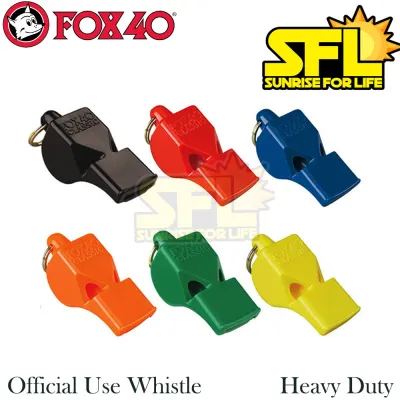
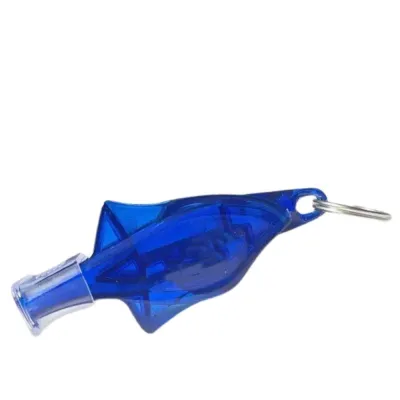
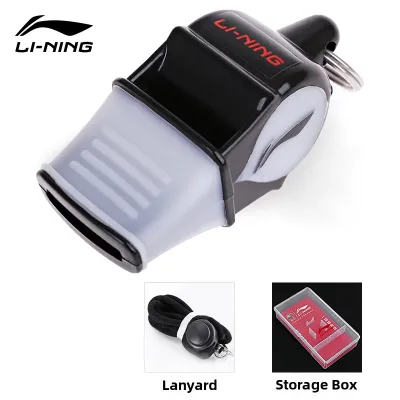
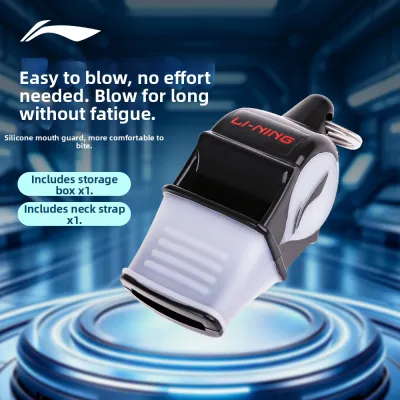
Prices are valid at publication and may change. Please refer to the product page for the latest price.
The ideal whistle design depends heavily on your specific role on the pitch:
- Referees: Require hands-free, high-frequency, piercing tones that can instantly cut through loud crowd noise, wind, and player chatter across a full-sized outdoor pitch.
- Coaches: Often prefer directional, robust designs that allow them to control training sessions, manage drills, and signal players while holding tactical boards, stopwatches, or clipboards.
Ultimately, a heavy-duty whistle must perform reliably without failing during critical match moments. If a referee blows a whistle to stop play for an injury or an offside call, the sound must be instantaneous and commanding. A split-second delay or a muffled tone due to equipment failure can lead to continued physical play, increasing the risk of player injury and undermining the official’s authority.
Why Tropical Pitch Conditions Demand Robust Whistle Designs
The tropical climate of the Philippines presents unique challenges for sports equipment, particularly on outdoor grass and artificial turf pitches. High humidity levels, intense solar radiation, and sudden heavy downpours during the monsoon season can quickly degrade inferior gear. When officiating or coaching in these environments, your whistle is constantly exposed to moisture from rain, sweat, and saliva, as well as high ambient temperatures.

Traditional “cork-pea” whistles, which rely on a small rolling ball inside the chamber to create a trilling sound, are highly susceptible to failure in tropical climates. When exposed to high humidity or heavy rain, the organic cork pea can absorb moisture and swell. Once swollen, the pea loses its round shape and sticks to the inner walls of the chamber. This prevents it from vibrating, resulting in a muffled hiss or a complete lack of sound when blown. Furthermore, the dark, damp interior of a wet pea whistle provides an ideal breeding ground for mold and bacteria, posing a hygiene risk over time.
To combat these issues, modern heavy-duty whistles utilize advanced pealess chamber designs and synthetic materials. These designs eliminate moving parts entirely, ensuring that moisture cannot jam the mechanism. Water drains instantly from the chambers, allowing the whistle to produce a clear, high-decibel blast even in the middle of a torrential downpour. Choosing a whistle designed to resist tropical moisture and heat is crucial for any sports official working in local conditions.
How to Choose the Right Whistle for Your Role on the Pitch
Selecting the perfect whistle requires evaluating several key performance dimensions to match your specific duties on the football field.
Sound Projection and Pitch The primary function of a whistle is to communicate across long distances. For a referee, the sound must carry across a standard 105-meter football pitch and rise above the noise of cheering spectators. Referees should look for high-frequency whistles (typically in the range of 3 to 4 kHz) that produce a sharp, piercing tone. This specific frequency range is highly effective at cutting through low-frequency ambient noise, such as crowd chatter and wind. Coaches, on the other hand, may prefer a slightly lower, more directional tone. This allows them to direct instructions to specific players or groups during training drills without deafening nearby athletes.
Ergonomics and Handling How you hold and deploy your whistle affects your efficiency and comfort during a match.
- Mouth-Held Designs: Referees who need to run dynamically while keeping their hands free to signal card offenses or note match incidents should opt for mouth-held whistles. These models often feature a cushioned mouth grip (CMG) made of thermoplastic elastomer, which protects the teeth and provides a secure grip even when running at high speeds.
- Finger-Grip Designs: These whistles feature an adjustable strap or bracket that slides onto the index and middle fingers. They are excellent for both active referees and coaches, keeping the whistle instantly accessible at the mouth without requiring a neck lanyard.
- Handheld and Lanyard Designs: Coaches holding tactical clipboards, stopwatches, or water bottles often prefer whistles attached to a secure lanyard. This keeps the whistle within reach around the neck, allowing it to be quickly raised to the mouth and dropped when not in use.
Material Verification Before purchasing a whistle, always verify the material specifications on the product label or manufacturer’s website. Look for high-impact ABS plastic or polycarbonate, which offer excellent impact resistance and will not crack when dropped on hard turf or concrete sidelines. Ensure that any mouth-contact surfaces are certified as non-toxic and BPA-free. Additionally, check for UV stabilizers in the plastic formulation; this prevents the material from becoming brittle and yellowing under the intense Philippine sun.
Recommended Heavy-Duty Whistle Designs for Local Conditions
To help you select the most reliable tool for your needs, we have categorized the main heavy-duty whistle designs based on their structural features and performance in tropical environments.
Pealess Chamber Whistles for Wet Weather
Pealess whistles are the gold standard for outdoor sports in wet climates. Instead of a cork pea, these whistles use precisely engineered air chambers to split the air stream as you blow, creating a high-frequency, harmonized sound wave. Because there are no moving parts, there is nothing to stick, jam, or wear out over time.
In heavy rain or high humidity, any water that enters the whistle is immediately blown out through the exhaust ports, ensuring consistent acoustic performance. Furthermore, pealess designs typically require less lung capacity to produce a loud blast, allowing fatigued referees to deliver a clear, commanding signal even in the final minutes of an intense match.
Finger-Grip and Ergonomic Designs for Active Coaching
For coaches and physical education teachers who need to multitask on the sidelines, finger-grip whistles offer unmatched convenience. These designs integrate the sound chamber into a low-profile body attached to an adjustable finger bracket.
By wearing the whistle on your fingers, you keep your hands completely free to hold training cones, write on tactical boards, or demonstrate physical movements to players. The secure fit ensures the whistle won’t slip off due to sweat, and the integrated construction makes these models highly durable against accidental drops and impacts.
High-Impact Polymer vs. Coated Metal Builds
When choosing between plastic and metal heavy-duty whistles, it is important to weigh the pros and cons of each material in a tropical climate.
| Material Type | Pros | Cons | Best Suited For |
|---|---|---|---|
| High-Impact Polymer (ABS/Polycarbonate) | Lightweight, rust-proof, does not conduct heat, comfortable to bite, affordable. | Can crack under extreme crushing force. | Active referees and coaches in hot, humid, or coastal environments. |
| Coated or Treated Metal | Virtually indestructible, premium feel, long lifespan. | Heavy, conducts heat in direct sunlight, can chip teeth if bumped, risk of corrosion if coating is damaged. | Coaches working primarily in shaded areas or mild weather; ceremonial use. |
For most football referees in the Philippines, high-impact polymers are the superior choice. They do not retain heat under the sun, making them much more comfortable to hold in the mouth during a daytime match. If you do choose a metal whistle, ensure it features a protective silicone or plastic mouthpiece cover to safeguard your teeth and lips.
Cleaning and Maintaining Your Whistle in Humid Weather
Proper maintenance is essential to prolong the lifespan of your heavy-duty whistle and ensure hygienic use, especially in the humid climate of the Philippines where bacteria and mold thrive.
Follow these simple, low-risk steps to keep your whistle in top condition:
- Rinse Immediately: After every match or training session, rinse your whistle thoroughly with clean, fresh water. This removes saliva, sweat, salt, and dirt that can build up inside the sound chambers.
- Deep Clean Weekly: Wash the whistle in a solution of warm water and mild dish soap. Use a small cotton swab or soft-bristled brush to gently clean the interior chambers and mouthpiece. Avoid using harsh chemical sterilizers, bleach, or boiling water unless explicitly permitted by the manufacturer's care instructions, as extreme heat can warp plastic chambers or melt cushioned rubber grips.
- Air-Dry Completely: After washing, shake out any excess water and place the whistle in a shaded, well-ventilated indoor area to dry. Do not leave the whistle to dry in direct sunlight or on a hot car dashboard, as extreme heat and UV exposure can degrade the polymer materials over time.
- Inspect the Lanyard: Regularly check your lanyard and attachment ring for signs of wear, fraying, or rust. If using a breakaway safety lanyard, test the release mechanism to ensure it functions correctly. Replace any damaged lanyards immediately to prevent losing your whistle on the pitch.
Frequently Asked Questions (FAQ)
How loud should a football referee whistle be?
A football referee whistle should typically have a sound level rating between 110 and 125 decibels (dB). This volume is necessary to ensure the signal carries across a full-sized outdoor pitch and can be heard over crowd noise and wind. However, the pitch (frequency) of the sound is often more important than raw volume alone. High-frequency tones (around 3 to 4 kHz) cut through ambient noise much more effectively, ensuring players register the signal instantly even if the overall volume is moderate.
Is a metal whistle safe to use in direct sunlight?
Using a bare metal whistle in direct tropical sunlight carries certain risks. Metal conducts heat rapidly, meaning the whistle can become uncomfortably hot to the touch and may even burn your lips or tongue during a daytime match. Additionally, metal whistles pose a higher risk of chipping your teeth if you are accidentally bumped by a player while running. If you prefer a metal whistle, look for models that include a protective silicone mouthpiece cover or a plastic-coated biting surface for safety and comfort.
How do I securely attach a whistle to a breakaway lanyard?
To attach your whistle safely, locate the metal split ring or attachment hole at the rear of the whistle body. Thread the lanyard’s clasp or loop through this ring, ensuring it does not block the air intake or exhaust vents of the sound chambers. A breakaway lanyard is highly recommended for referees and coaches; it features a safety clasp that automatically detaches under tension, preventing choking hazards if the lanyard is accidentally pulled or caught during physical activity on the pitch.
Community discussion
Share your experience or ask a question. Comments are reviewed before publication.