
Finding the right hoverboard as an adult in the Philippines requires balancing personal mobility needs with the unique challenges of local infrastructure. Unlike models designed for children, an adult-use hoverboard must handle heavier weight loads, navigate uneven road surfaces, and withstand tropical weather conditions. Whether you are looking to cut down your daily commute times in congested urban areas or simply want a fun, reliable ride for weekend recreation, understanding what to look for ensures you invest in a safe and durable device.
To make an informed decision, you must evaluate how your physical frame, riding environment, and typical travel distances align with a board’s technical specifications. From motor power and battery safety to wheel size and local regulations, this guide provides a comprehensive framework to help you select the ideal hoverboard for your lifestyle.
Defining Your Riding Needs: Commuting vs. Recreation
Before browsing online marketplaces or visiting local hobby shops, you must clearly define how and where you plan to ride. Adult hoverboard usage generally falls into two distinct categories: daily commuting and weekend recreation. Each pathway demands a different set of product features, and choosing the wrong type can lead to premature wear on the device or an uncomfortable, unsafe riding experience.
Products mentioned in this guide
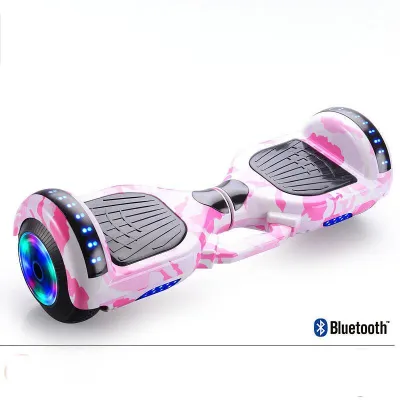
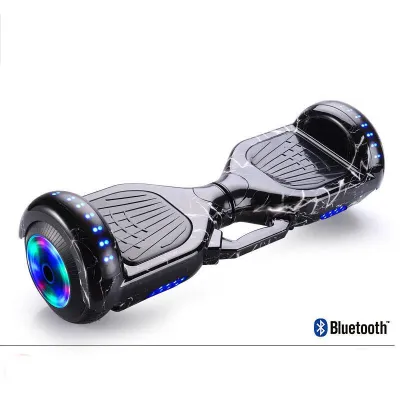
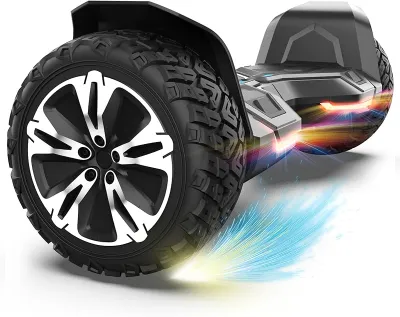

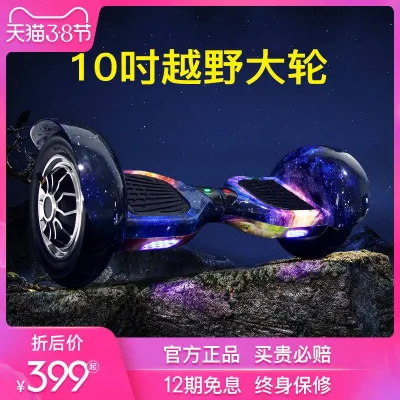
Prices are valid at publication and may change. Please refer to the product page for the latest price.
If your primary goal is commuting—such as bridging the gap between your home and the nearest LRT or MRT station—portability and predictable range are your top priorities. A commuting hoverboard needs to be light enough to carry up station stairs or store under an office desk, typically weighing between 10 and 12 kilograms. It should feature a sleek, compact frame and a battery system that reliably covers your daily round-trip distance on a single charge. For commuters, smooth pavement handling is usually sufficient, as most of your route will consist of sidewalks, concrete pathways, and tiled lobby floors.
Conversely, recreational riding focuses on stability, power, and versatility. If you plan to ride in local parks, suburban subdivisions, or on semi-paved gravel paths during the weekend, you require a rugged, off-road hoverboard. These models prioritize larger, deeply treaded tires and robust motors capable of handling grass, dirt, and uneven terrain. While they are significantly heavier and less convenient to carry over long distances, their wider decks and enhanced shock absorption provide the comfort needed for extended leisure sessions.
Your physical frame is another critical factor that separates adult hoverboards from youth models. Adult riders require a deck size that allows for a natural, shoulder-width stance to maintain balance and control. Furthermore, you must pay close attention to the manufacturer’s specified weight limit. While children’s boards often top out at 60 to 80 kilograms, adult-grade boards should support at least 100 to 120 kilograms. Operating a hoverboard near or above its maximum weight capacity strains the motors, drains the battery rapidly, and compromises the braking system, especially on inclines.
Finally, you must realistically assess the local riding environment in the Philippines. Urban streets and sidewalks in Metro Manila and other major cities are frequently characterized by cracked asphalt, high curbs, sudden transitions, and loose gravel. Additionally, the tropical climate introduces high humidity and sudden downpours. A commuter board with small wheels may struggle with these physical obstacles, whereas a recreational or hybrid board with larger wheels will offer the ground clearance and stability necessary to navigate unpredictable streets safely.
Core Specifications to Check Before Purchasing
When evaluating different hoverboard models, technical specifications serve as your primary tool for verifying performance and durability. Relying solely on promotional descriptions can result in a purchase that fails to meet your expectations. You must analyze three core technical areas: motor power, battery capacity, and wheel configuration.

Motor power directly influences how well the hoverboard handles your weight and the terrain. For adult riders, look for models equipped with dual motors (one in each wheel hub) with a combined output of at least 500 to 800 watts. A higher wattage does not simply mean a higher top speed; more importantly, it provides the torque required to carry an adult up inclines without stalling. If your daily route includes bridge ramps, driveway slopes, or hilly terrain, a board with insufficient motor power will struggle, overheat, or fail to maintain a safe, self-balancing posture.
Battery capacity determines both your riding range and the overall lifespan of the device. Most adult hoverboards utilize lithium-ion battery packs. When reviewing specifications, look for the watt-hour (Wh) or milliampere-hour (mAh) rating rather than relying on the manufacturer’s estimated range in kilometers. Manufacturer range estimates are typically calculated under ideal conditions—such as a lightweight rider on a perfectly flat, smooth indoor track. To estimate realistic real-world range for an adult rider on local streets, expect to achieve roughly 60% to 70% of the advertised maximum range. Additionally, verify that the charging time fits your daily routine; most standard batteries require two to four hours to reach a full charge.
Wheel size and tire type are the physical interface between your hoverboard and the ground, directly affecting ride quality and safety. Hoverboard wheels generally come in three standard sizes:
- 6.5-inch wheels: These are lightweight, highly maneuverable, and ideal for smooth, flat indoor surfaces or pristine outdoor pavements. However, they offer minimal ground clearance and transmit almost all road vibrations directly to your ankles and knees.
- 8-inch to 8.5-inch wheels: Often referred to as transition or hybrid wheels, these offer a balanced middle ground. They provide better stability over small cracks and uneven pavement while remaining relatively portable.
- 10-inch wheels: These are the standard for off-road and heavy-duty adult riding. They typically feature pneumatic (air-filled) tires that act as natural shock absorbers, offering a much smoother ride over rough roads, gravel, and grass.
The choice between solid rubber and pneumatic tires involves a clear trade-off. Solid tires are completely puncture-proof and require zero maintenance, making them highly convenient for daily commuters who cannot afford a flat tire on the way to work. However, they offer a stiffer, rougher ride. Pneumatic tires provide superior grip and cushioning on uneven Philippine roads, but they require regular pressure checks and are susceptible to punctures from sharp debris, nails, or glass.
Safety Certifications and Build Quality Verification
Safety must be your absolute priority when purchasing an adult hoverboard. Early generations of self-balancing boards gained notoriety for battery fires and electrical failures. Today, reputable manufacturers adhere to strict international safety standards, and you must know how to verify these certifications before making a purchase.
The most critical safety standard to look for is the UL 2272 certification. This standard specifically evaluates the electrical drive train system, including the battery, charger, and motor combination, to ensure they can withstand electrical and mechanical stress without catching fire or exploding. When shopping, do not take a seller’s word at face value. Look for the physical UL holographic label on the underside of the hoverboard itself, and verify that the charger carries its own safety marks, such as UL, CE, or FCC certifications. If a seller cannot provide proof of UL 2272 compliance, you should immediately remove that model from your consideration.
Beyond electrical safety, you must inspect the physical build quality of the board to ensure it can handle daily wear and tear. High-quality adult hoverboards feature a frame constructed from aircraft-grade aluminum alloy or high-impact polymers, rather than cheap, brittle plastics that can crack under heavy loads. Examine the deck grip; it should feature thick, deeply textured rubber pads that prevent your shoes from slipping, especially when damp.
Given the tropical climate of the Philippines, water and dust resistance are vital. Look for an Ingress Protection (IP) rating on the specification sheet. An IP54 rating is the standard benchmark for outdoor hoverboards, indicating that the device is protected against dust ingress and can withstand water splashes from any direction. While an IP54 rating means the board can handle a damp sidewalk or a light drizzle, it does not make the device waterproof. You must never submerge a hoverboard in water, ride through deep puddles, or operate it during heavy tropical downpours, as water entering the casing can permanently damage the electronics and void your warranty.
Be vigilant for red flags when browsing product listings. Common warning signs of low-quality or counterfeit products include missing technical specifications, generic brand names with no official website, and unrealistic performance claims—such as promising a 40-kilometer range on a cheap, lightweight board. Furthermore, avoid sellers who do not offer a clear warranty or those who provide vague details about after-sales support. A reputable brand will always stand behind its product with a structured warranty policy.
Building Your Shortlist and Pre-Purchase Checks
Once you understand your riding needs and the technical specifications required, you can begin building a shortlist of potential hoverboard models. To make an objective decision, create a simple comparison matrix. List your shortlisted models along one axis, and compare them across key dimensions: motor power, battery capacity, weight limit, wheel size, IP rating, and price. This structured approach prevents you from being swayed by flashy aesthetics or unnecessary features like built-in Bluetooth speakers, allowing you to focus on core performance and safety.
Before finalizing your purchase, you must verify the seller’s credibility and the availability of local support. Because hoverboards are complex electronic devices with moving parts, they will eventually require maintenance or replacement parts, such as new batteries, tires, or charging cables. Check if the brand or seller has an official service center or authorized repair partners in the Philippines, particularly in major urban centers like Metro Manila, Cebu, or Davao. Purchasing from a seller that offers local warranty fulfillment and stocks genuine replacement parts will save you significant time and expense if your board ever requires repairs.
Additionally, leverage the power of user reviews on local ecommerce platforms and online marketplaces. When reading reviews, look past the initial “out-of-the-box” impressions and search for feedback from users who have owned the hoverboard for several months. Pay close attention to recurring complaints regarding rapid battery degradation, motor overheating, or structural cracking. If multiple independent buyers report that the battery stops holding a charge after a few weeks, or that the customer support team is unresponsive to warranty claims, it is a strong indication that you should avoid that specific model or seller.
Finally, perform a physical check if you are purchasing from a brick-and-mortar retail store. Step onto the board to test its responsiveness and stability. Ensure the self-balancing sensors engage smoothly without jerking or vibrating excessively. Check the alignment of the wheels and inspect the outer casing for any gaps or loose screws that could compromise its dust and water resistance. Taking these extra steps before handing over your payment ensures you ride away with a reliable, high-performing vehicle.
Frequently Asked Questions (FAQ)
Are hoverboards legal to ride on public roads in the Philippines?
In the Philippines, personal mobility devices like hoverboards are generally restricted from major public highways and high-speed national roads for safety reasons. According to guidelines from the Land Transportation Office (LTO), low-speed electric vehicles and personal mobility devices are primarily permitted on private roads, inside residential subdivisions, on designated bicycle lanes, and on pedestrian sidewalks, provided you ride at a safe, walking-pace speed.
Because enforcement and specific rules can vary significantly across different municipalities, you should always check the local ordinances of your specific city or barangay. Many local government units in urban areas require riders to wear protective helmets and reflective gear, especially when riding near active traffic or during evening hours. Always yield to pedestrians and maintain a defensive riding posture to ensure your safety and the safety of those around you.
How do I maintain the battery to extend its lifespan?
To maximize the lifespan of your hoverboard’s lithium-ion battery, you must establish healthy charging habits. Avoid letting the battery drain completely to 0% before plugging it in; instead, try to charge the device once it drops to around 20% capacity. Once the charger’s indicator light turns green, indicating a full charge, unplug the device promptly. Leaving a hoverboard plugged into the charger indefinitely can lead to overcharging, which degrades the battery cells over time and increases safety risks.
Storage conditions are equally important, particularly in the hot and humid climate of the Philippines. Never store your hoverboard in direct sunlight, inside a hot parked car, or in damp, unventilated areas like outdoor utility sheds. Extreme heat accelerates chemical degradation within the battery, reducing its overall capacity and runtime. Store the device in a cool, dry, indoor environment, and if you plan to store it unused for an extended period, ensure the battery is charged to approximately 50% to 60% to prevent it from falling into a deep discharge state.
Community discussion
Share your experience or ask a question. Comments are reviewed before publication.