
Setting up a dedicated home boxing corner in the Philippines has become a popular way to maintain cardiovascular fitness, relieve stress, and sharpen self-defense skills without commuting through heavy traffic. While traditional hanging heavy bags are excellent for building raw power, they require sturdy overhead beams or heavy wall mounts that are often impractical for modern condominiums, townhouses, or rental properties. A freestanding punching dummy human offers a highly practical, floor-based alternative that provides a realistic anatomical target for practicing precise punching combinations. By mimicking the actual shape, head, and torso of an opponent, these training tools help you transition from mindless hitting to deliberate, tactical striking.
Finding the right setup requires balancing space constraints, noise levels, and equipment durability under local conditions. Because these units are a significant investment, understanding how different designs handle impact, stability, and tropical humidity is essential. This guide breaks down the core features, structural designs, and practical maintenance steps to help you choose the ideal training partner for your home.
Quick Guide: Matching the Dummy Type to Your Training Style
Selecting the right human punching dummy depends heavily on your current skill level, available floor space, and primary training goals. Different structural designs cater to distinct training styles, and choosing the wrong one can lead to frustration or unused equipment.
Products mentioned in this guide
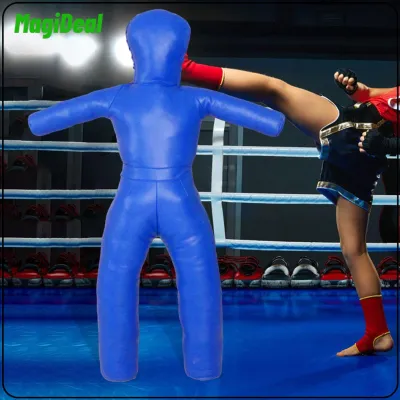
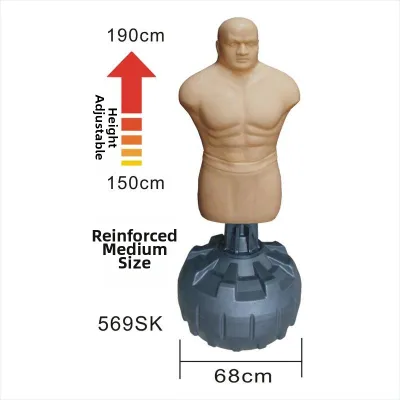
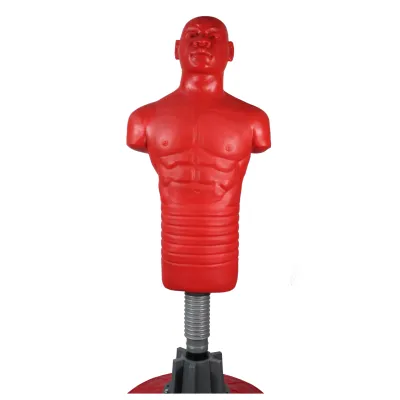
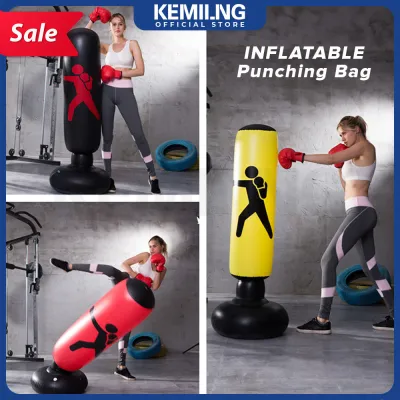
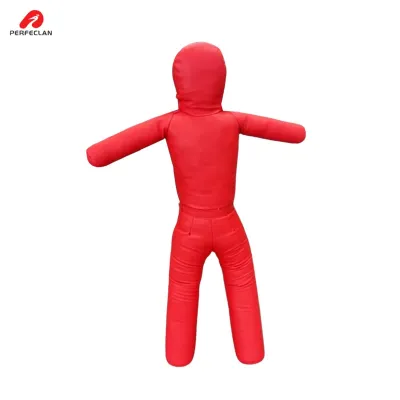
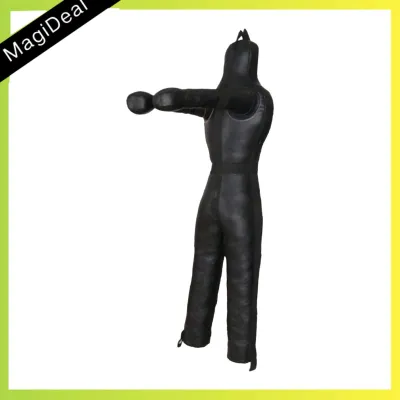
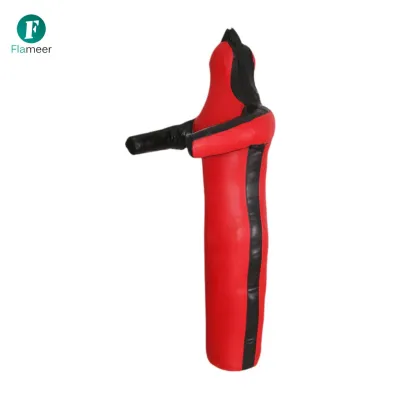
Prices are valid at publication and may change. Please refer to the product page for the latest price.
- The Precision Striker (Freestanding Full-Body Humanoid): Best for intermediate to advanced boxers who want to practice realistic anatomical targeting, such as uppercuts under the chin, hooks to the jaw, and liver shots. This design requires a dedicated space but offers the most realistic sparring simulation.
- The Speed and Agility Boxer (Spring-Loaded Rebound Dummy): Ideal for fitness enthusiasts and speed-focused martial artists who want to improve their reaction time, head movement, and slipping. The spring mechanism forces you to stay active and defensive.
- The Space-Constrained Boxer (Compact Half-Body Torso): Perfect for studio apartments or shared condos where floor space is limited. These units can be mounted to walls or stands, offering high space efficiency at the cost of mobility.
The primary trade-off in these designs lies between base stability and rebound speed. A heavy, sand-filled base provides maximum resistance against power shots but is incredibly difficult to move. Conversely, a lighter, spring-loaded setup rebounds quickly for speed drills but is prone to sliding or tipping under heavy power hooks.
Core Features to Evaluate for Realistic and Safe Striking
To ensure your investment stands up to intense workouts while protecting your joints from injury, you must evaluate three critical design dimensions: stability, material realism, and adjustability.

Base Fill and Stability: Water vs. Sand
The base is the foundation of any freestanding dummy, and how you fill it directly affects its stability during heavy combinations. Most bases are hollow plastic shells designed to be filled with either water or sand to create a heavy anchor.
Water is highly convenient to fill using a standard garden hose and simple to drain if you need to relocate the unit. However, water has a lower density than sand, meaning a water-filled base will be lighter overall and prone to sloshing or sliding across smooth tiled floors when hit with high-velocity hooks. Sand provides a significantly lower center of gravity and higher overall weight, making it highly stable. The main drawback of sand is the tedious filling process, as pouring dry sand through a narrow opening requires patience, and removing it later is exceptionally difficult.
Before purchasing, check the manufacturer’s specified maximum fill weight and base footprint. It is also vital to inspect the base seams and fill cap for quality, as a tiny crack can lead to slow leaks that can ruin laminate or hardwood flooring.
Torso Material and Impact Absorption
The outer skin and inner core of the dummy dictate how realistic your training feels and how well your joints are protected. High-quality human-shaped dummies typically feature an outer skin made of high-strength plastisol or thick, rubberized synthetic compounds, filled with high-density polyurethane foam.
This combination mimics the resistance of human muscle tissue, allowing your punches to sink in slightly before rebounding. Cheaper alternatives often use thin, rigid PVC or hollow blow-molded plastics that offer zero give, resulting in a harsh, jarring impact that can lead to wrist strain, elbow hyperextension, and shoulder fatigue. When selecting a dummy, verify the manufacturer’s material specifications and recommended glove weight. Harder synthetic skins demand heavier, highly padded gloves (such as 14 oz or 16 oz) and high-quality hand wraps to prevent joint fatigue.
Height Adjustability and Rebound Mechanics
Opponents come in all shapes and sizes, which is why height adjustability is a critical feature for a versatile home training setup. Most high-quality freestanding dummies feature an adjustable telescoping mast that allows you to raise or lower the torso, typically ranging from 150 cm to over 200 cm.
This adjustability is vital for practicing realistic punching angles; throwing a jab at a target set to your own eye level is vastly different from throwing a cross at a simulated taller opponent. The mechanism used to lock this height in place is equally important. Metal pin-lock systems, where a heavy-duty steel pin passes completely through the inner and outer poles, offer the highest level of security and prevent the torso from sliding down during heavy downward strikes. Twist-lock collars rely on friction and can gradually loosen under the constant vibration of daily training, requiring frequent manual retightening.
Top Punching Dummy Human Designs for Home Boxing Corners
Understanding the structural categories of human punching dummies helps you narrow down your choices based on your home layout and training preferences.
Freestanding Full-Body Humanoids
These are the classic, most recognizable human-shaped training partners on the market. They consist of a highly detailed, life-like head and torso—often extending down to the waist or hips—mounted on a wide, round plastic base.
The anatomical accuracy of these units is unmatched, allowing you to practice targeted strikes such as uppercuts under the chin, hooks to the jaw, temple strikes, and precise body shots to the liver or solar plexus. Because the base is round, you can easily circle the dummy, practicing footwork, angles, and lateral movement just as you would in a real sparring session.
The primary trade-off is the spatial footprint. These units require a dedicated area of your home, as the base typically has a diameter of 60 cm to 70 cm, and you need at least a meter of clear space all around it to move freely. They are best suited for spacious ground-floor rooms, garages, or covered patios where they do not need to be moved frequently.
Spring-Loaded Rebound Dummies
For boxers who want to focus on speed, rhythm, and defensive head movement, spring-loaded rebound dummies offer a dynamic alternative to static targets. These designs feature a human-shaped torso or a specialized head-and-torso target mounted on a high-tension steel spring pole, which connects to a weighted base.
When you strike the dummy, the spring flexes, causing the target to snap back toward you at high speed. This force-feedback mechanism replicates an opponent’s counter-movement, requiring you to slip, duck, roll, or step back immediately after throwing a punch. This style of training is exceptional for building hand-eye coordination, reaction time, and cardiovascular endurance.
However, because the unit is designed to swing and rebound, the base must be highly stable to prevent it from tipping over or sliding across the floor. Many models feature suction cups on the bottom of the base to grip smooth tiled surfaces, but these require clean, non-porous floors to function effectively.
Compact Half-Body Torsos
If you live in a compact studio apartment or a shared condo where floor space is at a premium, a compact half-body torso might be the most practical solution. These units consist of a waist-up human torso without a large, integrated floor base.
Instead, they are designed to be mounted directly to a solid concrete wall, strapped to an existing structural pillar, or hung from a heavy bag stand using heavy-duty chains. Some models are even designed to be laid flat on the floor for ground-and-pound MMA training. The primary benefit of a compact torso is its incredible space efficiency; when mounted to a wall, it takes up virtually zero floor space, allowing you to train in tight hallways or small balconies.
The limitation, however, is that wall-mounted units require professional installation into solid masonry or concrete walls to withstand the force of heavy punches. Attempting to mount these units to standard drywall or light wooden studs will result in severe structural damage to your home.
Optimizing Your Setup for Space, Flooring, and Local Climate
Integrating a heavy, impact-absorbing dummy into a typical Philippine home environment requires careful planning to protect your property, maintain good neighborly relations, and extend the lifespan of your equipment.
Managing Base Footprint and Floor Protection
Before purchasing a heavy human punching dummy, carefully measure your intended training area to ensure safe and comfortable movement. A common mistake is only measuring the diameter of the base itself, forgetting that boxing requires active footwork, slipping, and full arm extension.
You should aim for a minimum clearance zone of 1.5 meters around the entire dummy. This ensures that when you step back to slip a simulated punch or step out to throw a wide hook, you will not accidentally strike a wall, shatter a window, or trip over furniture. To protect your home’s flooring from the immense weight and constant friction of a filled base, always place a high-density rubber gym mat or interlocking EVA foam tiles beneath the unit. This mat acts as a protective barrier, preventing the hard plastic base from scratching ceramic tiles, denting hardwood, or tearing vinyl flooring.
Never drag a fully loaded base across the floor. Dragging can tear the protective mat, scratch your tiles, or damage the base’s bottom seams. Always empty the base first, or use a heavy-duty furniture dolly to relocate it safely.
Mitigating Noise and Vibration in Shared Spaces
Living in close proximity to neighbors in Philippine subdivisions, townhouses, or high-rise condominiums means that noise and vibration management must be a priority. When you land a heavy punch, the impact energy travels down the central mast and into the base, transmitting low-frequency vibrations directly into the concrete floor slab.
This thudding sound can easily travel through the building’s structure, disrupting neighbors living below or adjacent to you. To mitigate this impact noise, layer your floor protection. Placing a thick acoustic underlayment or specialized anti-vibration pads (similar to those used under heavy washing machines) beneath your rubber gym mat can significantly dampen the transmission of low-frequency vibrations. Additionally, out of respect for your community, it is highly recommended to schedule your high-intensity power training sessions during reasonable daytime hours, avoiding early mornings or late nights.
Handling High Humidity and Material Degradation
The tropical climate of the Philippines, characterized by high relative humidity and elevated temperatures, presents unique maintenance challenges for fitness equipment. When you train, sweat transfers from your gloves to the dummy’s synthetic skin.
Sweat contains salts, urea, and lactic acid, which can gradually degrade plastisol and rubberized coatings, causing them to become sticky, discolored, or brittle over time. Furthermore, the humid air combined with sweat residue creates an ideal breeding ground for mold, mildew, and bacteria, particularly in the deep crevices around the dummy’s nose, eyes, neck, and underarms.
To prevent this material degradation, establish a strict post-workout cleaning routine. Wipe down the entire torso with a damp microfiber cloth and a mild, non-abrasive, diluted soap solution after every training session. Avoid using harsh chemical solvents, bleach, or alcohol-based cleaners, as these can strip the protective oils from the synthetic skin, leading to premature cracking. Ensure the training area is well-ventilated, and keep the dummy out of direct sunlight to protect it from UV-induced brittleness.
Essential Safety Gear and Equipment Maintenance
While training on a human-shaped dummy is highly engaging, it is vital to remember that these units are structurally firmer and less forgiving than traditional canvas or leather heavy bags. The internal polyurethane foam is designed to maintain its shape under years of impact, meaning that striking the dummy’s head or chest transfers a high amount of shock directly back into your hands, wrists, and elbows.
To prevent painful joint injuries, micro-fractures, or wrist sprains, never strike a human dummy with bare hands. Always wrap your hands securely with high-quality, semi-elastic Mexican-style hand wraps to support your wrist joints and protect your knuckles. Pair these wraps with properly padded boxing gloves. For general fitness and technical training, a minimum glove weight of 12 oz is recommended for lighter individuals, while 14 oz or 16 oz gloves are essential for heavier strikers to provide adequate shock absorption.
In addition to personal safety gear, maintaining the structural integrity of your equipment is crucial for long-term safety. Before every session, perform a quick visual inspection of the dummy. Ensure that the height-adjustment locking pin is fully engaged and that the collar is tightly secured. Striking a dummy with a loose locking mechanism can cause the torso to suddenly collapse downward, leading to a missed punch and potential wrist hyperextension.
Periodically check the base fill levels; water can slowly evaporate over several months in hot tropical weather, while sand can settle and compact, slightly altering the dummy’s center of gravity. If you notice any deep cracks or tears developing in the synthetic skin, address them immediately with specialized vinyl repair adhesives to prevent the internal foam from absorbing moisture and crumbling. Always refer to the manufacturer’s care and maintenance manual for specific guidelines tailored to your model.
Frequently Asked Questions (FAQ)
Can I leave my punching dummy outside or on a balcony?
No, standard human punching dummies are not designed for outdoor exposure. The tropical sun in the Philippines will quickly degrade the outer material through UV exposure, making it brittle and prone to splitting. Rain can seep into the height-adjustment collar, rusting internal metal springs or poles, and creating a breeding ground for mold inside the hollow parts of the torso. Keep your dummy indoors or in a fully covered, dry garage.
Is a water-filled base stable enough for heavy power punches?
Water is highly convenient to fill and empty, but it is less dense than sand. A water-filled base may slide or tilt slightly when hit with heavy power hooks or kicks. For heavy power training, sand is highly recommended because it provides a lower center of gravity and superior stability. If you must use water, consider placing the base on a high-grip rubber mat to reduce sliding, and verify the manufacturer’s maximum impact rating.
Do I need to wear boxing gloves when hitting a human dummy?
Yes, wearing boxing gloves is mandatory. The synthetic skin and underlying foam of a human punching dummy are dense and unforgiving. Striking the dummy bare-knuckle or with thin MMA gloves can easily cause skin abrasions, sprained wrists, and knuckle bruising. Always wrap your hands securely and use well-padded boxing gloves (12 oz to 16 oz) to protect your joints.
Community discussion
Share your experience or ask a question. Comments are reviewed before publication.