
Selecting the right recovery gear is crucial when managing sports-related neck injuries, such as strains from sudden movements in basketball or impact trauma from martial arts. An ice ring neck product provides targeted, hands-free cold therapy that conforms to the cervical spine, offering a more practical and effective solution than standard flat ice packs. By wrapping around the neck, these specialized collars deliver consistent cooling directly to the affected muscles, helping to accelerate recovery and manage pain.
To find the most suitable product, you must evaluate key factors such as cooling technology, fit, and material safety. Different recovery stages require specific cooling profiles, ranging from deep-freezing gel collars for acute swelling to gentle phase-change materials for prolonged wear. Understanding these differences allows you to choose a device that matches your recovery needs while protecting your skin from thermal damage.
How Cold Therapy and Neck Ice Rings Relieve Strains
Localized cold therapy, or cryotherapy, is a well-established method for managing acute sports injuries. When you sustain a neck strain or ligament sprain, the body initiates an inflammatory response, resulting in localized swelling, heat, and pain. Applying cold therapy induces vasoconstriction, which is the narrowing of blood vessels in the treated area. This process limits blood flow, reduces acute inflammation, and helps prevent secondary hypoxic injury, which occurs when surrounding healthy cells suffer from a lack of oxygen due to localized swelling. Additionally, cold temperatures slow down nerve conduction velocity, temporarily numbing the local nerve endings to provide rapid pain relief.
Products mentioned in this guide
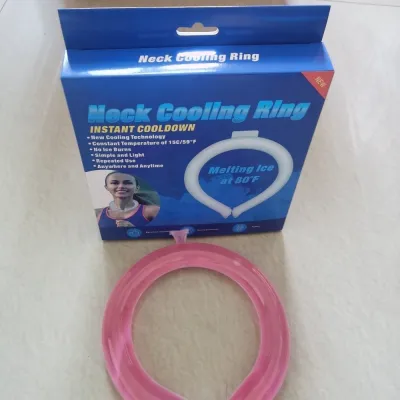
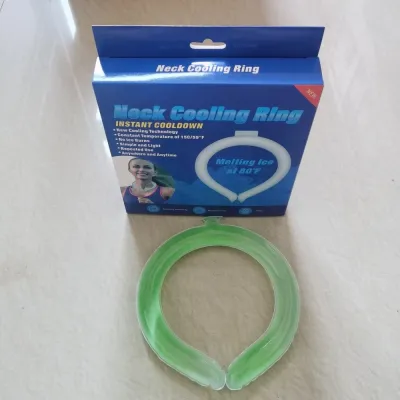
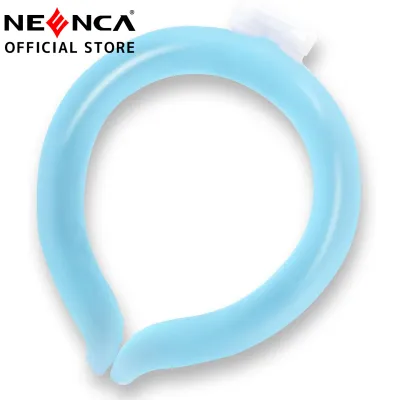
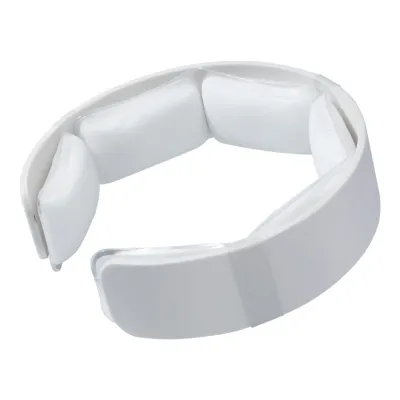
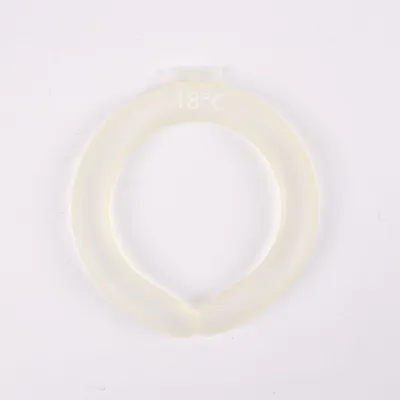
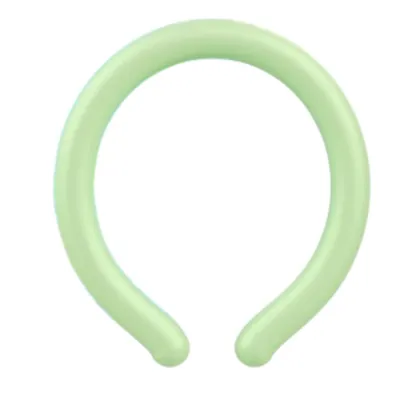
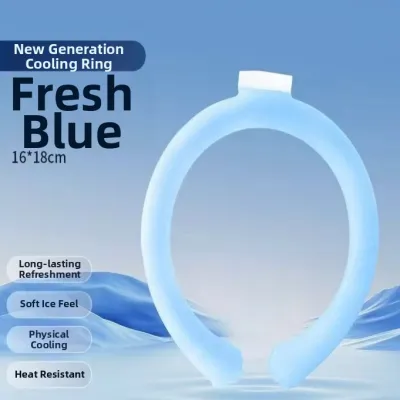
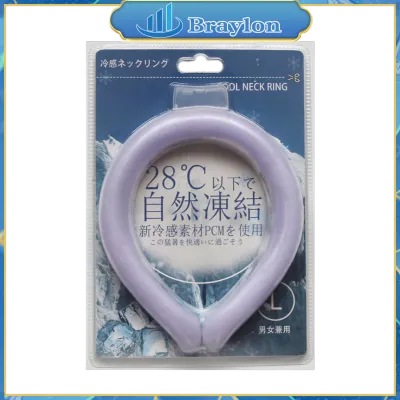
Prices are valid at publication and may change. Please refer to the product page for the latest price.
The anatomy of the human neck requires a specialized application method. The cervical spine is surrounded by highly sensitive nerves, major blood vessels, and complex muscle groups like the trapezius and sternocleidomastoid. Standard flat ice packs are rigid and heavy, making them prone to slipping off the curved neck area. They also require you to hold them in place, which can cause unnecessary muscle tension in your shoulders. An ice ring neck design solves this issue by providing 360-degree contouring. It cradles the cervical spine, ensuring continuous, uniform contact with the skin even while you are sitting upright or resting.
It is important to distinguish between acute sports trauma and chronic muscle soreness when using cold therapy. Acute trauma, such as whiplash from contact sports or a sudden muscle tear during training, involves active tissue damage and rapid swelling. Cold therapy is highly effective during this initial phase, which typically lasts 48 to 72 hours, because it actively suppresses inflammation. In contrast, chronic muscle stiffness or long-standing tightness from poor posture is better addressed with heat therapy, which relaxes tight muscle fibers and promotes blood flow to promote healing.
What to Look for in a Recovery Ice Ring Neck
In tropical climates where ambient temperatures frequently exceed 30°C, cooling duration and temperature stability are critical factors. When browsing options, verify the manufacturer’s specified active cooling duration on the product label. Some basic neck rings only maintain their target temperature for 15 to 20 minutes in hot weather, while high-performance models can sustain therapeutic cold for up to an hour. Ensure the product is designed to maintain a safe, stable temperature rather than dropping to extreme sub-zero levels, which can cause ice burns or frostbite on the delicate skin of the neck.

An ergonomic fit is essential to ensure both safety and comfort during recovery. A neck ring must fit snugly enough to transfer cold effectively, but it should never restrict your breathing or compress the carotid arteries. Before purchasing, measure your neck circumference and compare it against the manufacturer’s sizing chart. Look for products that feature adjustable hook-and-loop straps, contoured neck grooves, or highly flexible materials that bend easily when frozen. A well-fitting collar allows you to undergo recovery sessions hands-free while sitting comfortably.
Skin safety and structural integrity are paramount when selecting a device that contacts your skin directly. Ensure the outer material is non-toxic, hypoallergenic, and completely BPA-free. Look for double-sealed seams to prevent internal chemical gels or phase-change liquids from leaking during use. Additionally, high-humidity environments can cause significant condensation on cold surfaces. Choosing an ice ring that includes a soft, removable fabric sleeve helps absorb moisture and acts as a protective barrier to prevent direct, freezing contact with your skin.
Best Ice Ring Neck Designs for Different Injury Stages
Gel-Filled Ice Collars
Gel-filled ice collars are the traditional choice for acute injury management. These products contain a specialized gel formulation that retains deep, intense cold for extended periods. Unlike solid ice, high-quality gel remains somewhat flexible even when frozen, allowing the collar to mold closely to the cervical spine’s contours.
The primary use case for a gel-filled collar is immediate post-injury application. If you experience sudden swelling, sharp pain, or localized heat after a hard fall or collision on the field, the intense cold of a gel collar is highly effective at arresting the inflammatory cascade. It provides the rapid temperature drop needed to constrict blood vessels and numb sharp pain quickly.
However, gel collars have distinct limitations. They require access to a freezer to reach their therapeutic temperature, making them less convenient for outdoor tournaments or travel. Additionally, because they can drop well below freezing, they carry a higher risk of frostbite and must always be used with a protective fabric sleeve or towel barrier.
Phase Change Material (PCM) Neck Rings
Phase Change Material (PCM) neck rings represent a modern advancement in thermoregulation. These rings utilize a specialized substance that solidifies and melts at specific, controlled temperatures—typically around 18°C (64°F) or 28°C (82°F). As the PCM absorbs body heat, it changes state from a solid to a liquid, maintaining a constant, mild cooling temperature throughout the process.
The standout feature of PCM technology is its ease of activation. It does not require a freezer; instead, it can be rapidly solidified by placing it in ice water, a refrigerator, or even in front of an air conditioner for a short period. Because the material does not drop below freezing, it eliminates the risk of frostbite, making it exceptionally safe for direct, prolonged contact with the delicate neck skin.
PCM neck rings are ideal for the sub-acute and chronic stages of recovery, prolonged travel to away games, or managing lingering, low-grade inflammation during daily activities. While they do not provide the aggressive, deep-freezing sensation of a gel pack, their safety, portability, and sweat-free design make them highly practical for continuous use in warm climates.
Crushed Ice or Water-Filled Adjustable Wraps
For athletes who prefer traditional methods, fillable wraps designed to hold real crushed ice or cold water offer a highly customizable recovery option. These wraps feature a waterproof pocket or bladder that you fill manually, secured around the neck with adjustable compression straps.
The primary advantage of using real ice is its unmatched cooling capacity. Real melting ice provides an aggressive, rapid drop in tissue temperature, which is highly beneficial immediately after a severe muscle strain. Furthermore, the adjustable compression straps allow you to control the exact tightness of the wrap, driving the cold deeper into specific trigger points or strained muscle fibers along the cervical spine.
The main trade-off of this design is convenience and mess. As the ice melts, condensation can build up rapidly, and any minor puncture or loose cap can lead to leaks. They also have a shorter cooling duration compared to sealed gel packs, requiring a constant supply of fresh ice, which may not always be readily available at every sports venue.
Safe Usage Guidelines for Neck Ice Therapy
To maximize the benefits of cold therapy while protecting your vascular and nervous systems, always adhere to the 15 to 20-minute application rule. Leaving an ice ring on for longer does not speed up recovery; instead, it can trigger a rebound effect where the body forces blood back to the area to protect the tissue, worsening swelling. After removing the ice ring, wait at least one hour before reapplying. This interval allows the local skin and muscle tissues to return to normal temperature and undergo essential blood reperfusion.
Pay close attention to your body’s signals during a cold therapy session. If you experience extreme numbness, a burning sensation, or if your skin turns unusually white, blue, or blotchy, remove the ice ring immediately. These are clear indicators of localized tissue distress or impending frostbite. Increased or throbbing pain during application is also a sign that the temperature is too low or that the pressure of the collar is compressing a sensitive nerve.
Cold therapy is not suitable for everyone or every injury. Never apply an ice ring over open wounds, abrasions, or areas with active skin infections. It is strictly contraindicated for individuals with compromised peripheral circulation, severe cardiovascular issues, sensory neuropathies (which prevent you from feeling tissue damage), or conditions like cold urticaria (an allergic reaction to cold). If you have a history of circulatory disorders, consult a medical professional before starting any cold therapy regimen.
While minor muscle strains can be managed at home, certain symptoms require immediate medical evaluation. Stop self-treatment and consult a sports medicine specialist, orthopedist, or physical therapist if your neck pain is accompanied by radiating numbness, tingling, or weakness down your arms or fingers. Dizziness, headaches, nausea, difficulty swallowing, or a severely restricted range of motion that does not improve after 48 hours are critical warning signs of a more severe cervical spine injury, such as a herniated disc or ligamentous instability, which cannot be resolved by cold therapy alone.
Frequently Asked Questions (FAQ)
Can I sleep with an ice ring neck on?
No, you should never sleep while wearing any type of neck ice ring or cold pack. When you are asleep, your body cannot register sensory warning signs of tissue damage, such as extreme numbness or burning sensations. Prolonged, unmonitored cold exposure over several hours can lead to severe frostbite, nerve damage, or localized tissue necrosis. Additionally, shifting during sleep could cause the collar to compress your airway or major blood vessels in the neck, posing a serious safety hazard. Always remove the cooling device before going to bed.
How often should I apply cold therapy for a sports-related neck strain?
During the acute phase of a sports-related neck strain—typically the first 48 to 72 hours following the injury—you should apply the ice ring for 15 to 20 minutes every 2 to 3 hours. This frequency helps keep localized swelling and acute inflammation under control. As the sharp pain and swelling begin to subside, you can gradually reduce the frequency to 2 or 3 times a day, eventually transitioning to heat or contrast therapy to help restore flexibility and promote tissue healing.
Is heat or ice better for chronic neck stiffness after a sports injury?
For chronic, ongoing neck stiffness that persists long after the initial sports injury has healed, heat therapy is generally more effective than ice. While ice is essential for reducing acute inflammation and swelling in new injuries, it can actually cause tight, stiff muscles to contract further. Heat therapy, such as a warm compress or heating pad, helps dilate blood vessels, increase blood circulation, and deliver oxygen and nutrients to stiff tissues. This relaxes tight muscle fibers, eases spasms, and improves overall range of motion.
Community discussion
Share your experience or ask a question. Comments are reviewed before publication.