
Choosing the right Kastking fishing reel in the Philippines requires a clear understanding of where you plan to cast your line. The diverse aquatic landscapes of the country offer incredible opportunities, from casting light lures for Snakehead in freshwater lakes to battling powerful Trevally along coastal reefs. However, the environment you choose dictates the mechanical demands placed on your fishing gear. Selecting a reel that matches your specific fishing environment is the most critical decision you will make to ensure long-term performance and prevent premature gear failure.
For freshwater anglers targeting species in inland lakes and rivers, the focus is on lightweight construction, casting precision, and high sensitivity. Conversely, saltwater and brackish water environments demand heavy-duty corrosion resistance, robust sealing technologies, and high drag capacities to withstand both the corrosive nature of salt and the explosive power of marine predators. Understanding these differences allows you to select a Kastking reel that not only performs flawlessly on the water but also survives the harsh, humid tropical climate of the Philippines.
Why Environment Matters: Freshwater vs. Saltwater Reel Requirements
The physical and chemical differences between freshwater and saltwater environments have a profound impact on the longevity and performance of a fishing reel. Saltwater is highly corrosive, containing dissolved salts that accelerate the oxidation of metals. When saltwater evaporates, it leaves behind microscopic salt crystals. If these crystals form inside your reel, they act like sandpaper, grinding down gears, bearings, and internal components with every turn of the handle. To combat this, saltwater reels require specialized materials and construction techniques, including sealed ball bearings, anti-corrosion coatings, and components made from stainless steel, anodized aluminum, or marine-grade alloys.
Products mentioned in this guide
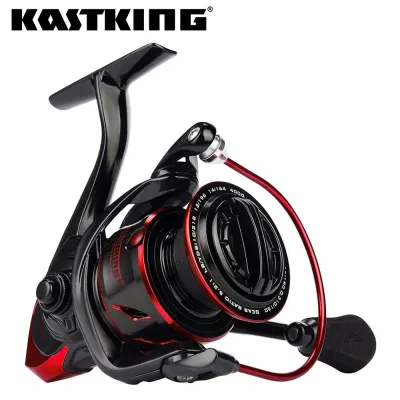
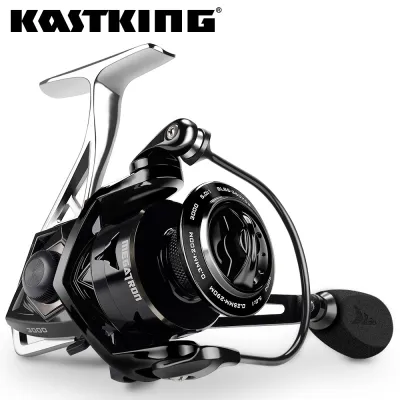
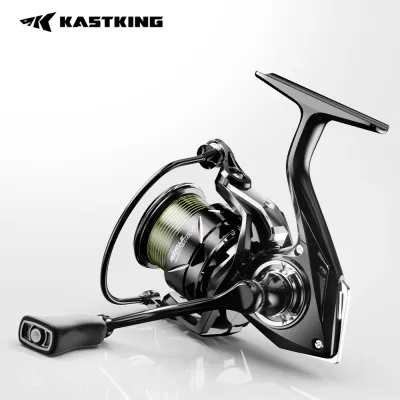
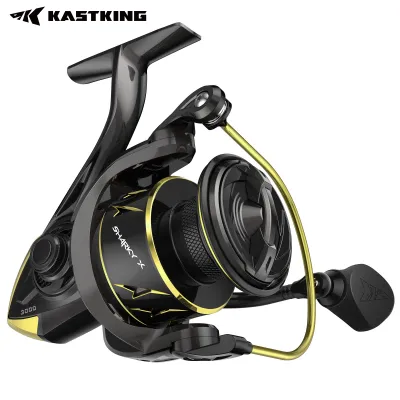
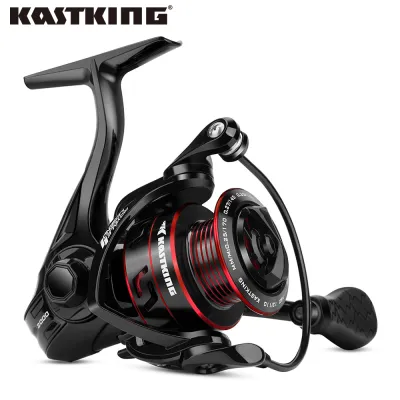
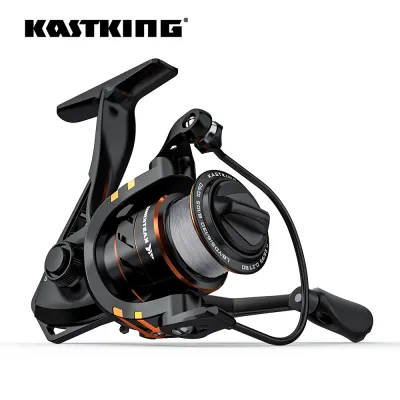
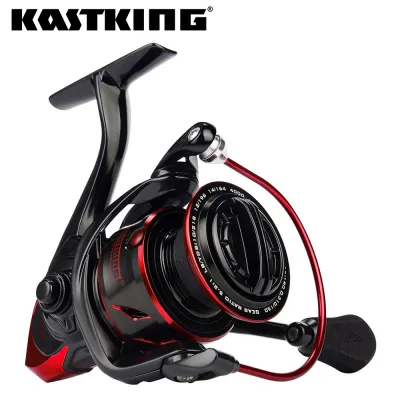
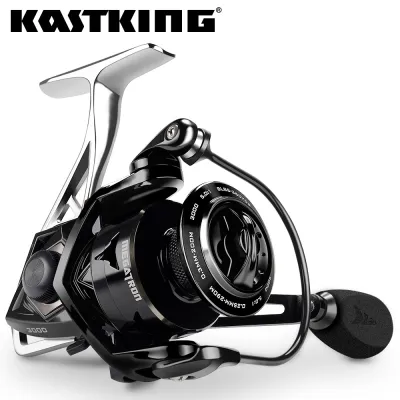
Prices are valid at publication and may change. Please refer to the product page for the latest price.
In contrast, freshwater environments do not present the same corrosive threat. This allows manufacturers to prioritize other performance characteristics, such as reducing the overall weight of the reel. Freshwater reels often utilize advanced carbon fiber composites or lightweight graphite for their frames and rotors. This lightweight construction reduces angler fatigue during long days of casting and increases sensitivity, allowing you to feel the faintest nibbles from wary freshwater fish. Additionally, freshwater fishing frequently relies on high gear ratios for rapid lure retrieval, which is less critical than raw cranking power in many saltwater scenarios.
Furthermore, the tropical climate of the Philippines introduces unique environmental challenges that affect both freshwater and saltwater gear. High relative humidity and frequent rainfall can trap moisture inside a reel’s housing, even if it never comes into direct contact with saltwater. This trapped moisture can lead to internal condensation, accelerating wear and causing galvanic corrosion where different metals meet. Therefore, understanding the environmental rating of your reel is essential for protecting your investment, regardless of whether you fish in landlocked reservoirs or coastal bays.
How to Match Kastking Reel Specs to Your Target Species and Location
To find the perfect Kastking reel, you must match its technical specifications to your target species and the specific locations you plan to fish. The first specification to consider is the maximum drag power. Drag is the braking system that allows a fish to pull line off the spool under tension, preventing the line from snapping. When targeting local freshwater species like Tilapia or Snakehead (locally known as dalag) in lakes or ponds, a moderate drag power of 4 kg to 6 kg is typically sufficient. These species fight hard but generally do not make long, sustained runs. However, if you are fishing inshore saltwater areas for aggressive predators like Bluefin Trevally (talakitok) or Mangrove Snapper (mangagat), you will need a robust drag system capable of delivering 8 kg to 12 kg of pressure to stop these fish from diving into sharp coral or mangrove roots.

Gear ratio is another critical specification that determines the speed of your retrieve. The gear ratio indicates how many times the spool spins for every single turn of the handle. For example, a high gear ratio of 7.2:1 or 8.1:1 retrieves line very quickly, making it ideal for working topwater lures or quickly pulling a fish out of thick vegetation, such as the water hyacinths common in Laguna de Bay. Conversely, a lower gear ratio like 5.2:1 or 5.8:1 provides more cranking power, or torque. This is highly beneficial when retrieving deep-diving crankbaits or when you need to muscle a heavy saltwater fish up from deep water.
Spool and line capacity must also be carefully matched to your fishing venue. In shallow, weed-choked freshwater ponds, you may use lighter braided lines, allowing you to opt for a smaller reel size with a shallower spool. In contrast, fishing around coastal mangrove snags requires thick, abrasion-resistant braided lines. These thicker lines take up more space, requiring a reel with a larger spool capacity to ensure you do not run out of line during a long fight.
Before purchasing any reel, always verify the manufacturer’s explicit environmental ratings on the product packaging or official specification sheet. Do not assume a reel is saltwater-safe simply because it has stainless steel components. True saltwater compatibility requires specialized sealing systems that prevent water intrusion into the gear gearbox and drag stack.
Top Kastking Reel Features and Series for Freshwater Lakes and Rivers
When selecting a Kastking reel for freshwater lakes, reservoirs, and rivers, look for features that enhance casting accuracy, sensitivity, and overall comfort during extended use. Lightweight spinning reels and precision baitcasting reels are the primary choices for freshwater anglers. These reels allow for precise lure placement near submerged structures, fallen trees, and weed beds where freshwater predators love to hide.
A key feature to look for in a freshwater reel is a smooth, multi-disc drag system. Kastking utilizes carbon fiber drag washers in many of its freshwater models, which provide consistent, smooth pressure without jerking. This smoothness is critical when using light monofilament or fluorocarbon lines, as any sudden hesitation in the drag can cause the line to snap when a fish surges. Additionally, a lightweight carbon fiber or high-strength graphite frame helps keep the overall weight of your setup low, allowing you to cast repeatedly without experiencing wrist or arm fatigue.
Several Kastking series are highly suited for freshwater applications in the Philippines. The Kastking Zephyr series, for instance, is designed specifically for Bait Finesse System (BFS) fishing. This style of fishing uses ultra-light lures and thin lines to target wary fish, making it perfect for highly pressured local lakes. Another excellent option is the Kastking Crixus baitcasting series, which offers a great balance of affordability, smooth performance, and reliable drag. For spinning reel enthusiasts, the Kastking Spartacus II spinning reel provides a lightweight design and smooth retrieve that excels when casting lightweight lures for Tilapia or local perch.
While these freshwater-focused reels offer outstanding performance and value, they have clear limitations. Most freshwater models lack the comprehensive rubber sealing gaskets and specialized anti-corrosion treatments found on dedicated saltwater reels. While they can easily survive occasional splashes of freshwater or rain, they are not designed to withstand prolonged exposure to saltwater or brackish environments. Using these reels in the ocean will quickly lead to bearing failure and gear corrosion.
Best Kastking Reel Features and Series for Saltwater and Inshore Coasts
Saltwater and inshore coastal fishing in the Philippines place extreme demands on your tackle. To survive the harsh marine environment and the powerful fish that inhabit it, a reel must be engineered with corrosion-resistant materials, advanced sealing technologies, and heavy-duty internal components. When shopping for a saltwater Kastking reel, look for models that feature fully sealed bodies and drag systems, which prevent corrosive saltwater from reaching the delicate internal gears.
Kastking addresses these demands by incorporating specialized sealing technologies, such as their Intrusion Shield System (K.I.S.S.), which utilizes precision-placed rubber O-rings to block water entry. Additionally, saltwater reels require dual-shielded stainless steel ball bearings to ensure smooth operation even when exposed to salt spray. The internal gears must also be robust, often constructed from high-tensile brass or aluminum alloys to handle the immense pressure of fighting large saltwater species like Barracuda, Queenfish, or Trevally.
For coastal and inshore fishing, the Kastking Sharky III spinning reel is a highly popular and reliable choice. It features a water-resistant design with a sealed spool, body, and rotor, making it highly capable of handling the splash and spray of saltwater environments. For anglers who prefer baitcasting reels in brackish or inshore waters, the Kastking Kapstan Elite saltwater baitcasting reel offers massive line capacity, a powerful drag system, and a corrosion-resistant frame designed specifically for heavy-duty coastal fishing. Another robust option is the Kastking Megatron spinning reel, which features a rigid aluminum alloy frame that eliminates body flex under heavy loads, providing maximum cranking power when fighting stubborn bottom fish.
However, choosing a heavy-duty saltwater reel involves certain trade-offs. The addition of metal frames, robust brass gears, and rubber sealing gaskets inevitably increases the overall weight of the reel. This extra weight can make casting for hours more tiring compared to using an ultra-light freshwater reel. Additionally, the advanced engineering and materials required for saltwater protection generally result in a higher retail price. Despite these trade-offs, investing in a properly sealed, saltwater-rated reel is essential if you want your gear to survive the demanding coastal conditions of the Philippines.
Post-Trip Care: Protecting Your Reel from Salt and Tropical Humidity
Proper post-trip maintenance is the single most effective way to prolong the lifespan of your Kastking reel, especially in the hot, humid, and salty conditions of the Philippines. Even the most advanced saltwater-rated reels require regular care to prevent salt buildup and corrosion. Neglecting maintenance after a day on the water can lead to stiff gears, noisy bearings, and a ruined drag system within a matter of weeks.
The first step in post-trip care is a thorough but gentle rinse. Before rinsing, always tighten the drag knob completely. This compresses the drag washers and prevents fresh water from seeping into the drag stack, which can wash away essential grease. Use a gentle, low-pressure spray of fresh water to rinse the entire reel, paying close attention to the spool, line roller, handle joints, and bail assembly. Never use a high-pressure hose or submerge the reel completely in water. High-pressure water can force salt, sand, and moisture past the rubber seals and deep into the internal gear chamber, causing severe damage.
After rinsing, dry the reel thoroughly using a clean, dry microfiber cloth. Once the exterior is dry, back off the drag knob completely. Leaving the drag tightened during storage compresses the carbon or felt washers, which can cause them to lose their elasticity and smoothness over time. Store your reel in a cool, dry, and well-ventilated area. Avoid storing reels in airtight plastic containers or damp tackle bags, as the trapped tropical humidity can create a greenhouse effect, accelerating corrosion on any exposed metal parts.
For basic maintenance, apply a single drop of specialized reel oil to the external moving parts, such as the line roller bearing, handle knobs, and the bail hinge mechanism, after every few trips. However, avoid opening the main gear body or attempting to service the internal gears yourself unless you are experienced and have the correct tools. For internal cleaning, gear greasing, or warranty-protected repairs, it is always best to consult the manufacturer’s manual or seek the services of a qualified local reel technician.
Where to Buy Authentic Kastking Reels in the Philippines
To ensure you are getting a genuine Kastking reel with a valid warranty, it is crucial to purchase from authorized sources. The popularity of the brand has led to an increase in counterfeit products and unauthorized gray-market imports in the Philippine market. Buying a fake reel not only results in poor performance but also deprives you of any customer support or replacement parts if the reel fails.
The safest way to purchase an authentic Kastking reel is through official brand stores on major online marketplaces or authorized local outdoor and fishing tackle retailers. When shopping online, look for stores with official mall badges or those explicitly listed as authorized distributors on Kastking’s official website. Always verify the exact model number, check the seller’s ratings, and read customer reviews to ensure other local anglers have had positive experiences with the seller.
Price is also a major indicator of authenticity. While Kastking is known for offering high-value, affordable reels, prices that seem unrealistically low are a major red flag. In the Philippines, genuine entry-level Kastking freshwater reels typically start around ₱1,500 to ₱2,500, while specialized saltwater spinning and baitcasting reels generally range from ₱2,500 to over ₱5,000. If you see a high-end model listed for an extremely low price, such as ₱500, it is highly likely to be a counterfeit or outdated, unsupported stock. Investing a bit more to buy from a reputable source ensures you receive a high-quality, durable product backed by reliable customer service.
Frequently Asked Questions (FAQ)
Can I use a freshwater Kastking reel in saltwater occasionally?
While it is physically possible to use a freshwater reel in saltwater, it is highly discouraged due to the extreme risk of rapid corrosion. If you must use a freshwater reel in brackish or saltwater, you must perform an immediate, thorough freshwater rinse and dry the reel completely right after your trip. However, even with meticulous cleaning, non-saltwater-rated reels lack the necessary seals, and salt spray can easily penetrate the internal gear chamber, leading to permanent damage over time.
What is the ideal gear ratio for fishing in Philippine lakes?
For most Philippine freshwater lakes, a versatile gear ratio between 6.2:1 and 7.2:1 is ideal. This range provides a great balance of retrieval speed and cranking power, allowing you to effectively fish a wide variety of lures, including soft plastics, spinners, and topwater frogs. If you specialize in fast-moving topwater lures, a higher ratio like 8.1:1 can help you retrieve slack line quickly, while a lower ratio like 5.4:1 is better for deep-diving crankbaits.
How often should I service my Kastking reel in a tropical climate?
In a hot and humid tropical climate, you should perform a basic external rinse and dry after every single fishing trip. For active anglers who fish once or twice a week, a more thorough inspection, including cleaning the line roller and applying light oil to external bearings, should be done every two to three months. A full internal service, which involves opening the gear case to clean and re-grease the main gears, should be done annually or immediately if the reel is accidentally submerged in water or dropped in sand. Always refer to the manufacturer’s specific service guidelines to maintain your warranty.
Community discussion
Share your experience or ask a question. Comments are reviewed before publication.