
Keeping your child comfortable, dry, and warm after a swim is a priority for any parent, especially with the active beach culture and frequent pool days in the Philippines. A swimming towel poncho offers a hands-free, wearable alternative to standard flat towels, allowing children to dry off while remaining free to play, walk, or rest. These garments combine the absorbency of a towel with the coverage of a hooded robe, making them highly practical for island-hopping trips, swimming lessons, and backyard pool sessions.
Finding the right poncho requires balancing fabric performance, size, and the challenges of a humid tropical climate. A poorly chosen towel can remain damp for hours, leading to musty smells, or it can be a tripping hazard for an active toddler. By focusing on material properties, secure closures, and accurate dimensions, you can select a poncho that keeps your child comfortable and makes post-swim transitions seamless.
Quick Guide: Key Features to Look for in a Kids' Towel Poncho
When shopping for a kids’ swimming towel poncho on local e-commerce platforms, several critical factors determine how well the garment will perform in daily use.
Products mentioned in this guide
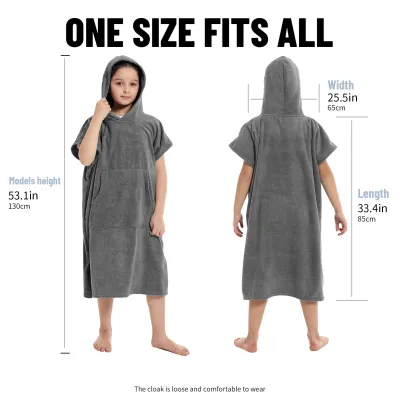
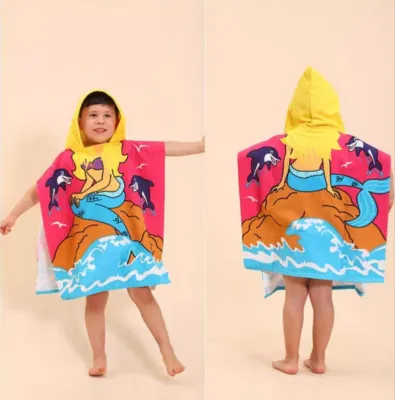
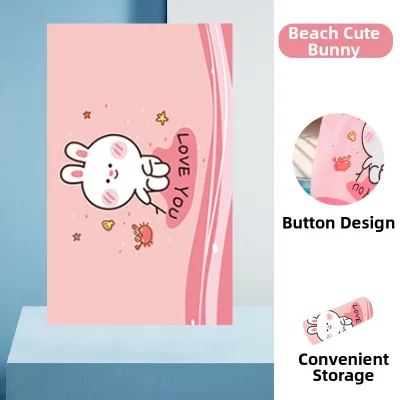
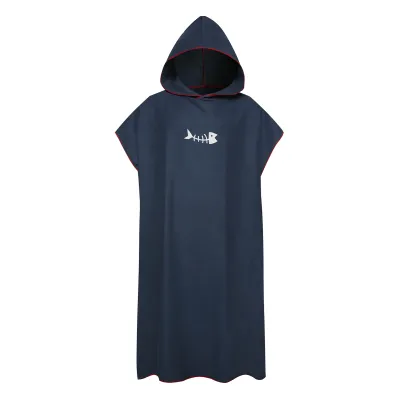
Prices are valid at publication and may change. Please refer to the product page for the latest price.
- Material Type: Microfiber offers rapid drying and compact packing, making it ideal for travel. Cotton terry cloth provides superior plushness and warmth, which is excellent for sensitive skin or air-conditioned indoor pools.
- Accurate Sizing: Choose a poncho based on your child's current height rather than their age. The hem should sit between the knees and mid-calf to provide coverage without dragging on wet ground.
- Hood and Closures: A wide hood helps dry wet hair quickly and shields the neck from the sun. Side snaps or buttons are essential to keep the poncho secure on active children.
- Tropical Climate Adaptation: In the high humidity of the Philippines, fabrics that dry slowly can quickly develop mold or sour odors. Prioritize lightweight weaves or high-quality microfiber if you lack access to a clothes dryer.
- Verification Checklist: Before finalizing your purchase, verify the product dimensions (shoulder-to-hem length), check for reinforced double-stitching along the seams, and confirm the closure type (plastic snaps vs. open sides) to ensure a secure fit.
How to Choose the Perfect Swimming Towel Poncho for Your Child
Selecting the ideal poncho involves matching the garment’s technical specifications to your child’s activities and physical build. A poncho used for a quick backyard swim has different requirements than one packed for a multi-day beach trip in Batangas or Boracay.

Material and Absorbency
The fabric composition is the most significant factor affecting both comfort and drying speed. Microfiber is a synthetic material, typically a blend of polyester and nylon, designed with split fibers that create a massive surface area. This structure allows microfiber to pull moisture away from the skin through capillary action, drying up to four times faster than standard cotton. It packs down incredibly small, making it the preferred choice for family beach bags where space is limited. However, some children dislike the slightly grabby texture of microfiber against dry skin.
Cotton and terry cloth, on the other hand, are natural fibers that absorb moisture directly into the core of the yarn. This creates a plush, highly cushioned feel that provides immediate warmth when a child steps out of a cool pool. The trade-off is weight and bulk. Cotton ponchos absorb a significant amount of water, becoming heavy when wet, and they require much longer to dry in humid weather. When evaluating listings, check the fabric weight, often measured in grams per square meter (GSM). A GSM of 250 to 350 is typical for lightweight microfiber, while cotton options usually range from 400 to 600 GSM.
Sizing and Fit
To find the correct size, do not rely solely on age labels like “medium” or “ages 4-6,” as children’s growth rates vary widely. Instead, use a flexible measuring tape to determine your child’s shoulder-to-hem distance. Measure from the top of the shoulder down to the mid-calf. This length ensures the poncho provides adequate coverage for changing or keeping warm, while remaining short enough to prevent tripping.
Shoulder width is also important. The poncho should drape naturally over the shoulders without restricting arm movement. If the poncho is too wide, the armholes may sag, exposing the torso; if it is too narrow, your child will struggle to pull it on and off independently. For active play on the sand, a slightly narrower, knee-length cut is preferable to prevent the fabric from catching on obstacles.
Water Safety Warning: Never allow a child to wear a towel poncho while in the water or near deep pools. A wet poncho becomes extremely heavy, can restrict arm and leg movement, and poses a severe drowning risk. Equipment cannot replace active adult supervision and water safety training.
Design and Security Features
The physical design of the poncho affects how well it stays on during movement. Standard open-sided ponchos are essentially flat towels with a head hole. While easy to slip on, they can easily blow open in a sea breeze or slide off when a child runs. Look for models featuring side snaps, buttons, or sewn-in armholes that keep the front and back panels joined.
A front kangaroo pocket is highly functional, giving children a warm place to tuck their hands or store small items like goggles. The hood should be spacious enough to accommodate wet, thick hair without pulling the collar tight against the throat. Some premium designs feature adjustable drawstrings on the hood, though these should be used with caution on younger children to avoid snagging hazards.
Climate and Activity Context
The tropical climate of the Philippines demands careful consideration of drying times. High relative humidity slows down evaporation, meaning heavy cotton towels hung outdoors can remain damp overnight. If your family swims frequently or travels often, look for lightweight, quick-drying fabrics that can dry completely on a balcony or clothesline between swim sessions. For indoor swim schools or air-conditioned pool areas, a thicker cotton option is better suited to prevent shivering after exiting the water.
Top Picks: Best Swimming Towel Ponchos by Category
To help you navigate the options available on online marketplaces, we have categorized the top styles of swimming towel ponchos based on common use cases, materials, and children’s needs.
Best for Quick Drying and Travel (Microfiber Options)
For families who love beach trips, island hopping, or swimming lessons several times a week, microfiber ponchos are highly efficient. These options are characterized by their thin profile, lightweight feel, and ability to pack down to the size of a small notebook.
A typical high-quality microfiber poncho in the local market features a smooth, suede-like texture. Because they do not have the looped fibers of traditional towels, they do not trap sand, allowing you to shake off debris easily before packing. These ponchos dry incredibly fast under the tropical sun, often within thirty to forty-five minutes when hung in a well-ventilated area.
The primary limitation of microfiber is its sensory feel. It does not offer the thick, cozy warmth of cotton, and some children may find the synthetic texture unusual at first. Additionally, low-quality microfiber can sometimes bleed dye during the first few washes.
- Before You Buy Checklist:
- Verify the fabric composition (look for an 80% polyester and 20% polyamide blend for optimal absorbency).
- Check the seam stitching; microfiber edges should be bound with overlock stitching to prevent fraying.
- Confirm the weight of the poncho to ensure it is lightweight enough for travel.
Best for Comfort and Sensitive Skin (Cotton and Terry Cloth Options)
If your child has sensitive skin, eczema, or simply prefers a plush, cozy feel after a swim, a 100% cotton or cotton-blend terry cloth poncho is the ideal choice. These ponchos replicate the feel of a premium bath towel, offering excellent warmth and a soft touch.
Cotton fibers are naturally hypoallergenic and gentle on delicate skin. They excel at absorbing residual water quickly, wrapping the child in a thick layer of insulation that protects against cold breezes or air-conditioned indoor spaces. These are perfect for post-bath use at home or after formal swim coaching sessions.
However, cotton ponchos are significantly bulkier than microfiber. They will take up substantial space in your beach bag and, when wet, become quite heavy. In humid conditions, they require a sunny, breezy spot or a machine dryer to dry completely, otherwise they run the risk of developing a sour, musty smell.
- Before You Buy Checklist:
- Read the care label to check for potential shrinkage, as pure cotton can shrink if washed in hot water or dried on high heat.
- Look for combed cotton or low-twist terry cloth, which maintains its softness even after multiple washes in hard water.
- Ensure the fabric weight is appropriate (around 400 GSM strikes a good balance between plushness and drying time).
Best for Toddlers and Active Kids (Secure Fit Options)
Toddlers and younger children rarely sit still after swimming. They want to run, build sandcastles, and explore, which makes a standard, loose towel poncho impractical. For this age group, secure-fit options with functional closures are essential.
These ponchos are designed with side snaps, buttons, or even full-length front zippers that transform the towel into a secure pullover shirt. This prevents the poncho from sliding off, twisting around the neck, or dragging in the sand while the child plays. Some designs feature dedicated armholes rather than open sides, providing a more structured fit.
An easy on-and-off mechanism is highly beneficial for parents dealing with wet, squirming toddlers. Side snaps allow you to lay the poncho flat, place your child on top, and snap it closed around them in seconds.
The main drawback to watch for is the durability of the closures. Plastic snaps can crack or pull through the fabric if handled roughly, while metal snaps may rust over time if exposed to saltwater and not rinsed thoroughly.
- Before You Buy Checklist:
- Inspect user reviews for comments on the durability of the snaps or zippers.
- Choose plastic snaps made from heavy-duty polyacetal (POM) resin, which resists saltwater corrosion.
- Ensure the armholes are wide enough to allow easy movement without chafing the underarms.
Best for Extended Beach Days (Extra Coverage and Sun Protection)
When spending long hours on the beach or by an outdoor pool, protecting your child’s skin from prolonged sun exposure is a major concern. Ponchos designed for extended coverage offer longer cuts, wider hoods, and sometimes specialized fabric treatments.
A long-cut poncho typically extends down to the lower calves or ankles, providing maximum coverage from both the sun and cool winds. The wide, structured hood acts like a built-in sun hat, shielding the face, ears, and back of the neck during peak sun hours. This style is particularly popular for older children and teenagers who want privacy while changing out of wet swimwear on the beach.
Some manufacturers claim their fabrics offer Ultraviolet Protection Factor (UPF) ratings, such as UPF 50+. It is crucial to verify these claims on the official product packaging or manufacturer specifications, rather than assuming all fabrics block UV rays equally. Remember that wet fabric generally provides less UV protection than dry fabric.
- Before You Buy Checklist:
- Check the product description for verified UPF certifications if sun protection is your primary goal.
- Ensure the extra length does not interfere with walking; for safety, avoid ankle-length cuts for younger children who are still prone to tripping.
- Look for lightweight, breathable weaves that prevent the child from overheating while covered.
Care and Maintenance: Keeping Ponchos Fresh in Humid Weather
Proper care is essential to maintain the absorbency, softness, and hygiene of your child’s towel poncho, especially in a warm, humid environment where bacteria and mold thrive.
Washing Guidelines
Always check the manufacturer’s care label before washing, as different fabrics require distinct care routines. If instructions conflict, defer to the specific garment’s label.
For microfiber ponchos, avoid using fabric softeners or dryer sheets. Fabric softeners leave a thin, waxy chemical coating on the synthetic fibers, clogging the split channels that trap water and drastically reducing the fabric’s absorbency. Wash microfiber with a mild detergent in cold or warm water. Avoid high heat during washing or drying, as excessive heat can melt the fine synthetic fibers, causing them to become stiff and scratchy.
For cotton ponchos, you can use standard detergents and warm water to ensure thorough cleaning. However, to maintain softness over time, avoid overusing detergent, which can build up in the cotton fibers and make them feel stiff. If the poncho becomes stiff, running a wash cycle with half a cup of white vinegar instead of fabric softener can help strip away mineral and detergent buildup.
Drying Strategies
In the humid climate of the Philippines, drying towels thoroughly can be a challenge. Hanging a damp poncho in a dark, poorly ventilated bathroom is a recipe for musty odors and mildew growth.
After washing, hang the poncho in a well-ventilated area with plenty of air circulation. An outdoor clothesline exposed to indirect sunlight and a natural breeze is ideal. If drying indoors, place the clothes rack near a window, an electric fan, or an air conditioner vent to speed up evaporation. If the care label allows machine drying, tumble dry cotton ponchos on medium heat and microfiber ponchos on low heat. Ensure the garment is completely dry to the touch before folding and storing.
Storage Advice
Never leave a damp towel poncho balled up inside a plastic beach bag, swim bag, or car trunk for extended periods. The dark, warm, and moist environment inside a sealed bag accelerates the growth of mold and mildew, which can ruin the fabric and cause persistent odors.
Instead, use breathable mesh bags to transport wet ponchos home from the pool or beach. Once home, immediately unpack the wet gear and hang it up to dry or place it directly in the washing machine. Store clean, dry ponchos in a cool, dry wardrobe or drawer away from direct humidity.
Sand Removal
Sand particles easily get trapped in the looped fibers of cotton terry cloth or the dense weave of microfiber. Washing a sand-filled poncho can transfer sand to your washing machine, potentially damaging the appliance’s pump or drum over time.
To remove sand safely, let the poncho dry completely first. Once dry, take the garment outdoors and shake it vigorously to dislodge loose particles. For stubborn sand trapped in terry cloth loops, rub a dry microfiber cloth or your hand firmly across the fabric surface to pull the grains free before placing the poncho in the wash.
Frequently Asked Questions (FAQ)
Can a swimming towel poncho replace a regular bath towel?
While a swimming towel poncho is highly convenient for drying off and staying warm at the beach or pool, it is generally not a complete replacement for a standard bath towel at home. Ponchos are designed for hands-free wear and torso coverage, which makes drying the lower legs, feet, and hard-to-reach areas awkward while wearing the garment. For daily home baths, a traditional rectangular towel remains more efficient for full-body drying, while the poncho is best reserved as a wearable cover-up, transition garment, or travel accessory.
What size towel poncho should I buy for a growing child?
It is highly recommended to buy a poncho based on your child’s current height rather than purchasing an oversized version for them to grow into. A poncho that is too large will hang too low, causing the hem to drag on wet ground, collect dirt, and absorb dirty pool water. More importantly, an excessively long poncho poses a serious tripping hazard, especially when a child is running on wet, slippery pool decks or uneven sand. Look for brands that offer specific, narrow size brackets or provide clear height recommendations.
How do I prevent a microfiber poncho from losing its absorbency?
To keep a microfiber poncho absorbing water effectively, you must avoid fabric softeners, bleach, and high-heat drying. Fabric softeners coat the microscopic synthetic fibers with a water-repellent film, while bleach can degrade the polyester and nylon structure. Always wash microfiber with standard liquid detergent, rinse thoroughly, and air dry. If you must use a dryer, select a low-heat, delicate cycle. If the poncho accidentally loses its absorbency due to softener buildup, wash it once or twice with warm water and a cup of white vinegar to strip the residue away.
Community discussion
Share your experience or ask a question. Comments are reviewed before publication.