
Planning a family day at one of the Philippines’ spectacular beaches—whether along the wide, sandy stretches of Zambales, the breezy shores of La Union, or the pristine coastlines of Boracay—offers the perfect opportunity to fly a kite. However, choosing the wrong gear can quickly turn a fun afternoon into a frustrating struggle against the elements. For most families, a parafoil (frameless) kite is the overall best choice due to its extreme durability, safety, and compact packability. If you are flying in lighter, gentler breezes, a classic delta kite is an excellent alternative that launches with minimal effort. Whether you want a simple pocket-sized foil or are searching for a specialized cultural import like a traditional kite vietnam kite design, matching your gear to local coastal conditions is the key to a successful flight.
To ensure your family beach outing is filled with high-flying success rather than tangled lines and broken frames, you need to understand how coastal winds behave, which kite designs perform best in those conditions, and how to select durable materials that can withstand the salty tropical air.
Understanding Philippine Coastal Wind Conditions for Kite Flying
Flying a kite on a Philippine beach is vastly different from flying one in an inland park. Coastal areas are governed by dynamic wind systems that shift throughout the year and even throughout the day. Understanding these patterns will help you choose the right time to unpack your gear and ensure that younger family members can maintain control of their kites without getting pulled along the sand.
Products mentioned in this guide
![[deveodo] Kids Adults 3D Kite Easy to Fly Heavy Duty Outdoor Beach Park Lawn Beginner-friendly Family Toddlers Boys Girls Colorful Grids Flying Kite Toy](https://img.lazcdn.com/g/p/80c574bb3bc5e715570afaf05a80ea92.jpg_400x400q80.jpg_.webp)
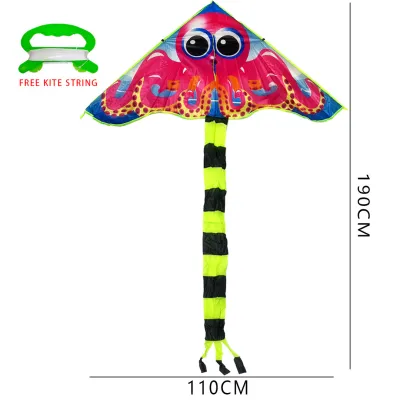
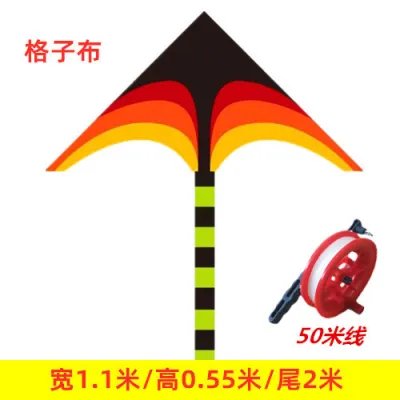
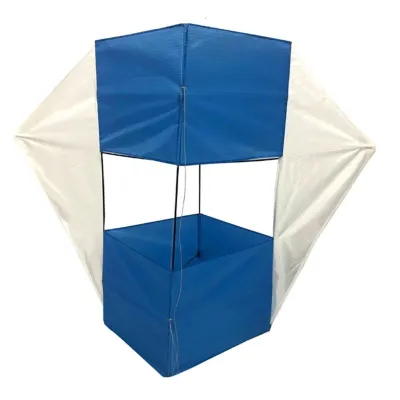
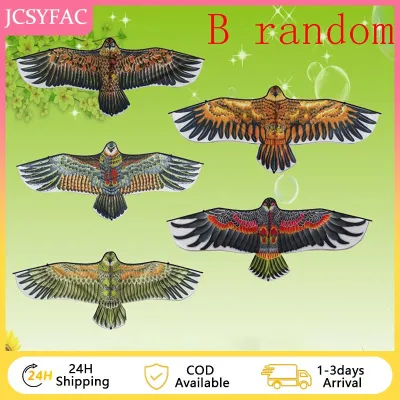
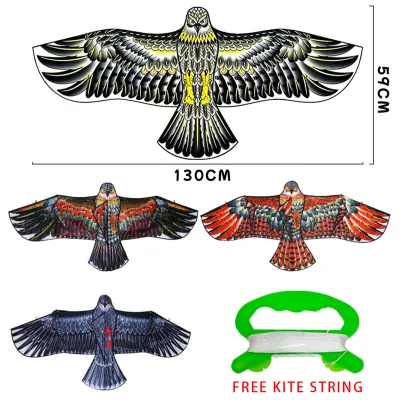
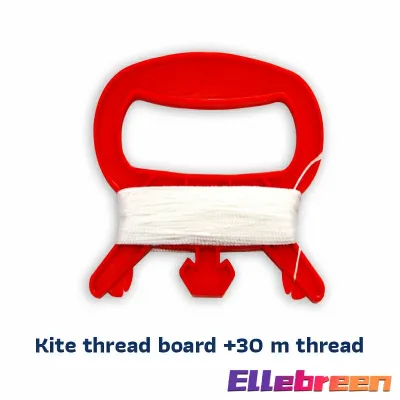
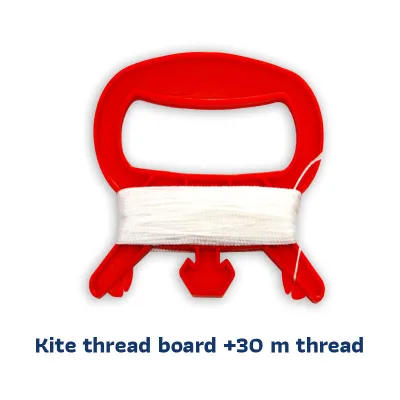
Prices are valid at publication and may change. Please refer to the product page for the latest price.
The archipelago’s weather is dominated by two major seasonal wind patterns: the Amihan (northeast monsoon) and the Habagat (southwest monsoon). The Amihan, which typically runs from November to April, brings cool, steady, and predictable breezes that are ideal for kite flying. The Habagat, active from June to October, brings warmer, highly humid air that is often accompanied by sudden, powerful thermal gusts. Even on a clear summer day, the temperature difference between the hot beach sand and the cooler ocean water creates localized thermal winds. These winds can start as a gentle breeze in the morning and escalate into strong, gusty onshore winds by mid-afternoon.
For a safe and enjoyable family outing, it is helpful to categorize coastal winds into two general types:
- Light to Moderate Breezes: These are gentle, steady winds where you can feel the breeze on your face and see small waves forming. These conditions are perfect for lightweight, framed kites that require maximum lift to stay airborne.
- Strong Coastal Winds: These are brisk winds that kick up sand, create whitecaps on the water, and cause large beach umbrellas to flutter aggressively. In these conditions, kites experience high drag and strong pull, which can easily overpower a young child or snap a rigid frame.
Instead of relying solely on digital wind speed apps, the best way to assess the flying environment is to observe your immediate surroundings. Look at the coconut palm trees along the shore: if only the tips of the fronds are moving, you are experiencing a light breeze. If the entire frond is swaying and beach flags are flying completely horizontal, the wind is strong. Always check these natural indicators before launching to ensure the wind is suitable for your family’s skill level and equipment.
Top Kite Types for Family Beach Fun
Different kite designs handle coastal winds in unique ways. Selecting the right shape and structure ensures that every family member, from toddlers to grandparents, can enjoy the thrill of keeping a kite aloft.

Delta and Diamond Kites: The Classic Choices for Beginners
Delta (triangular) and diamond kites are the quintessential shapes that most people picture when they think of kite flying. The wide, triangular wing of a delta kite acts much like a glider, generating exceptional lift even in light, gentle breezes. This makes them incredibly easy to launch; often, you only need to hold the kite up to the wind and let out the line to watch it soar.
These kites are highly visually appealing, often featuring long, colorful tails that dance in the air, which younger children love. They are simple to assemble, typically requiring you to insert just one or two spreader bars across the back of the frame.
However, framed kites have distinct limitations on the beach. The rigid spine and spreader bars—usually made of fiberglass or wood—must withstand sudden, heavy gusts. If a strong gust slams a delta kite nose-first into hard-packed wet sand, the frame can easily snap or splinter. They require careful handling during transport and assembly to avoid losing or damaging the essential frame pieces.
Parafoil and Soft Kites: Wind-Resistant and Travel-Friendly
If you want a stress-free experience on a windy beach, parafoil and soft kites are highly recommended. These kites feature a completely frameless design inspired by modern paragliders. Instead of relying on rigid rods to hold their shape, they consist of fabric pockets or “cells” that inflate with wind as soon as they are lifted into the air.
This frameless construction gives parafoils an incredible advantage in variable coastal winds. Because there are no rigid spars to break, a parafoil can survive countless high-speed crashes onto the sand without sustaining any damage. If a sudden thermal gust collapses the kite, it will simply drift down safely and can be relaunched immediately once the wind catches it again.
For families, soft kites offer unmatched safety and convenience. There are no sharp fiberglass rods that could cause injury during a sudden crash in a crowded beach area. Furthermore, because they contain no frame, they can be rolled up into a tiny, lightweight pouch that easily fits into a beach bag, backpack, or glove compartment, leaving plenty of room for towels, snacks, and sunblock.
Vietnamese-Style and Traditional Kites: Exploring the Kite Vietnam Kite Appeal
For families looking for a unique aesthetic that stands out on the shoreline, traditional regional designs are a fascinating option. In particular, the traditional kite vietnam kite style—often associated with hand-crafted bamboo frames, vibrant hand-painted silk, or soft-body configurations—has gained popularity among outdoor enthusiasts. Many of these traditional designs, such as the Vietnamese sáo diều (flute kite), carry deep cultural heritage and are designed to produce beautiful, atmospheric whistling sounds as they fly.
These kites offer a striking visual display and serve as an excellent educational tool for older children interested in aerodynamics and craftsmanship. Watching a beautifully crafted, traditional imported kite glide gracefully against a tropical sunset is a truly memorable experience.
However, flying these specialized traditional designs requires a bit more preparation and patience than a standard commercial parafoil. Because they often utilize natural materials like bamboo and silk, they are more sensitive to moisture and sudden, heavy impacts. They perform best in steady, moderate winds and may require precise adjustments to the bridle lines to maintain balance. If you choose to fly a traditional regional kite, it is best handled by older children or adults who can carefully manage the line tension and protect the delicate craftsmanship from rough surf.
Key Features to Look for in a Family Beach Kite
When shopping for a beach kite, look past the bright colors and examine the construction details. A well-built kite will withstand the abrasive sand, salty air, and high humidity of the Philippine coastline, providing years of family fun.
- Materials: Prioritize kites constructed from high-quality ripstop nylon or ripstop polyester. These fabrics feature a reinforced grid pattern that prevents small punctures—such as those caused by dry beach grass or twigs—from tearing open under wind pressure. Ripstop materials are also highly water-resistant, meaning they won't absorb heavy sea spray and will dry quickly in the sun. Avoid cheap paper or thin plastic kites; they degrade rapidly when exposed to humidity and salty sea breeze.
- Frame Construction: If you choose a framed kite, look for flexible fiberglass rods. Fiberglass is highly forgiving, bending easily under pressure without snapping. Avoid cheap wood dowels, which break easily, and be cautious with carbon fiber frames. While carbon fiber is exceptionally lightweight and stiff, it is expensive and can splinter into sharp, hazardous fibers if shattered on wet sand.
- Line and Spool: A robust, comfortable line system is essential for controlling your kite. Opt for braided polyester or Dacron line with a strength rating appropriate for the kite's size (typically 50 to 100 pounds for standard family kites). Ensure the kite comes with an ergonomic hoop winder or a smooth-running plastic reel that allows you to wind the line quickly without tangles. Never use nylon fishing line or metallic, glass-coated string. Fishing line stretches too much, is difficult to see, and can cause severe friction burns or deep cuts. Glass-coated or metallic strings are extremely dangerous hazards to beachgoers and wildlife, and can conduct electricity if they contact power lines.
- Size and Portability: For family outings, medium-sized kites with a wingspan of 1 to 1.5 meters are the ideal sweet spot. Kites smaller than one meter tend to flutter erratically and are difficult to keep stable in coastal winds. Conversely, large kites (over two meters) generate immense aerodynamic pull, making them difficult and potentially dangerous for young children to hold.
Essential Beach Kite Flying Tips and Safety Rules
To ensure a safe, fun, and hassle-free day on the shore, follow these practical launching techniques and safety guidelines tailored for beach environments.
The Long-Line Launch Method
Avoid the common mistake of running along the hot sand to launch a kite. Running is exhausting, dangerous on uneven beach terrain, and usually results in the kite crashing. Instead, use the highly effective “long-line launch”:
- Stand with your back directly to the wind.
- Have a family member hold the kite and walk downwind, letting out 20 to 30 meters of line.
- The helper should hold the kite up by its edges, letting the wind catch the sail.
- On your signal, the helper gently releases the kite into the air while you pull back steadily on the line to create tension. The kite will climb smoothly into the sky.
Sand and Saltwater Care
Salty air and fine sand are highly abrasive to kite fabrics and lines. After a day at the beach, take a few minutes to maintain your gear:
- Shake out the sand: Before packing, thoroughly shake out any sand from the air cells of parafoil kites or the frame pockets of delta kites.
- Freshwater rinse: Once home, rinse the kite fabric and the flying line with clean, fresh tap water to remove salt deposits. Salt attracts moisture and can rot the fabric fibers and weaken the line over time.
- Air dry completely: Hang the kite to air dry completely in a shaded, well-ventilated area before storing it in its bag. Storing a damp kite will lead to mold, mildew, and unpleasant odors.
Safety Boundaries and Stop Conditions
Open beaches provide excellent space, but you must remain highly aware of your surroundings to prevent accidents. Always observe these strict safety rules:
- Keep your distance: Never fly kites near overhead power lines, coastal roads, or within five kilometers of airports.
- Avoid crowded zones: Do not fly directly over crowded swimming areas, sunbathers, or beach volleyball courts. A falling kite or a taut flying line can cause serious injuries to unsuspecting beachgoers.
- Monitor the weather: Stop flying immediately if you see dark storm clouds approaching, feel a sudden drop in temperature, or hear thunder. Wet kite lines act as excellent electrical conductors, making lightning a severe hazard. If weather conditions deteriorate, pack up your gear immediately.
Group Play Etiquette
If multiple family members are flying kites simultaneously, establish a clear spacing rule. Ensure that flyers stand at least twice the length of their active flying lines apart from one another. This prevents lines from crossing and tangling in mid-air. If two lines do cross, do not pull or yank aggressively, as the friction can instantly cut through the lines. Instead, both flyers should walk toward each other steadily to safely untangle the lines at ground level.
Frequently Asked Questions (FAQ)
What should I do if my kite keeps crashing into the sand?
If your kite repeatedly dives or crashes, first check that the frame is fully assembled and symmetrical. If the frame is correct, the issue is likely the bridle (the strings connecting the kite to the main flying line). Adjust the tow point slightly forward (closer to the nose of the kite) for stronger winds, or backward (toward the tail) for lighter winds. Also, ensure your flying lines are of equal length and not tangled.
Are single-line or dual-line kites better for young children?
Single-line kites are highly recommended for young children and beginners. They require only one line to fly, allowing children to focus on basic wind awareness and line management without complex controls. Dual-line (stunt) kites require active coordination with both hands to steer and perform tricks, making them better suited for older children, teenagers, and adults.
How do I safely retrieve a kite if the wind suddenly drops?
If the wind dies down and your kite begins to fall, do not yank or pull the line aggressively, as this can snap the line or damage the frame upon impact. Instead, walk forward steadily toward the falling kite while reeling or winding the line smoothly onto your spool. This maintains gentle tension and ensures the kite lands softly on the sand.
Community discussion
Share your experience or ask a question. Comments are reviewed before publication.