
Flying a kite under the warm sun, whether on a windy beach in Batangas or in a wide-open park, is a classic outdoor activity that brings families together. However, handing a complex, high-pull kite to a young child often leads to tangled lines, sudden crashes, and frustration. To ensure a successful and joyful first experience, it is essential to select a kite that matches your child’s physical strength, coordination, and developmental stage.
The best kite for a child depends entirely on their age and motor skills. Toddlers and preschoolers (ages 2–5) do best with lightweight, highly stable single-line delta or diamond kites where adults handle the launch. Early elementary kids (ages 6–9) can step up to medium-sized deltas, classic diamonds with long tails, or durable, frameless parafoils. Older kids and pre-teens (ages 10+) are ready for the physical challenge and active steering of dual-line stunt kites or structured box kites.
Quick Guide: Matching Kite Types to Age Groups
To help you quickly identify the right option, this table maps age groups to their ideal kite designs based on physical demands and complexity:
Products mentioned in this guide
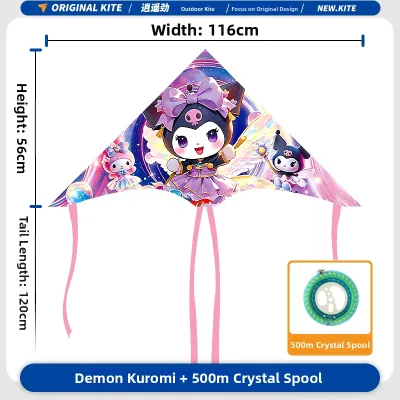
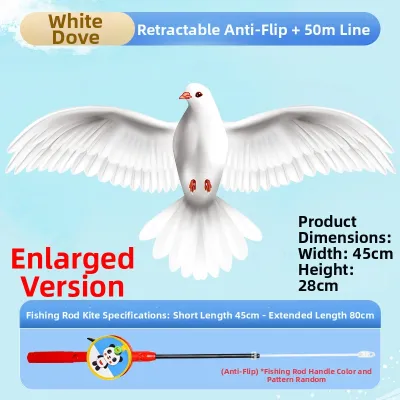
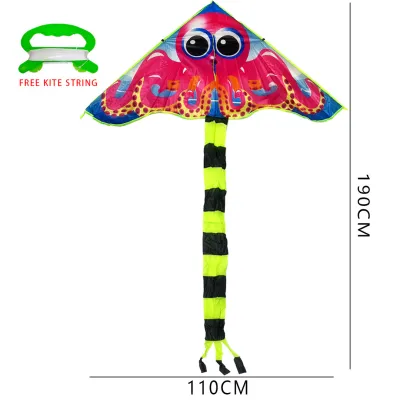
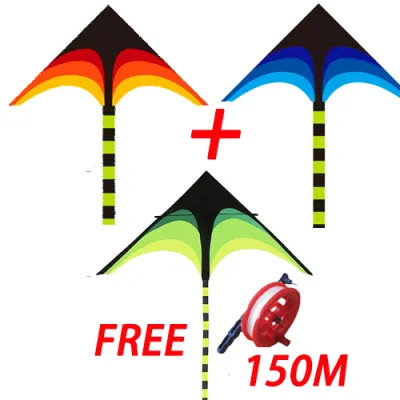

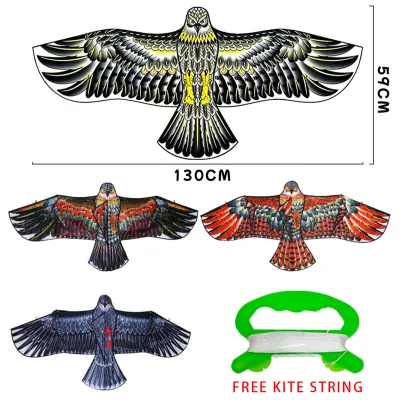
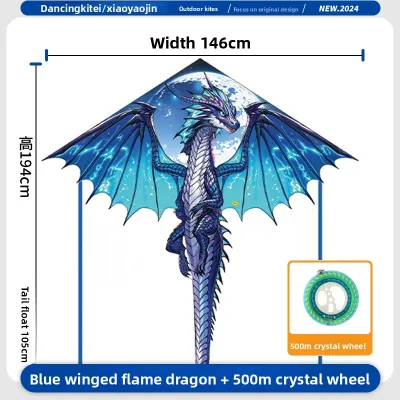
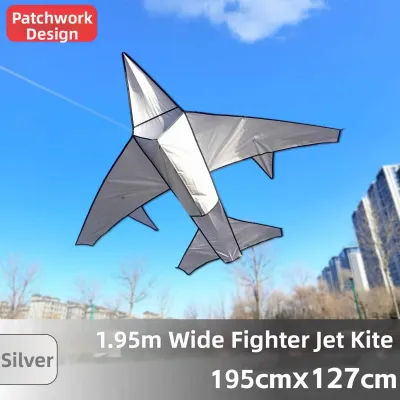
Prices are valid at publication and may change. Please refer to the product page for the latest price.
| Age Group | Recommended Kite Type | Key Features | Skill Focus |
|---|---|---|---|
| Ages 2–5 | Small Deltas, Mini Diamonds | Lightweight, low pull, highly stable | Visual tracking, holding the line |
| Ages 6–9 | Medium Deltas, Parafoils, Tail Diamonds | Frameless designs, moderate pull, interactive tails | Basic launching, line management, reeling |
| Ages 10+ | Box Kites, Dual-Line Stunt Kites | Structured 3D frames, dual-line steering, high pull | Precision control, wind reading, basic tricks |
The core principle of kite selection is matching the kite’s size, pull, and complexity to the child’s physical strength and coordination. A kite that is too large will generate more lift than a young child can safely control, while a kite that is too complex to assemble or fly can quickly turn a fun afternoon into a frustrating chore.
Why Physical Ability and Skill Level Matter
When choosing a kite, parents must consider the physical forces at play. Larger kites have more surface area, which catches more wind and generates significant lift. This lift translates directly into physical pull on the line. A young child lacks the grip strength and forearm endurance to hold onto a high-pull kite in moderate winds, risking a lost kite or painful friction burns.

Hand-eye coordination and cognitive development also dictate how well a child can manage a kite. Keeping a kite airborne requires reading subtle changes in wind direction, maintaining proper line tension, and reacting quickly to sudden dives. These skills develop gradually. While an older child can actively steer a kite to recover from a stall, a younger child relies entirely on the kite’s inherent stability to stay aloft.
Attention span is another critical factor. Single-line kites are largely self-stabilizing once they reach steady air, allowing younger children to enjoy the visual experience without constant effort. In contrast, multi-line stunt kites require continuous, active steering. If the flyer loses focus for even a few seconds, the kite will crash, making these models better suited for older, more patient children who enjoy practicing a skill.
Best Kites for Toddlers and Preschoolers (Ages 2–5)
For the youngest flyers, the primary goal is a frustration-free, highly visual experience. Small delta kites (triangular-shaped) and simple, lightweight diamond kites are the best choices. These shapes are inherently stable, meaning they naturally align themselves with the wind and require very little wind speed to stay aloft.
At this age, durability is paramount. Toddlers are still developing their motor skills, and the kite will inevitably experience hard crashes. Look for kites made from durable ripstop nylon or polyester fabric paired with flexible fiberglass spars. These materials can bend and absorb impacts without breaking. Bright, high-contrast colors and friendly graphics, such as sea creatures or cartoon animals, will keep young children engaged.
Line management should be kept as simple as possible to prevent tangles. Opt for short, pre-tied lines (around 15 to 30 meters) attached to wide, plastic D-shaped handles designed for small hands. Short lines keep the kite close to the ground, making it easier to monitor and less likely to get caught in distant obstacles.
It is important to set realistic expectations. A toddler or preschooler will not be able to launch or steer a kite independently. The adult will do most of the actual assembly, wind checking, and launching. Once the kite is stable in the air, hand the easy-grip handle to your child. Let them run along the grass or sand, feeling the gentle tug of the wind while you supervise closely to ensure they do not let go of the spool.
Best Kites for Early Elementary Kids (Ages 6–9)
As children enter early elementary school, their coordination, strength, and patience increase significantly. They are ready for kites that offer a bit more interaction and a slight aerodynamic challenge. Medium-to-large delta kites, classic diamonds with flowing tails, and simple parafoils are excellent options for this stage.
Parafoil kites are particularly outstanding for family outings. Because they are completely frameless, they rely on the wind to inflate pockets in the fabric to create their shape. With no fiberglass or wooden spars to break, they are virtually indestructible during crashes. They also pack down into a tiny, pocket-sized pouch, making them incredibly convenient to toss into a backpack for a trip to the beach or park.
This developmental stage is a wonderful opportunity to introduce basic aerodynamic concepts. Adding, removing, or adjusting long ribbon tails or tube tails on a diamond or delta kite teaches children how drag affects flight. They can observe firsthand how a tail stabilizes a kite in stronger breezes by pulling the bottom down, or how removing it allows the kite to fly higher in lighter winds.
Line management can also transition to standard-length lines (around 50 meters) wound on ergonomic hoop spools. Children can practice the physical coordination of letting out line when a gust lifts the kite and reeling it back in when the wind drops. To keep the experience positive, look for kites with quick-assembly features, such as snap-together spars or pre-attached bridles, so kids can spend their energy flying rather than waiting for setup.
Best Kites for Older Kids and Pre-Teens (Ages 10+)
Older children and pre-teens are ready to move beyond basic single-line flying and explore kiting as an active hobby or sport. For this age group, look for kites that offer structural complexity or active steering, such as box kites and dual-line stunt kites.
Box kites feature a three-dimensional, cellular structure that looks spectacular in the sky. They generate impressive lift and are highly stable in steady, fresh breezes, offering a unique visual departure from traditional flat kites. Assembling a box kite also provides a fun, hands-on lesson in structural engineering and geometry.
Dual-line stunt kites (also known as sport kites) introduce the thrill of active control. By holding a control line in each hand, the flyer can steer the kite with precision. Pulling the left line causes the kite to loop or turn left, while pulling the right line steers it right. This allows older kids to perform loops, figure-eights, and advanced aerial tricks.
Flying a stunt kite has specific physical requirements. It demands significant upper-body coordination, quick reflexes, and the physical strength to handle sudden pulls when the kite catches a strong gust. Pre-teens must learn to stand firmly, keep their elbows bent, and make subtle, controlled hand movements rather than wild, frantic jerks.
For older teens interested in extreme sports, larger parafoils or traction kites (power kites) offer an introduction to wind-powered sports. However, these kites generate immense pull that can easily drag a flyer across the ground. Always check the manufacturer’s specifications for wind ranges, pull ratings, and recommended skill levels before purchasing. For safety, start with small trainer kites (under 1.5 meters in wingspan) and ensure they are flown under strict adult supervision with proper safety gear, such as gloves.
Can One Kite Grow With Your Child? (Cross-Age Compatibility)
Parents often wonder if they need to purchase a new kite every year as their child grows. Fortunately, high-quality single-line kites offer excellent long-term value and cross-age compatibility. A well-made, mid-sized delta or parafoil kite constructed from durable ripstop nylon can easily last for years if properly maintained and stored dry.
A kite purchased for a 7-year-old will still be highly enjoyable for them at age 13 when they want a relaxing, low-effort flying session. The need for an upgrade is rarely driven by the child outgrowing the kite’s physical size, but rather by their desire for a new challenge. When a child masters single-line flying and expresses boredom with a kite that simply hovers statically, it is the perfect time to transition to a dual-line stunt kite.
To maximize your investment, look for intermediate kites that feature adjustable bridle points (also known as tow points). By shifting the tow point forward or backward, you can adjust the kite’s angle of attack relative to the wind. This modular feature allows you to tune the kite’s flight characteristics and wind range, adapting the gear to both changing local weather conditions and your child’s growing ability to handle stronger pulls.
In terms of budget, basic single-line kites are highly accessible, typically ranging from under ₱300 to ₱800. Durable, high-performance stunt kites or large box kites generally fall into the ₱1,200 to ₱3,500 price band. Investing in a durable mid-range kite early on ensures it can withstand years of family trips without needing a replacement.
Essential Safety and Setup Tips for Family Flying
To ensure a successful and hazard-free outdoor adventure, safety must always come first. Whether you are flying on a beach in Laiya or an open field in Clark, following a few basic rules will keep the experience fun and safe for everyone.
Site selection is the most critical safety factor. Always choose wide-open spaces free of overhead obstructions. Strictly avoid flying kites near power lines, busy roads, dense trees, and airports. If a kite ever becomes entangled in a power line, do not attempt to retrieve it yourself, and never touch the string. Instruct your child to let go immediately, and contact the local electric utility for assistance.
Before launching, perform a quick wind assessment. Look at your surroundings for natural indicators of wind speed. A gentle rustling of leaves and flags extending fully indicate a steady, light-to-moderate breeze (around 8 to 18 km/h), which is ideal for beginners. Avoid flying in highly gusty winds, which often occur near tall buildings or dense tree lines, as they cause unpredictable turbulence that leads to sudden, violent crashes.
Proper line handling is essential to prevent injuries. High-tension kite lines, especially those made of nylon or polyester, can cause severe friction burns or deep cuts if they slide rapidly through bare hands. Teach children to never wrap the flying line around their fingers, hands, or wrists. For larger kites or stronger winds, wearing lightweight, padded protective gloves is highly recommended.
Finally, always stay aware of the weather. The tropical climate in the Philippines can bring sudden weather shifts, including rapid afternoon rain showers and thunderstorms. Check the local weather forecast before heading out, and immediately stop flying if you see dark clouds approaching, hear thunder, or feel a sudden drop in temperature signaling a tropical squall. Wet kite lines can conduct electricity, making kite flying during a thunderstorm extremely dangerous.
Frequently Asked Questions (FAQ)
What is the ideal wind condition for a child's first kite flight?
The ideal wind speed for a beginner’s first flight is a steady breeze between 8 and 18 km/h (about 5 to 11 mph). You can easily identify this condition when leaves on trees are in constant motion and paper blows off the ground, but small tree branches remain still. Avoid highly gusty winds, as they cause unpredictable turbulence that makes launching difficult and increases the risk of hard crashes.
Are dual-line stunt kites safe for young children?
Generally, dual-line stunt kites are not safe or suitable for children under the age of 10. These kites require rapid hand-eye coordination, physical strength to manage the dual-line pull, and the cognitive ability to react to high-speed dives. The high-tension lines of a stunt kite can also pose a cutting or friction burn hazard if handled improperly. For younger children, stick to stable single-line kites.
How do I fix a kite that keeps diving or spinning in circles?
If your kite is unstable in the air, first check that the frame is fully assembled and all spars are securely seated in their pockets. Next, ensure the bridle (the string harness on the front) is perfectly centered and not tangled. If the kite still spins, the wind may be too strong for its design; adding a tail (or lengthening the existing one) will increase drag at the bottom, pulling the nose up and restoring stability.
Community discussion
Share your experience or ask a question. Comments are reviewed before publication.