
The Appeal of Kite Flying for Adults in the Philippines
For adult beginners in the Philippines, the best kites are highly stable, durable, and easy-to-assemble models—specifically delta kites for their forgiving flight, parafoil kites for ultimate beach travel durability, and modern large-format diamond kites for a classic experience. Choosing a kite with a wingspan of 1.5 to 2.5 meters made from ripstop polyester and sturdy fiberglass frames ensures success in the country’s diverse tropical wind conditions. This engaging outdoor activity bridges childhood nostalgia with adult mindfulness, offering immediate stress relief as you coordinate your movements with the wind.
The Philippine archipelago, with its thousands of kilometers of coastline and expansive public plazas, offers an ideal natural playground for this pursuit. From the sandy beaches of La Union and Zambales to the open fields of provincial sports complexes, there is no shortage of spaces to launch a kite. Modern adult kites are a far cry from the fragile plastic or newspaper toys of the past; they are highly engineered flying machines designed to offer a satisfying technical and physical experience.
Engaging with this sport as an adult allows you to appreciate the subtle aerodynamics and physics of flight. Whether you are seeking a peaceful weekend escape or a light physical workout that engages your core and shoulders, choosing the right kite is the first step toward a successful flight. By understanding the specific designs, materials, and local conditions, you can ensure your transition into adult kite flying is smooth, safe, and thoroughly enjoyable.
Products mentioned in this guide
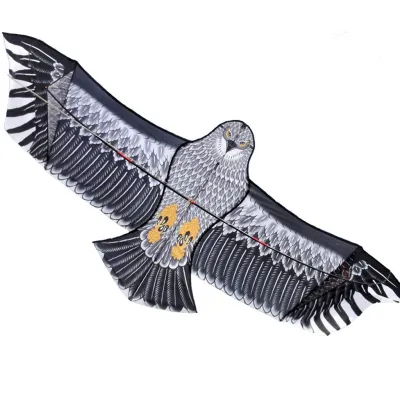
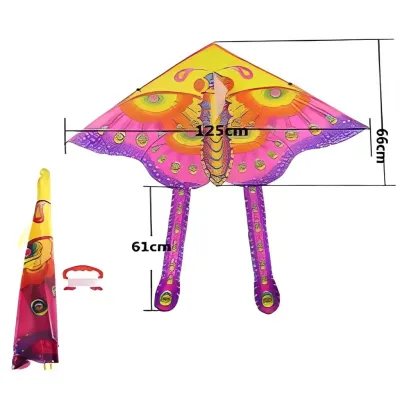
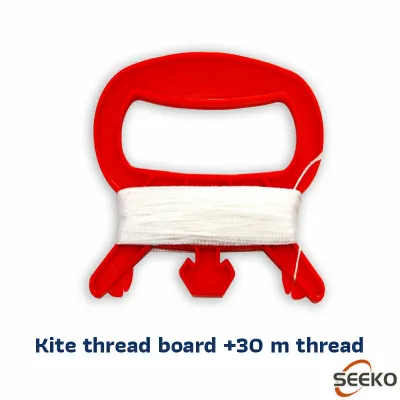
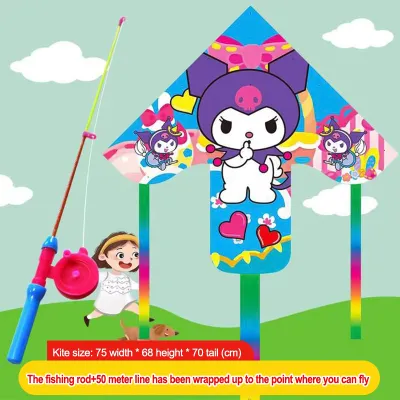
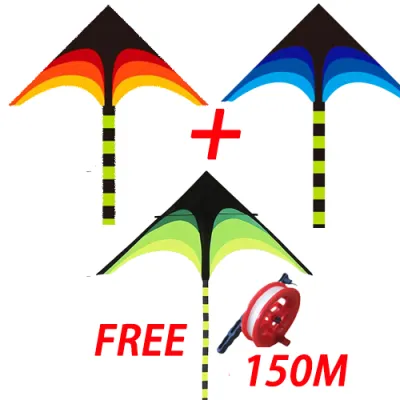
Prices are valid at publication and may change. Please refer to the product page for the latest price.
How to Choose the Right Kite for Adult Beginners
Choosing your first adult kite requires looking past bright colors and focusing on structural specifications that dictate how the kite handles in the air. Unlike children’s toys, which are often small and struggle to stay aloft in anything but a perfect breeze, adult-oriented kites are built to handle a wider range of wind speeds. Understanding these key components will help you make an informed decision when browsing local outdoor shops or online marketplaces.

Size and Wingspan Adult beginners generally benefit from kites with a medium to large wingspan, typically ranging from 1.5 to 2.5 meters. While a larger kite might seem intimidating at first, it actually offers several distinct advantages for a novice. A larger surface area catches more wind, which translates to greater stability in the air and a more forgiving flight profile when wind speeds fluctuate. Furthermore, larger kites provide distinct physical feedback through the line, allowing you to feel how the kite is reacting to the wind and make adjustments before it stalls or crashes.
Frame Materials The skeleton of a framed kite must be both strong enough to maintain its shape under wind pressure and flexible enough to absorb the impact of occasional crashes. Standard fiberglass rods are highly recommended for beginners because they are durable, relatively inexpensive, and offer excellent flexibility. For those seeking a higher-performance option, carbon fiber frames are lighter and stiffer, allowing the kite to fly in lighter breezes. However, carbon fiber is more brittle and can crack upon high-speed impacts. In the humid tropical climate of the Philippines, both materials perform well, but you must ensure any metal connectors or ferrules are rust-resistant to withstand the salty coastal air.
Sail Materials The sail, or canopy, of the kite bears the brunt of the wind’s force and must resist tearing when dragged across sand, grass, or dry soil. Ripstop nylon and ripstop polyester are the industry standards for quality adult kites. These fabrics are woven with a reinforcing grid pattern that prevents small punctures or tears from spreading across the entire sail. Polyester has a slight advantage in the Philippines as it resists UV degradation and stretching when wet, making it highly durable under the intense tropical sun and sudden afternoon rain showers.
Ease of Assembly A kite that is difficult to assemble will often end up left in the closet. Look for models that feature intuitive, quick-setup mechanisms, such as pre-connected spars or simple push-fit connectors. Many modern kites are designed to be assembled in under five minutes without the need for any tools. If you plan to travel frequently or take spontaneous weekend trips, prioritizing a kite that packs down into a compact carrying sleeve will make transportation effortless.
Best Kite Types for Adult Beginners
The market offers a diverse array of kite designs, each catering to different flying styles, wind conditions, and user preferences. For an adult beginner, selecting the right category of kite is far more important than chasing specific brand names, as inventory and availability can fluctuate. Focusing on the inherent flight characteristics of each design ensures you choose a kite that matches your local flying environment and skill level.
Delta Kites: The Most Stable and Forgiving Option
The triangular delta kite is widely considered the gold standard for novice adult flyers due to its exceptional aerodynamic efficiency. Named after the Greek letter delta because of its triangular shape, this design features a wide wing surface and a relatively shallow angle of attack. This combination allows the delta kite to generate high lift even in light breezes, making it incredibly easy to launch and keep aloft.
One of the greatest benefits of a delta kite is its self-correcting nature. When hit by sudden, turbulent gusts of wind, the flexible wings of a quality delta kite will billow and spill excess wind, maintaining a stable position in the sky rather than diving uncontrollably. This forgiving behavior gives beginners ample time to react and learn how to manage the line tension without the constant fear of a crash.
Delta kites are also highly suited for solo flyers. Unlike other designs that require a partner to hold the kite during launch, a delta kite can often be propped up on the ground and launched directly from your hands simply by pulling back on the line. When shopping, look for models that feature a sturdy central spine and adjustable bridle points, which allow you to fine-tune the angle of the kite to match either light or strong wind conditions.
Parafoil (Soft) Kites: Best for Travel and Beach Days
For adults who prioritize portability and durability, parafoil kites—also known as soft or frameless kites—are an outstanding choice. These kites feature no rigid spars or rods whatsoever. Instead, they are constructed with a series of open cells that inflate with air as the wind blows through them, creating an aerodynamic wing shape that flies beautifully.
Because there are no rigid parts to break, parafoil kites are virtually indestructible. If you lose control and the kite crashes nose-first into the sand or water at high speed, you can simply pick it up, shake out any debris, and launch it again without worrying about snapped fiberglass or torn pockets. This durability makes them incredibly stress-free for beginners who are still mastering the basics of wind windows and line control.
The absence of a frame also means that parafoil kites can be folded or rolled up into an incredibly small package, often no larger than a water bottle. This compact size is perfect for island-hopping adventures, beach excursions, or keeping in the glove compartment of your car for spontaneous flying sessions. Additionally, parafoils tend to generate a stronger, more tactile physical pull than framed kites of a similar size, offering a more engaging and active flying experience that many adults find highly satisfying.
Diamond Kites: The Classic Choice with Modern Upgrades
The diamond shape is the quintessential image of a kite, evoking a strong sense of nostalgia for many adults. However, it is crucial to distinguish between the cheap, fragile paper or plastic diamond kites designed for young children and the modern, large-format diamond kites engineered for adults. A high-quality adult diamond kite utilizes the same advanced materials as delta and parafoil kites, providing a reliable and visually striking flight experience.
Modern diamond kites for adults typically feature a wingspan of at least one meter and are constructed with durable ripstop nylon sails and sturdy fiberglass frames. This robust construction allows them to handle moderate to strong winds that would easily destroy a toy-grade equivalent. They offer a classic, stable flight pattern that is perfect for relaxed, low-stress flying sessions in open parks or coastal areas.
The key to successfully flying a diamond kite lies in its tail. Unlike delta kites, which are inherently stable, a diamond kite requires a long, flowing tail to provide the necessary drag to keep the nose pointed upward. A high-quality diamond kite will often come with a tail that is several times the length of the kite itself, sometimes featuring colorful ribbons or windsocks. This tail not only ensures stable flight in gusty conditions but also creates a spectacular visual display against the blue tropical sky.
Navigating Philippine Weather and Flying Locations
Flying a kite in the Philippines requires a solid understanding of the local tropical climate and geography. The country experiences distinct seasonal wind patterns and intense weather conditions that directly affect how a kite behaves and how comfortable you will be during your flying sessions.
Wind Patterns The Philippine weather system is dominated by two major seasonal winds: the Amihan (northeast monsoon), which brings cool, steady breezes from late October to April, and the Habagat (southwest monsoon), which brings warm, humid air and more turbulent winds from June to September. The Amihan season is widely considered the prime time for kite flying, offering consistent, predictable winds that are perfect for beginners. Regardless of the season, it is important to seek out steady, unobstructed breezes. Avoid flying near tall buildings, dense tree lines, or steep hills, as these structures create “wind shadows” and turbulent air currents that can cause even the most stable kite to stall and dive.
Sun and Heat Protection The tropical sun in the Philippines can be incredibly intense, especially when standing in open areas with little to no shade, such as beaches or sports fields. When choosing a kite, look for models with UV-resistant coatings on the sails to prevent the fabric from fading and weakening over time. More importantly, you must protect yourself during long flying sessions. Wear a wide-brimmed hat, UV-blocking sunglasses, and lightweight, long-sleeved sun shirts or UV sleeves. Always apply a broad-spectrum, water-resistant sunscreen and carry plenty of fresh water to stay hydrated, as the combination of wind and sun can quickly lead to dehydration and heat exhaustion.
Location Scouting A great flying location is characterized by wide-open spaces free of overhead obstructions. Sandy beaches are ideal because they offer unobstructed wind blowing off the water, providing a smooth, laminar airflow that is incredibly easy to fly in. Popular coastal destinations like Boracay, Zambales, and La Union are famous for their excellent wind conditions. If you are inland, look for large public parks, school sports fields, or open agricultural lands after harvest. Always inspect the ground for potential tripping hazards, such as rocks, holes, or debris, as you will often be looking upward while walking or running.
Essential Gear and Safety Rules for a Successful Flight
To ensure your kite flying experience is safe and enjoyable, you need to equip yourself with the right accessories and adhere to basic safety guidelines. Having the correct gear not only protects your investment but also prevents injuries to yourself and others in the vicinity.
Line and Reel The line is your physical connection to the kite, and using the wrong type can result in a lost kite or severe hand injuries. Ensure your flying line is rated with a tensile strength appropriate for your kite’s size; larger kites require stronger lines (often rated from 50 to 150 pounds or more) to withstand the pull. Avoid cheap, thin sewing threads or low-grade plastic lines that can snap easily under tension. For the reel, choose an ergonomic hoop reel or a spool with a smooth ball-bearing mechanism. This allows you to let out and retrieve line quickly and smoothly without causing hand fatigue.
Protective Gloves One of the most overlooked pieces of safety gear for adult kite flying is a pair of lightweight protective gloves. Even in moderate winds, a large kite can generate significant pull, causing the line to slide rapidly through your hands if a sudden gust hits. This rapid movement can cause painful friction burns or deep cuts, often referred to as line burns. Wearing simple gardening gloves, sailing gloves, or lightweight athletic gloves provides a secure grip and protects your skin from injury when managing high-tension lines.
Pre-flight Checks Before launching your kite into the air, establish a quick and consistent pre-flight inspection routine. Lay the kite flat on a clean surface and verify that all spars are fully inserted into their respective pockets and connectors. Inspect the sail for any small punctures or fraying seams, and check that the bridle lines are clear of tangles and securely attached to the main flying line. Ensuring everything is in order before launch prevents mid-air structural failures that could lead to a catastrophic crash.
Safety Boundaries As a responsible flyer, you must always prioritize the safety of those around you and respect local safety boundaries. Never fly a kite near overhead power lines, as carbon fiber and damp lines can conduct electricity, posing a fatal shock hazard. Avoid flying in crowded areas, near busy roads, or close to airports and helipads. Additionally, be highly vigilant of changing weather conditions. If you hear thunder, see lightning, or notice dark storm clouds approaching, ground your kite immediately. Tropical squalls can develop rapidly in the Philippines, bringing sudden, violent wind gusts and heavy rain that make flying highly dangerous.
Frequently Asked Questions (FAQ)
What is the best season for kite flying in the Philippines?
The dry season, particularly during the Amihan (northeast monsoon) period from late October to April, offers the most consistent and predictable wind conditions for kite flying in the Philippines. During these months, steady breezes blow across the archipelago, and the weather is generally sunny with minimal rainfall. However, rather than relying solely on the calendar, it is best to check daily local wind forecasts and coastal breeze patterns. Tropical weather can be highly localized, and excellent flying conditions can often be found year-round along coastal areas during afternoon sea breezes.
Are there restricted areas for flying kites in the Philippines?
Yes, there are strict safety and legal restrictions regarding where you can fly kites in the Philippines. It is illegal and extremely dangerous to fly kites anywhere near commercial airports, military airbases, or active helipads, as kites can interfere with aircraft flight paths and cause catastrophic accidents. Additionally, you must never fly kites near high-voltage power transmission lines or electrical substations. Before flying in managed public parks, nature reserves, or private beach resorts, always check with the local government unit (LGU) or park administration to ensure kite flying is permitted and to learn about any specific local rules or designated flying zones.
Community discussion
Share your experience or ask a question. Comments are reviewed before publication.