
Athletes constantly push their bodies to the limit, and the knees often bear the brunt of high-impact training, endurance runs, and intense court sessions. In the Philippines, where year-round tropical heat and high humidity can affect muscle recovery and sweat levels, finding the right recovery tools is essential. A dedicated knee heating pad has become a vital asset for local runners, basketball players, and fitness enthusiasts looking to soothe joint stiffness, accelerate tissue recovery, and maintain peak performance.
Choosing the right knee heating pad requires balancing targeted warmth, secure fit, and portability. While standard flat heating pads work well for larger muscle groups like the back, they fail to wrap securely around the complex, curved structure of the knee joint. For active individuals, the ideal device must provide consistent, controlled heat while remaining secure enough to allow for light stretching or comfortable seated recovery. Understanding your specific recovery environment—whether you are recovering at home in an air-conditioned room or at a local sports complex—will guide you toward the perfect model.
Why Athletes Need Targeted Knee Heat Therapy
Applying heat to a fatigued or stiff joint triggers a physiological process known as vasodilation. When the temperature of the localized tissue rises, blood vessels dilate, significantly increasing blood flow to the targeted area. For an athlete, this enhanced circulation is crucial; it accelerates the delivery of oxygen and essential nutrients to damaged muscle fibers and tendons, while simultaneously flushing out metabolic waste products accumulated during intense exercise.
Products mentioned in this guide
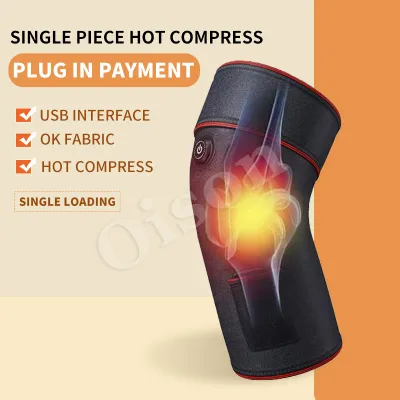
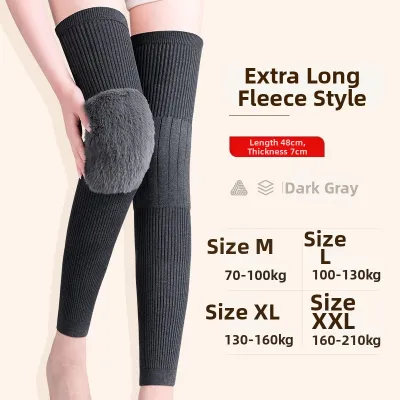
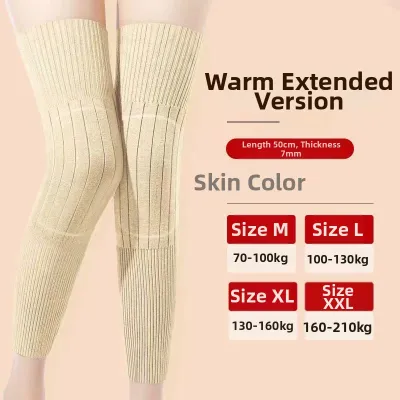
Prices are valid at publication and may change. Please refer to the product page for the latest price.
Beyond improving circulation, heat therapy plays a pivotal role in reducing joint stiffness and improving range of motion. Intense physical activities—such as running long distances on asphalt, cycling up steep terrain, or executing rapid lateral cuts on a basketball court—can leave the connective tissues around the knee tight and restricted. Heat helps to increase the elasticity of collagen tissues, making the joint more pliable and less prone to strain. By relaxing the surrounding muscles, heat therapy alleviates the tension that often pulls on the patella, providing relief from the dull, aching discomfort that follows heavy training.
It is important to differentiate between general muscle soreness and specific joint care. While a warm bath or a large heating pad can soothe broad muscle groups like the quadriceps or hamstrings, the knee joint is a complex structure of ligaments, tendons, and cartilage that requires localized, concentrated heat. A targeted knee heating pad contours specifically to the patella and surrounding tendons, ensuring that the therapeutic warmth penetrates deeply into the joint space rather than dissipating into the air. This targeted application is particularly beneficial for athletes managing chronic conditions like runner’s knee or mild patellar tendonitis, where generalized heat is simply ineffective.
Key Features to Evaluate in an Athletic Knee Heating Pad
To find a knee heating pad that fits seamlessly into an active lifestyle, you must evaluate several critical design elements. The first is the fit and strap design. Unlike sedentary users, athletes often need a wrap that stays firmly in place while they sit, stretch, or elevate their legs. Look for models featuring adjustable, high-quality hook-and-loop straps (such as Velcro) that allow you to customize the level of compression. A secure, contoured fit not only prevents the pad from slipping but also presses the heating elements directly against your skin, maximizing heat transfer and ensuring consistent therapy.

Heat consistency and adjustable temperature controls are equally vital. Because recovery needs vary depending on the intensity of your workout and your personal heat tolerance, a pad with multiple heat settings is highly recommended. Look for devices that offer clear temperature indicators and built-in safety sensors to prevent overheating. Consistent heat distribution is essential; poorly constructed pads often suffer from hot spots that can cause skin irritation or superficial burns, especially during longer recovery sessions.
Given the tropical climate of the Philippines, material and durability are non-negotiable factors. Athletes sweat heavily, and applying a heating pad directly after a workout means the fabric will inevitably absorb moisture. Prioritize wraps made from breathable, moisture-resistant, and skin-friendly materials like high-grade neoprene or specialized mesh. It is crucial to verify the manufacturer’s care instructions: look for pads with removable heating elements or those explicitly labeled as machine-washable. Easy-to-clean fabrics prevent the buildup of bacteria, mold, and unpleasant odors, ensuring the device remains hygienic over months of frequent use.
Finally, consider the portability and power source of the device. If your recovery primarily takes place at home or in a dedicated training facility with accessible outlets, a corded electric model offers unlimited runtime and highly consistent temperatures. However, if you need to recover during your commute, at outdoor sports venues, or while traveling between provinces, a cordless, USB-powered, or rechargeable option is far more practical. Evaluate whether you prefer the lightweight nature of a corded wrap or the untethered freedom of a battery-powered device, keeping in mind that rechargeable batteries add slightly more weight to the wrap itself.
Recommended Types of Knee Heating Pads for Athletic Recovery
The market offers several distinct categories of knee heating pads, each designed to address different recovery environments, lifestyle preferences, and therapeutic needs. Selecting the right type depends heavily on whether you prioritize continuous, long-lasting heat, the deep penetration of moist heat, or the efficiency of advanced technology. Understanding the strengths and limitations of each category will help you make an informed decision that aligns with your daily training routine.
Electric and USB-Powered Knee Wraps
Traditional electric and modern USB-powered knee wraps are the workhorses of athletic heat therapy, offering a reliable source of continuous warmth. Because they draw power directly from a wall outlet or a portable power bank, these wraps do not suffer from the gradual temperature decline common in non-electric alternatives. This makes them exceptionally well-suited for long, dedicated recovery sessions where maintaining a precise, elevated temperature is necessary to soothe deep-seated joint stiffness. Most high-quality electric wraps feature integrated digital controllers, allowing you to cycle through multiple heat levels and set automatic shutoff timers for added safety.
However, the primary limitation of electric wraps is their reliance on an active power source. Corded models restrict your movement, keeping you tethered to a wall outlet or a specific chair during your recovery session. While USB-powered wraps mitigate this issue by allowing you to plug into a portable power bank, the heating capacity can sometimes be limited by the power output of the battery pack. Additionally, managing cords and external battery packs can feel cumbersome if you prefer a streamlined, self-contained recovery setup.
These wraps are best suited for athletes who prioritize structured, stationary recovery. If your post-training routine involves relaxing on the couch, working at a desk, or winding down before sleep, a corded electric or USB-powered wrap provides the steady, uninterrupted warmth you need. They are also ideal for athletes who require highly precise temperature control to manage chronic joint issues without risking accidental skin damage.
Microwavable Gel and Clay Packs
For athletes who prefer a more natural, tactile approach to recovery, microwavable gel and clay packs offer a highly effective alternative. These packs are filled with heat-retaining materials that, when microwaved, deliver a soothing form of moist heat. Moist heat is widely favored by physical therapists because it penetrates body tissues faster and deeper than dry heat, providing rapid relief to tight ligaments and deep muscle layers. Furthermore, because these packs require no cords, batteries, or electronic components, they are highly flexible, completely silent, and can easily double as cold packs if placed in the freezer.
The main drawback of microwavable packs is their limited heat retention. Once heated, the temperature begins to dissipate immediately, usually providing therapeutic warmth for only 20 to 30 minutes before requiring another trip to the microwave. This makes them less suitable for extended recovery sessions. Additionally, their utility is entirely dependent on having a microwave nearby, which severely limits their use at outdoor running tracks, local basketball courts, or during long road trips where kitchen appliances are unavailable.
These packs are best suited for quick, targeted recovery sessions immediately after returning home from a workout. If you prefer the comforting, contouring weight of a heavy clay or gel pack pressing down on your joint, this type is an excellent choice. They are also the most budget-friendly option, with basic models typically ranging from ₱300 to ₱800 on online marketplaces, making them highly accessible for recreational athletes.
Infrared and Graphene Heating Pads
Representing the cutting edge of athletic recovery technology, infrared and graphene heating pads utilize advanced materials to deliver rapid, highly efficient heat therapy. Graphene is an incredibly strong, lightweight material that conducts heat with remarkable speed and uniformity, eliminating the cold spots often found in traditional wire-based heating pads. When powered, graphene elements emit far-infrared radiation—a safe wavelength of light that penetrates deep beneath the skin’s surface directly into the muscles and joints, promoting cellular repair and deep tissue relaxation without needing to feel excessively hot to the touch.
These advanced pads are typically designed with ultra-slim, flexible profiles that mimic the feel of a standard compression sleeve. Many models are powered by compact, rechargeable lithium-ion batteries that slot directly into a dedicated pocket on the wrap, offering true cordless mobility. You can wear them while walking around the house, packing your gear, or even performing light mobility exercises. The primary trade-off is the cost; because of the advanced technology and materials used, these devices sit at a higher price bracket, often ranging from ₱3,000 to over ₱6,000.
This category is best suited for tech-forward athletes, competitive competitors, and those who require maximum portability. If you need a fast-acting heat source to warm up your joints before a morning run or need to recover on the go without being restricted by cords, an infrared or graphene wrap is a highly worthwhile investment. Their lightweight, low-profile design also makes them incredibly easy to pack into a gym bag or travel luggage.
Heat vs. Cold Therapy: When to Use Which for Knee Care
Understanding when to apply heat versus cold is one of the most critical aspects of athletic joint care. Using the wrong therapy at the wrong time can inadvertently exacerbate an injury, prolong recovery times, and increase pain. While both modalities are highly effective tools for managing knee discomfort, they operate on completely opposing physiological principles and must be applied under distinct circumstances.
Cold therapy, such as ice packs or cold compression wraps, is the primary line of defense for acute injuries, sudden sharp pain, and immediate post-workout swelling. When you experience a sudden twist, sprain, or direct impact on the court, the surrounding blood vessels rupture, leading to localized inflammation, bruising, and swelling. Applying cold constricts the blood vessels (vasoconstriction), which reduces blood flow to the area, numbs pain receptors, and limits the accumulation of excess fluid. Cold therapy should ideally be applied within the first 48 to 72 hours of an acute injury to keep swelling under control.
Conversely, heat therapy is designed for chronic stiffness, dull muscular aches, and ongoing joint discomfort. Heat should be used to prepare joints for activity by increasing tissue elasticity, or to promote long-term healing days after an injury has occurred and the initial swelling has completely subsided. For athletes dealing with old injuries, chronic tendonitis, or general morning stiffness, applying a knee heating pad before stretching or light training can help loosen the joint and prevent re-injury. Post-workout, heat helps relax fatigued muscles that have tightened up from repetitive motion.
The danger of mixing up these therapies cannot be overstated. Applying a heating pad to a freshly sprained, swollen, or bruised knee will dilate the blood vessels, forcing more blood and inflammatory fluids into the injured tissue. This increases swelling, intensifies throbbing pain, and can cause additional tissue damage. If your knee is warm to the touch, visibly swollen, or displaying redness, avoid heat entirely and opt for ice. If you are ever unsure about the nature of your knee pain—especially if it is accompanied by a popping sound, instability, or an inability to bear weight—always consult a sports physiotherapist or medical professional before applying any thermal therapy.
Safety Guidelines and Best Practices for Heat Application
To maximize the benefits of heat therapy while protecting your skin and underlying tissues, it is essential to establish clear safety boundaries. First and foremost, strictly adhere to recommended time limits. While it can be tempting to leave a warm wrap on your knee for hours, continuous heat application should generally be limited to 15 to 20 minutes per session. Prolonged exposure to high temperatures can lead to skin discoloration or even cause low-temperature burns that damage the deeper layers of skin without immediate pain.
Always prioritize skin protection during your recovery sessions. Even if a heating pad feels comfortable at first, the localized heat can gradually desensitize your skin’s pain receptors, making you less aware of a developing burn. To prevent this, place a thin cloth, towel, or a pair of compression leggings between the heating pad and your bare skin. This barrier is especially important when utilizing high-heat settings, when using microwavable packs which can have unpredictable surface temperatures, or if you have naturally sensitive skin.
Under no circumstances should you fall asleep while using an active heating pad. When you sleep, your body’s ability to sense excessive heat is severely diminished, and you cannot react to a malfunctioning device or an escalating temperature. If you plan to use a heating pad to relax before bed, ensure the device features a reliable automatic shutoff timer set to 15 minutes, or better yet, complete your therapy session and completely remove the wrap from your leg before closing your eyes.
Finally, pay close attention to hydration and perform regular skin checks. Heat therapy draws moisture from your body, and in the warm, humid climate of the Philippines, maintaining proper hydration is already a daily challenge for athletes. Drink plenty of water before and after your recovery sessions. Additionally, make it a habit to visually inspect your knee immediately after removing the heating pad. While mild, temporary redness is a normal sign of increased blood flow, any excessive redness, blistering, itching, or persistent tenderness indicates that the temperature was too high or the session was too long. If these symptoms occur, allow your skin to recover fully and lower the heat setting for future sessions.
Frequently Asked Questions (FAQ)
Can I use a knee heating pad while sleeping?
No, you should never use an active knee heating pad while sleeping. When you are asleep, your body cannot accurately perceive heat levels, and your ability to move away from a source of discomfort is disabled. This significantly increases the risk of suffering severe, deep-tissue burns or skin irritation, even from relatively low heat settings. If you enjoy using heat to relax before sleeping, apply the heating pad for a timed 15-to-20-minute session while fully awake, and ensure the device is completely turned off and removed from your leg before you go to sleep.
How long should I apply heat to my knees after a long run?
After a long run, you should apply heat to your knees for 15 to 20 minutes per session. This duration is sufficient to stimulate blood flow, relax tight tendons, and alleviate joint stiffness without risking thermal damage to your skin. If your knees still feel stiff or achy after the initial session, do not immediately reapply the heat. Instead, remove the heating pad and allow your skin to return to its normal temperature for at least one hour before starting another 15-to-20-minute session. Always ensure your knees are free of acute swelling or sharp pain before applying heat.
Are knee heating pads safe to use on swollen joints?
No, knee heating pads are not safe to use on newly swollen, hot, or acutely injured joints. Swelling is a clear indicator of active inflammation, and applying heat will dilate blood vessels, increasing blood flow and fluid accumulation to the joint. This will worsen the swelling, increase pain, and delay the overall healing process. For swollen joints, you should use cold therapy (such as an ice pack) to constrict blood vessels and reduce inflammation. Heat should only be introduced days later, once the swelling has completely subsided and only chronic stiffness remains.
Community discussion
Share your experience or ask a question. Comments are reviewed before publication.