
Choosing the right knee support is not a single, universal decision; the ideal option depends on the severity of your arthritis, the presence of joint instability, and your daily physical activities. For mild, generalized stiffness and minor swelling, a lightweight compression sleeve is typically the most practical choice. If you experience moderate pain accompanied by fluctuating swelling throughout the day, an adjustable wraparound brace allows you to customize the tension. For advanced osteoarthritis where the joint feels unstable or frequently gives way, a hinged brace with rigid side stabilizers is necessary to prevent joint misalignment.
Using a high-quality knee supporter for knee pain arthritis can significantly improve your daily mobility, but it is crucial to understand that these devices are designed to manage symptoms and support function rather than cure the underlying wear and tear of joint cartilage.
Quick Guide: Matching Knee Support Types to Arthritis Symptoms
Managing the daily discomfort of knee arthritis requires a personalized approach, as symptoms vary widely from person to person. Some individuals experience morning stiffness that fades with light movement, while others deal with constant throbbing or severe joint instability. A mismatch between your symptoms and your support type can lead to poor pain management or unnecessary discomfort. For example, using a highly restrictive hinged brace when you only need mild compression can cause unnecessary muscle weakness, while a thin sleeve will not prevent a severely unstable knee from buckling during daily activities.
Products mentioned in this guide
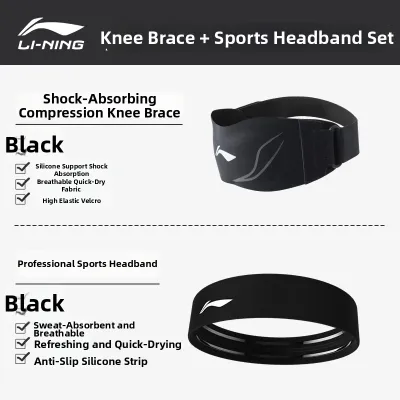
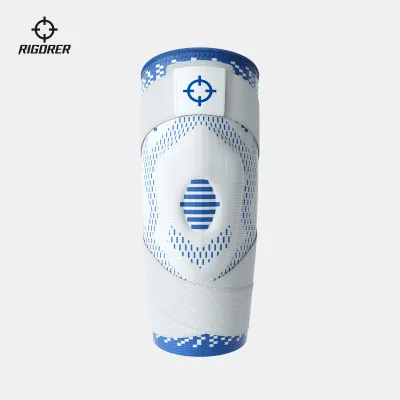
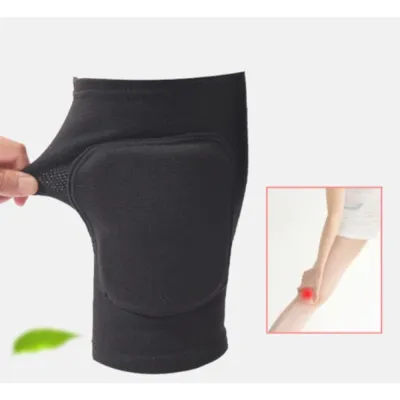
Prices are valid at publication and may change. Please refer to the product page for the latest price.
To find the right starting point, it is helpful to match your primary symptoms to the corresponding design:
- Compression Sleeves: Best for mild, generalized stiffness, minor swelling, and daily walking.
- Wraparound Braces: Best for moderate pain, fluctuating joint swelling, and individuals with limited hand strength who find pull-on sleeves difficult to use.
- Hinged Braces: Best for severe joint instability, advanced "bone-on-bone" osteoarthritis, and preventing the knee from giving way.
Ultimately, these supports are functional aids designed to keep you moving comfortably. Staying active is one of the most effective ways to keep your joints lubricated and the surrounding muscles strong, which plays a vital role in long-term arthritis management.
Why Knee Supports Help with Arthritis Pain
To understand how a knee support alleviates the daily grind of arthritis, it is helpful to look at the mechanical and physiological mechanisms at play. One of the primary benefits of wearing a supportive sleeve or brace is the retention of joint warmth. Cold temperatures can cause the synovial fluid inside the joint to thicken, leading to increased friction and stiffness. In tropical climates like the Philippines, this stiffness is often triggered when transitioning from hot, humid outdoor air into highly air-conditioned offices, shopping malls, or vehicles. A snug knee support traps your natural body heat, keeping the synovial fluid more viscous and allowing the joint to move more smoothly.

Another key mechanism is the application of mild, uniform compression. Arthritis often causes localized edema, or swelling, as the body attempts to protect the inflamed joint. While this inflammatory fluid is a natural response, excessive buildup can restrict your range of motion and create a dull, throbbing ache. Gentle compression helps encourage the drainage of excess fluid from the joint space, which reduces pressure on sensitive nerve endings and helps restore a more comfortable range of motion.
Furthermore, knee supports provide invaluable proprioceptive feedback, which is your brain’s awareness of your joint’s position in space. When an arthritic joint is compromised, your natural proprioception can become dull, leading to awkward steps, poor balance, or sudden twists that aggravate the pain. The physical contact of a compression sleeve or brace stimulates the sensory receptors in your skin, sending continuous signals to your brain about how your knee is moving. This increased awareness helps you maintain better alignment, step more confidently, and avoid micro-movements that could trigger acute pain.
However, it is vital to remember that knee supports are most effective when used as part of a multi-disciplinary approach. They should complement, rather than replace, core medical treatments. A comprehensive arthritis management plan should always include targeted physical therapy to strengthen the supporting leg muscles, weight management to reduce the physical load on the knee joints, and any medical therapies or lifestyle adjustments prescribed by your healthcare provider.
Comparing Knee Supporter for Knee Pain Arthritis Designs
Choosing the right knee supporter for knee pain arthritis requires a clear understanding of the different designs available on the market. In the Philippines, you can find options ranging from budget-friendly sleeves under ₱500 to specialized, medical-grade hinged braces that can exceed ₱3,000. Each style is engineered to address specific functional needs, and selecting the wrong one can lead to inadequate support or unnecessary discomfort.
Compression Sleeves for Mild Pain and Swelling
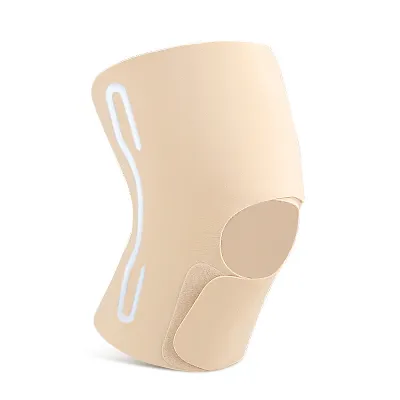
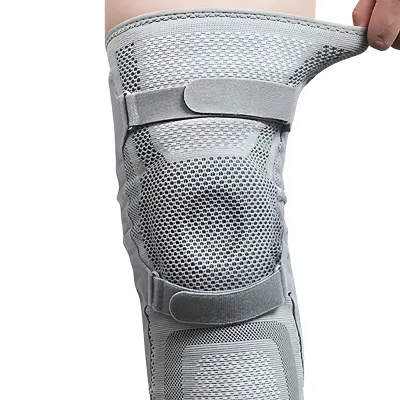
Compression sleeves are simple, slip-on tubes made from elasticized fabrics or advanced circular-knit materials. They are designed to slide up your leg and sit snugly over the entire knee joint, providing uniform compression and mild warmth. Because they are thin and lightweight, they can easily be worn discreetly under regular clothing, such as slacks, long skirts, or trousers, making them an excellent choice for daily wear at work or while running errands.
The uniform compression provided by a high-quality sleeve is highly beneficial for individuals in the early stages of osteoarthritis or those dealing with mild rheumatoid arthritis. It helps stimulate blood flow to the joint tissues, which can accelerate the removal of metabolic waste and reduce the mild swelling that often accumulates after periods of inactivity. For many people, wearing a compression sleeve during light household chores, brief walks, or desk work is enough to take the edge off their daily aches and keep them moving comfortably.
However, compression sleeves have distinct limitations. Because they are made entirely of flexible fabric, they offer no mechanical resistance against lateral (side-to-side) shifting, twisting, or hyperextension. If your knee joint has structural damage that causes it to wobble, slide, or physically give way when you step off a curb or walk on uneven surfaces, a standard sleeve will not provide the physical stabilization you need to stay safe.
Patellar Straps and Their Limited Role in Arthritis
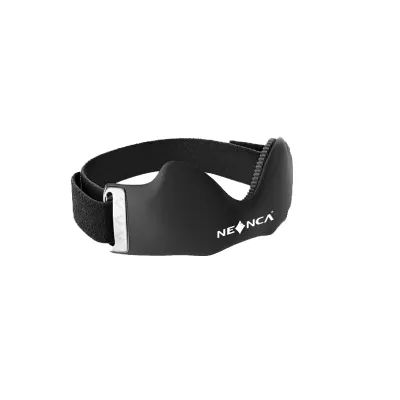
A patellar strap is a narrow, belt-like band that wraps tightly around the leg just below the kneecap, directly over the patellar tendon. It is designed to apply targeted pressure to this specific tendon, which slightly alters the angle of its pull and reduces the strain placed on the kneecap during repetitive bending and straightening movements. This design is highly effective for localized sports injuries, such as patellar tendonitis (commonly known as jumper’s knee) or patellofemoral pain syndrome.
When it comes to managing general arthritis, however, patellar straps have a very limited role. Osteoarthritis and rheumatoid arthritis typically affect the deeper joint space, involving the cartilage between the thigh bone (femur) and shin bone (tibia), or causing generalized inflammation of the synovial lining. Because a patellar strap only compresses a small, localized area below the kneecap, it does not provide the joint-wide warmth, overall compression, or structural lateral support that arthritic joints require.
For most individuals suffering from diffuse arthritis pain, buying a patellar strap will not yield significant relief. It should generally only be considered if you have been diagnosed by a healthcare professional with a concurrent, specific patellar tracking issue alongside very mild, localized wear behind the kneecap. Otherwise, a full-coverage sleeve or brace is a far more appropriate investment.
Wraparound and Hinged Braces for Joint Instability
For individuals dealing with moderate to severe arthritis, standard slip-on sleeves may not offer sufficient support or may be physically difficult to use. This is where wraparound and hinged braces become essential tools for daily mobility.
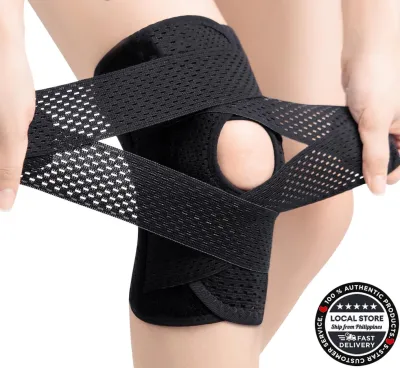
Wraparound braces feature an open-front design that allows you to position the brace behind your knee and secure it in place using adjustable Velcro straps. This design offers two major advantages for arthritis sufferers. First, it accommodates fluctuating joint swelling. If your knee is highly swollen in the morning, you can fasten the straps more loosely, and then tighten them later in the day as the swelling subsides. Second, pull-on sleeves require significant hand strength and finger dexterity to tug up over the calf and knee. For older adults or individuals who also have arthritis in their hands and fingers, a wraparound brace is much easier to apply and adjust independently.
Hinged braces represent the highest level of external joint support. These braces incorporate rigid side stays made of lightweight metal or heavy-duty plastic, connected by mechanical hinges that align with the natural bending axis of your knee. By physically blocking lateral movement, a hinged brace prevents the joint from shifting sideways or buckling under your weight. This is particularly crucial for advanced, “bone-on-bone” osteoarthritis where the protective cartilage has worn away completely, leaving the joint highly unstable.
While hinged braces offer maximum stability, they come with notable trade-offs. They are significantly bulkier and heavier than sleeves, making them highly visible under clothing and potentially hot to wear. The rigid structure also restricts your natural range of motion, which can make sitting in cramped spaces—such as the passenger seat of a car, a tricycle, or a jeepney—uncomfortable during long commutes. Furthermore, wearing a heavy hinged brace for extended periods when it is not mechanically necessary can lead to muscle laziness, as the brace does the work that your muscles should be doing.
Material Choices for Hot and Humid Climates
When selecting a knee support, the material composition is just as important as the structural design, especially when living in a tropical, high-humidity environment like the Philippines. Wearing a heavy, non-breathable support in hot weather can quickly lead to excessive sweating, skin maceration, and painful rashes.
Traditionally, many supportive braces have been constructed from neoprene, a synthetic rubber known for its excellent durability, flexibility, and heat-retaining properties. While neoprene is highly effective at keeping an arthritic joint warm, it does not allow sweat to escape. In humid conditions, sweat becomes trapped against the skin, creating a prime environment for bacterial and fungal infections, as well as severe skin irritation.
To maintain daily comfort, look for modern alternative materials. Many high-quality supports now utilize advanced 3D flat-knit fabrics, bamboo charcoal fibers, or specialized cotton-synthetic blends. These materials are engineered to be highly breathable and moisture-wicking, pulling sweat away from your skin and allowing air to circulate while still retaining enough targeted heat to soothe joint stiffness. When shopping, always read the product specifications to ensure the fabric is optimized for skin-friendliness and breathability in warm climates.
Key Features to Check Before Buying
Before purchasing any knee support, it is essential to evaluate several practical design features to ensure you get a product that fits correctly, stays in place, and does not cause secondary discomfort.
- Sizing and Measurement: Accurate measurement is the single most critical step in buying a knee support. Do not rely on your clothing size or make a guess, as sizing standards vary wildly between brands. To measure correctly, stand up with your leg slightly bent (at roughly a 30-degree angle). Use a flexible measuring tape to measure the circumference of your leg at the specific points indicated on the manufacturer's sizing chart. This typically involves measuring around the center of your kneecap, as well as 10 to 15 centimeters above and below the patella. A support that is too tight can restrict blood circulation and worsen swelling in your lower leg, while a loose support will slide down constantly, rendering its therapeutic benefits useless.
- Grip and Anti-Slip Design: One of the most common complaints about knee sleeves is that they slide down during active movement, requiring constant, frustrating readjustments. To prevent this, look for supports that feature medical-grade silicone gel strips or wavy silicone bands along the inner top cuff. These grips adhere gently to your skin, holding the sleeve securely in place even when you are walking, climbing stairs, or sweating in warm weather.
- Seam Placement: Carefully examine the construction of the support, particularly the area that will rest behind your knee (the popliteal fossa). This skin crease is highly sensitive and prone to friction. Cheaply constructed supports often feature thick, raised seams right in the center of this area. When you bend your leg repeatedly while walking or sitting, these seams can rub against your skin, leading to painful chafing, redness, and blisters. Prioritize seamless knits or flat-lock stitching to ensure all-day wearing comfort.
- Ease of Cleaning: Because your knee support will absorb sweat, sebum, and dust during daily wear, regular cleaning is essential to prevent unpleasant odors and bacterial buildup. Check the manufacturer's care instructions before buying. Most high-quality compressive fabrics and braces must be hand-washed in cold water with a mild, pH-neutral soap and allowed to air-dry in a shaded, well-ventilated space. Avoid using bleach, fabric softeners, or machine dryers, as intense heat and harsh chemicals will rapidly degrade the elastic fibers and damage any silicone anti-slip strips.
Safe Usage and When to Seek Medical Advice
While a knee support is a highly effective tool for managing daily discomfort, it must be used responsibly to avoid negative side effects or a false sense of security.
First and foremost, avoid wearing tight, compressive knee supports 24 hours a day. Your leg muscles, particularly the quadriceps and hamstrings, play a vital role in naturally stabilizing your knee joint. If you wear a supportive brace continuously, your muscles do not have to work as hard, which can lead to muscle atrophy and weakness over time. This muscle loss actually increases the stress placed on your arthritic joint when you are not wearing the support. As a general rule, wear your support during periods of physical activity—such as walking, standing, or performing household chores—and remove it during extended periods of rest, sitting, or sleep to allow your muscles to engage and your skin to breathe.
Always inspect your skin regularly for any signs of deep red indentations, numbness, or tingling, which can indicate that the support is too tight or misaligned. If you experience any of these symptoms, remove the support immediately and verify your measurements against the manufacturer’s sizing guide.
It is also critical to recognize the limitations of self-management. Always check the applied product’s label and the treated item’s manufacturer instructions. If instructions conflict, the item is unidentified, or the use is not covered, stop and consult the manufacturer or a qualified professional. A knee support is designed to help manage chronic, stable arthritis pain; it is not a solution for acute joint trauma or severe, undiagnosed conditions. You should stop using any knee support and seek immediate medical evaluation from a qualified healthcare professional if you experience any of the following red flags:
- Sudden, severe, or sharp pain that makes it impossible to put any weight on your leg.
- The knee joint physically locks, catches, or clicks painfully, preventing you from fully straightening or bending your leg.
- Visible physical deformity of the joint or sudden, intense swelling accompanied by heat and redness, which may indicate an acute infection or severe inflammatory flare-up.
- Numbness, tingling, or a "pins and needles" sensation in your calf, ankle, or foot, which are signs of potential nerve compression or severely compromised blood circulation.
Frequently Asked Questions (FAQ)
Should I wear a knee support all day for arthritis?
No, you should not wear a knee support continuously throughout the entire day or night. It is best to wear the support during periods of physical activity—such as walking, standing, climbing stairs, or running errands—when your joint is under active load. You should remove the support when you are resting, sitting for long periods, or sleeping. This balance allows your skin to breathe, prevents sweat buildup and irritation, and ensures that your surrounding leg muscles continue to work and maintain their strength, preventing muscle dependency and atrophy.
Can a knee brace make arthritis worse?
A properly fitted knee brace will not physically worsen the degeneration of your joint cartilage. However, if you rely on a highly supportive or rigid brace constantly without performing targeted muscle-strengthening exercises, the muscles surrounding your knee can weaken from disuse. Because strong muscles act as natural shock absorbers for your joints, this muscle weakness can lead to increased joint stress and pain when you are not wearing the brace. To prevent this, use your brace as a tool to facilitate active movement and exercise, rather than a permanent replacement for your body’s natural stability.
Is copper-infused fabric better for arthritis pain?
There is no strong scientific evidence to support the claim that copper-infused fabrics provide superior pain relief for arthritis compared to standard compression sleeves. The therapeutic benefits of these sleeves—such as reduced pain, managed swelling, and improved joint awareness—come entirely from the physical compression and warmth provided by the elasticized fabric, not from the copper content. However, copper-infused fabrics do offer natural antimicrobial properties, which can help minimize odor-causing bacteria. This can be a practical benefit when wearing a support daily in hot and humid climates, but you should prioritize fit, breathability, and compression quality over marketing claims about copper infusion.
Community discussion
Share your experience or ask a question. Comments are reviewed before publication.