
Managing knee arthritis in the Philippines presents a unique set of physical and environmental challenges. The combination of year-round tropical humidity, sudden temperature changes when moving from hot outdoor streets into highly air-conditioned shopping malls or offices, and the daily physical demands of commuting can cause joint fluid to thicken, leading to increased stiffness and pain. To maintain mobility and comfort, choosing the correct knee support is a vital step. However, the best knee support is not a single, universal product; it is the specific type of brace that matches your stage of joint wear, accommodates your physical capabilities, and remains comfortable to wear throughout a humid day.
To find the right balance of pain relief and joint stability, you must evaluate how different designs interact with your daily routine. Selecting an inappropriate brace can lead to skin irritation, localized circulation issues, or inadequate joint support, which may worsen your discomfort. By understanding the key features of medical-grade and sports-grade supports, and matching them to your specific symptoms, you can make an informed decision that helps you stay active, walk comfortably, and manage joint stiffness effectively.
What to Look for in an Arthritis Knee Support
When shopping for a knee support specifically designed to alleviate arthritis symptoms, several critical factors must guide your decision. Because arthritis is a chronic condition, the brace you select must be suitable for extended wear under local environmental conditions. Prioritizing the following features will ensure your chosen support provides therapeutic benefits without causing secondary discomforts.
Products mentioned in this guide
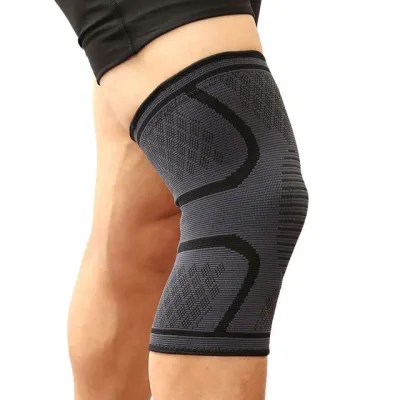
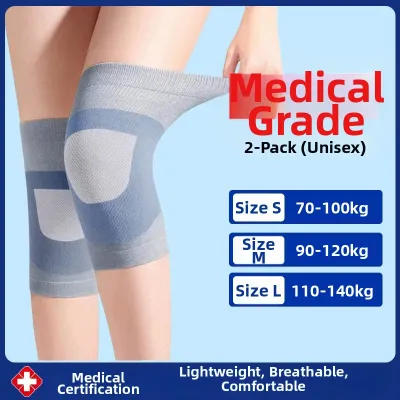
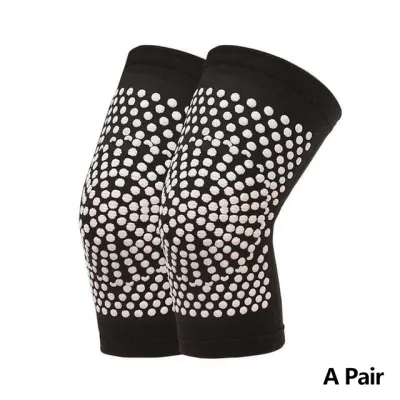
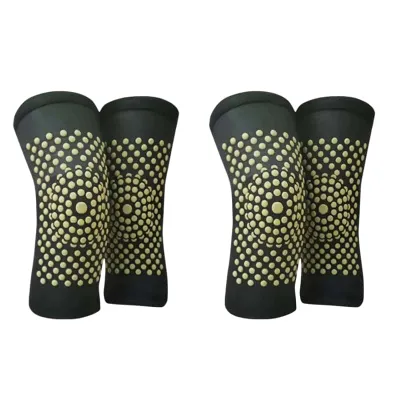
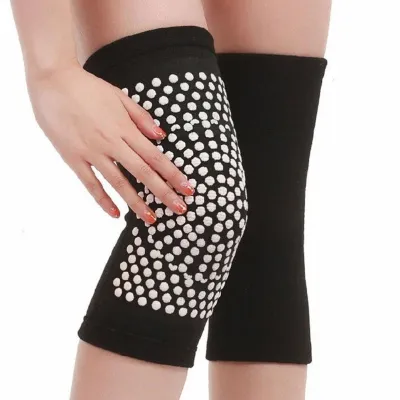
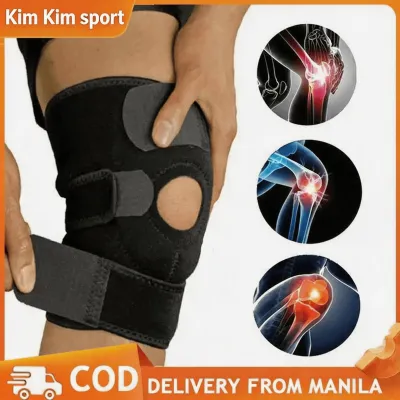
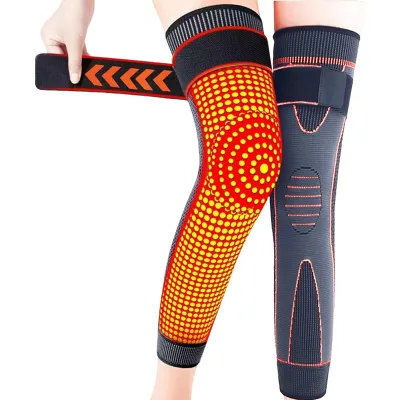
Prices are valid at publication and may change. Please refer to the product page for the latest price.
Compression and Support Levels The primary function of a basic knee support is to provide compression, which helps manage localized swelling, improves blood circulation, and enhances proprioception—your brain’s awareness of your joint’s position. This increased awareness helps you step more confidently, reducing the risk of sudden, painful twists. However, finding the right level of compression is a delicate balance. The support must be snug enough to hold the joint securely and limit microscopic movements that trigger bone-on-bone friction, yet loose enough to maintain healthy blood flow. Excessive pressure can pinch nerves or restrict venous return, which often leads to cold feet, tingling, or increased swelling below the knee.
Material and Breathability The high humidity and warm temperatures in the Philippines make fabric selection one of the most important considerations for long-term compliance. Traditional neoprene braces are excellent for heat retention, which can help soothe stiff joints, but they trap sweat against the skin. In a tropical climate, this trapped moisture can quickly lead to skin maceration, heat rashes (bungang-araw), or fungal infections. To prevent these issues, look for knee supports made from lightweight, moisture-wicking, and hypoallergenic fabrics. Perforated neoprene, 3D-knit blends, and breathable nylon-spandex allow air to circulate freely, keeping your skin dry and comfortable even during outdoor activities or long commutes.
Ease of Application Arthritis is a systemic condition that frequently affects the small joints of the hands and fingers. If you experience morning stiffness or reduced grip strength in your hands, pulling a highly elastic, tight compression sleeve over your foot, calf, and knee can be an incredibly difficult and painful task. For individuals with limited hand dexterity, wraparound braces with adjustable Velcro straps are a much more practical choice. These designs allow you to position the brace directly over the knee and secure it with minimal pulling force, making it easier to put on and adjust independently throughout the day.
Medical-Grade vs. Sports-Grade It is essential to understand the difference between basic athletic sleeves and orthopedic braces designed specifically for chronic joint conditions. Sports-grade sleeves are primarily engineered to keep healthy muscles warm, improve recovery times, and provide mild compression during high-impact sports. They generally lack the structural elements needed to stabilize a degenerated joint. In contrast, medical-grade or orthopedic supports are designed with anatomical precision. They often feature medical-grade compression profiles, built-in patellar stabilizers, or rigid side stays that physically offload weight from damaged joint compartments, making them far more effective for moderate to severe osteoarthritis.
Recommended Knee Support Types for Arthritis Relief
Knee supports generally fall into three primary categories, each offering a different balance of compression, structural stability, and ease of use. Understanding these categories will help you select the design that best matches your current mobility needs and the severity of your arthritis symptoms.

Compression Sleeves for Mild Ache and Swelling
Best Use Case: Compression sleeves are highly recommended for individuals experiencing early-stage osteoarthritis, mild morning stiffness, or occasional dull aches after walking. They are ideal for low-impact daily activities, such as light household chores, running quick errands, or walking on flat surfaces.
Key Features: These pull-on sleeves are typically constructed from seamless, 3D-knit elastic fabrics that conform closely to the contours of your leg. Quality sleeves offer graduated compression, which is slightly firmer at the lower edge to encourage fluid movement back up the leg, helping to reduce mild swelling (edema). The lightweight, breathable knit fabric makes them highly discreet, allowing you to wear them comfortably under trousers, slacks, or long skirts without creating a noticeable bulge.
Limitations: The primary drawback of a compression sleeve is its lack of structural reinforcement. Because they do not contain rigid metal hinges or firm plastic stays, they cannot prevent the knee from shifting laterally or giving out if you suffer from advanced joint instability. They are designed for mild pain relief and swelling management, not for correcting structural joint alignment.
Wraparound Braces for Adjustable Comfort
Best Use Case: Wraparound braces are excellent for individuals whose knee swelling fluctuates significantly throughout the day, as well as those who find pull-on sleeves too difficult to manage due to hand arthritis. They are also highly suitable for users whose thigh and calf measurements do not align with standard sizing charts, as they offer a highly customizable fit.
Key Features: Featuring an open-design structure, these braces are wrapped directly around the knee joint and secured with multiple adjustable Velcro straps. This allows you to tighten or loosen the brace as needed to accommodate changes in swelling or physical activity. Many wraparound models also feature an open-patella design with a built-in silicone or foam ring that surrounds the kneecap. This ring helps keep the patella tracking correctly in its groove, reducing the painful grinding sensation (crepitus) often felt when climbing stairs or standing up from a low seat.
Limitations: Because of the overlapping layers of fabric and multiple strap mechanisms, wraparound braces are inherently bulkier than simple knit sleeves. They are more difficult to conceal under fitted clothing and can trap more heat, which may require you to take periodic breaks to let your skin dry during hot, humid afternoons. Additionally, the Velcro straps may require occasional readjustment as you transition between sitting and walking.
Hinged Braces for Severe Instability
Best Use Case: Hinged braces are designed for individuals living with moderate to severe knee arthritis, significant joint laxity, or those recovering from joint-related surgeries. If you experience severe pain during weight-bearing activities or feel your knee shifting or buckling outward or inward, a hinged brace provides the necessary mechanical reinforcement to keep you safe.
Key Features: These heavy-duty supports feature rigid side hinges made of aluminum or lightweight polymers. The hinges are engineered to mimic the natural bending motion of your knee while physically blocking harmful lateral (side-to-side) movements and preventing hyperextension. Some advanced models function as “unloader” braces, which apply a gentle, three-point leverage system to shift your body weight away from the damaged, bone-on-bone side of the knee joint toward the healthier side, significantly reducing pain during movement.
Limitations: Hinged braces are the heaviest, bulkiest, and least breathable option available. They are highly visible under most clothing and can feel restrictive during daily activities. Because precise alignment is critical to prevent further joint damage, these braces typically require a professional fitting and adjustment by a physical therapist or orthotist to ensure the mechanical hinge aligns perfectly with your knee’s natural axis of rotation.
Quick Comparison: Which Knee Support Fits Your Needs?
To help you quickly identify the most suitable category for your specific lifestyle and symptoms, the table below compares the three primary types of knee supports based on key functional dimensions.
| Support Type | Best For (Symptom Severity) | Structural Support Level | Breathability in Humid Climates | Ease of Application (Dexterity Friendly) | Profile Under Clothing |
|---|---|---|---|---|---|
| Compression Sleeves | Mild stiffness, minor swelling, early-stage aches | Low (No rigid stabilizers) | High (Lightweight, seamless knit) | Moderate (Requires pulling over foot and calf) | Low Profile (Discreet under fitted clothes) |
| Wraparound Braces | Moderate pain, fluctuating swelling, kneecap tracking | Moderate (Flexible side stays) | Moderate (Thicker fabric, open-patella) | High (Easy wrap-and-strap design) | Medium Profile (Slightly bulky under pants) |
| Hinged Braces | Severe pain, joint instability, bone-on-bone wear | High (Rigid metal/polymer hinges) | Low (Heavy-duty materials) | Moderate (May require initial professional fitting) | High Profile (Bulky, best worn over loose pants) |
When evaluating these options, consider your typical daily environment. If you work in an air-conditioned office and primarily need to combat joint stiffness from prolonged sitting, a lightweight compression sleeve provides discreet warmth and mild support. However, if your daily routine involves navigating uneven pavements, climbing steep jeepney steps, or standing for long periods in warm, humid outdoor markets, a wraparound brace offers the adjustable stability and kneecap tracking needed to protect your joint from sudden twists and fatigue.
Tips for Wearing and Caring for Your Knee Brace in Humid Weather
Wearing a knee support in a tropical climate requires diligent care to maintain both the effectiveness of the brace and the health of your skin. Sweat, friction, and heat can quickly lead to complications if not managed properly.
Proper Fitting Check Before wearing your knee support for daily activities, always perform a quick fit check using the “two-finger rule.” Once the brace is secured, you should be able to slide two fingers comfortably under the top and bottom bands. If you cannot slide your fingers underneath, the brace is too tight and may restrict blood circulation or compress nerves, leading to numbness or swelling in your lower leg. Conversely, if the brace slips down your calf when you walk, it is too loose and will not provide the therapeutic compression or stability required to protect your joint.
Hygiene and Skin Care In a humid climate, sweat, dead skin cells, and bacteria quickly accumulate inside the fabric of your brace. To prevent fungal infections, chafing, and unpleasant odors, wash your brace regularly according to the manufacturer’s care instructions. As a general rule, hand-wash the brace using mild, hypoallergenic soap or baby shampoo in lukewarm water. Gently squeeze out excess water without wringing or twisting the fabric, as this can stretch and damage the elastic fibers. Allow the brace to air-dry completely in a shaded, well-ventilated indoor space. Avoid exposing the brace to direct sunlight or using a clothes dryer, as extreme heat can degrade elastic elements, weaken Velcro adhesives, and rust metal hinges.
Break-In Period Do not attempt to wear a new knee support for an entire day right out of the box. Your skin, muscles, and joint need time to adapt to the external pressure. Begin by wearing the brace for 1 to 2 hours during light activity, then gradually increase the duration by an hour each day over the course of one to two weeks. This gradual adaptation helps prevent skin irritation and allows you to monitor how your joint responds to the support.
Monitoring Skin Health Regularly inspect the skin around your knee for signs of irritation, such as persistent redness, deep strap marks, chafing, or itchy bumps. If you have highly sensitive skin, you can wear a thin, breathable, 100% cotton liner or undersleeve beneath your brace. This thin layer acts as a protective barrier, absorbing excess sweat and reducing direct friction between the brace’s material and your skin.
When to Seek Professional Medical Advice
While knee supports are highly effective tools for managing pain and improving daily mobility, they are designed to support joint management rather than cure the underlying causes of arthritis. It is essential to recognize when a brace is insufficient and when professional medical intervention is required.
Red Flags You must stop using your knee support immediately and seek prompt medical attention if you experience any of the following warning signs:
- Numbness, tingling, or a "pins and needles" sensation in your lower leg, ankle, or foot.
- Coldness, paleness, or a bluish tint in your toes or foot, indicating restricted arterial blood flow.
- A sudden, sharp increase in knee pain that does not subside when you remove the brace.
- Visible skin discoloration, bruising, or open sores developing under the brace area.
Professional Consultation If your knee frequently “gives out,” feels completely unstable, or if you do not experience any noticeable pain relief after several weeks of consistent brace use, schedule an appointment with a physical therapist, rheumatologist, or orthopedic specialist. A healthcare professional can evaluate your joint’s structural integrity, recommend targeted physical therapy exercises to strengthen the surrounding quadriceps and hamstrings, or prescribe a custom-molded medical brace designed to address your specific anatomical alignment.
Frequently Asked Questions (FAQ)
Is it safe to wear a knee compression sleeve all day?
Generally, it is safe to wear a lightweight knee compression sleeve during your waking hours to help manage daytime swelling and joint stiffness. However, you should always remove the sleeve before going to sleep. When you lie flat, your body’s circulatory dynamics change, and wearing a tight sleeve overnight can restrict blood flow, pinch nerves, and prevent your skin from breathing, which increases the risk of irritation. Unless your doctor or physical therapist has specifically instructed you to wear a support at night, let your joint rest and breathe while you sleep.
Does copper-infused fabric really help with arthritis pain?
While copper-infused fabrics are highly popular, there is no robust clinical evidence demonstrating that copper absorbed through the skin reduces arthritis inflammation or joint pain. The therapeutic benefits of copper-infused sleeves come entirely from the physical compression and warmth provided by the elastic fabric, which helps support the joint and manage swelling. The primary practical advantage of copper infusion is its natural antimicrobial properties, which help control odor-causing bacteria and keep the fabric smelling fresher for longer—a useful feature in hot and humid climates.
How tight should an arthritis knee brace be?
An arthritis knee brace should feel snug and supportive, but never painfully tight or restrictive. When properly fitted, you should feel a firm, reassuring pressure around your joint that helps you step with confidence. To verify the fit, check that there is no bulging skin above or below the bands of the brace, and ensure you do not experience any tingling, throbbing, or numbness in your foot. If the brace causes discomfort, leaves deep, painful indentations on your skin, or slips down your leg when walking, you need to adjust the straps or resize the brace to ensure safe, effective support.
Community discussion
Share your experience or ask a question. Comments are reviewed before publication.